
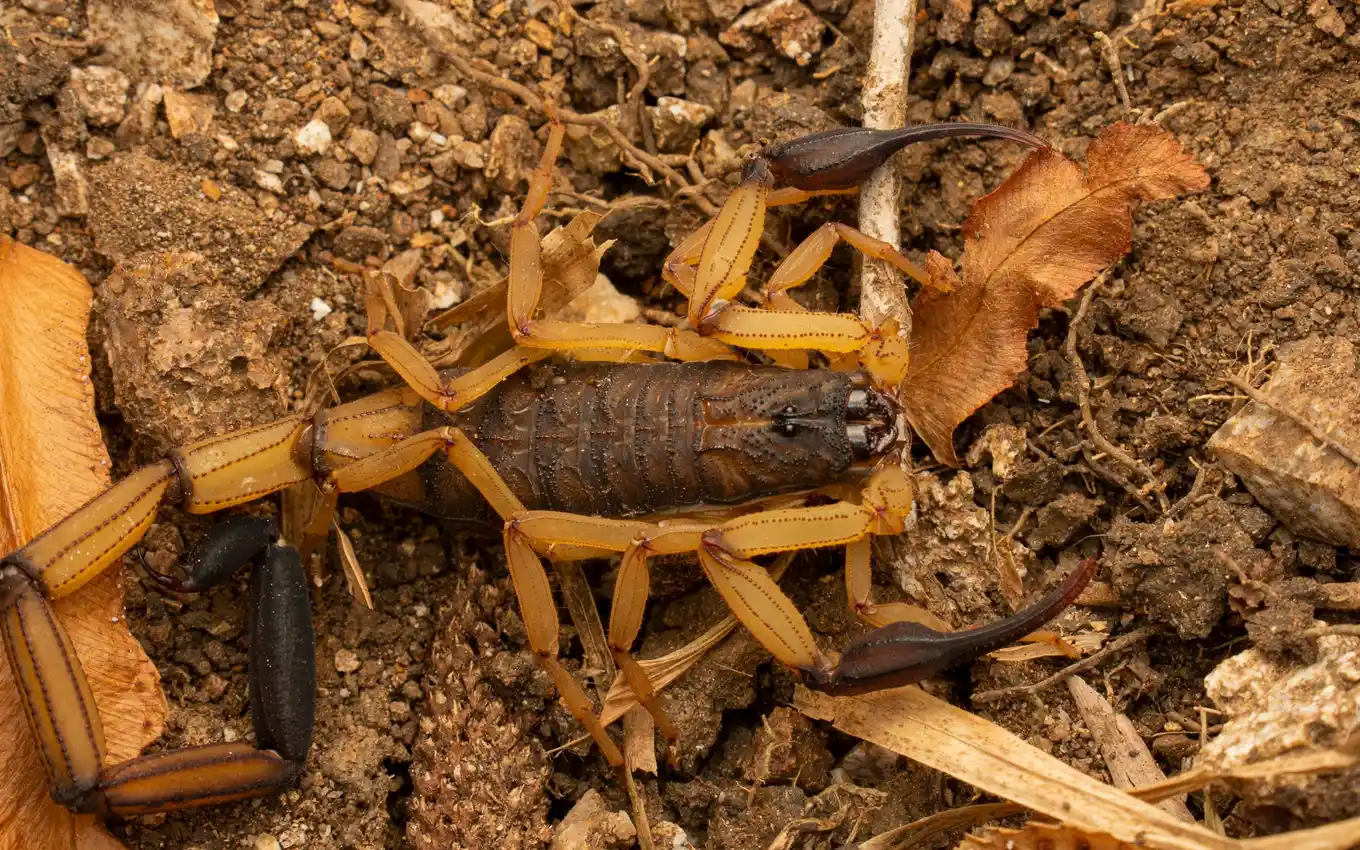
Scorpion control in Al Quzayn Jeddah
Al Quzayn is an old coastal settlement where rest houses and residential buildings sit on an open beach facing high humidity and salt air throughout the year. The pesticide breaks down faster in this environment, so treatment here requires understanding of coastal air properties and more frequent applications than inland districts to maintain effective protection.
-
Targeted, not broadcast
Product goes into cracks and runways, never sprayed across open surfaces.
-
Told before we start
What we will use, where it goes, and what to cover or move before we arrive.
-
A follow-up visit
We return after the first treatment, because what survives it does not show on the day.
-
Homes and businesses
Apartments and villas, and kitchens and stores that need a record of each visit.
Why they keep coming back in Al Quzayn
Open seaside rest houses and older homes with wide gaps in Al Quzayn experience repeated scorpion entry during specific seasons, with visible patterns linked to moisture and proximity to the industrial zone. The method is set out in full on the full Scorpion control page.
Coastal humidity accelerates pesticide breakdown on surfaces
Salt air and high humidity in Al Quzayn speed up pesticide degradation on walls, joints and exposed surfaces far faster than inland areas. Initial treatment must use higher concentrations and closer repeat intervals, particularly on boundary walls and joints facing the sea, or residual protection drops within weeks.
Open rest house design offers multiple entry routes from sand
Absence of clear barriers between rest houses and beach means scorpions arriving from sand dunes enter from several directions at once. Old door and window gaps allow them easy passage, so treating only foundations is insufficient here. Entry points need sealing alongside chemical treatment to break the pattern.
Continuous scorpion source from adjacent industrial facilities
The sewage works and factory neighbouring Al Quzayn provide year round shelter and food waste that sustain scorpion populations. Without treatment of those premises, a steady flow of scorpions moves toward the rest houses and homes. Single treatment of a house alone cannot overcome this external pressure.
Landmarks of Al Quzayn
Al Quzayn runs along the Southern Corniche and is bounded by King Faisal Road to the north. Treatment here focuses on the coastal boundaries between rest houses and open beach, paying special attention to gaps and joints facing the sea directly toward Al Seef Beach.
- Southern Corniche
- King Faisal Road
- Abna Al Sayyid Street
- Al Seef Beach
What we check outside before we go in
The narrow coastal strip between the corniche and open water creates permanent high humidity. The adjacent sewage treatment works and iron factory provide additional shelter and food sources for hungry scorpions moving inland.
Wall joints and boundary walls
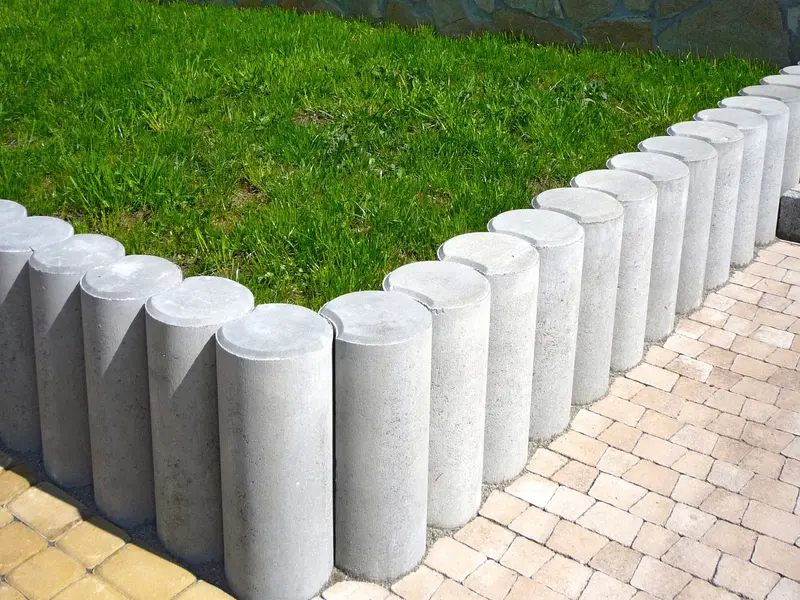
Wall joints between old concrete blocks in coastal rest houses widen due to salt and moisture, creating natural harbourage for scorpions arriving from adjacent sand dunes and the beach.
Rubble and stacked block
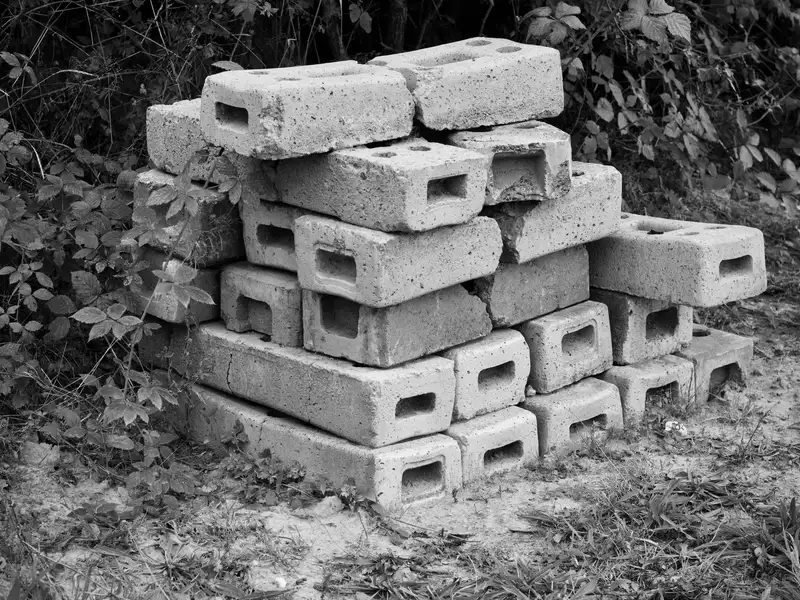
Rubble and stacked block around old beach houses and settlements offer ideal shelter, especially during off seasons when the rest houses close and food sources become scarce elsewhere.
Palm fronds and garden litter
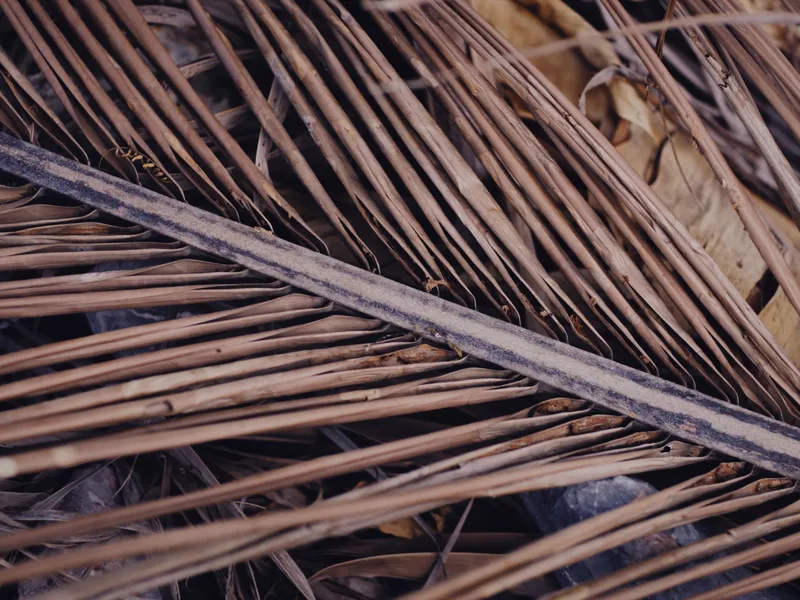
Accumulated palm fronds and sea grass on the shore and in nearby gardens provide food and shelter for insects that scorpions hunt, creating a food chain that brings them to the buildings.
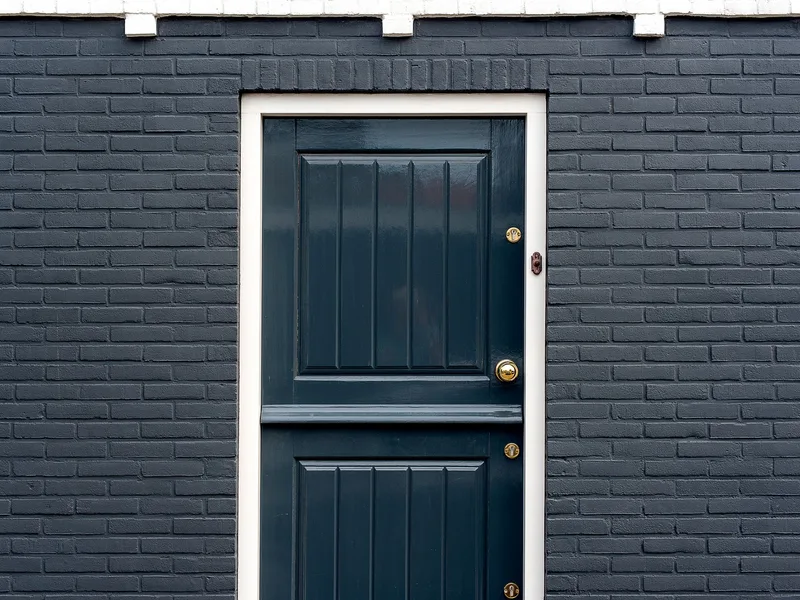
The gap under the door
Gaps under old doors in rest houses provide direct entry. Increased coastal moisture brings groundwater closer to foundations, widening access points and making entry easier for scorpions in wet seasons.
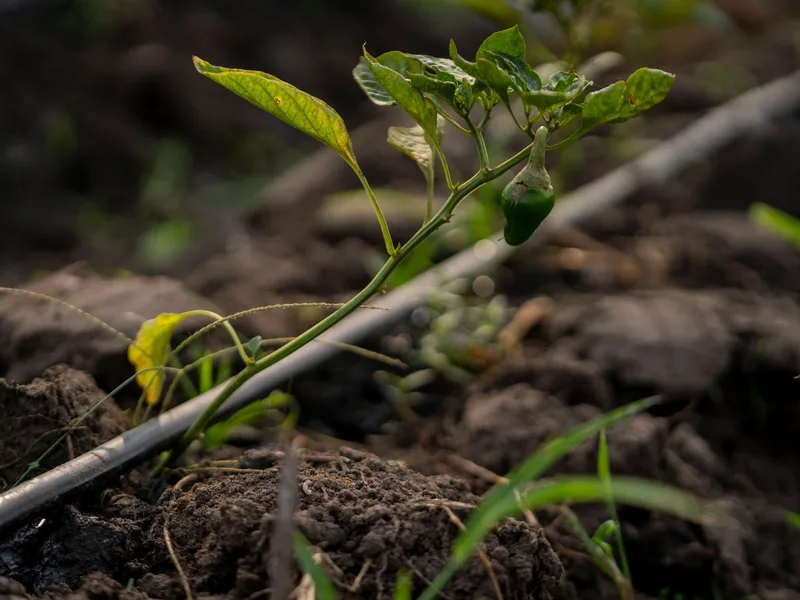
Irrigation and damp soil
Regular watering around the buildings and permanently damp soil from sea proximity create ideal conditions for the prey insects that scorpions feed on, drawing them to the area.
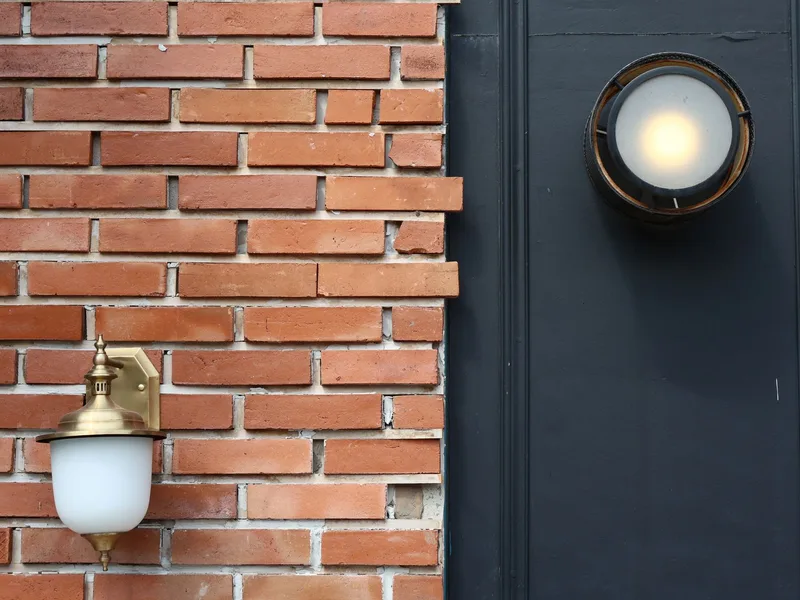
The light by the door
Night lights at rest house entrances attract the insects that scorpions hunt. Bright external lighting also makes treatment of entry points more difficult and masks the visual inspection needed to identify harbourage.
How we work
-
1
Night survey and perimeter inspection
We walk the perimeter after dark with an ultraviolet lamp, which makes a scorpion show up against wall and soil, and we record the harbourage, the ways in and how much prey is present.
-
2
Treat the harbourage and the building edge
Dust into the wall joints and the dry voids, and a targeted band tight against the foundation and around openings, because the material holds longer on a porous surface than on tile.
-
3
Close the ways in and remove the prey
A sweep under the doors, sealing where air-conditioning and drain pipes pass through, mesh over openings, and treatment of the cockroaches and insects it feeds on, so the reason to come in goes with them.
-
4
The follow-up visit
A scorpion can sit in its harbourage for weeks without moving, so the first pass does not always reach it. We come back to refresh the perimeter band and check what has appeared since.
What scorpion control includes
-

A night survey with an ultraviolet lamp
A walk of the perimeter after dark that fixes the harbourage and the entry routes before anything is applied.
-

Targeted perimeter and joint treatment
A band against the foundation, plus wall joints and cracks, never open floors or where children play.
-

Sealing openings and pipe entries
Drain openings, the points where air-conditioning pipes pass through, and mesh on shafts, which are the routes actually used.
-

Treating what it feeds on
Placed bait for cockroaches at entrances and service areas, because cutting the food supply reduces visits more than repeating a spray.
-

Aftercare instructions
What to lift out of the yard, where to move the outside light, and the ventilation time for your situation, which we give you on site.
-

A scheduled follow-up
A set date after the first treatment, a refreshed perimeter band and a check of anything new around it.
What is different about South Sub-Municipality
The South sub municipality runs from the edge of Old Makkah Road down to Al Khumrah and the southern corniche. Dense residential districts sit beside new subdivisions such as Al Sanabil and Al Taawun, warehouse fringes such as Al Saruriyah and Al Sarawat, and an old seaside settlement at Al Quzayn. Open stormwater channels cross the housing, and the warehouses, the vegetable and livestock markets and the nearby Islamic Port and Industrial City give pests shelter, food and year round humidity. Pressure is greatest in the older quarters, where drainage networks are ageing.
Questions about this district
Does high sea humidity weaken the strength of the pesticide?
Yes. Salt air degrades pesticide residue on walls and exposed surfaces much faster than in inland areas. Moisture evaporation reduces concentration more rapidly, so Al Quzayn needs closer repeat cycles and higher initial concentrations to match protection levels elsewhere.
Is treating one rest house enough or must the adjacent beach area also be treated?
Treating the rest house alone is insufficient. Scorpions arrive continuously from sand, dunes and wet zones nearby. The effective approach is to treat boundary foundations, seal every gap in old doors and windows, and treat joints. However, the primary source lies outside the property boundary and remains beyond control.
Must every gap and opening be sealed or is pesticide treatment sufficient?
Both sealing and pesticide are required, especially in old rest houses with deteriorated doors and windows. Pesticide alone cannot stop scorpions emerging from sand dunes, but sealing gaps noticeably reduces entry points and makes the chemical treatment more effective over time.
If one scorpion species is treated, does protection extend to other species?
The pesticide used works against all scorpion species present in the area. However, protection depends on maintaining adequate residue levels. In Al Quzayn, where humidity is high, the residue breaks down more rapidly than elsewhere, so repeat timing must be closer.
Do older rest houses need more frequent treatment than newer ones?
Yes. Older rest houses in Al Quzayn have wide gaps, cracked foundations and damaged seals that make them far more vulnerable. They need treatment more often, especially given proximity to Al Seef Beach and constant moisture from the sea.
How many times yearly should a coastal rest house be treated?
Coastal rest houses in Al Quzayn need treatment every two to three months at minimum, because salt air and humidity accelerate pesticide breakdown, and scorpions return continuously from adjacent industrial and marine zones. Annual treatment is inadequate here.
How much does scorpion control in Al Quzayn cost?
It is set after the inspection, because the price follows the type of infestation, the size of the space, how far it has spread and the number of visits it needs. Send a photo and a description on WhatsApp and we will give you an estimate before we reach Al Quzayn.
Nearby districts we cover
Other services in Al Quzayn
Other services we provide to residents of Al Quzayn.
-
 Residential
Cockroach control
Residential
Cockroach control
-
 Residential
Bed bug control
Residential
Bed bug control
-
 Residential
Termite control
Residential
Termite control
-
 Residential
Rodents and mice
Residential
Rodents and mice
-
 Residential
Mosquito control
Residential
Mosquito control
-
 Residential
Fly control
Residential
Fly control
-
 Residential
Ant control
Residential
Ant control
-
 Residential
Gecko control
Residential
Gecko control
-
 Residential
Snake control
Residential
Snake control
-
 Residential
Flea control
Residential
Flea control
-
 Residential
Bird and pigeon control
Residential
Bird and pigeon control
-
 Residential
Preventive treatment
Residential
Preventive treatment
-
 Residential
Disinfection
Residential
Disinfection
-
 Commercial
Annual contracts
Commercial
Annual contracts
-
 Commercial
Restaurants and cafes
Commercial
Restaurants and cafes
-
 Commercial
Hotels and apartments
Commercial
Hotels and apartments
-
 Commercial
Warehouses and factories
Commercial
Warehouses and factories
-
 Commercial
Schools and nurseries
Commercial
Schools and nurseries
-
 Commercial
Retail and malls
Commercial
Retail and malls
-
 Commercial
Rest houses and farms
Commercial
Rest houses and farms
-
 Commercial
Fumigation
Commercial
Fumigation
-
 Water tanks
Water tank cleaning
Water tanks
Water tank cleaning
-
 Water tanks
Water tank sterilization
Water tanks
Water tank sterilization
-
 Water tanks
Water tank sealing
Water tanks
Water tank sealing
-
 Water tanks
Tank leak repair
Water tanks
Tank leak repair
Need scorpion control in Al Quzayn? Tell us what you saw and we will tell you what it needs
We reach Al Quzayn at a time we agree, and you get the full cost before we start.