
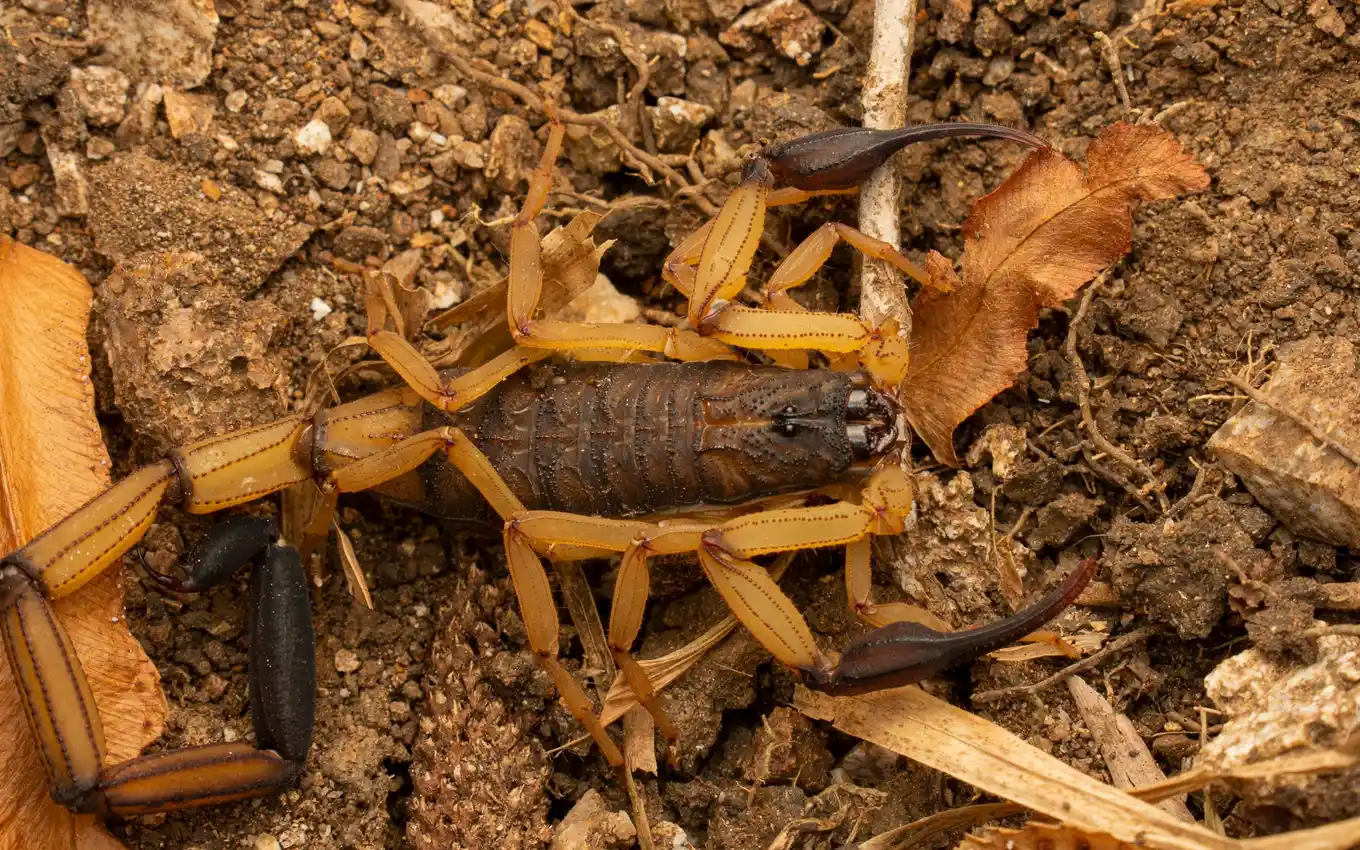
Scorpion control in Al Ruwais Jeddah
Al Ruwais is an old district west of Madinah Road close to the Corniche, where ageing apartment blocks stand beside newer buildings. It borders Al Hamra, Al Sharafiyah and West Baghdadiyah, Hail Street is its liveliest thoroughfare, and it holds the International Medical Center, Haifa Mall and Al Ruwais Park. The old district provides scorpions with numerous deep gaps between structures, ageing deteriorated networks, tight alleyways and secure refuges.
-
Targeted, not broadcast
Product goes into cracks and runways, never sprayed across open surfaces.
-
Told before we start
What we will use, where it goes, and what to cover or move before we arrive.
-
A follow-up visit
We return after the first treatment, because what survives it does not show on the day.
-
Homes and businesses
Apartments and villas, and kitchens and stores that need a record of each visit.
Why they keep coming back in Al Ruwais
The district is old and upper floors remain unrenovated, pipework is severely aged, and proximity to the seafront adds persistent sea humidity. The method is set out in full on what Scorpion control involves.
Old buildings with dense apartments and wide deep fissures between units
Old apartment blocks carry wide deep fissures between individual units, between walls and in floor slabs, and shared entry lobbies provide safe passages connecting many flats. Decades-old doors and windows have wide gaps underneath them, and cracked foundations provide scorpion entry points from ground level and below. Each old building connects dozens of separate dwellings through a single external entry point at foundation level.
Severely aged infrastructure with constant ongoing leakage
Water and drainage networks are decades old with leakage as a daily norm, creating permanent damp in lower walls and creating ideal damp refuges where small insects breed. Leaks from floors above drip continuously to lower units, spreading moisture and attracting insect populations at multiple levels simultaneously. Scorpions follow insect trails upward through these damp walls.
Tight alleyways, dim light and trapped humidity between dense blocks
Narrow alleyways between tightly packed buildings stay shaded and humid all day, providing shelter and darkness that scorpions favour. Damp surfaces persist even in hot weather because moisture trapped between buildings fails to evaporate. Water from irrigation and washing collects in tight alleys, creating small wet zones where scorpions hunt nightly and move between buildings via alleyway ground level.
Al Ruwais on the map
Al Ruwais sits about 1.5 km from Al Sharafiyah and about 3.5 km from Al Wurud.
Open in Google MapsWhat we check outside before we go in
An old district west of Madinah Road close to the Corniche, with a mix of old and newer buildings and narrow alleyways between densely packed structures.
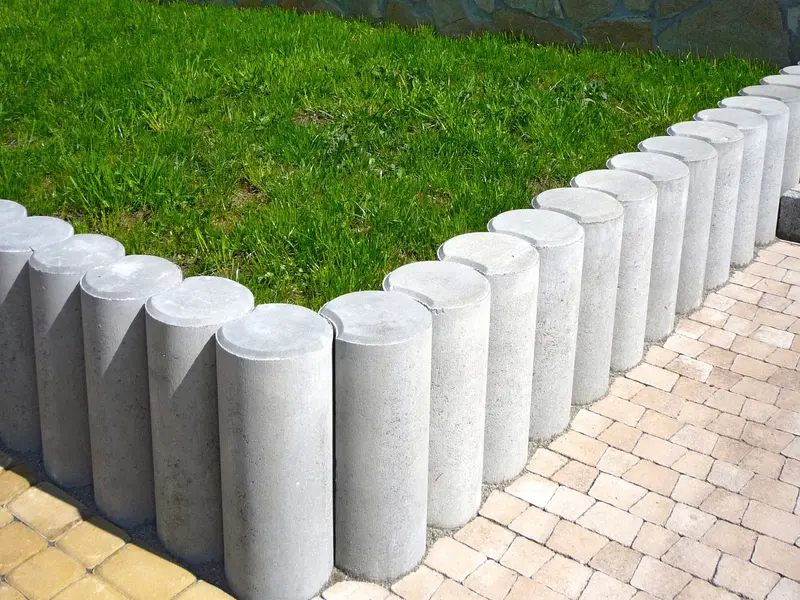
Wall joints and boundary walls
Boundary joints between closely adjoining blocks are extremely deep with wide subsurface gaps, requiring intensive treatment as buildings move and settle relative to each other over decades.
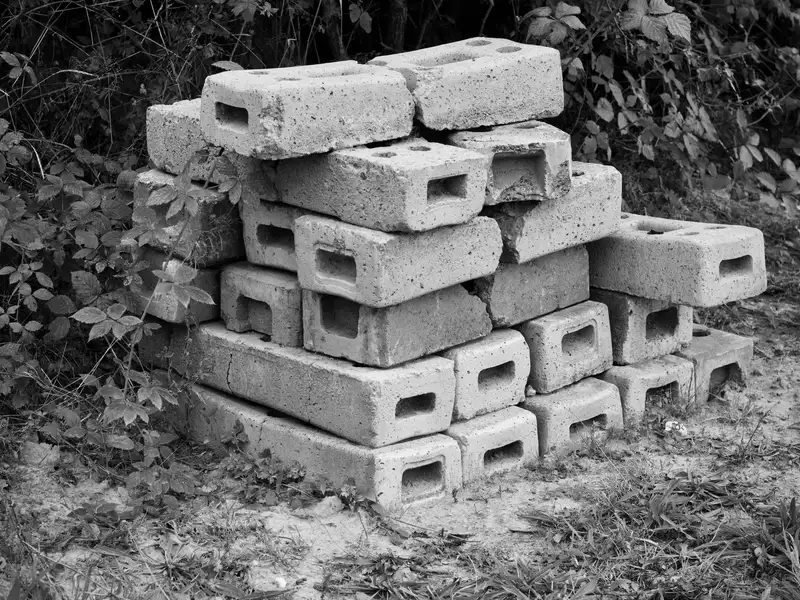
Rubble and stacked block
Building rubble and aggregate gather in the voids below structures and in tight alleyways where debris from construction and demolition work accumulates.
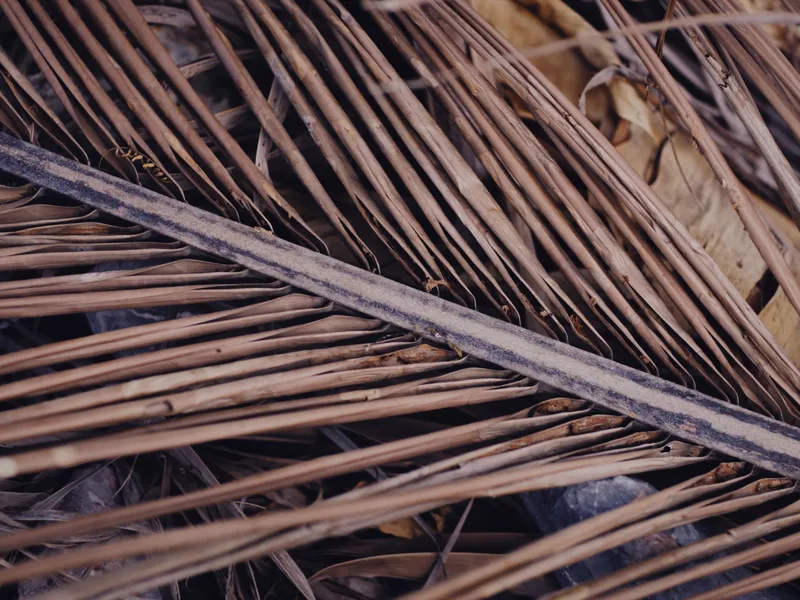
Palm fronds and garden litter
Dead leaves and vegetation from surrounding areas find their way into roof gutters, downpipes and the tight floor cavities where drainage is poor or blocked.
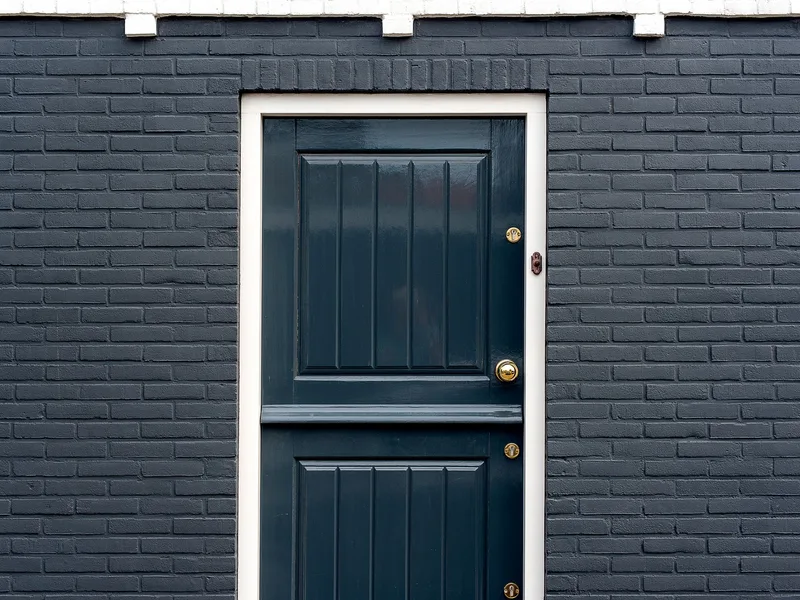
The gap under the door
Gaps beneath flat doors, entry doors and between doorframes are very wide due to decades of subsidence and continuous moisture damage swelling timber.
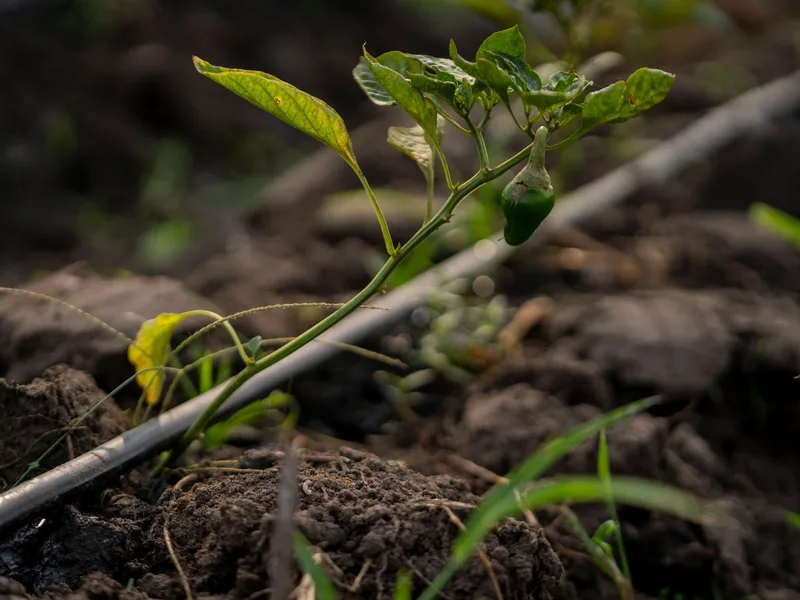
Irrigation and damp soil
Irrigation water and wash water from building maintenance collect in alley floors and lower wall cavities, maintaining constant dampness supporting insect breeding.
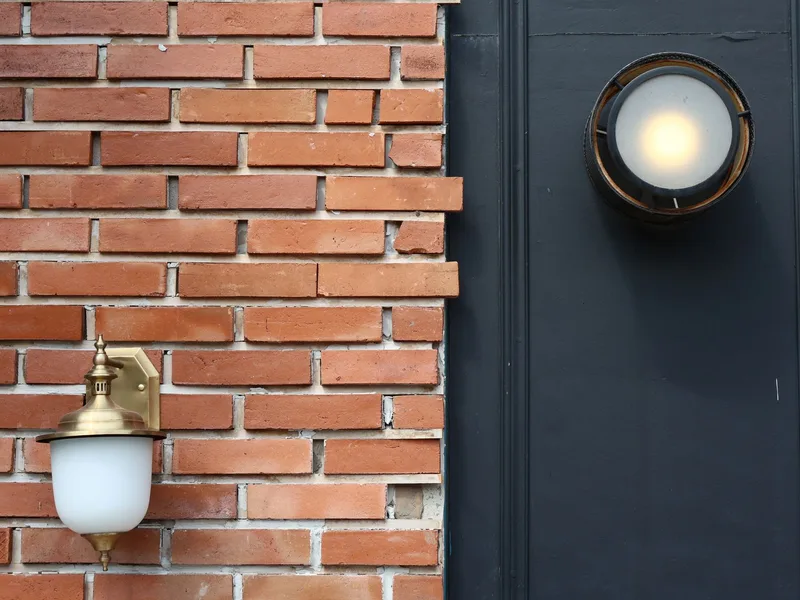
The light by the door
Dim lighting in alleyways and shared entries, combined with permanent shade between dense blocks, creates the darkness scorpions favour during daylight hours.
How we work
-
1
Night survey and perimeter inspection
We walk the perimeter after dark with an ultraviolet lamp, which makes a scorpion show up against wall and soil, and we record the harbourage, the ways in and how much prey is present.
-
2
Treat the harbourage and the building edge
Dust into the wall joints and the dry voids, and a targeted band tight against the foundation and around openings, because the material holds longer on a porous surface than on tile.
-
3
Close the ways in and remove the prey
A sweep under the doors, sealing where air-conditioning and drain pipes pass through, mesh over openings, and treatment of the cockroaches and insects it feeds on, so the reason to come in goes with them.
-
4
The follow-up visit
A scorpion can sit in its harbourage for weeks without moving, so the first pass does not always reach it. We come back to refresh the perimeter band and check what has appeared since.
What scorpion control includes
-

A night survey with an ultraviolet lamp
A walk of the perimeter after dark that fixes the harbourage and the entry routes before anything is applied.
-

Targeted perimeter and joint treatment
A band against the foundation, plus wall joints and cracks, never open floors or where children play.
-

Sealing openings and pipe entries
Drain openings, the points where air-conditioning pipes pass through, and mesh on shafts, which are the routes actually used.
-

Treating what it feeds on
Placed bait for cockroaches at entrances and service areas, because cutting the food supply reduces visits more than repeating a spray.
-

Aftercare instructions
What to lift out of the yard, where to move the outside light, and the ventilation time for your situation, which we give you on site.
-

A scheduled follow-up
A set date after the first treatment, a refreshed perimeter band and a check of anything new around it.
What is different about Al Sharafiyah Sub-Municipality
The Al Sharafiyah sub municipality runs across central Jeddah from Al Ruwais near the Corniche eastwards through Al Sharafiyah, Al Wurud and Bani Malik to Al Naseem at the Haramain Road. It was among the first areas to grow beyond the old wall, and it is dominated by dense apartment blocks over shops along King Fahd Road and Palestine Street, with old popular quarters, the Bani Malik market, car workshops and storerooms. Ageing buildings, worn drainage and the refuse of restaurants and markets make cockroaches and rodents the most persistent pests, and humidity rises towards the sea.
Questions about this district
Do old apartment buildings and gaps between units provide ideal scorpion habitat?
Perfectly so, old blocks have numerous wide fissures and shared lobbies creating safe passages connecting many dwellings. A scorpion enters once at foundation level and accesses dozens of flats through internal gaps and vertical routes. Concentration of prey is exceptional in old dense apartment districts.
Does constant water leakage from old pipes create ideal scorpion refuges?
Yes absolutely, leakage provides permanent dampness and small insects breed prolifically near wet pipes. Scorpions follow insect scent upward from below ground level through damp wall cavities, exploiting the water trails as highways into upper floors.
Do tight alleyways with permanent shade and trapped humidity favour scorpion survival?
Yes completely, darkness and permanent damp are exactly what scorpions require, and moisture trapped between buildings prevents surface drying. Water from irrigation and building washing collects in alley floors, creating small wet refuges where scorpions hunt and rest.
How do you treat gaps between tightly adjoining old buildings and shared wall fissures?
We treat gaps from inside around utility penetrations and seal accessible fissures with approved materials. Outside, we treat alley surfaces, building bases and the fissures where concrete meets concrete at external corners and wall junctions.
Is treating one flat in an old building enough or must neighbours coordinate?
Treatment of one flat protects that flat, but scorpions move readily from adjoining units and via shared passages. We strongly recommend coordination with neighbours and comprehensive treatment of entry lobbies and passages serving the block, so scorpions cannot simply migrate to untreated adjacent space.
Does proximity to the Corniche and high sea humidity make scorpion control harder?
Yes, sea humidity prevents surfaces drying and supports continuous insect breeding year round. Treatment must account for persistent moisture by targeting gaps that remain damp regardless of dry season, and treatment cycles may need to continue more frequently because ideal conditions persist longer.
How much does scorpion control in Al Ruwais cost?
It is set after the inspection, because the price follows the type of infestation, the size of the space, how far it has spread and the number of visits it needs. Send a photo and a description on WhatsApp and we will give you an estimate before we reach Al Ruwais.
Nearby districts we cover
Other services in Al Ruwais
Other services we provide to residents of Al Ruwais.
-
 Residential
Cockroach control
Residential
Cockroach control
-
 Residential
Bed bug control
Residential
Bed bug control
-
 Residential
Termite control
Residential
Termite control
-
 Residential
Rodents and mice
Residential
Rodents and mice
-
 Residential
Mosquito control
Residential
Mosquito control
-
 Residential
Fly control
Residential
Fly control
-
 Residential
Ant control
Residential
Ant control
-
 Residential
Gecko control
Residential
Gecko control
-
 Residential
Snake control
Residential
Snake control
-
 Residential
Flea control
Residential
Flea control
-
 Residential
Bird and pigeon control
Residential
Bird and pigeon control
-
 Residential
Preventive treatment
Residential
Preventive treatment
-
 Residential
Disinfection
Residential
Disinfection
-
 Commercial
Annual contracts
Commercial
Annual contracts
-
 Commercial
Restaurants and cafes
Commercial
Restaurants and cafes
-
 Commercial
Hotels and apartments
Commercial
Hotels and apartments
-
 Commercial
Warehouses and factories
Commercial
Warehouses and factories
-
 Commercial
Schools and nurseries
Commercial
Schools and nurseries
-
 Commercial
Retail and malls
Commercial
Retail and malls
-
 Commercial
Rest houses and farms
Commercial
Rest houses and farms
-
 Commercial
Fumigation
Commercial
Fumigation
-
 Water tanks
Water tank cleaning
Water tanks
Water tank cleaning
-
 Water tanks
Water tank sterilization
Water tanks
Water tank sterilization
-
 Water tanks
Water tank sealing
Water tanks
Water tank sealing
-
 Water tanks
Tank leak repair
Water tanks
Tank leak repair
Need scorpion control in Al Ruwais? Tell us what you saw and we will tell you what it needs
We reach Al Ruwais at a time we agree, and you get the full cost before we start.