
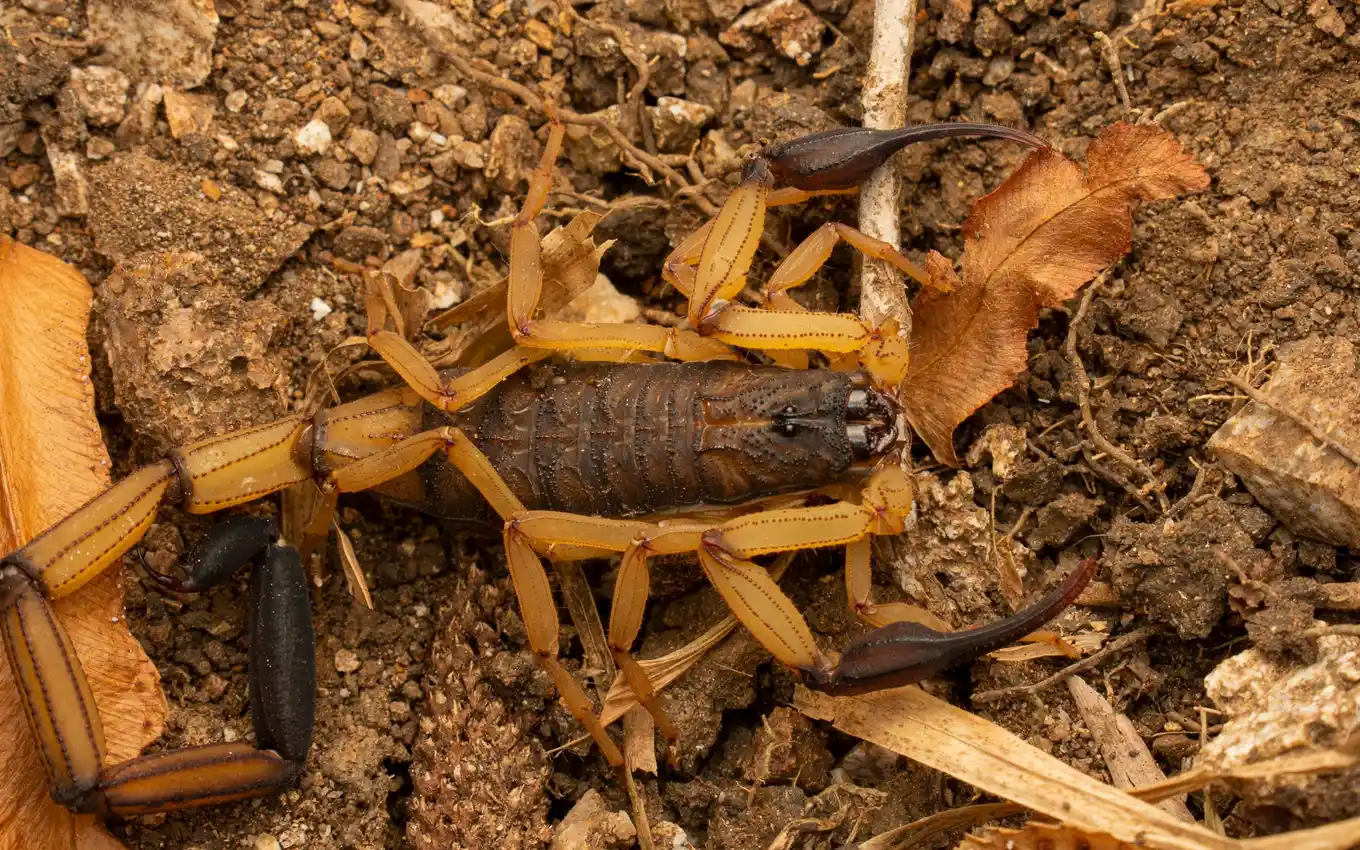
Scorpion control in Al Sahifah Jeddah
Al Sahifah is an old central district wedged between historic Jeddah and newer quarters, with a mixed urban fabric of heritage Hijazi houses and modern apartment blocks where shops and small businesses operate throughout. Scorpions shelter in the tight gaps between old and new buildings and exploit the dark shared corridors and spaces beneath the floors, moving easily between neighbours through the countless old cracks and joints.
-
Targeted, not broadcast
Product goes into cracks and runways, never sprayed across open surfaces.
-
Told before we start
What we will use, where it goes, and what to cover or move before we arrive.
-
A follow-up visit
We return after the first treatment, because what survives it does not show on the day.
-
Homes and businesses
Apartments and villas, and kitchens and stores that need a record of each visit.
Why they keep coming back in Al Sahifah
Residents on King Abdulaziz Road directly report far more scorpion incidents than those in side lanes, because heavy traffic vibration dislodges them from below street level and drives them to seek entry upward. The method is set out in full on Scorpion control in detail.
Mixed urban fabric and extremely narrow gaps
The district blends old heritage houses, modern apartment blocks and active shops, creating gaps between buildings that are extremely narrow, old and irregular. Scorpions shelter in these dark tight spaces and move freely between buildings, using the urban gaps as highways.
Old foundations and ancient underground utilities
Foundations throughout the quarter are very old and vary in depth and strength, and all electrical and plumbing runs below ground are antique with natural gaps and passages that insects exploit. Scorpions use these underground networks to move between flats and shops.
Commercial activity and ground floor shops
Small shops and restaurants on ground floors operate all day, leaving food scraps and waste that attract insects constantly. These insects rise through long cracks and gaps to flats above, drawing scorpions up behind them in the hunt.
The character of Al Sahifah
Apartment district: residential blocks, repeated floors and shared entrances
Apartments in Al Sahifah have shared entrances, long corridors and walls shared with neighbours in immediate proximity, so a scorpion need not enter from outside; it may already inhabit the shared gap and creep easily through any cracks in the internal wall into the flat.
What we check outside before we go in
The district is cut by Old Makkah Road and King Abdulaziz Road; foundations vary from shallow to very deep, the gaps between buildings are extremely narrow and very old, and all the utilities running below ground are decades old with natural gaps and passages.
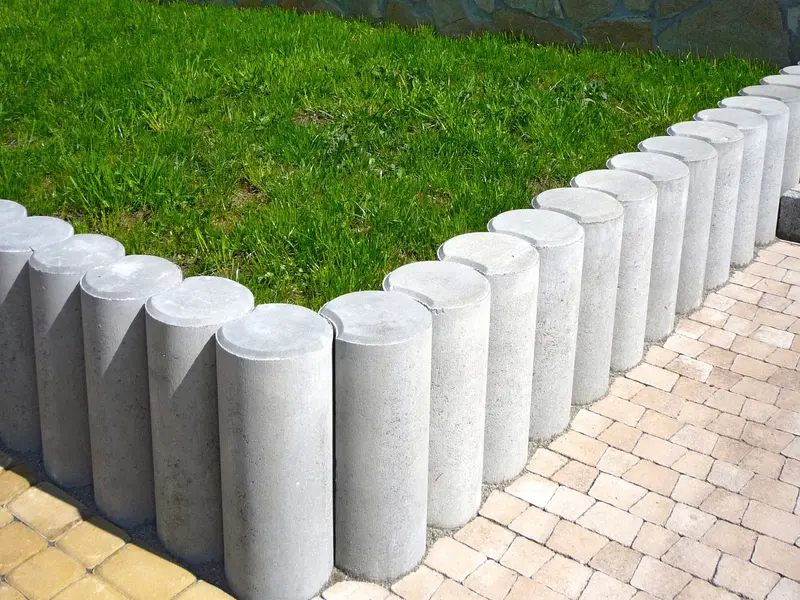
Wall joints and boundary walls
Gaps between old heritage buildings and modern structures are extremely narrow and irregular, with natural cracks from settlement and age, so treatment must envelope the entire gap from foundation level to ceiling height.
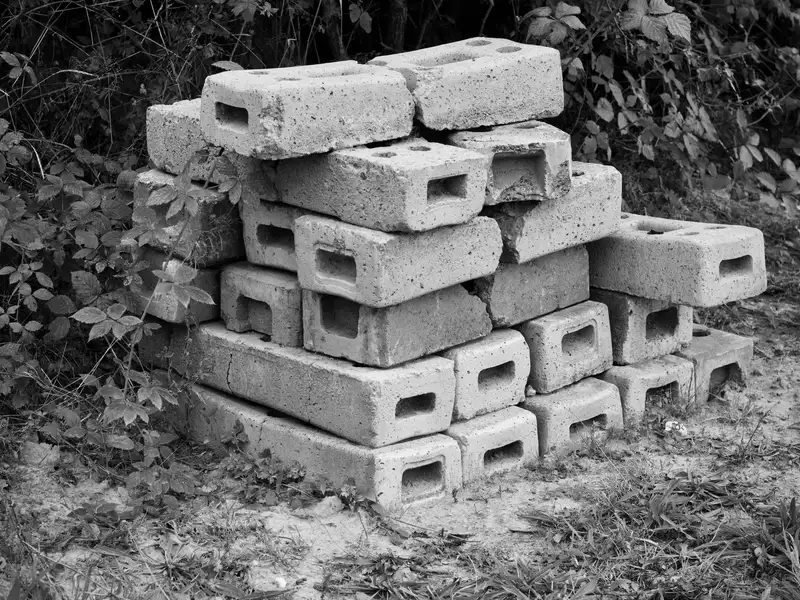
Rubble and stacked block
Rubble and stacked blocks from periodic renovation and repair lie in side lanes and shared yards, so we focus on clearing them and treating the tight zones around narrow gaps between buildings.
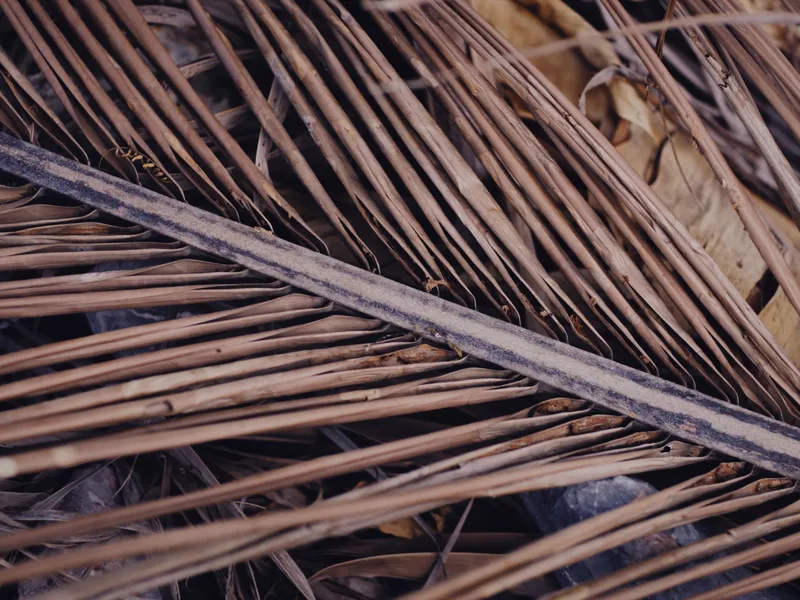
Palm fronds and garden litter
Date palms and garden litter are very rare but shared yards contain old small trees and accumulated debris, so we concentrate on yard clearing and treatment of the yard walls bordering the narrow gaps.
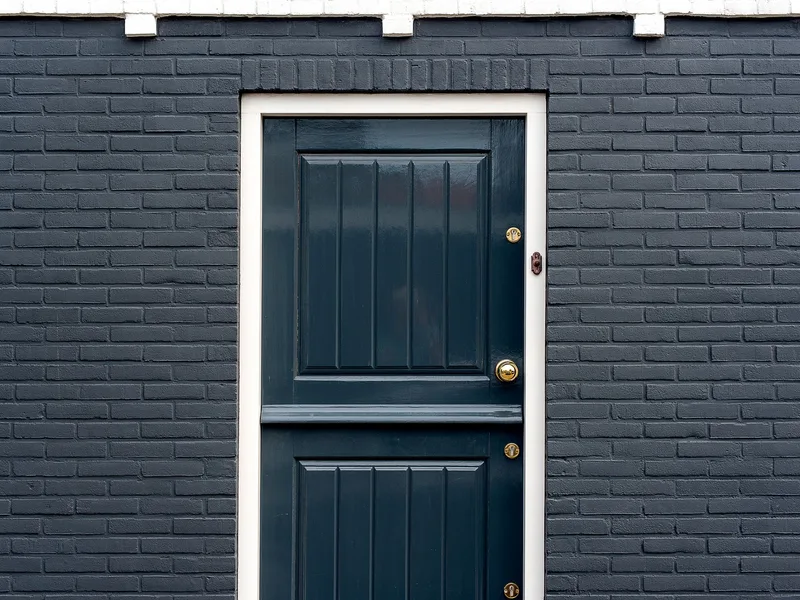
The gap under the door
Gaps under flat doors vary but some are large and foundations are uneven from age, so treating the doorstep, threshold gap and door frame is essential, especially doors opening onto tight shared gaps.
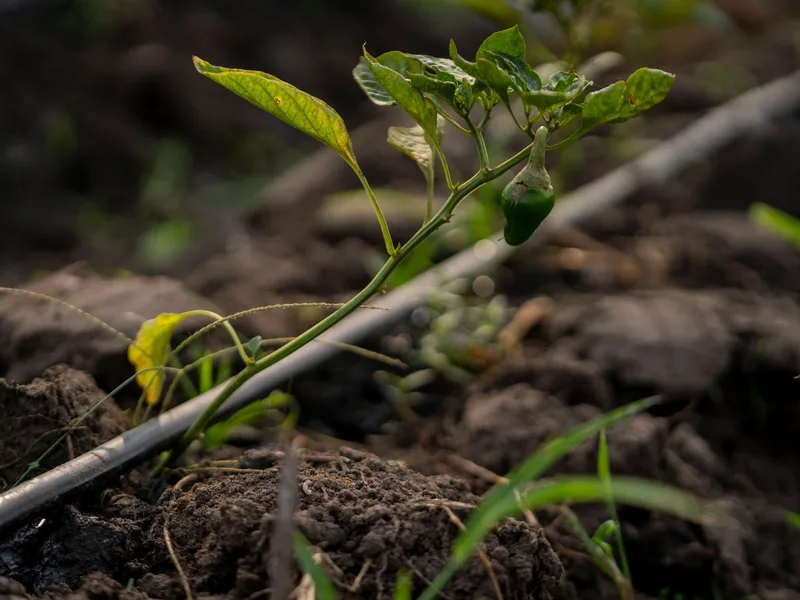
Irrigation and damp soil
Irrigation is rare but shared yards may contain old fountains or water containers, and moisture from underground networks seeps at gap points, so treatment focuses on the yard and shared gap structures.
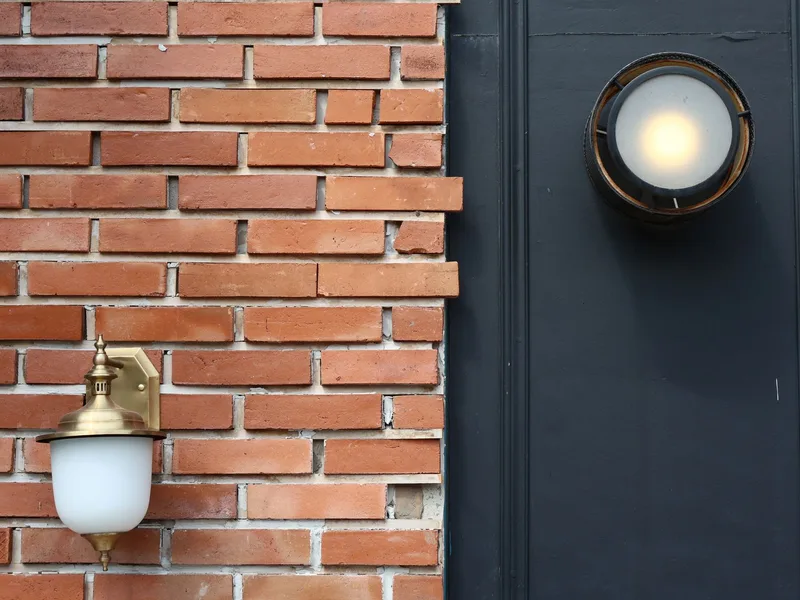
The light by the door
Lights in side lanes and yards are sparse and dark zones offer scorpion shelter, but ground floor shops have evening lighting that attracts insects, and scorpions follow that traffic upward through the gaps.
How we work
-
1
Night survey and perimeter inspection
We walk the perimeter after dark with an ultraviolet lamp, which makes a scorpion show up against wall and soil, and we record the harbourage, the ways in and how much prey is present.
-
2
Treat the harbourage and the building edge
Dust into the wall joints and the dry voids, and a targeted band tight against the foundation and around openings, because the material holds longer on a porous surface than on tile.
-
3
Close the ways in and remove the prey
A sweep under the doors, sealing where air-conditioning and drain pipes pass through, mesh over openings, and treatment of the cockroaches and insects it feeds on, so the reason to come in goes with them.
-
4
The follow-up visit
A scorpion can sit in its harbourage for weeks without moving, so the first pass does not always reach it. We come back to refresh the perimeter band and check what has appeared since.
What scorpion control includes
-

A night survey with an ultraviolet lamp
A walk of the perimeter after dark that fixes the harbourage and the entry routes before anything is applied.
-

Targeted perimeter and joint treatment
A band against the foundation, plus wall joints and cracks, never open floors or where children play.
-

Sealing openings and pipe entries
Drain openings, the points where air-conditioning pipes pass through, and mesh on shafts, which are the routes actually used.
-

Treating what it feeds on
Placed bait for cockroaches at entrances and service areas, because cutting the food supply reduces visits more than repeating a spray.
-

Aftercare instructions
What to lift out of the yard, where to move the outside light, and the ventilation time for your situation, which we give you on site.
-

A scheduled follow-up
A set date after the first treatment, a refreshed perimeter band and a check of anything new around it.
Landmarks of Al Sahifah
Al Sahifah lies along Old Makkah Road between Bab Sharif to the east and King Abdulaziz Mosque to the west, and treatment targets the gaps, shared yards and utility runs along Old Makkah Road and King Abdulaziz Road which runs north-south through the district.
- Old Makkah Road
- King Abdulaziz Road
- Khalid ibn Al Walid Street
- Bab Sharif
- King Abdulaziz Mosque
Questions about this district
Do scorpions come from the shop below my flat or from the main road outside?
Both sources feed them. The shop below attracts insects with food smell and activity, and the main road has heavy traffic that dislodges scorpions from ground level, forcing them inward. Treating your flat, shared gaps with the shop, and the street frontage is necessary.
Does closing the shop in the evening reduce scorpions entering my flat?
Closing reduces insect attraction but scorpions may already inhabit the gaps and underground networks. Insects themselves may hide in the shop and emerge when it closes. Treating the shop and the shared gap between you is essential.
Why is a flat on King Abdulaziz Road worse affected than one in a side lane?
The main road carries heavy traffic and buildings on it have shallower foundations. Traffic vibration dislodges scorpions from below the road and drives them upward seeking entry. Flats in side lanes sit further from the disturbance.
Does treating my flat alone protect me if the whole district is untreated?
Treating your flat stops scorpions entering it, but it does not stop them existing in the quarter or in shared gaps and networks. Untreated neighbours mean scorpions persist in shared spaces and keep attempting entry. Treating shared gaps with neighbours matters.
Is the old mixed architecture the main reason scorpions appear here?
Yes, the extremely narrow old gaps and ancient utility networks below ground provide perfect pathways for scorpions to travel. Mixed residential and commercial use attracts insects. Regular preventive treatment of gaps and visible networks is necessary.
How often must Al Sahifah be treated given the roads, shops and old fabric?
Al Sahifah has multiple scorpion sources: main roads, active shops and old gaps. Regular treatment cycles are necessary more often than single-use districts. Frequency depends on commercial activity levels and season.
How much does scorpion control in Al Sahifah cost?
It is set after the inspection, because the price follows the type of infestation, the size of the space, how far it has spread and the number of visits it needs. Send a photo and a description on WhatsApp and we will give you an estimate before we reach Al Sahifah.
Nearby districts we cover
Other services in Al Sahifah
Other services we provide to residents of Al Sahifah.
-
 Residential
Cockroach control
Residential
Cockroach control
-
 Residential
Bed bug control
Residential
Bed bug control
-
 Residential
Termite control
Residential
Termite control
-
 Residential
Rodents and mice
Residential
Rodents and mice
-
 Residential
Mosquito control
Residential
Mosquito control
-
 Residential
Fly control
Residential
Fly control
-
 Residential
Ant control
Residential
Ant control
-
 Residential
Gecko control
Residential
Gecko control
-
 Residential
Snake control
Residential
Snake control
-
 Residential
Flea control
Residential
Flea control
-
 Residential
Bird and pigeon control
Residential
Bird and pigeon control
-
 Residential
Preventive treatment
Residential
Preventive treatment
-
 Residential
Disinfection
Residential
Disinfection
-
 Commercial
Annual contracts
Commercial
Annual contracts
-
 Commercial
Restaurants and cafes
Commercial
Restaurants and cafes
-
 Commercial
Hotels and apartments
Commercial
Hotels and apartments
-
 Commercial
Warehouses and factories
Commercial
Warehouses and factories
-
 Commercial
Schools and nurseries
Commercial
Schools and nurseries
-
 Commercial
Retail and malls
Commercial
Retail and malls
-
 Commercial
Rest houses and farms
Commercial
Rest houses and farms
-
 Commercial
Fumigation
Commercial
Fumigation
-
 Water tanks
Water tank cleaning
Water tanks
Water tank cleaning
-
 Water tanks
Water tank sterilization
Water tanks
Water tank sterilization
-
 Water tanks
Water tank sealing
Water tanks
Water tank sealing
-
 Water tanks
Tank leak repair
Water tanks
Tank leak repair
Need scorpion control in Al Sahifah? Tell us what you saw and we will tell you what it needs
We reach Al Sahifah at a time we agree, and you get the full cost before we start.