
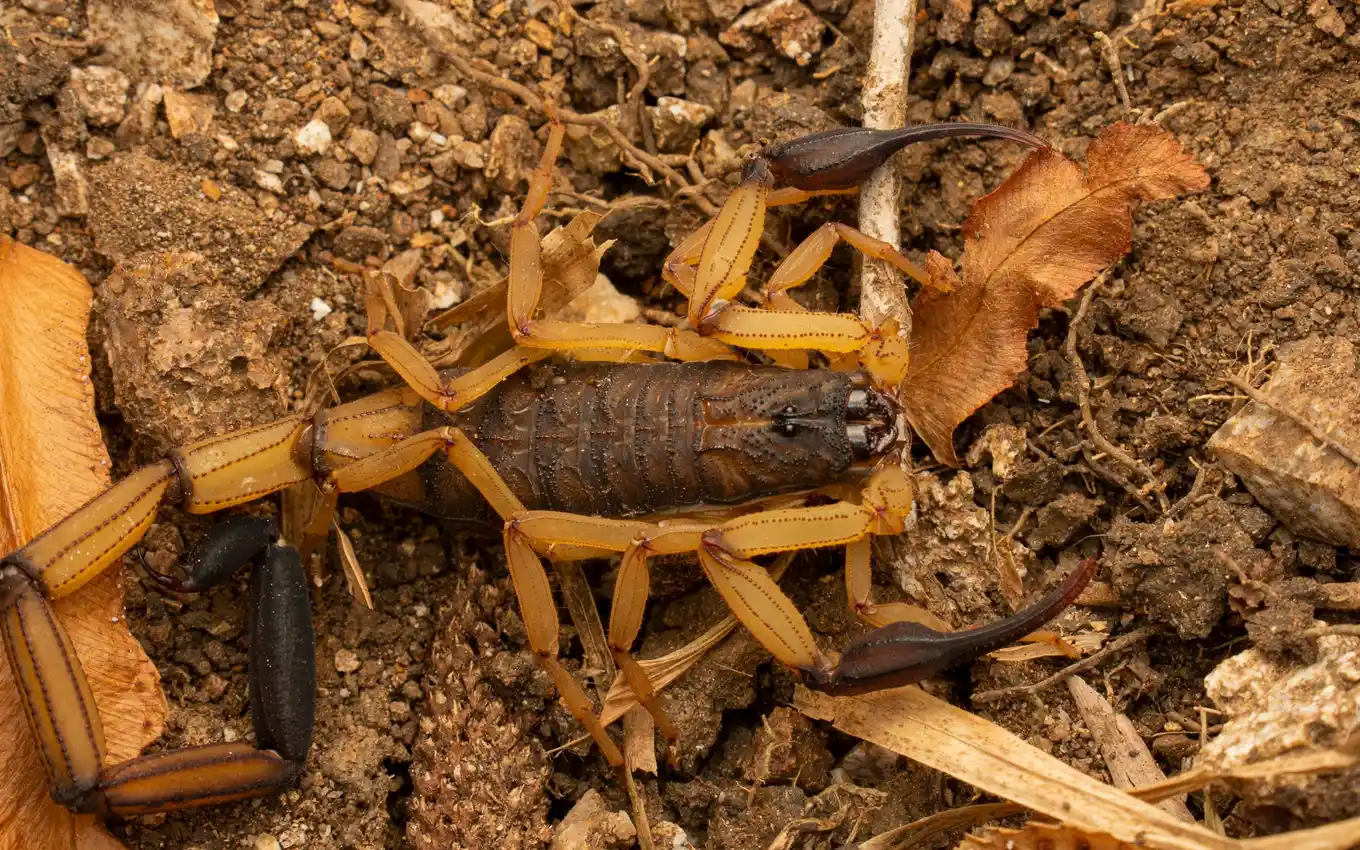
Scorpion control in Al Sanabel Makkah
Al Sanabel is a small dense pocket of stacked apartments south of Al Aziziyah, bound by the Third Ring Road, King Khalid Road and Muzdalifah Road, creating a network of shared walls, repeated floors and common entrances where scorpions hide between units. This urban density completely changes how the perimeter is searched and how the treatment is applied.
-
Targeted, not broadcast
Product goes into cracks and runways, never sprayed across open surfaces.
-
Told before we start
What we will use, where it goes, and what to cover or move before we arrive.
-
A follow-up visit
We return after the first treatment, because what survives it does not show on the day.
-
Homes and businesses
Apartments and villas, and kitchens and stores that need a record of each visit.
Why they keep coming back in Al Sanabel
Scorpions travel the shared walls between units and the cavity spaces running up through repeated floors before they ever enter a flat. The method is set out in full on the full Scorpion control page.
Shared walls between apartment units
Adjacent flats share long walls riddled with joints and cracks, and scorpions use these passages as highways, seeking darkness and damp. Every shared wall must be treated from the outside to intercept them before they breach into the units themselves.
Common entrances, stairs and lift shafts
Dark stairwells and lobby spaces provide natural harbouring, especially where walls meet concrete and utility pipes breach the perimeter. These shared routes connect every unit and need systematic, repeated treatment because they are never truly sealed.
The park and limited open ground
Al Mousa Park and the pockets of open space trapped between blocks retain moisture and host the insects that scorpions feed on. This ground becomes a steady food source that draws them towards the buildings and keeps them supplied through the cooler months.
Landmarks of Al Sanabel
Al Sanabel sits between three defining roads: King Khalid Road to the west, the Third Ring Road to the east, and Muzdalifah Road to the south which links the area to the Makkah Development Commission offices. Treatment begins at these outer boundaries and works inward through the walls and shared cavities of the complex.
- King Khalid Road
- Third Ring Road
- Muzdalifah Road
- Makkah Development Commission
- Al Iman Mosque
- Al Mousa Park
What we check outside before we go in
Tightly packed residential buildings on confined ground between three major roads, with neighbourhood mosques and a small public park, creating a complex structure of joints, shafts and narrow passages.
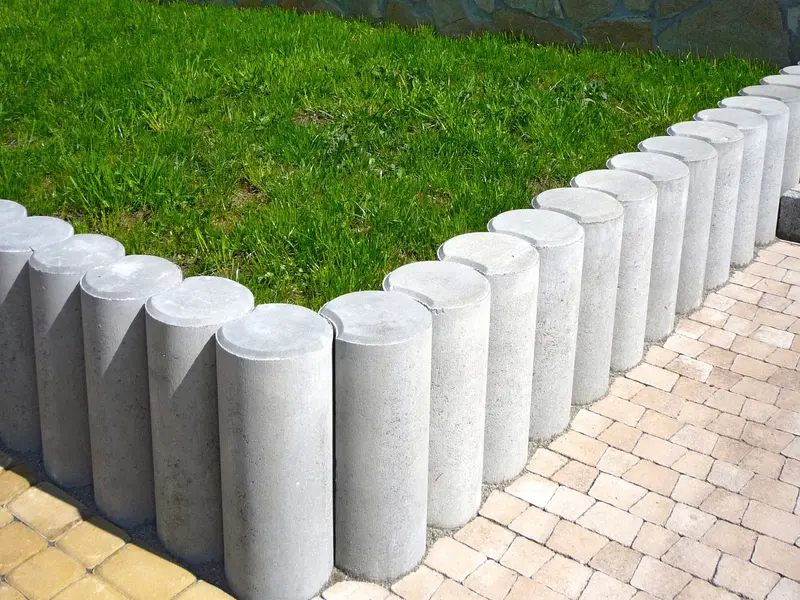
Wall joints and boundary walls
The shared walls between flats in these stacked complexes are the primary route and must be treated first, especially at the joints and fissures where scorpions hide during the day.
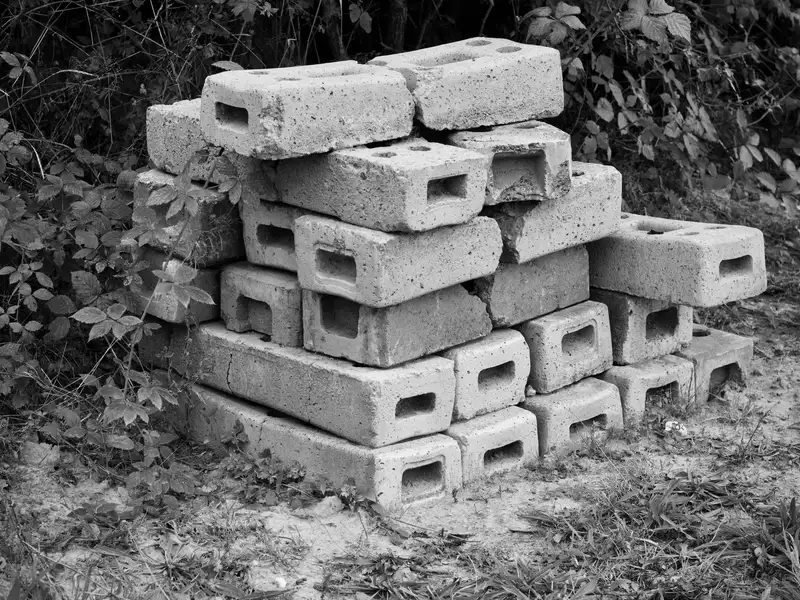
Rubble and stacked block
Soiled build materials and stacked rubble between the apartment blocks draw small insects, making the area attractive to scorpions searching for food sources.
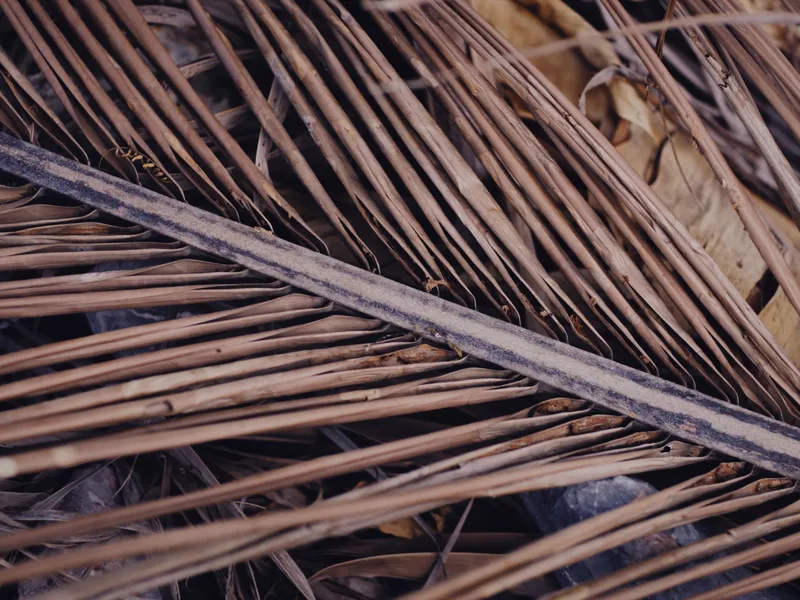
Palm fronds and garden litter
Small gaps between planted areas in the confined park provide harbouring for scorpions, especially if the soil stays wet from regular watering of the landscaping.
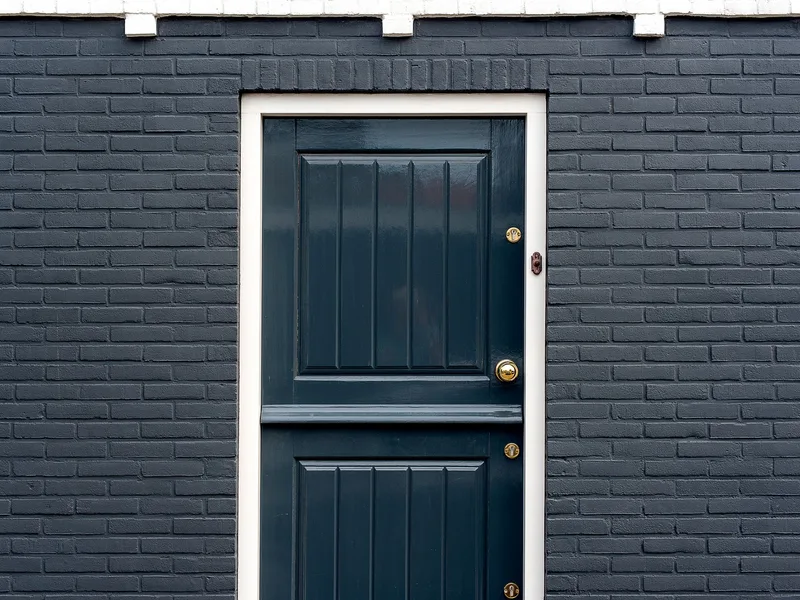
The gap under the door
Gaps under flat doors and in lobby areas allow scorpion entry, and treatment concentrates on closing these points and maintaining effective barriers.
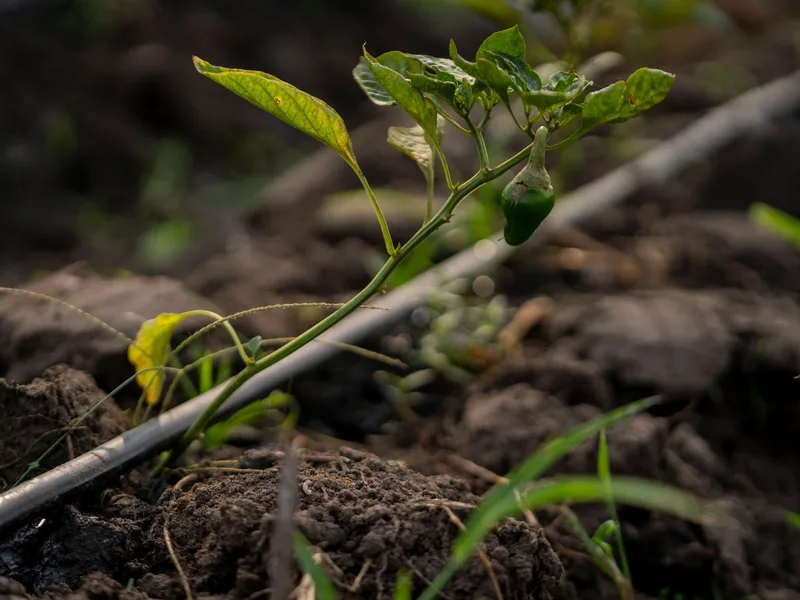
Irrigation and damp soil
The park's irrigation system and leaking drain pipes keep the ground damp, drawing insects and scorpions towards the adjoining residential buildings.
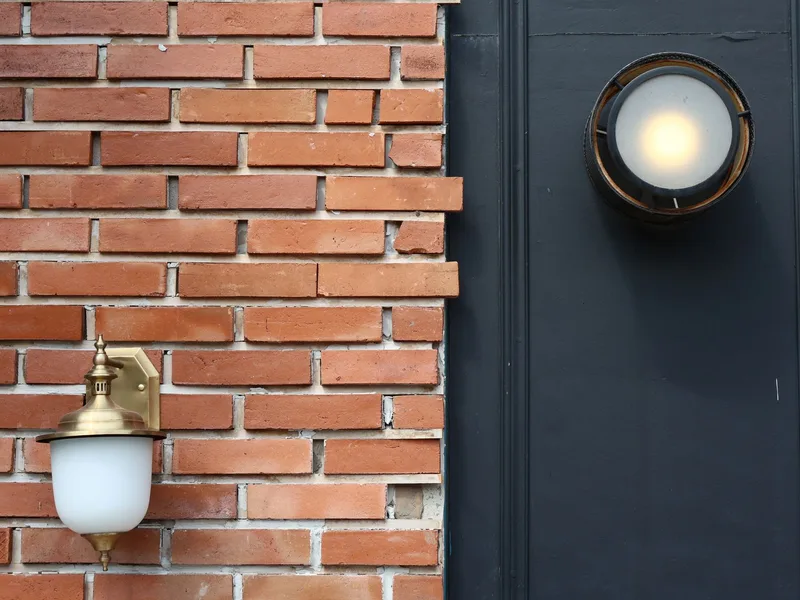
The light by the door
The night lighting at the building entrance attracts small insects, making the area more appealing to scorpions during their hunting hours after dark.
How we work
-
1
Night survey and perimeter inspection
We walk the perimeter after dark with an ultraviolet lamp, which makes a scorpion show up against wall and soil, and we record the harbourage, the ways in and how much prey is present.
-
2
Treat the harbourage and the building edge
Dust into the wall joints and the dry voids, and a targeted band tight against the foundation and around openings, because the material holds longer on a porous surface than on tile.
-
3
Close the ways in and remove the prey
A sweep under the doors, sealing where air-conditioning and drain pipes pass through, mesh over openings, and treatment of the cockroaches and insects it feeds on, so the reason to come in goes with them.
-
4
The follow-up visit
A scorpion can sit in its harbourage for weeks without moving, so the first pass does not always reach it. We come back to refresh the perimeter band and check what has appeared since.
What scorpion control includes
-

A night survey with an ultraviolet lamp
A walk of the perimeter after dark that fixes the harbourage and the entry routes before anything is applied.
-

Targeted perimeter and joint treatment
A band against the foundation, plus wall joints and cracks, never open floors or where children play.
-

Sealing openings and pipe entries
Drain openings, the points where air-conditioning pipes pass through, and mesh on shafts, which are the routes actually used.
-

Treating what it feeds on
Placed bait for cockroaches at entrances and service areas, because cutting the food supply reduces visits more than repeating a spray.
-

Aftercare instructions
What to lift out of the yard, where to move the outside light, and the ventilation time for your situation, which we give you on site.
-

A scheduled follow-up
A set date after the first treatment, a refreshed perimeter band and a check of anything new around it.
What is different about Al Aziziyah (Makkah) Sub-Municipality
Al Aziziyah sub municipality runs from the Bin Dawood markets to the Al Hada road and carries pilgrim traffic to Mina. Hotel towers and furnished apartment blocks fill and empty with the Hajj and Ramadan seasons, and the kitchens, restaurants and markets along Al Masjid Al Haram Road and King Abdulaziz Road leave food waste at every peak. Southwards the fabric loosens into villas and planned streets in An Naseem and Al Awali, then Al Abidiyah's campus and the old farms of Al Husayniyah, where Wadi Uranah holds water after rain and farm enclosures shelter rodents and reptiles.
Questions about this district
Why do scorpions appear in upper-floor apartments in these blocks?
Scorpions do not climb exposed walls. They travel upwards inside shared cavities, through vertical pipes and cable runs, and sometimes cross between adjacent units through the cavity wall or air conditioning apertures.
Must all the flats in one building be treated at the same time?
Treating every unit together is most effective, but work can begin with flats where scorpions have been spotted and the surrounding perimeter, then revisit the shared joints and passages on a rotating schedule.
Does the treatment affect the air quality inside the apartment?
Treatment focuses on the exterior, the cavities and the damp points, avoiding the interior. The products used are approved for occupied spaces when applied by the protocol.
Are the scorpions here coming from Al Mousa Park nearby?
The park is a likely source of small invertebrates that scorpions prey on, but the real problem is the cavity system and passage network inside the apartment blocks themselves, which provides permanent shelter.
How often do the shared walls and joints need retreating?
The initial treatment covers all sensitive areas, and retreating every three to four months maintains protection, especially as seasons change and humidity levels shift through the year.
Can the main entrance to the building be sealed to stop them entering?
Closing gaps under lobby doors, sealing cable runs and checking pipe boots all help reduce entry, but ongoing treatment of the cavity system remains the foundation of protection in a shared building.
How much does scorpion control in Al Sanabel cost?
It is set after the inspection, because the price follows the type of infestation, the size of the space, how far it has spread and the number of visits it needs. Send a photo and a description on WhatsApp and we will give you an estimate before we reach Al Sanabel.
Nearby districts we cover
Other services in Al Sanabel
Other services we provide to residents of Al Sanabel.
-
 Residential
Cockroach control
Residential
Cockroach control
-
 Residential
Bed bug control
Residential
Bed bug control
-
 Residential
Termite control
Residential
Termite control
-
 Residential
Rodents and mice
Residential
Rodents and mice
-
 Residential
Mosquito control
Residential
Mosquito control
-
 Residential
Fly control
Residential
Fly control
-
 Residential
Ant control
Residential
Ant control
-
 Residential
Gecko control
Residential
Gecko control
-
 Residential
Snake control
Residential
Snake control
-
 Residential
Flea control
Residential
Flea control
-
 Residential
Bird and pigeon control
Residential
Bird and pigeon control
-
 Residential
Preventive treatment
Residential
Preventive treatment
-
 Residential
Disinfection
Residential
Disinfection
-
 Commercial
Annual contracts
Commercial
Annual contracts
-
 Commercial
Restaurants and cafes
Commercial
Restaurants and cafes
-
 Commercial
Hotels and apartments
Commercial
Hotels and apartments
-
 Commercial
Warehouses and factories
Commercial
Warehouses and factories
-
 Commercial
Schools and nurseries
Commercial
Schools and nurseries
-
 Commercial
Retail and malls
Commercial
Retail and malls
-
 Commercial
Rest houses and farms
Commercial
Rest houses and farms
-
 Commercial
Fumigation
Commercial
Fumigation
-
 Water tanks
Water tank cleaning
Water tanks
Water tank cleaning
-
 Water tanks
Water tank sterilization
Water tanks
Water tank sterilization
-
 Water tanks
Water tank sealing
Water tanks
Water tank sealing
-
 Water tanks
Tank leak repair
Water tanks
Tank leak repair
Need scorpion control in Al Sanabel? Tell us what you saw and we will tell you what it needs
We reach Al Sanabel at a time we agree, and you get the full cost before we start.