
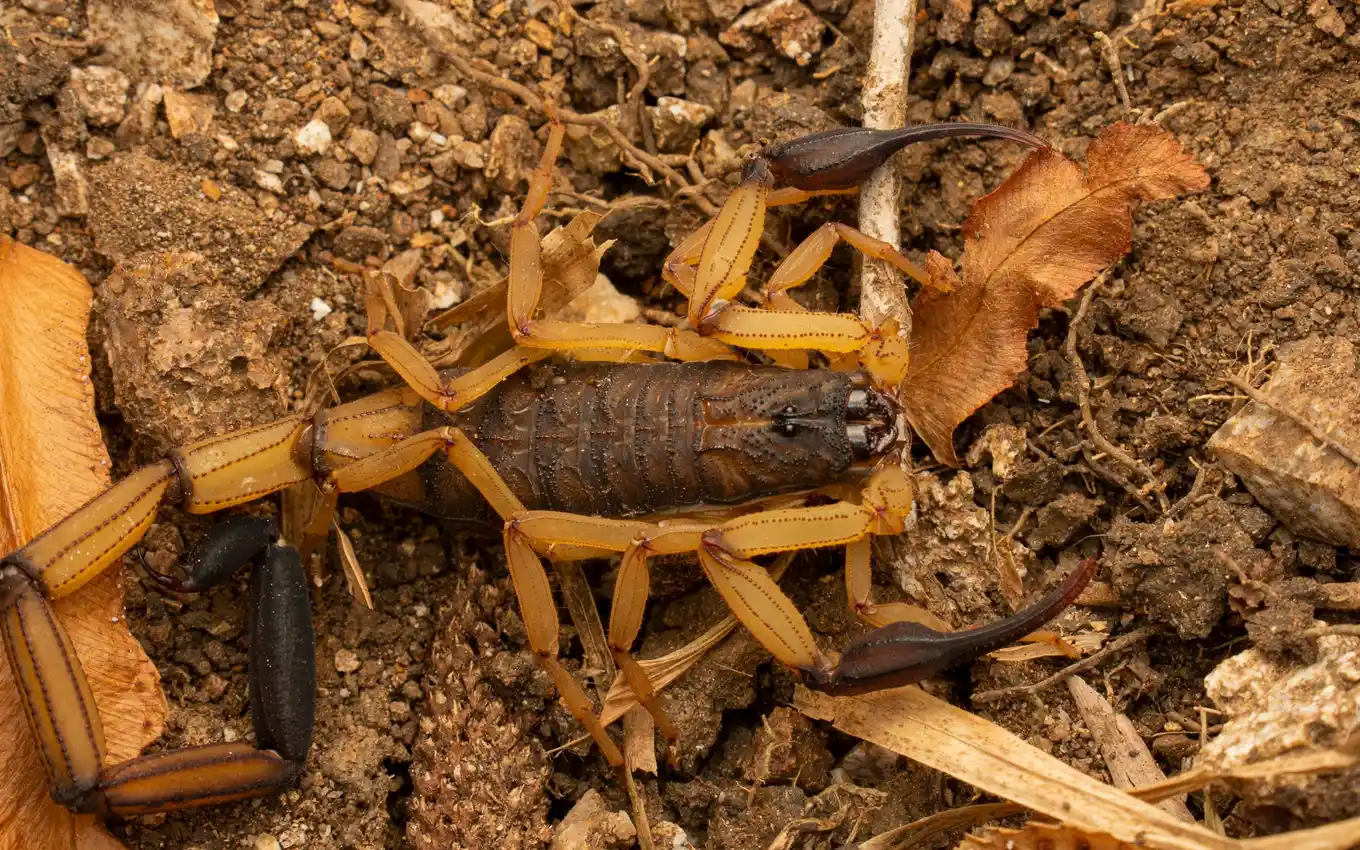
Scorpion control in Jabal Al Noor Makkah
Jabal Al Noor is ringed by King Faisal Road and Souq Al Arab where multiple storey apartment blocks stand close together. Shared stairs and corridors and long hallways give scorpions multiple routes to move between floors, and the constant stream of pilgrims brings stray insects.
-
Targeted, not broadcast
Product goes into cracks and runways, never sprayed across open surfaces.
-
Told before we start
What we will use, where it goes, and what to cover or move before we arrive.
-
A follow-up visit
We return after the first treatment, because what survives it does not show on the day.
-
Homes and businesses
Apartments and villas, and kitchens and stores that need a record of each visit.
Why they keep coming back in Jabal Al Noor
Shared stairs, long corridors and adjoining blocks create a complex network of passages for scorpions to move between flats and floors. The method is set out in full on how we approach Scorpion control.
Shared stairs offer perfect movement routes for scorpions
One stairwell connects dozens of flats, and scorpions climb easily from lower to upper floors. Stair joint cracks and shared walls offer scorpion shelter as they climb.
Ground floor shops provide continuous insect food supply
Shops, restaurants and markets on the ground floor leave plenty of food scraps. This attracts insects easily, and scorpions follow them up through the cracks.
Seasonal pilgrim traffic brings stray insects as food sources
Pilgrims arrive with baggage and clothes that may carry insects, giving scorpions a seasonal food boost. Flats near the main entrance see more scorpion activity.
Jabal Al Noor on the map
Jabal Al Noor sits about 1.5 km from Al Adl and about 2.5 km from Al Khansa.
Open in Google MapsWhat we check outside before we go in
Jabal Al Noor rises north east of the Grand Mosque and draws visitors throughout the year. Residential blocks are surrounded by shops and busy markets that provide food sources for insects.
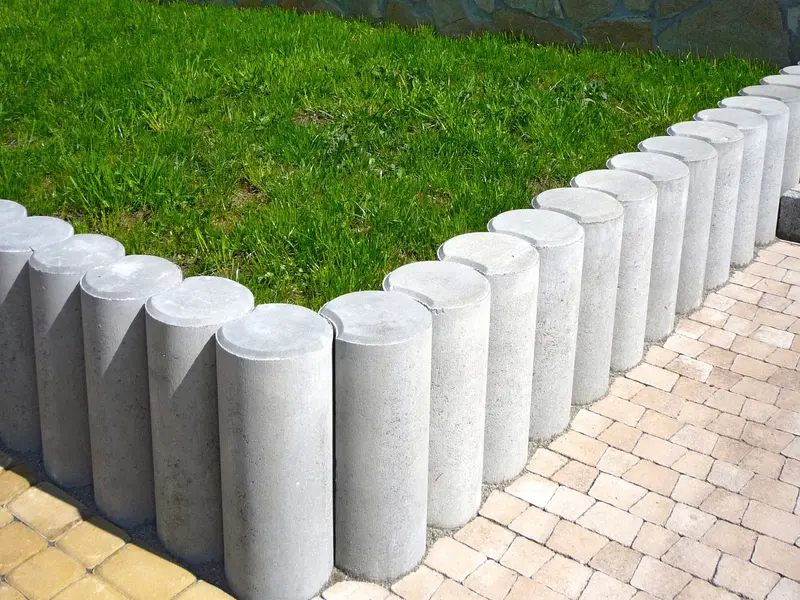
Wall joints and boundary walls
Stair joint cracks and shared walls in blocks are treated first before the individual flats themselves.
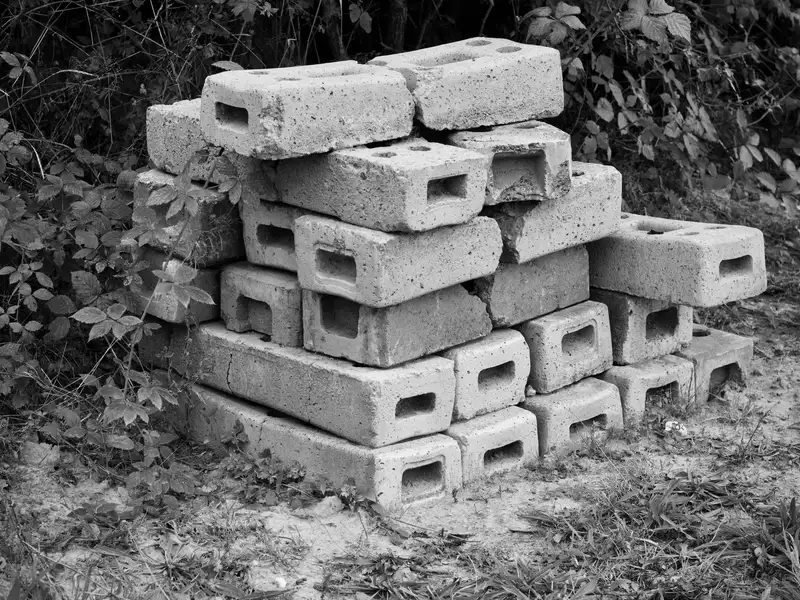
Rubble and stacked block
Building rubble from renovation and repairs supplies insect breeding ground, especially at stairs.
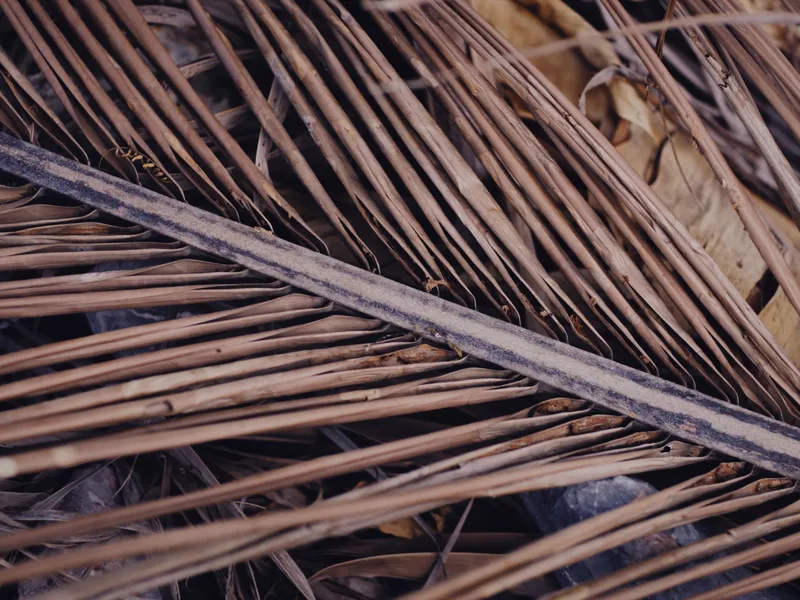
Palm fronds and garden litter
Leaves and waste from the commercial activity below collect around the building base and attract insects.
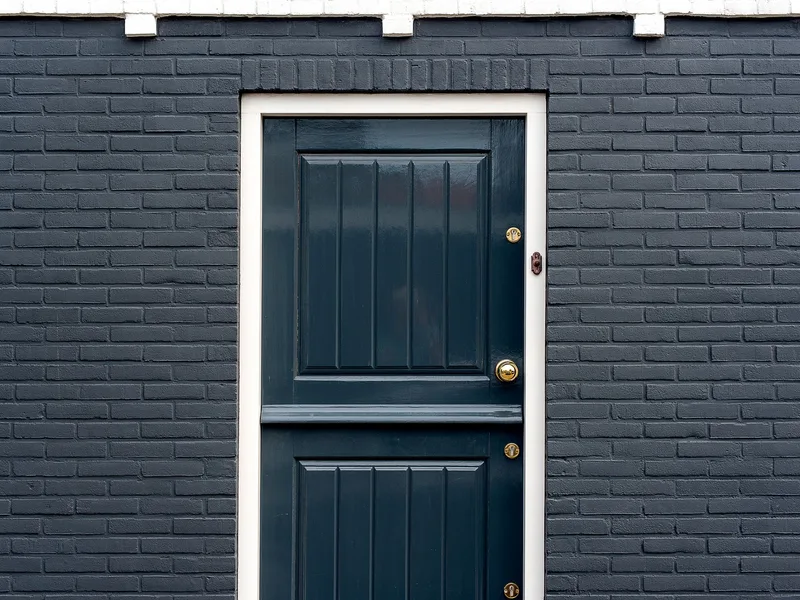
The gap under the door
Gaps under flat doors and between frames and walls may be very wide from continuous foot traffic.
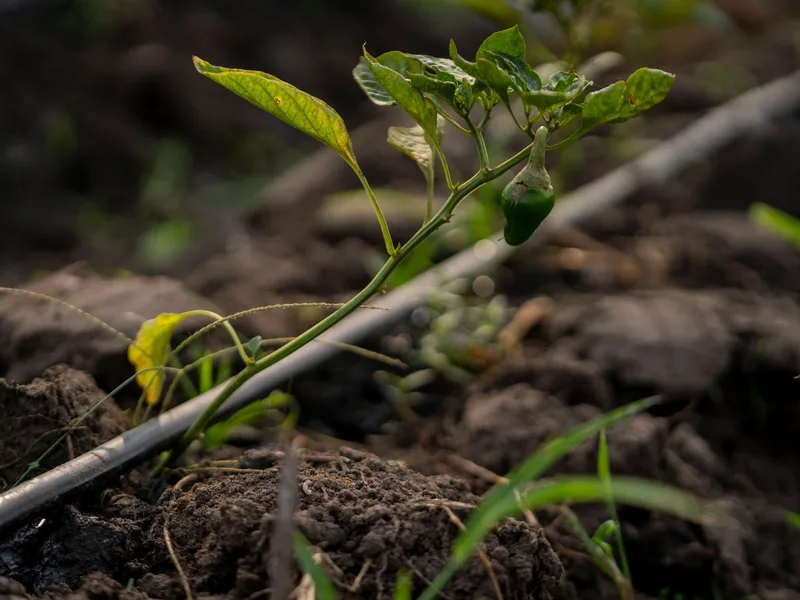
Irrigation and damp soil
Moisture from restaurants below and damp cracks between floors create good conditions for insects.
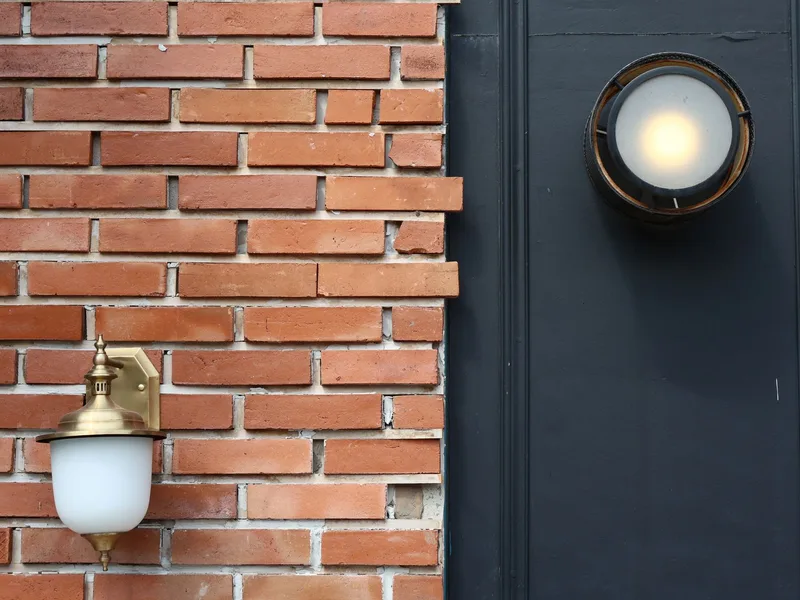
The light by the door
Light in corridors and stairwells attracts insects heavily at night and scorpions follow them.
How we work
-
1
Night survey and perimeter inspection
We walk the perimeter after dark with an ultraviolet lamp, which makes a scorpion show up against wall and soil, and we record the harbourage, the ways in and how much prey is present.
-
2
Treat the harbourage and the building edge
Dust into the wall joints and the dry voids, and a targeted band tight against the foundation and around openings, because the material holds longer on a porous surface than on tile.
-
3
Close the ways in and remove the prey
A sweep under the doors, sealing where air-conditioning and drain pipes pass through, mesh over openings, and treatment of the cockroaches and insects it feeds on, so the reason to come in goes with them.
-
4
The follow-up visit
A scorpion can sit in its harbourage for weeks without moving, so the first pass does not always reach it. We come back to refresh the perimeter band and check what has appeared since.
What scorpion control includes
-

A night survey with an ultraviolet lamp
A walk of the perimeter after dark that fixes the harbourage and the entry routes before anything is applied.
-

Targeted perimeter and joint treatment
A band against the foundation, plus wall joints and cracks, never open floors or where children play.
-

Sealing openings and pipe entries
Drain openings, the points where air-conditioning pipes pass through, and mesh on shafts, which are the routes actually used.
-

Treating what it feeds on
Placed bait for cockroaches at entrances and service areas, because cutting the food supply reduces visits more than repeating a spray.
-

Aftercare instructions
What to lift out of the yard, where to move the outside light, and the ventilation time for your situation, which we give you on site.
-

A scheduled follow-up
A set date after the first treatment, a refreshed perimeter band and a check of anything new around it.
What is different about Al Maabdah Sub-Municipality
Al Maabdah sub municipality climbs from Al Abtah and Al Jumayzah beside the Al Mualla cemetery up through Al Khansa and Rai Adhakhir to Al Adl, Jabal Al Nour, Wadi Jaleel and Qurtubah on the outer ring roads. It mixes hotels and pilgrim housing near the Grand Mosque with old popular houses on hillside passes, new housing schemes on valley floors that carry flash floods after rain, and industrial plots, workshops and warehouses along Al Hajj Street in Qurtubah. Street widening and expropriation leave partly demolished frontages in Al Khansa.
Questions about this district
Is treating the shared stair more important than the individual flat?
Yes, the stair is the scorpion's main pathway. Treating it and its cracks cuts scorpion movement between flats significantly.
Is a tenth floor flat protected from scorpions better than the ground floor?
The upper flat may be safer from horizontal entry, but the shared stair connects it to the floors below. Protection is only partial.
If a shop below is closed, does that help stop scorpions in the flat above?
A closed shop reduces insects, but scorpions already in the cracks may stay. Full treatment is needed, but closing the shop helps.
Does a flat at Jabal Al Noor need different treatment than a quiet district flat?
Yes, the market location and pilgrim traffic mean more insects. Treatment focuses on cracks and hallways more than on furnishings.
Is treating just my flat enough if the neighbour's is untreated?
Protection will be only partial. Shared walls and cracks between flats give scorpions routes even after treatment.
How often does a Jabal Al Noor flat need treatment because of the tourist location?
The tourism and nearby markets may call for inspection every two months rather than focus on routine periodic treatment.
How much does scorpion control in Jabal Al Noor cost?
It is set after the inspection, because the price follows the type of infestation, the size of the space, how far it has spread and the number of visits it needs. Send a photo and a description on WhatsApp and we will give you an estimate before we reach Jabal Al Noor.
Nearby districts we cover
Other services in Jabal Al Noor
Other services we provide to residents of Jabal Al Noor.
-
 Residential
Cockroach control
Residential
Cockroach control
-
 Residential
Bed bug control
Residential
Bed bug control
-
 Residential
Termite control
Residential
Termite control
-
 Residential
Rodents and mice
Residential
Rodents and mice
-
 Residential
Mosquito control
Residential
Mosquito control
-
 Residential
Fly control
Residential
Fly control
-
 Residential
Ant control
Residential
Ant control
-
 Residential
Gecko control
Residential
Gecko control
-
 Residential
Snake control
Residential
Snake control
-
 Residential
Flea control
Residential
Flea control
-
 Residential
Bird and pigeon control
Residential
Bird and pigeon control
-
 Residential
Preventive treatment
Residential
Preventive treatment
-
 Residential
Disinfection
Residential
Disinfection
-
 Commercial
Annual contracts
Commercial
Annual contracts
-
 Commercial
Restaurants and cafes
Commercial
Restaurants and cafes
-
 Commercial
Hotels and apartments
Commercial
Hotels and apartments
-
 Commercial
Warehouses and factories
Commercial
Warehouses and factories
-
 Commercial
Schools and nurseries
Commercial
Schools and nurseries
-
 Commercial
Retail and malls
Commercial
Retail and malls
-
 Commercial
Rest houses and farms
Commercial
Rest houses and farms
-
 Commercial
Fumigation
Commercial
Fumigation
-
 Water tanks
Water tank cleaning
Water tanks
Water tank cleaning
-
 Water tanks
Water tank sterilization
Water tanks
Water tank sterilization
-
 Water tanks
Water tank sealing
Water tanks
Water tank sealing
-
 Water tanks
Tank leak repair
Water tanks
Tank leak repair
Need scorpion control in Jabal Al Noor? Tell us what you saw and we will tell you what it needs
We reach Jabal Al Noor at a time we agree, and you get the full cost before we start.