
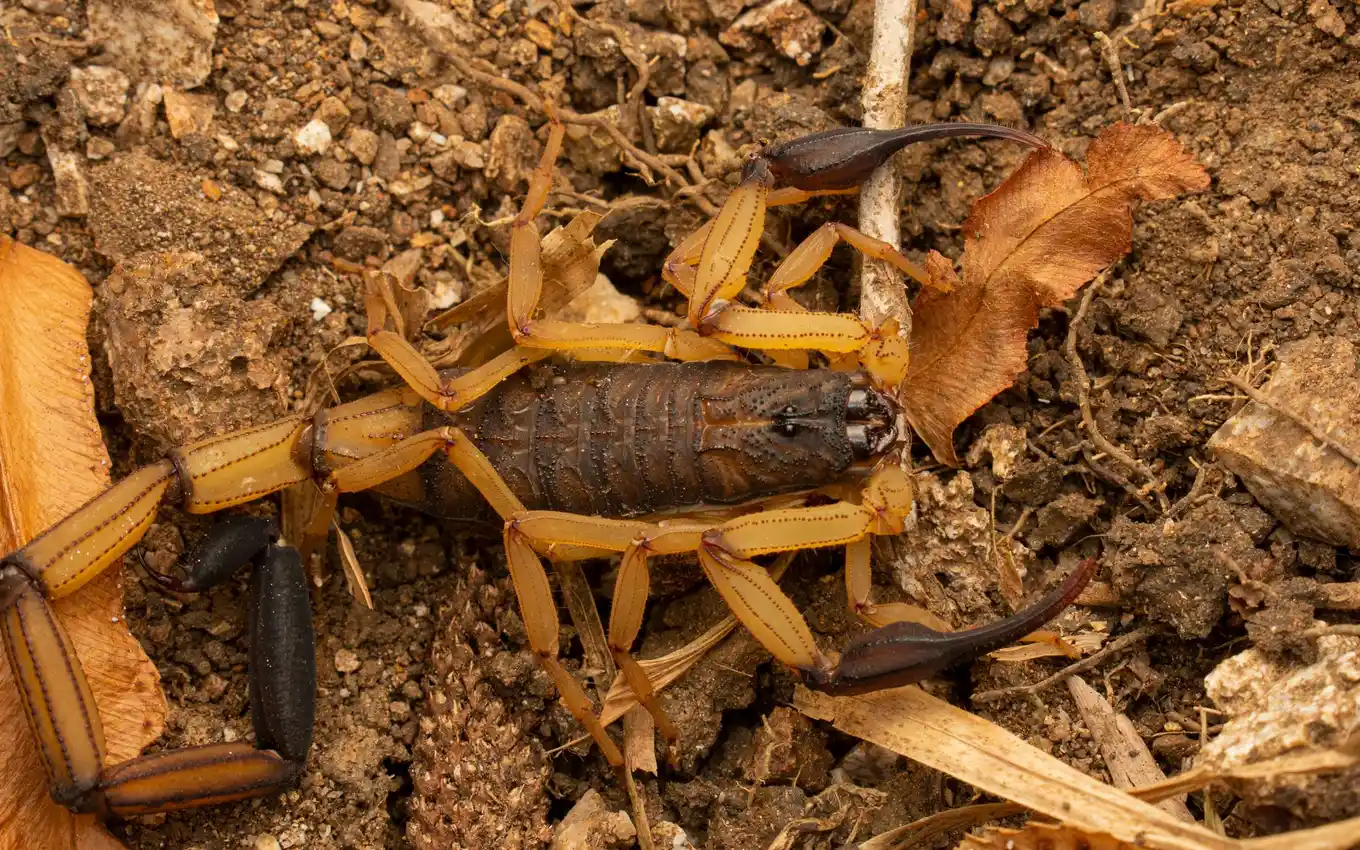
Scorpion control in West Al Baghdadiyah Jeddah
West Al Baghdadiyah is the seaward portion of Baghdadiyah, fronting the Arbaeen lagoon and Al Hamra corniche. Apartment buildings and older blocks stand on low, flat, very damp coastal ground. Year round sea humidity and stagnant water nearby create an insect rich environment where scorpions thrive.
-
Targeted, not broadcast
Product goes into cracks and runways, never sprayed across open surfaces.
-
Told before we start
What we will use, where it goes, and what to cover or move before we arrive.
-
A follow-up visit
We return after the first treatment, because what survives it does not show on the day.
-
Homes and businesses
Apartments and villas, and kitchens and stores that need a record of each visit.
Why they keep coming back in West Al Baghdadiyah
Scorpions in West Al Baghdadiyah are highly active because of the permanent moisture and the dense insect populations that live in this semi aquatic coastal setting. The method is set out in full on the full Scorpion control page.
Year round high sea humidity
The coastal setting provides very high permanent humidity. Stagnant water in depressions, channels and small wadis creates an ideal refuge for insects. Scorpions are highly active in this damp environment.
Stagnant water in the Arbaeen lagoon and drains
The Arbaeen lagoon lies very close and holds stagnant water. Old drainage channels and sewers also hold standing water. These attract insects in huge numbers and scorpions follow them directly into homes.
Low lying ground and old apartment blocks
The ground here is low and retains moisture and water. Older buildings have weak foundations with large cracks. Water seeps in and scorpions enter through these gaps with ease.
The character of West Al Baghdadiyah
Coastal area: high humidity and salt air through the year
The coastal character here means very high permanent humidity and an insect rich environment. Scorpions are more active and pesticide application needs careful timing and precision. Sealing gaps is harder because damp ground shifts. Repeated regular treatment is essential here.
What we check outside before we go in
A coastal zone on low lying ground near the Arbaeen lagoon and Al Hamra corniche. High sea humidity throughout the year. Stagnant water in depressions and drainage channels draws insects in large numbers.
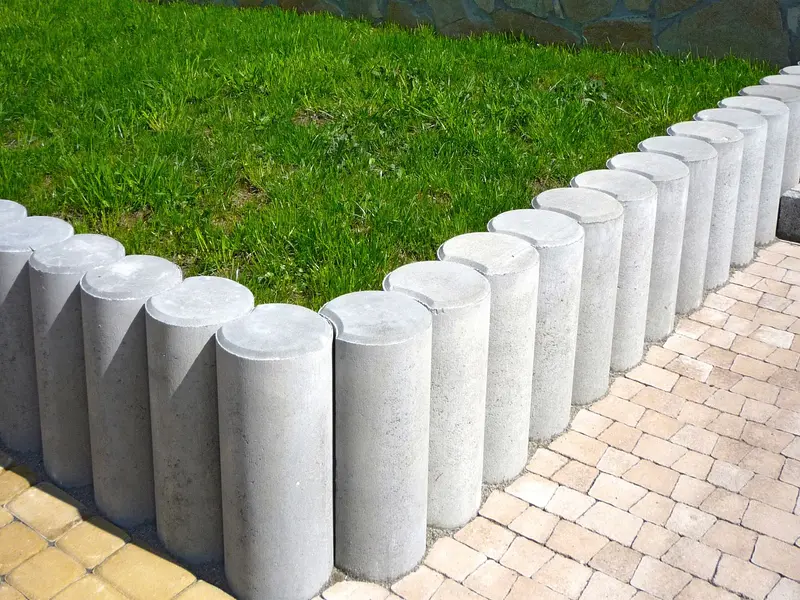
Wall joints and boundary walls
Joints between foundations and damp ground are poorly sealed. Stagnant water penetrates these gaps and scorpions follow the water and insects.
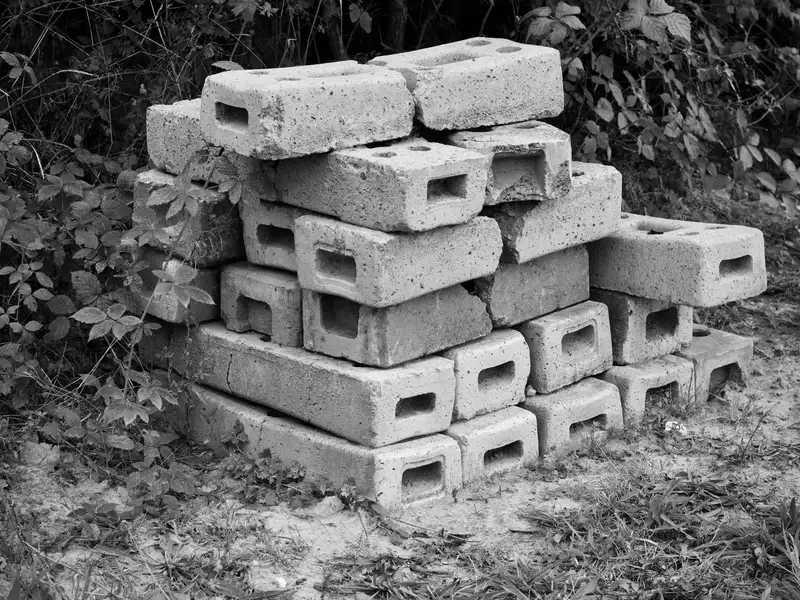
Rubble and stacked block
Old piles of debris around foundations provide excellent shelter for scorpions in this damp setting.
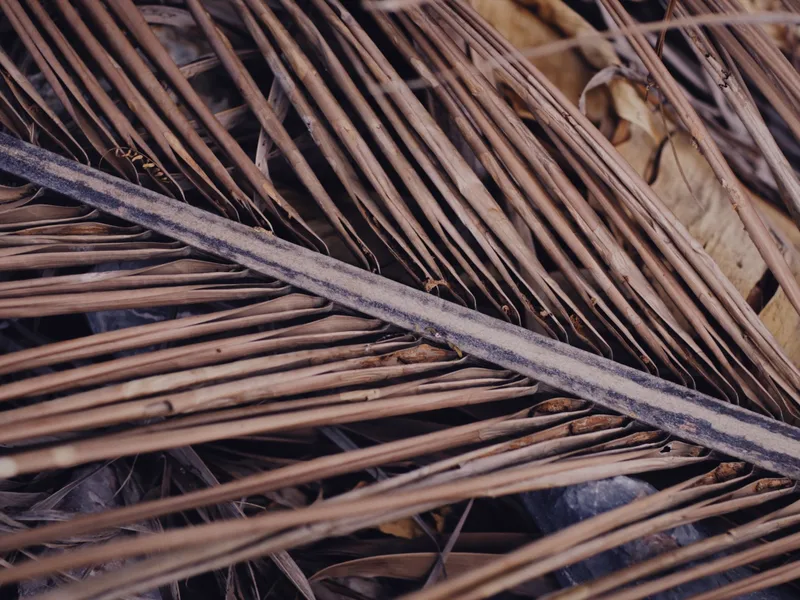
Palm fronds and garden litter
Leaves and litter from the nearby corniche accumulate around walls. Scorpions hide beneath them.
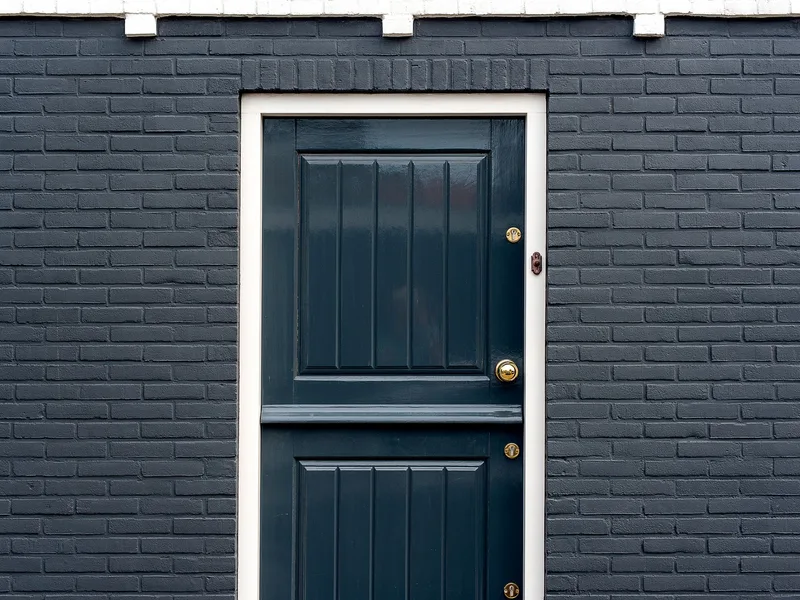
The gap under the door
Gaps under doors are wide and the damp ground underneath settles unevenly. Scorpions enter with great ease.
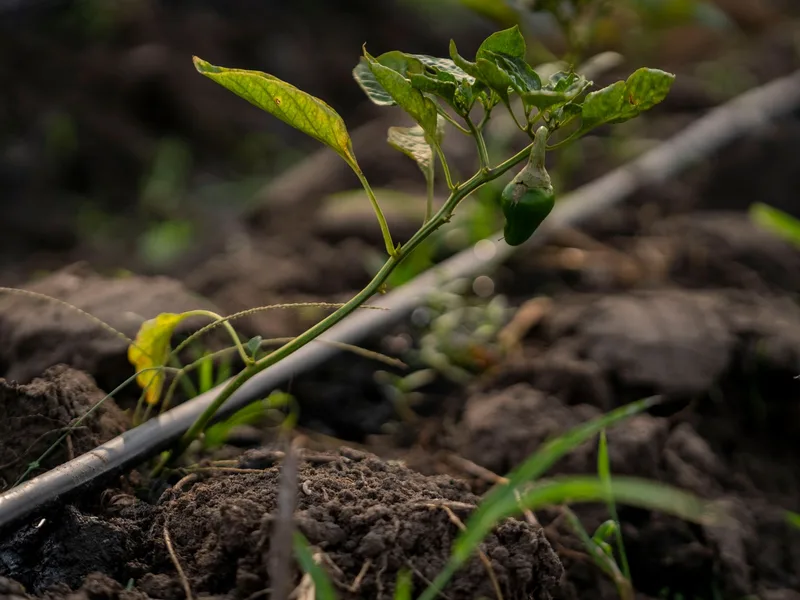
Irrigation and damp soil
Irrigation and stagnant water create permanently damp soil around foundations, supporting many insects and keeping scorpions in constant activity.
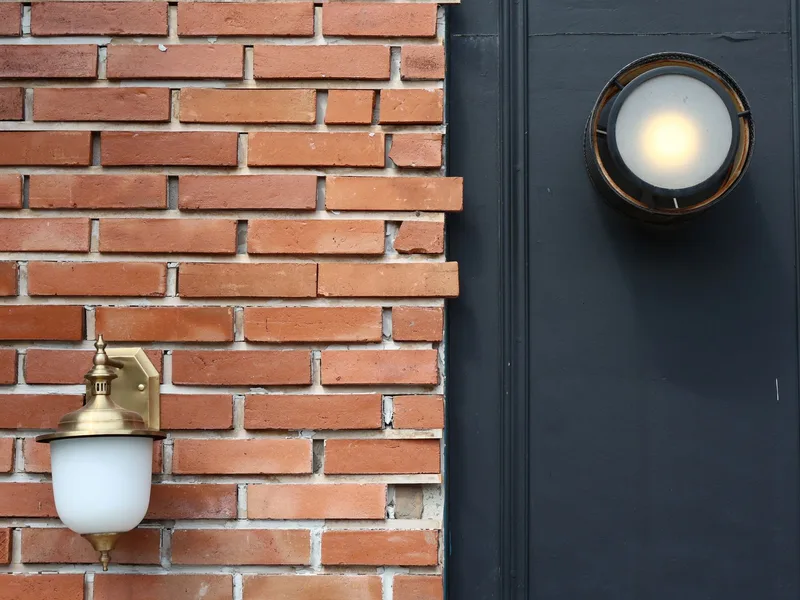
The light by the door
Lights at entrances attract huge insect numbers because of the moisture and water present, and scorpions follow them to the doors.
How we work
-
1
Night survey and perimeter inspection
We walk the perimeter after dark with an ultraviolet lamp, which makes a scorpion show up against wall and soil, and we record the harbourage, the ways in and how much prey is present.
-
2
Treat the harbourage and the building edge
Dust into the wall joints and the dry voids, and a targeted band tight against the foundation and around openings, because the material holds longer on a porous surface than on tile.
-
3
Close the ways in and remove the prey
A sweep under the doors, sealing where air-conditioning and drain pipes pass through, mesh over openings, and treatment of the cockroaches and insects it feeds on, so the reason to come in goes with them.
-
4
The follow-up visit
A scorpion can sit in its harbourage for weeks without moving, so the first pass does not always reach it. We come back to refresh the perimeter band and check what has appeared since.
What scorpion control includes
-

A night survey with an ultraviolet lamp
A walk of the perimeter after dark that fixes the harbourage and the entry routes before anything is applied.
-

Targeted perimeter and joint treatment
A band against the foundation, plus wall joints and cracks, never open floors or where children play.
-

Sealing openings and pipe entries
Drain openings, the points where air-conditioning pipes pass through, and mesh on shafts, which are the routes actually used.
-

Treating what it feeds on
Placed bait for cockroaches at entrances and service areas, because cutting the food supply reduces visits more than repeating a spray.
-

Aftercare instructions
What to lift out of the yard, where to move the outside light, and the ventilation time for your situation, which we give you on site.
-

A scheduled follow-up
A set date after the first treatment, a refreshed perimeter band and a check of anything new around it.
Landmarks of West Al Baghdadiyah
West Al Baghdadiyah sits between the Arbaeen lagoon and Al Hamra corniche on one side and Madinah Road on the other. Treatment focuses on buildings closest to the lagoon where moisture and insects are heaviest, and on flats along Madinah Road where drainage pipes and water mains run.
- Arbaeen Lagoon
- Al Hamra Corniche
- Madinah Road
- Port Bridge Road
- Al Juffali Mosque
Questions about this district
Does high sea humidity weaken the strength of the pesticide?
The pesticide is formulated for very damp climates. However high humidity does mean scorpions are more active and move more. Applying pesticide during relatively dry periods works better than during very humid periods.
Is treating one flat enough or must other flats also be treated?
Your treatment protects your unit but the whole quarter is at risk. If you coordinate with neighbours to treat together the problem drops sharply. Insects and scorpions move between units with ease.
Must every gap and opening be sealed or is pesticide treatment sufficient?
Both are necessary. Pesticide kills but gaps allow new entry. Sealing gaps around foundations, windows and doors reduces entry. Combining both methods works best.
How many times yearly must a flat in West Al Baghdadiyah be treated?
Three treatments per year may be necessary here because of high humidity and dense insect populations. Treatment in spring, summer and autumn. Winter is usually quieter.
Is the old sewerage network in the quarter the reason scorpions appear?
The old network provides pathways for water, insects and scorpions. Stagnant water in old pipes attracts many insects. Scorpions follow these routes into residential units.
Is treating shared corridors necessary or should I focus only on my flat?
Shared corridors are very important here. Insects and scorpions move through corridors and stairs with ease. Treating both corridors and your flat together is far more effective than treating only the flat.
How much does scorpion control in West Al Baghdadiyah cost?
It is set after the inspection, because the price follows the type of infestation, the size of the space, how far it has spread and the number of visits it needs. Send a photo and a description on WhatsApp and we will give you an estimate before we reach West Al Baghdadiyah.
Nearby districts we cover
Other services in West Al Baghdadiyah
Other services we provide to residents of West Al Baghdadiyah.
-
 Residential
Cockroach control
-
 Residential
Bed bug control
-
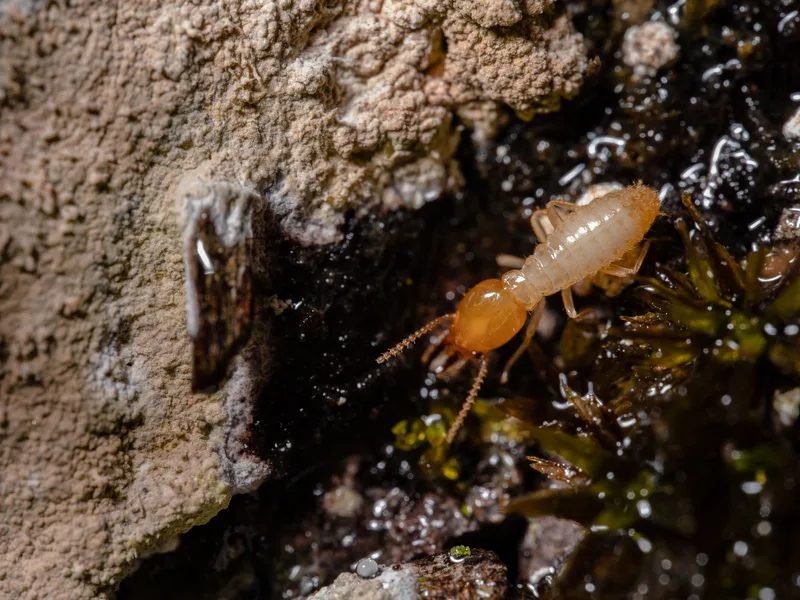 Residential
Termite control
-
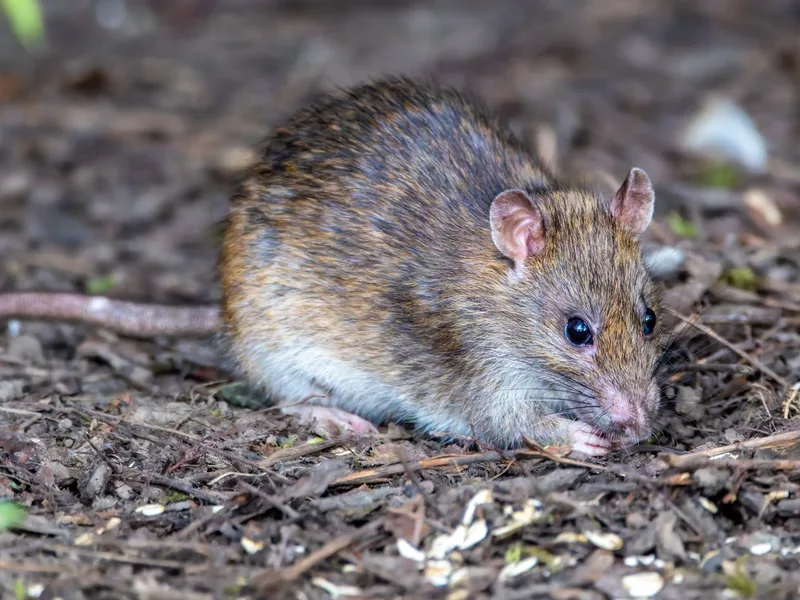 Residential
Rodents and mice
Need scorpion control in West Al Baghdadiyah? Tell us what you saw and we will tell you what it needs
We reach West Al Baghdadiyah at a time we agree, and you get the full cost before we start.