
Snake control in Hatim Makkah
Hatim is open farmland where orchards and market gardens sit among widely scattered rural houses, and wadi channels cut through the area carrying floods and damp ground after the rains. This mix of dispersed settlement and raw land means snakes here follow a varied food source from rodents, frogs and insects across multiple properties, not confined to a single house or yard.
-
Targeted, not broadcast
Product goes into cracks and runways, never sprayed across open surfaces.
-
Told before we start
What we will use, where it goes, and what to cover or move before we arrive.
-
A follow-up visit
We return after the first treatment, because what survives it does not show on the day.
-
Homes and businesses
Apartments and villas, and kitchens and stores that need a record of each visit.
Why they keep coming back in Hatim
A rural house here may be surrounded by wide open ground on all sides. A snake does not restrict itself to one gate or one known gap. It can approach from any direction where the food is. The method is set out in full on the full Snake control page.
Orchards and market gardens provide permanent food
Rodents, frogs and insects that live in the date palms and vegetable plots surrounding the rural house are what draw snakes in the first place. If you have an orchard or productive garden beside the house you are certainly providing a larder for the snake without realising it. Treating the house alone is not enough if the farm remains a haven for rodents and small creatures.
Wadis and damp ground after the rains
Wadi Al Sharai and Wadi Al Mughammas carry flood water and deposit silt around the scattered houses after every rainfall. This moisture attracts insects and rodents in turn, and those attract snakes. Gaps under the foundation and cracks in walls become open passages during the rainy season when the ground round the house is wet and attractive to every creature the snake might follow.
Vacant plots and ongoing excavation nearby
Hatim has unbuilt schemes and land under construction beside occupied houses. Continuous digging and fill work disturbs snakes from their burrows and sends them toward the neighbouring homes. A rural house here may find itself surrounded by building sites that drive animals toward it from every direction at once.
Hatim on the map
Hatim sits about 2 km from Thaniyah and about 3 km from Barakah.
Open in Google MapsWhat the site tells us before we start
The Makkah to Taif Expressway cuts through Hatim, villages and date palm farms extend eastward toward Jabal Laban, and Wadi Al Sharai runs between the houses leaving damp silt after seasonal spates.
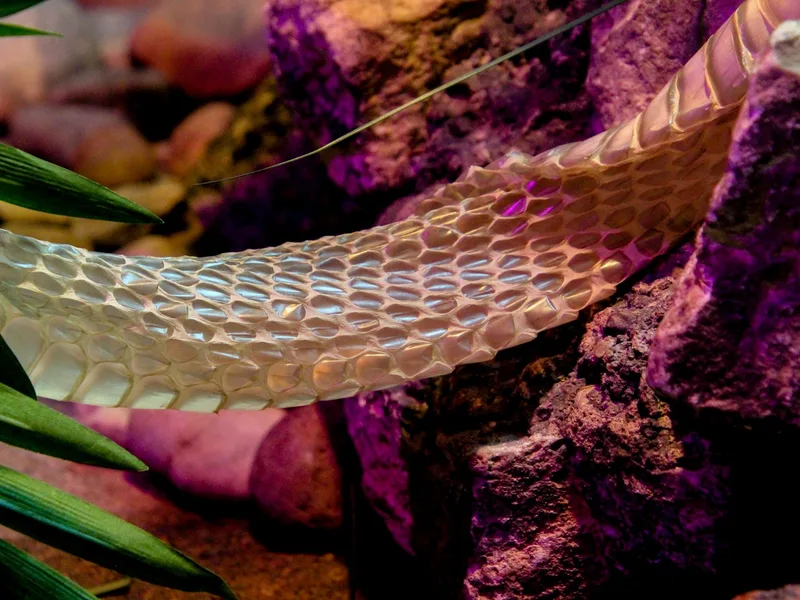
A shed skin
A shed skin near the foundation or close to a water outlet shows a snake has taken shelter in the house looking for coolness or dampness.
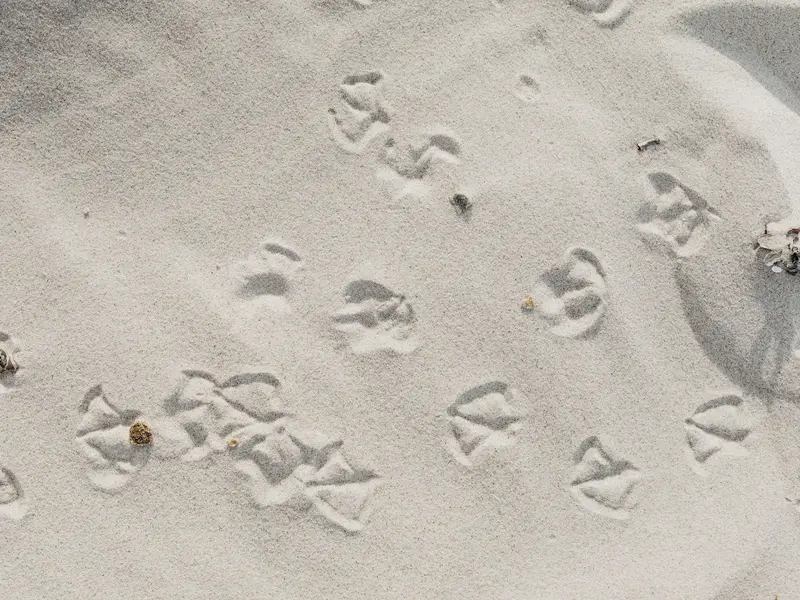
The track in the sand
Drag marks on sand around the house and farmland reveal the routes the snake uses, especially between dusk and dawn.
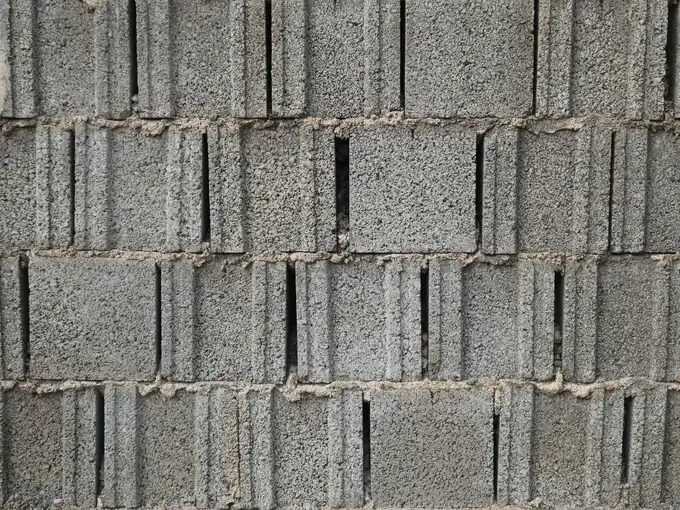
Block and rubble piles
Piles of block and stone at building sites and excavations nearby provide ideal shelter for snakes moving between the scattered houses.
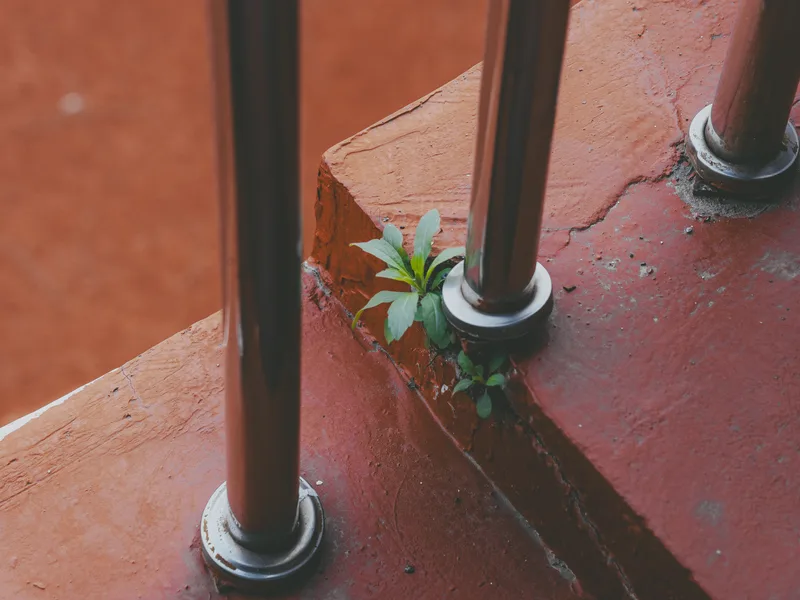
The gap under the gate
The gap beneath the rural gate and cracks around the wooden frame are direct passages for the snake from open ground into the house.
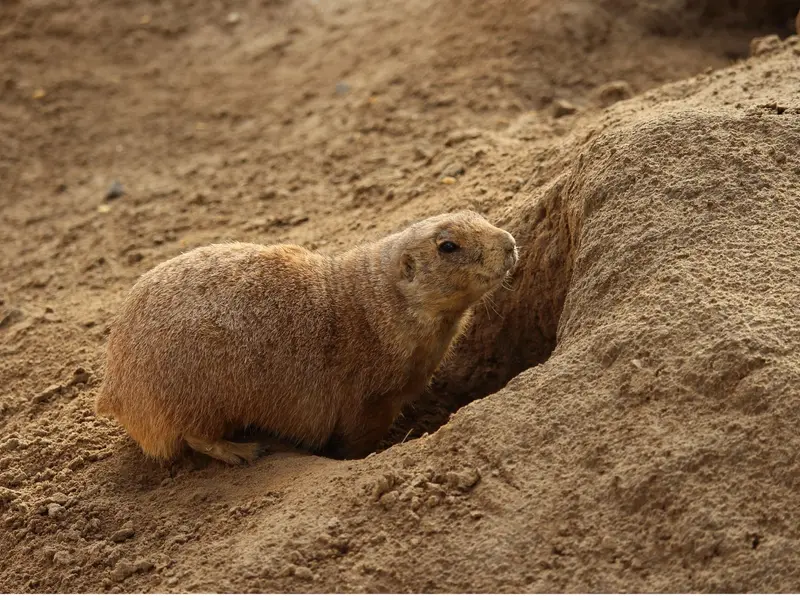
Rodent burrows
Rodent burrows under the foundation and throughout the garden provide the snake with food and a direct reason to remain close to the house.
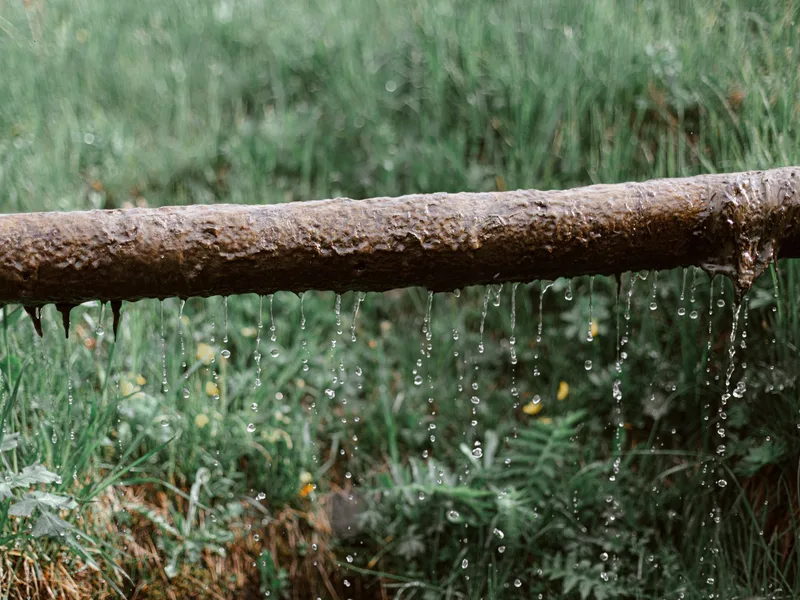
A leaking irrigation line
A leaking irrigation line from the tank or around the date palms creates damp soil that draws insects, frogs and rodents which the snake follows.
How we work
-
1
Inspect and locate
We work the perimeter, the garden and the service rooms with a torch and a mirror, reading the tracks, the skins and the burrows to establish whether it is still on site and where it came in.
-
2
Safe removal
It comes out on a hook and tongs into a closed container and is released away from buildings where that is possible, with no chasing it around a room.
-
3
Close the routes, take away the shelter
A strip under the gate, sleeves around pipe entries, tight covers on the floor drains, and the blocks and palm fronds moved off the wall line.
-
4
Cut the food, then come back
We treat the rodents and the geckos on the perimeter, then return once that activity has settled to check the sealed points and look for any fresh track.
What snake control includes
-

A recorded site inspection
Perimeter, garden, service rooms and pipe entries, with tracks and skins recorded before anything is applied.
-

Drains and entries closed
Tight covers on floor drains, sleeves around waste and air conditioning pipe runs, and the weep holes in the boundary wall closed.
-

Rodent work around the building
Closed bait stations on the rodent runs, because cutting the prey is what makes the site stop suiting them.
-

Perimeter treatment down the food chain
Insects on lit walls hold the geckos, and geckos feed some species, so we treat the chain from the bottom up.
-

A perimeter housekeeping list
What to move off the wall line, how low to cut the ground cover, where the lighting sits, and what to do if you see another one.
-

A scheduled follow-up
A set date to check the sealed points, the rodent stations and any new track in the sand.
What is different about Al Sharai Sub-Municipality
Al Sharai is the eastern growth front of Makkah along King Faisal Road and the Taif road. Settled quarters sit beside recently renamed schemes where plots are still vacant and buildings are going up, so construction sites, fill and open excavations lie next to occupied homes. Wadi channels such as Wadi Mudarraja, Wadi Al Sharai and Wadi Al Mughammas carry flash floods after rain and dry out to damp silt, while dust blows off the open hills. Roadside shops, restaurants and warehouses line the Taif road, and to the east the area shades into villages, palm farms and springs.
Questions about this district
Our hamlet is small and remote. Exactly how did the snake get into the house?
The open ground and farms around the house offer dozens of entry points: cracks under the foundation, gaps beneath gates, weeping irrigation lines, holes around pipes and cable conduits. The snake enters wherever it finds food and water, and you may not spot the small holes until after it has already come in.
Does distance from the roadside shops and restaurants on the Taif road protect us?
The shops and eateries on the road are near some of the rural houses in Hatim and they leave food scraps that attract rodents and birds. If your house is on the western side closer to the road you are surrounded by food sources that encourage snakes to stay nearby.
Is water from wells and springs near the hamlet the root cause of snakes here?
Springs and wells provide fresh water that draws rodents, frogs, insects and geckos before it draws snakes. If your well leaks or your garden is watered regularly you create a damp environment that attracts every creature the snake might follow.
Do rocky outcrops and hillside near the house provide better snake shelter than occupied homes?
Jabal Laban to the east and scattered rocks offer natural shelters and snakes use them in hot and cold seasons alike. If your house sits near hillsides or steep ground you may find snakes coming down from the slopes to hunt for food below.
Do seasonal floods in the wadi drive snakes from deep in the ravine toward houses?
Floodwater carries small animals from deep in the wadi channel and when it drains it leaves damp silt around the houses. Some snakes survive the flood by fleeing toward the nearest occupied homes and they stay if they find food.
After removing a snake, how do we seal the exact gaps and passages it used to enter?
We need to find and close all gaps under the foundation, beneath gates, around pipes and cable conduits, and block each one with hard material a snake cannot breach. This sealing is essential because the snake will not attempt entry if no opening exists.
How much does snake control in Hatim cost?
It is set after the inspection, because the price follows the type of infestation, the size of the space, how far it has spread and the number of visits it needs. Send a photo and a description on WhatsApp and we will give you an estimate before we reach Hatim.
Other services in Hatim
Other services we provide to residents of Hatim.
-
 Residential
Cockroach control
Residential
Cockroach control
-
 Residential
Bed bug control
Residential
Bed bug control
-
 Residential
Termite control
Residential
Termite control
-
 Residential
Rodents and mice
Residential
Rodents and mice
-
 Residential
Mosquito control
Residential
Mosquito control
-
 Residential
Fly control
Residential
Fly control
-
 Residential
Ant control
Residential
Ant control
-
 Residential
Gecko control
Residential
Gecko control
-
 Residential
Scorpion control
Residential
Scorpion control
-
 Residential
Flea control
Residential
Flea control
-
 Residential
Bird and pigeon control
Residential
Bird and pigeon control
-
 Residential
Preventive treatment
Residential
Preventive treatment
-
 Residential
Disinfection
Residential
Disinfection
-
 Commercial
Annual contracts
Commercial
Annual contracts
-
 Commercial
Restaurants and cafes
Commercial
Restaurants and cafes
-
 Commercial
Hotels and apartments
Commercial
Hotels and apartments
-
 Commercial
Warehouses and factories
Commercial
Warehouses and factories
-
 Commercial
Schools and nurseries
Commercial
Schools and nurseries
-
 Commercial
Retail and malls
Commercial
Retail and malls
-
 Commercial
Rest houses and farms
Commercial
Rest houses and farms
-
 Commercial
Fumigation
Commercial
Fumigation
-
 Water tanks
Water tank cleaning
Water tanks
Water tank cleaning
-
 Water tanks
Water tank sterilization
Water tanks
Water tank sterilization
-
 Water tanks
Water tank sealing
Water tanks
Water tank sealing
-
 Water tanks
Tank leak repair
Water tanks
Tank leak repair
Need snake control in Hatim? Tell us what you saw and we will tell you what it needs
We reach Hatim at a time we agree, and you get the full cost before we start.