
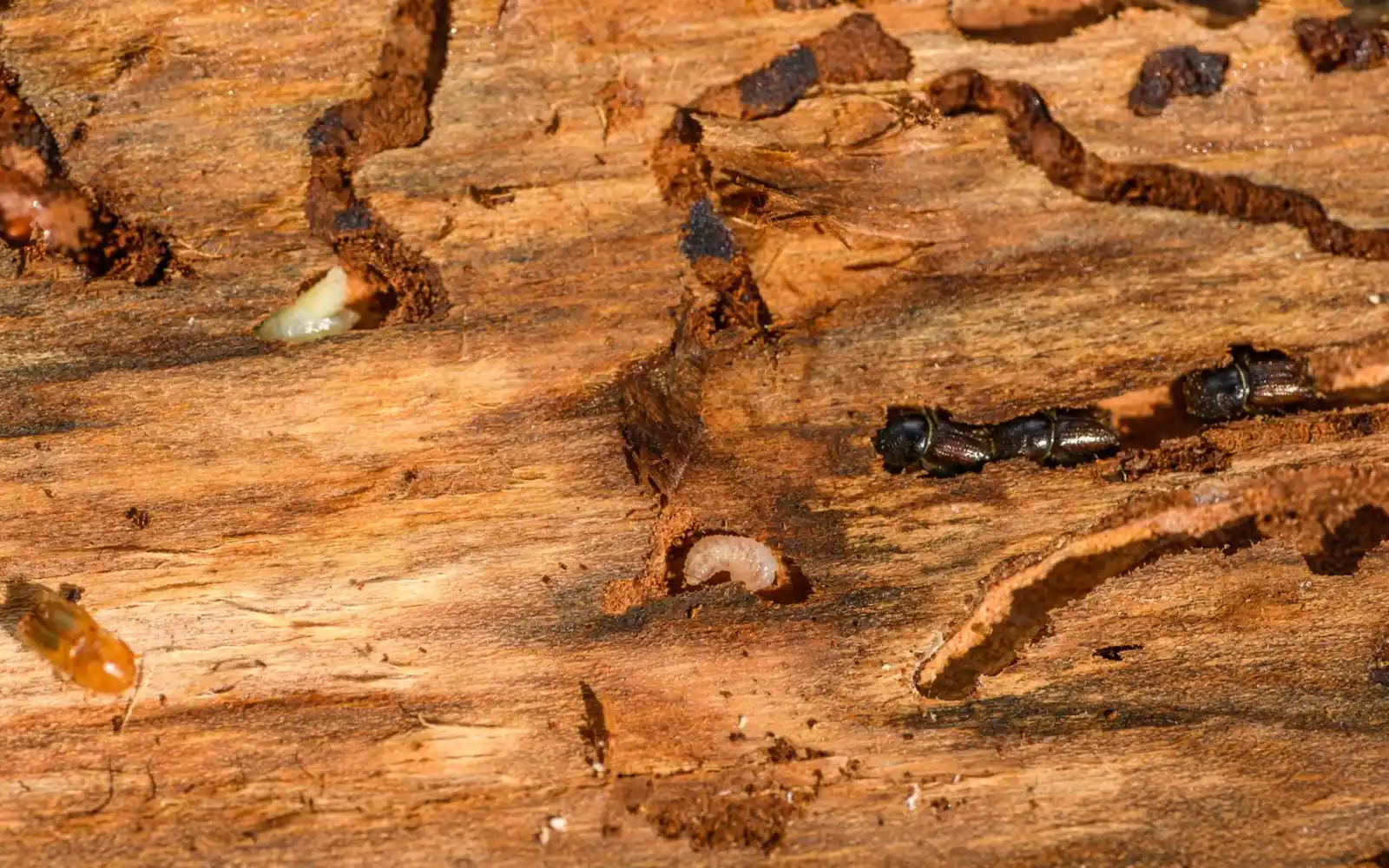
Termite control in Al Qararah Wa Al Naqa Makkah
Al Qararah Wa Al Naqa is an old quarter north east of the Grand Mosque, now mixed with newly built housing schemes on the same ground. Building is ongoing, earth is being dug and filled, and dormant colonies deep in the original soil have awakened because of major changes to ground levels and drainage patterns beneath the neighbourhoods.
-
Targeted, not broadcast
Product goes into cracks and runways, never sprayed across open surfaces.
-
Told before we start
What we will use, where it goes, and what to cover or move before we arrive.
-
A follow-up visit
We return after the first treatment, because what survives it does not show on the day.
-
Homes and businesses
Apartments and villas, and kitchens and stores that need a record of each visit.
Why they keep coming back in Al Qararah Wa Al Naqa
Digging has not stopped in this place for years, and the displaced and recompacted earth moves dormant colonies up from deep in the soil. Each new foundation hole may unearth colony activity that had never been seen before on the surface. The method is set out in full on our Termite control service.
Soil disturbed by excavation and filling awakens old dormant colonies
The district is under heavy building pressure, and deep digs breach the soil layers where old colonies lay dormant and inactive. Each new excavation and each layer of fill changes the balance of moisture and air below ground, forcing colonies to seek new pathways upward toward the new buildings.
The Rua Al Haram redevelopment reshapes old foundations and underground passages
The major project leaves the parts nearest the mosque in a state of transition: old footings are demolished, pipes are relocated and soil is moved from place to place. This mixture of old and new creates unexpected routes for termites to follow.
The Grand Mosque Road slopes steeply down, funnelling rainwater to the footings
The road descends rapidly toward Al Mualla, meaning every storm drain races downslope toward the old footings and gaps beneath the street. This constant runoff saturates the soil deeply and creates an ideal setting for colonies already present there to spread.
Al Qararah Wa Al Naqa on the map
Al Qararah Wa Al Naqa sits about 0.5 km from Shaib Amir Wa Shaib Ali and about 0.5 km from Harat Al Bab Wa Al Shamiyah.
Open in Google MapsThe evidence that decides the treatment
An old quarter adjacent to new housing schemes, soil repeatedly excavated and filled, Rua Al Haram redevelopment covering parts of it, and the Grand Mosque Road sloping down toward Al Mualla with every rain.
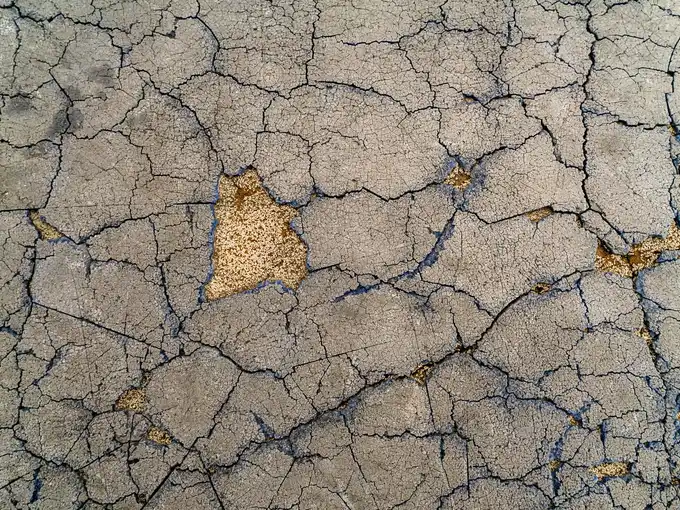
Mud tubes
Mud tubes appear faster here because moisture from excavations and fills is high, and they may be hidden under heaps of soil and sand from the building work.
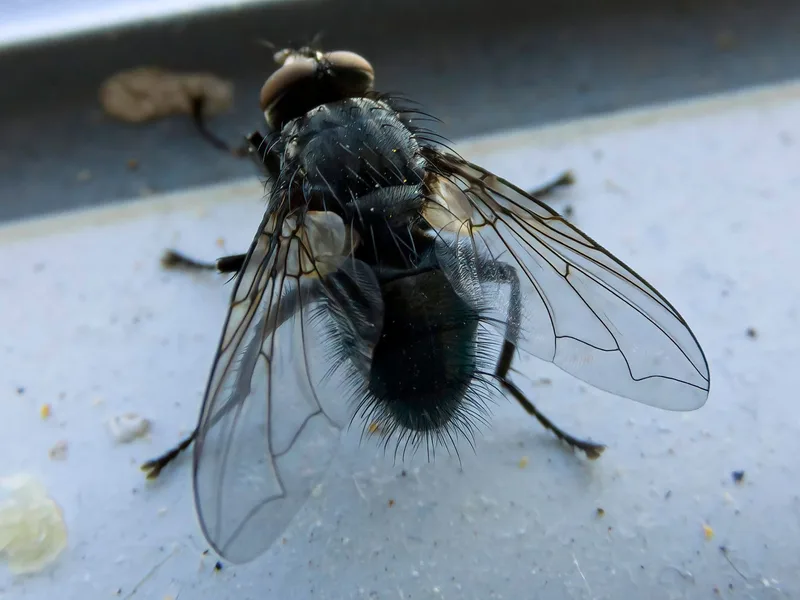
Shed wings
Shed wings are rare on the open ground here because most of the site is exposed, but we may find them in temporary shelters and storage sheds.
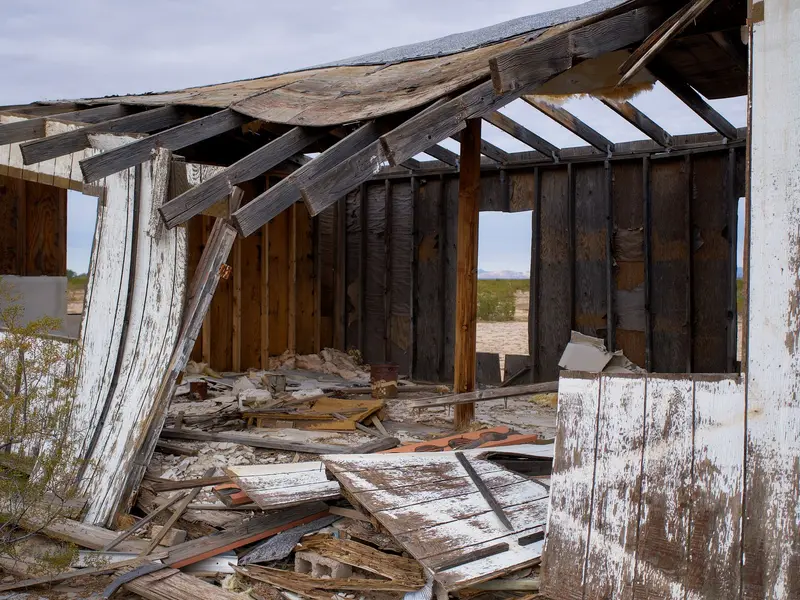
Hollow timber
Hollow timber starts in the timber staging and bracing used during construction, which is constantly exposed to moisture from the wet digs and recompacted soil.
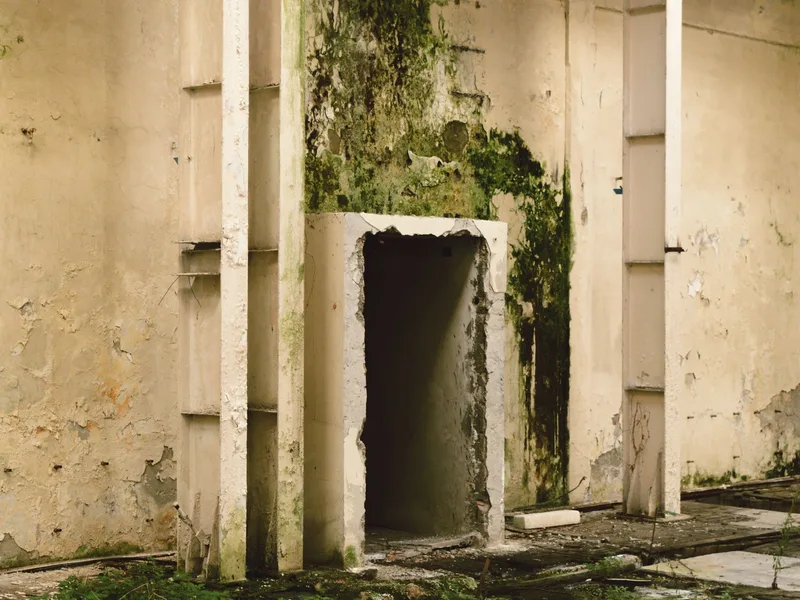
The water source
The complex water source here includes seepage from wet excavations, storm water pooling in the disturbed ground and unevenly compacted soil holding pockets of moisture.

Cellulose on the floor
Cellulose on the floor includes any temporary timbers used in construction and wooden supports for old pits that have not yet been removed.
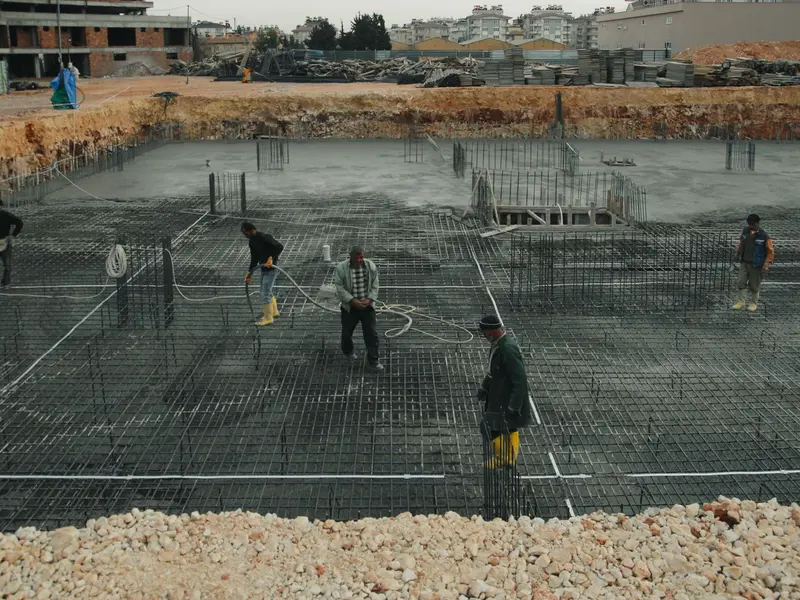
Joints and pipe entries
Joints and pipe entries are complex here because new building cuts through old structure, and abandoned old pipes may run beneath the soil offering ready pathways for termites to follow.
How we work
-
1
Inspect and trace
We sound the timber and the skirting, take moisture readings, and follow the tubes to the point where they leave the soil. We also settle the species, because one that lives inside dry wood is not treated like one that lives in the ground.
-
2
Treat the soil around the building
A narrow trench at the footing and injection at regular spacing, so the treated band runs continuous with no gap to walk around.
-
3
Drill the joints, inject the timber
Small holes at spacing along the slab joints, the wall bases and the pipe entries, direct injection into the galleries inside the affected timber, then the holes are closed and made good.
-
4
Bait stations and monitoring
Stations in the soil carrying a slow-acting material the workers pass through the colony by mouth-to-mouth feeding, and we come back to read them, because an empty tube on a wall proves nothing on its own.
What termite control includes
-

A traced, recorded inspection
Sounding, moisture readings, tubes traced back to the soil, and the species settled before anything is applied.
-

A treated band at the perimeter
Trenching and injection at the footing, spaced so the band is continuous rather than a set of patches.
-

Joints and service penetrations
Slab joints, pipe entries and floor drains, which are the ways up through the concrete.
-

Bait stations in the soil
A slow material carried back through the colony by feeding exchange, rather than stopping the workers at the wall.
-

Aftercare instructions
What not to dig or water near the treated band, what to keep off the walls, and the ventilation time we set for your case.
-

Scheduled monitoring visits
Reading the stations, sounding the same timber again, and treating any new activity.
The character of Al Qararah Wa Al Naqa
New development: ongoing construction and vacant plots between the homes
A new development means building never stops and soil is constantly changed. This continuous disturbance awakens old dormant colonies and opens new routes for every excavation pit. Monitoring here is more critical than in stable districts because the environment never stops changing.
Questions about this district
Will colonies in the old part of Al Qararah move to the new housing schemes?
Very likely, if the new foundations are close by. New digs may open direct pathways for colonies underground. Separating the old from the new is essential, and we often recommend a treatment barrier between the two zones.
Are new buildings founded deeper than the old ground level more at risk?
Yes, because deeper digs expose soil layers that have never been disturbed, and they may hold dormant colonies. Deeper new footings become more vulnerable to entry from both sides of the excavation.
Is the treatment different for old undisturbed soil and soil that has been filled?
Yes, disturbed soil needs different handling. Fill may not be uniform, and voids and pockets within it provide shelter for termites. We focus on deeper inspection and a wider treatment grid.
If Rua Al Haram is demolishing old footings, will that remove the termites?
Demolition may eliminate some local colonies, but soil beyond the site retains others at a distance. The excavation and fill generated by the project may awaken new colonies instead of ending them.
Can termites enter through a new foundation hole before it is filled with concrete?
Yes, this is a real risk. The gap between excavation and concrete pouring may see intense colony activity. We recommend preventive treatment of soil around new digs before the concrete is poured.
Do winter rains make the problem worse or reduce the risk?
Rains increase moisture, and this increases the district's appeal to colonies. The water flowing down the Grand Mosque Road deepens the problem around both old and new footings.
How much does termite control in Al Qararah Wa Al Naqa cost?
It is set after the inspection, because the price follows the type of infestation, the size of the space, how far it has spread and the number of visits it needs. Send a photo and a description on WhatsApp and we will give you an estimate before we reach Al Qararah Wa Al Naqa.
Nearby districts we cover
Other services in Al Qararah Wa Al Naqa
Other services we provide to residents of Al Qararah Wa Al Naqa.
-
 Residential
Cockroach control
Residential
Cockroach control
-
 Residential
Bed bug control
Residential
Bed bug control
-
 Residential
Rodents and mice
Residential
Rodents and mice
-
 Residential
Mosquito control
Residential
Mosquito control
-
 Residential
Fly control
Residential
Fly control
-
 Residential
Ant control
Residential
Ant control
-
 Residential
Gecko control
Residential
Gecko control
-
 Residential
Scorpion control
Residential
Scorpion control
-
 Residential
Snake control
Residential
Snake control
-
 Residential
Flea control
Residential
Flea control
-
 Residential
Bird and pigeon control
Residential
Bird and pigeon control
-
 Residential
Preventive treatment
Residential
Preventive treatment
-
 Residential
Disinfection
Residential
Disinfection
-
 Commercial
Annual contracts
Commercial
Annual contracts
-
 Commercial
Restaurants and cafes
Commercial
Restaurants and cafes
-
 Commercial
Hotels and apartments
Commercial
Hotels and apartments
-
 Commercial
Warehouses and factories
Commercial
Warehouses and factories
-
 Commercial
Schools and nurseries
Commercial
Schools and nurseries
-
 Commercial
Retail and malls
Commercial
Retail and malls
-
 Commercial
Rest houses and farms
Commercial
Rest houses and farms
-
 Commercial
Fumigation
Commercial
Fumigation
-
 Water tanks
Water tank cleaning
Water tanks
Water tank cleaning
-
 Water tanks
Water tank sterilization
Water tanks
Water tank sterilization
-
 Water tanks
Water tank sealing
Water tanks
Water tank sealing
-
 Water tanks
Tank leak repair
Water tanks
Tank leak repair
Need termite control in Al Qararah Wa Al Naqa? Tell us what you saw and we will tell you what it needs
We reach Al Qararah Wa Al Naqa at a time we agree, and you get the full cost before we start.