
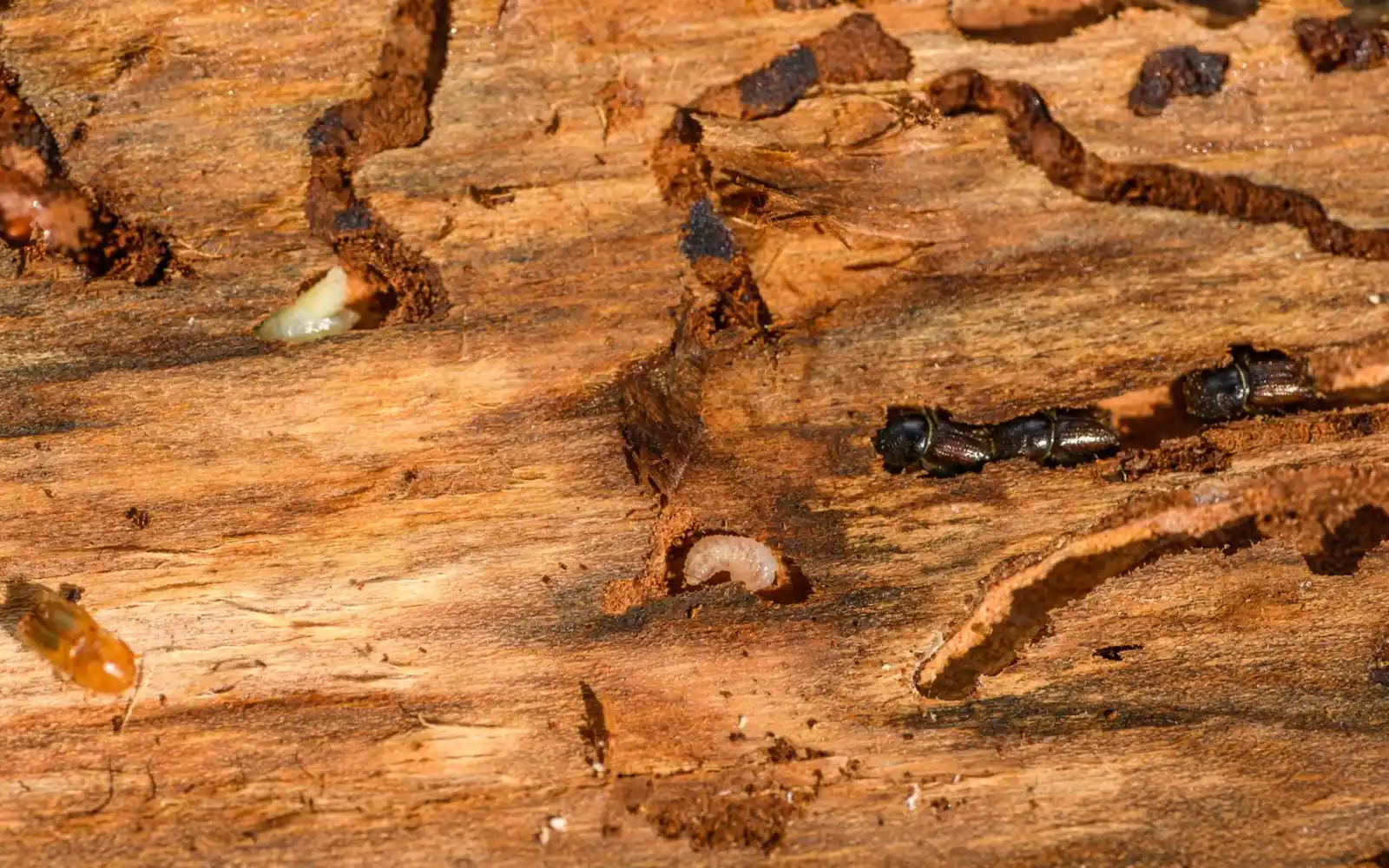
Termite control in Al Sharafiyah Jeddah
Al Sharafiyah is a commercial strip along King Fahd Road: offices, showrooms and storerooms, with apartment blocks rising above the shops. Termites target the wood in shelving, stored goods and ground level floors soaked with daily washdown water. Treatment here must protect both the building structure and the merchandise passing through it.
-
Targeted, not broadcast
Product goes into cracks and runways, never sprayed across open surfaces.
-
Told before we start
What we will use, where it goes, and what to cover or move before we arrive.
-
A follow-up visit
We return after the first treatment, because what survives it does not show on the day.
-
Homes and businesses
Apartments and villas, and kitchens and stores that need a record of each visit.
Why they keep coming back in Al Sharafiyah
Storerooms receive goods daily from various suppliers, not all careful about pest control, and wooden pallets, crates and shelving on damp floors invite termite entry with each delivery. The method is set out in full on our Termite control service.
Wooden shelving saturated by constant dampness
Shops and storerooms are washed daily and cooled by fans in humid Jeddah air. Wooden shelving, racks, pallets and cardboard stacked on bare concrete all absorb groundwater and condensation. Termites climbing from the soil find their way straight up the legs of racks and behind stored goods. Our barrier extends from the foundation into the shop space, protecting the bases of every shelf and racking system.
Tight aisles and limited access to corners
Merchandise fills every square metre, aisles are narrow, and many corners are blocked by stock. Treatment must avoid contaminating goods and damaging the business. We often work at night or early morning to treat inaccessible spots and prevent goods contact.
Incoming deliveries may carry infestations
Al Sharafiyah receives crates and pallets from distributors who may not check for termites. Each delivery is a potential vector. A shipment can introduce the colony into a shop that has been clear. We recommend a quarantine zone and inspection protocol for new arrivals, especially wooden pallets and crates.
The character of Al Sharafiyah
Commercial area: offices, showrooms and small stores
In a commercial zone, termites do not just eat walls; they eat the goods and the infrastructure moving stock. Shops receive deliveries daily, isolation between units is poor, and dampness from cleaning and cooling is constant.
The evidence that decides the treatment
A commercial district extending along King Fahd Road east of Al Hamra and Al Ruwais. Dense apartment blocks rise above ground floor shops, and it holds the King Saud Mosque, the largest in Jeddah, Dr Bakhsh Hospital and a campus of the University of Jeddah.
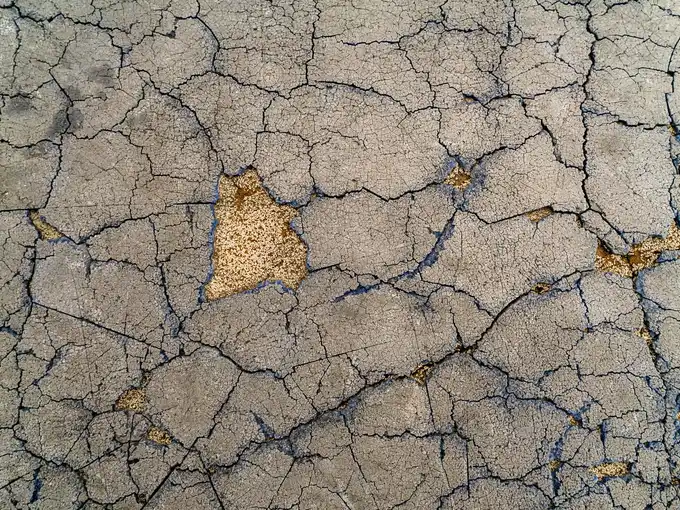
Mud tubes
Mud tubes in storerooms often go unnoticed on back walls and in dark corners where staff do not look regularly, and the tubes blend with dust and grime.
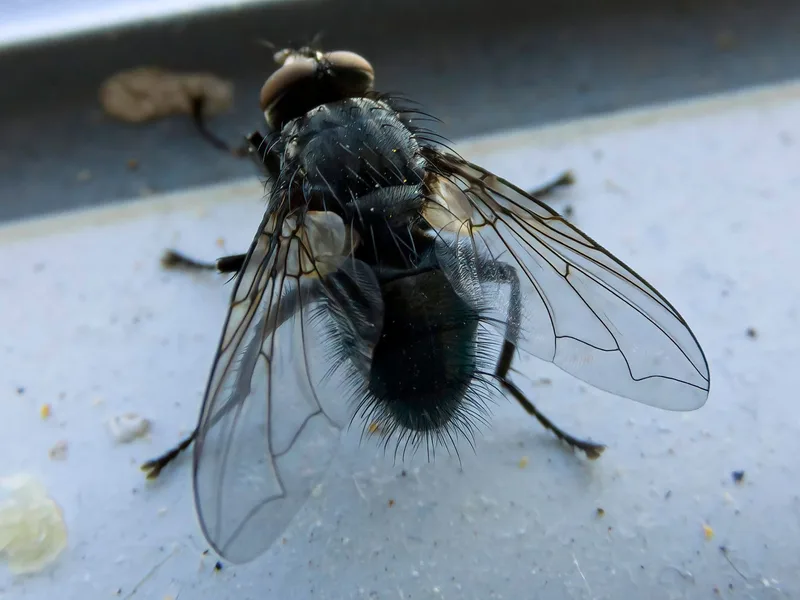
Shed wings
Shed wings in shops appear overnight or early morning in the least visible spots, and staff may mistake them for other debris.
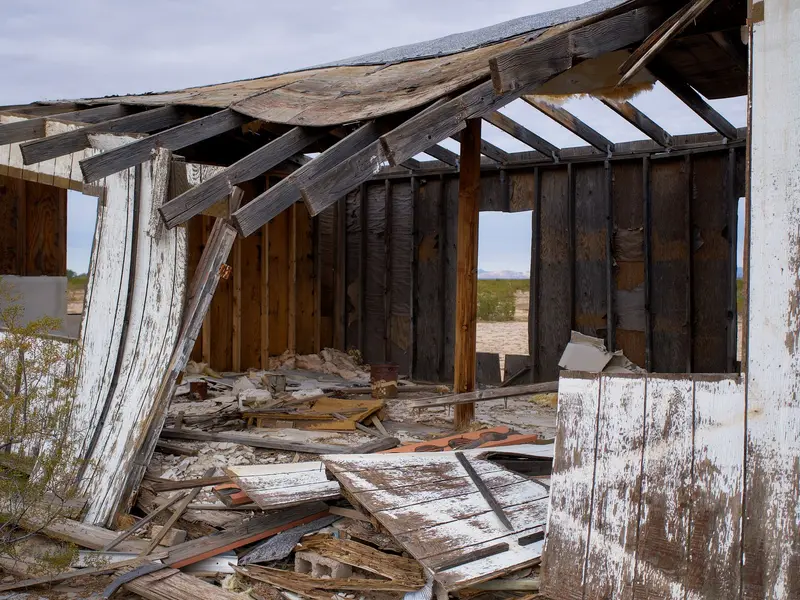
Hollow timber
Hollow timber in shelving and racks becomes dangerous if it collapses under load, so early detection is vital both for safety and for goods protection.
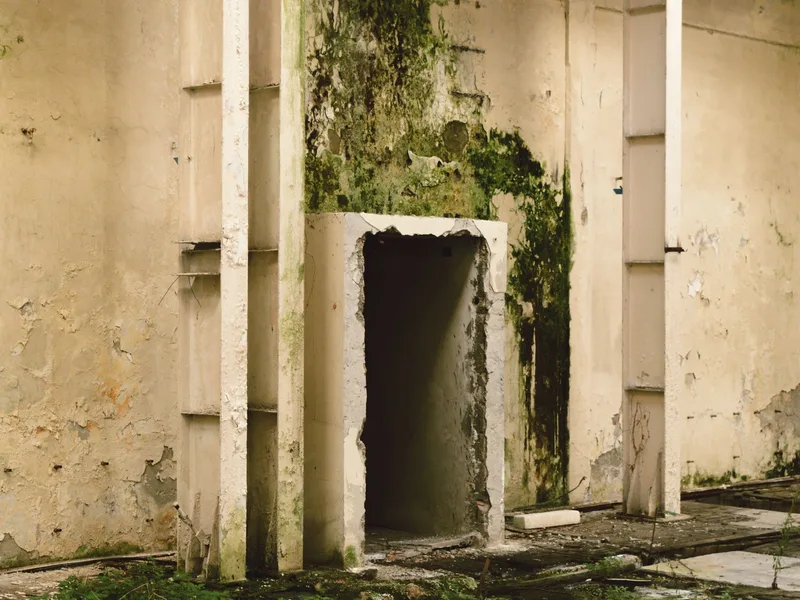
The water source
The water source in shops is the daily washdown, humid air from cooling systems, and poor drainage of water from upper floors, pooling at the base.
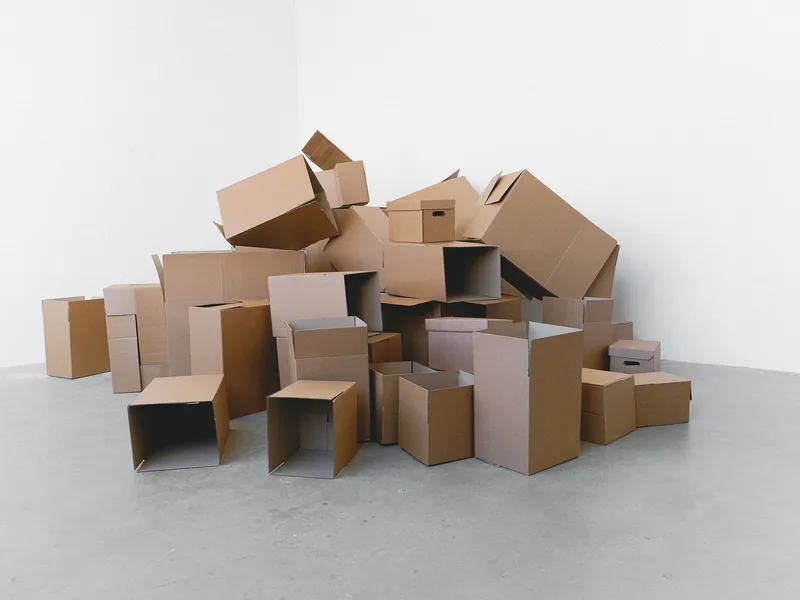
Cellulose on the floor
Cellulose on the floor may be wooden pallets under heavy goods, or old wooden boards embedded under new concrete finishes from earlier tenants.
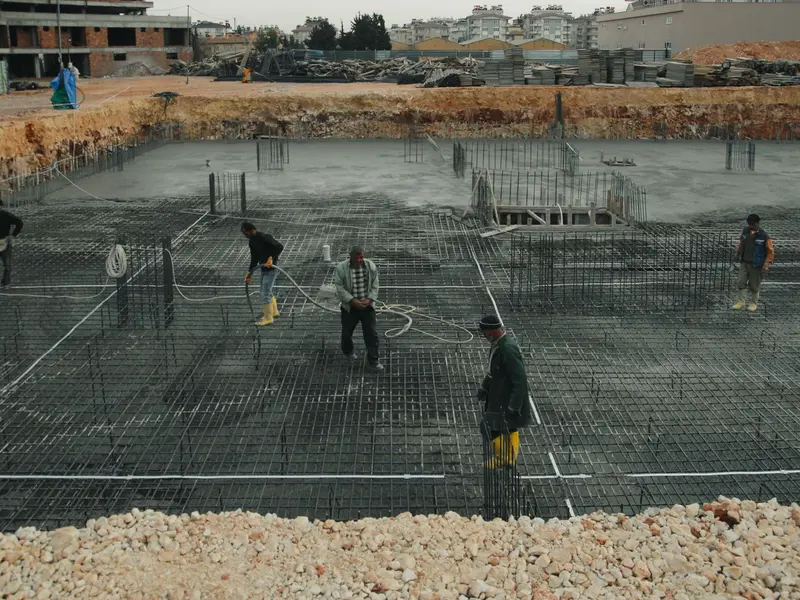
Joints and pipe entries
Joints and pipe entries in storerooms are often poor, with central water and drain risers passing through party walls and floor slabs with minimal sealing.
How we work
-
1
Inspect and trace
We sound the timber and the skirting, take moisture readings, and follow the tubes to the point where they leave the soil. We also settle the species, because one that lives inside dry wood is not treated like one that lives in the ground.
-
2
Treat the soil around the building
A narrow trench at the footing and injection at regular spacing, so the treated band runs continuous with no gap to walk around.
-
3
Drill the joints, inject the timber
Small holes at spacing along the slab joints, the wall bases and the pipe entries, direct injection into the galleries inside the affected timber, then the holes are closed and made good.
-
4
Bait stations and monitoring
Stations in the soil carrying a slow-acting material the workers pass through the colony by mouth-to-mouth feeding, and we come back to read them, because an empty tube on a wall proves nothing on its own.
What termite control includes
-

A traced, recorded inspection
Sounding, moisture readings, tubes traced back to the soil, and the species settled before anything is applied.
-

A treated band at the perimeter
Trenching and injection at the footing, spaced so the band is continuous rather than a set of patches.
-

Joints and service penetrations
Slab joints, pipe entries and floor drains, which are the ways up through the concrete.
-

Bait stations in the soil
A slow material carried back through the colony by feeding exchange, rather than stopping the workers at the wall.
-

Aftercare instructions
What not to dig or water near the treated band, what to keep off the walls, and the ventilation time we set for your case.
-

Scheduled monitoring visits
Reading the stations, sounding the same timber again, and treating any new activity.
Landmarks of Al Sharafiyah
Working across from the King Saud Mosque at the northern edge to Dr Bakhsh Hospital to the south east, Al Sharafiyah shops are reached easily via King Fahd Road, and treatment schedules are co-ordinated with the varied trading hours of food shops, showrooms and offices. The commercial corridor is continuous, so our perimeter defence protects the row as a whole against entry from the soil.
- King Fahd Road
- King Saud Mosque
- Dr Bakhsh Hospital
- Khalid ibn Al Walid Street
- Othman ibn Affan Street
- University of Jeddah (Al Sharafiyah campus)
Questions about this district
Is the chemical safe if the shop sells food or medicines?
Yes, the product is approved for occupied spaces when applied correctly. We focus the barrier on the ground slab perimeter and exterior, away from merchandise display and handling areas. We ask for temporary removal of goods from treated zones, followed by thorough cleaning of all surfaces.
If the stored goods are infested, can they be salvaged or must they be destroyed?
Termites eat wood and cellulose, not the goods themselves unless they are wooden. Infested wooden pallets and cardboard must be replaced, but contents in sealed containers or bags are usually safe if the containers are undamaged. Inspection of each type of stock is essential.
How long must the shop close during treatment?
Initial treatment takes one to two days, but precautions may require partial closures. We schedule work during night hours or on business closures whenever possible. Large shops can sometimes stay open in part of the space while we treat another section.
Are concrete floors and walls safe from termites, or is treatment still needed?
Concrete alone is not food, but it may contain cellulose fibres in its structure, and older concrete often has wooden forms or embedded timber beneath it. The real danger is at joints, penetrations and the soil contact line. These are always vulnerable.
Can termites move in from an untreated shop next door?
Shared walls between shops are not impermeable. Cracks, pipe penetrations and service ducts connect neighbouring units. If an adjacent shop is infested, your barrier alone may not stop entry. We recommend a full inspection of the whole commercial row and continuous barrier treatment along all party walls.
Is prevention possible before termites appear in a new lease or renovation?
Absolutely. Preventive treatment is highly valuable in commercial districts. A chemical barrier under the floor slab and around pipe entry points stops termites before they arrive. For Al Sharafiyah shops dealing in wooden goods or furniture, we strongly recommend this as a standing precaution.
How much does termite control in Al Sharafiyah cost?
It is set after the inspection, because the price follows the type of infestation, the size of the space, how far it has spread and the number of visits it needs. Send a photo and a description on WhatsApp and we will give you an estimate before we reach Al Sharafiyah.
Nearby districts we cover
Other services in Al Sharafiyah
Other services we provide to residents of Al Sharafiyah.
-
 Residential
Cockroach control
Residential
Cockroach control
-
 Residential
Bed bug control
Residential
Bed bug control
-
 Residential
Rodents and mice
Residential
Rodents and mice
-
 Residential
Mosquito control
Residential
Mosquito control
-
 Residential
Fly control
Residential
Fly control
-
 Residential
Ant control
Residential
Ant control
-
 Residential
Gecko control
Residential
Gecko control
-
 Residential
Scorpion control
Residential
Scorpion control
-
 Residential
Snake control
Residential
Snake control
-
 Residential
Flea control
Residential
Flea control
-
 Residential
Bird and pigeon control
Residential
Bird and pigeon control
-
 Residential
Preventive treatment
Residential
Preventive treatment
-
 Residential
Disinfection
Residential
Disinfection
-
 Commercial
Annual contracts
Commercial
Annual contracts
-
 Commercial
Restaurants and cafes
Commercial
Restaurants and cafes
-
 Commercial
Hotels and apartments
Commercial
Hotels and apartments
-
 Commercial
Warehouses and factories
Commercial
Warehouses and factories
-
 Commercial
Schools and nurseries
Commercial
Schools and nurseries
-
 Commercial
Retail and malls
Commercial
Retail and malls
-
 Commercial
Rest houses and farms
Commercial
Rest houses and farms
-
 Commercial
Fumigation
Commercial
Fumigation
-
 Water tanks
Water tank cleaning
Water tanks
Water tank cleaning
-
 Water tanks
Water tank sterilization
Water tanks
Water tank sterilization
-
 Water tanks
Water tank sealing
Water tanks
Water tank sealing
-
 Water tanks
Tank leak repair
Water tanks
Tank leak repair
Need termite control in Al Sharafiyah? Tell us what you saw and we will tell you what it needs
We reach Al Sharafiyah at a time we agree, and you get the full cost before we start.