
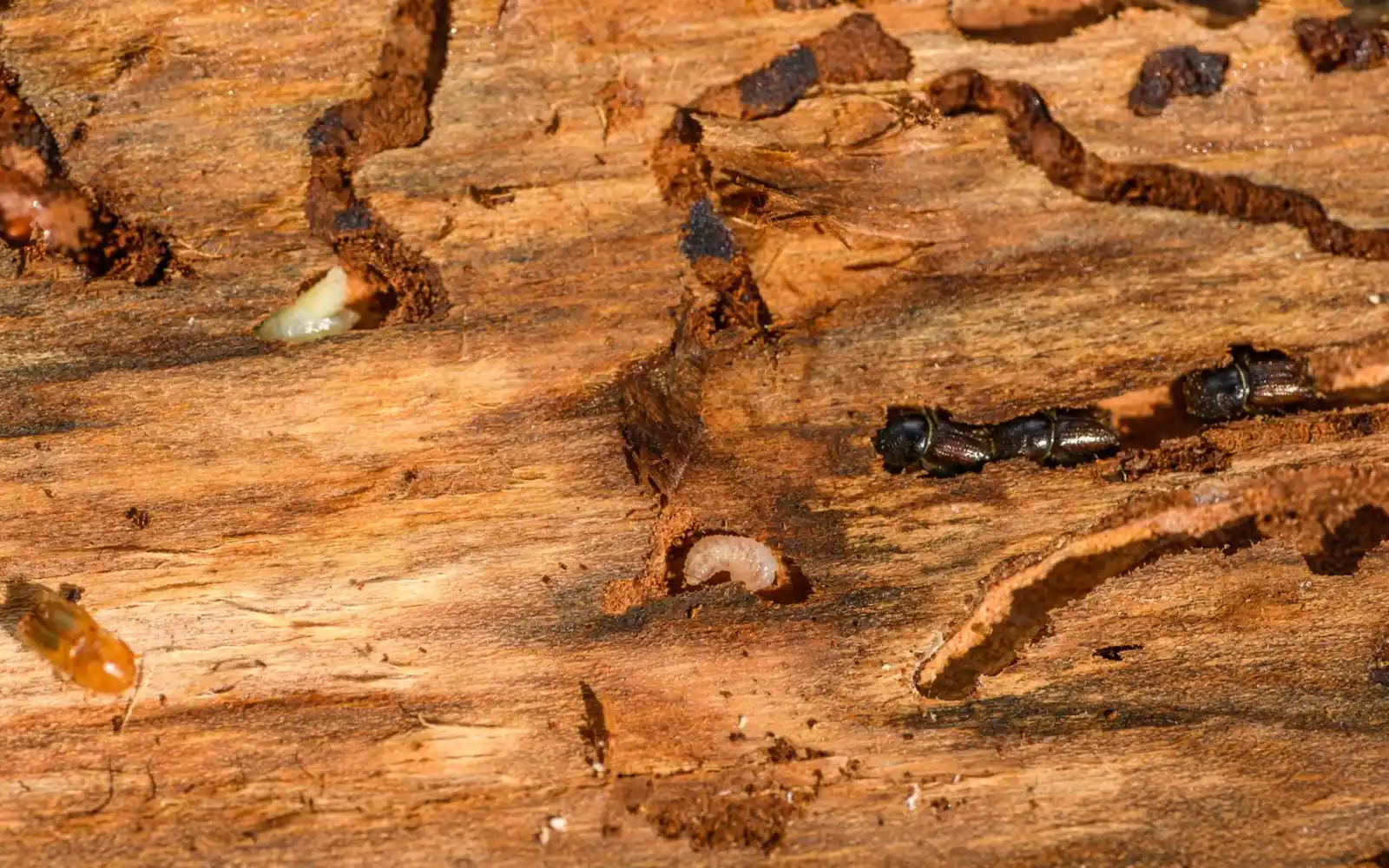
Termite control in Al Zahra Makkah
Al Zahra is a crowded apartment district in Makkah between Umm Al Qura Road and Al Mansour Street, with buildings pressed together on very old shared foundations. Drainage and moisture beneath the slabs have seeped for decades, and termites entering from below the entire block can infect any flat on any floor. Treatment covers the shared foundation and traces moisture around each unit.
-
Targeted, not broadcast
Product goes into cracks and runways, never sprayed across open surfaces.
-
Told before we start
What we will use, where it goes, and what to cover or move before we arrive.
-
A follow-up visit
We return after the first treatment, because what survives it does not show on the day.
-
Homes and businesses
Apartments and villas, and kitchens and stores that need a record of each visit.
Why they keep coming back in Al Zahra
Workers report seeing termites appear in a single floor of one building but not in the whole block, depending on where the flat sits relative to the main moisture source, and movement up and down between storeys happens fast through old cracked walls. The method is set out in full on the full Termite control page.
Shared foundations beneath adjoining blocks transmit termites between flats
In Al Zahra very old tightly packed buildings share long continuous foundations that run beneath whole rows. Termites entering from beneath one building can reach the neighbour's building through those shared footings. Treatment must cover the entire foundation, not one building, if buildings are attached.
Deep moisture beneath old footings never dries
Very old drains in Al Zahra are multiple and leak constantly. Standing water beneath the slabs stays damp throughout the year. This permanent moisture gives termites everything they need to survive, and it weakens chemical barriers over time. Treatment needs renewal every year or two.
Seasonal floods raise the water table beneath old slabs
Wadis near Al Zahra flow in winter and during seasonal rains, and water can reach below the building foundations and raise the moisture level. This seasonal flood opens new termite routes and makes monitoring harder. Post-flood treatment differs from dry-season treatment.
Landmarks of Al Zahra
Flats in Al Zahra are near Hussain Arab Street and Al Mansour Bridge which cross the district. Treatment begins from the main street and traces moisture beneath the shared foundations.
- Umm Al Qura Road
- Al Mansour Street
- Al Mansour Bridge
- Abdullah Arif Road
- Hussain Arab Street
The evidence that decides the treatment
Al Zahra is a dense district south of Al Hindawiyah between Hussain Arab Street and Abdullah Arif Road, with old tightly packed buildings on a small footprint with no public gardens. Underground networks are very old and the district's soil carries seasonal flooding from nearby wadis.
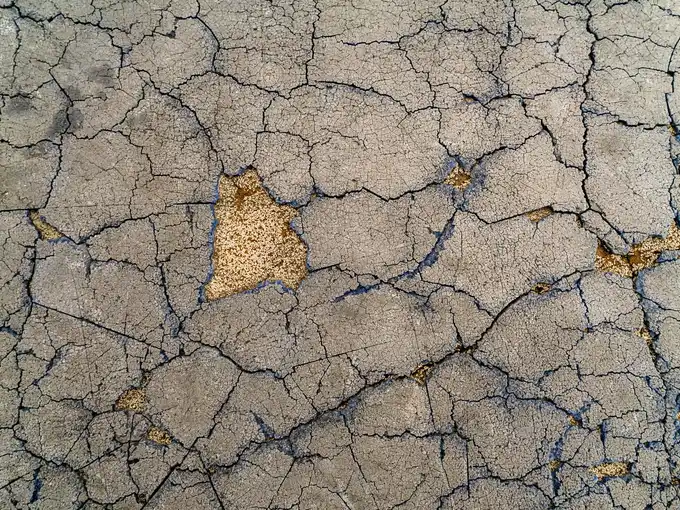
Mud tubes
Mud tubes in Al Zahra originate from deep shared old foundations and appear on flat walls in different storeys; tubes may run horizontally beneath the slab.
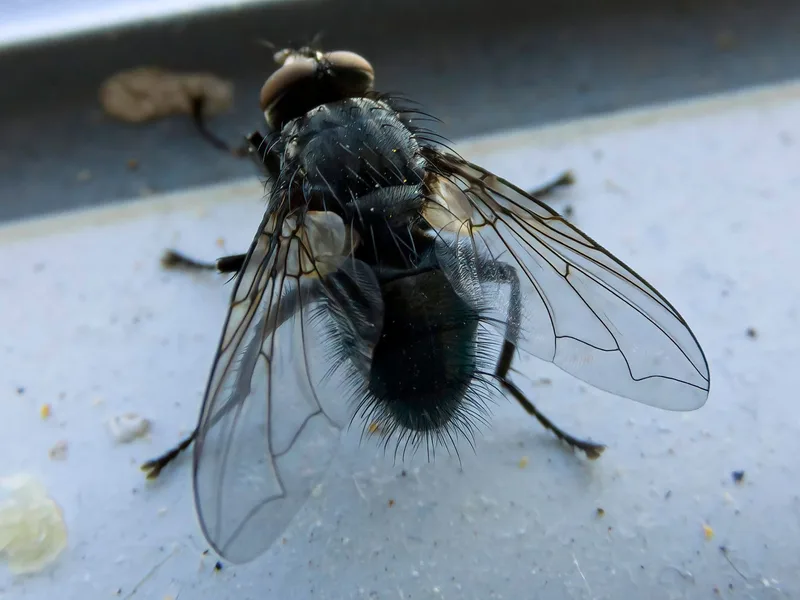
Shed wings
Shed wings may appear on the third-floor flat and not the ground because termites move fast through weak old walls.
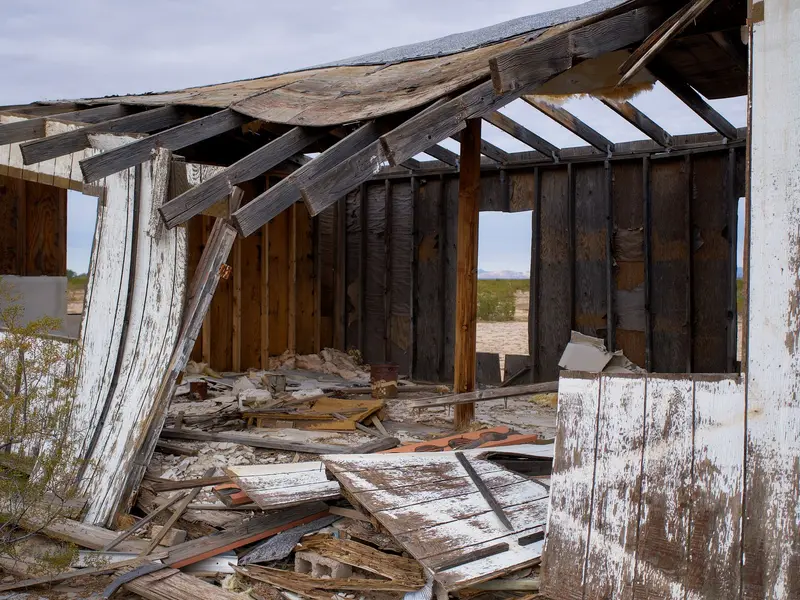
Hollow timber
Hollow timber includes old wooden floors and internal doors and lintels; the termite eats from inside leaving only a hollow shell and weak outer layer.
The water source
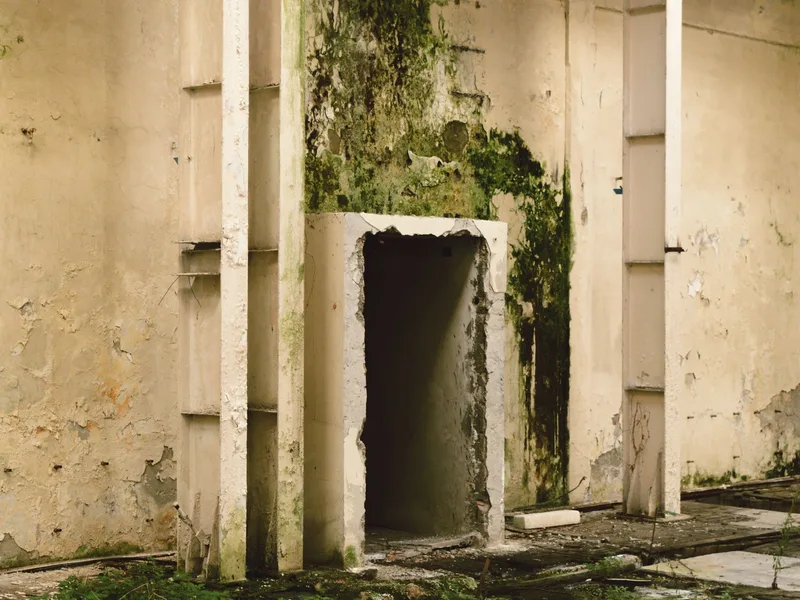
The water source in Al Zahra is very old drainage networks and seasonal floods from nearby wadis; water stays beneath the slab all year.

Cellulose on the floor
Cellulose on the floor begins at the wooden slab and may extend to interior walls near moisture; termites eat from inside so you see damage only when it is advanced.
Joints and pipe entries
Joints and pipe entries in an old building are numerous and enlarged by settlement and use; treatment focuses on every pipe opening and every gap between storeys.
How we work
-
1
Inspect and trace
We sound the timber and the skirting, take moisture readings, and follow the tubes to the point where they leave the soil. We also settle the species, because one that lives inside dry wood is not treated like one that lives in the ground.
-
2
Treat the soil around the building
A narrow trench at the footing and injection at regular spacing, so the treated band runs continuous with no gap to walk around.
-
3
Drill the joints, inject the timber
Small holes at spacing along the slab joints, the wall bases and the pipe entries, direct injection into the galleries inside the affected timber, then the holes are closed and made good.
-
4
Bait stations and monitoring
Stations in the soil carrying a slow-acting material the workers pass through the colony by mouth-to-mouth feeding, and we come back to read them, because an empty tube on a wall proves nothing on its own.
What termite control includes
-

A traced, recorded inspection
Sounding, moisture readings, tubes traced back to the soil, and the species settled before anything is applied.
-

A treated band at the perimeter
Trenching and injection at the footing, spaced so the band is continuous rather than a set of patches.
-

Joints and service penetrations
Slab joints, pipe entries and floor drains, which are the ways up through the concrete.
-

Bait stations in the soil
A slow material carried back through the colony by feeding exchange, rather than stopping the workers at the wall.
-

Aftercare instructions
What not to dig or water near the treated band, what to keep off the walls, and the ventilation time we set for your case.
-

Scheduled monitoring visits
Reading the stations, sounding the same timber again, and treating any new activity.
What is different about Al Utaybiyah Sub-Municipality
Al Utaybiyah sub municipality covers the old districts north of the Grand Mosque: the hillside quarters of Al Hajun, Al Utaybiyah and Al Bayban, Al Zahir and Al Shuhada at the northern entrance, and the newer Al Zahra, Al Diyafah and An Nuzhah westward. Its building stock is among the oldest in Makkah, stone houses on the hills, packed apartment blocks and sewers decades old, threaded with crowded markets like the Utaybiyah souq and furnished flats that fill in the pilgrim seasons. Wadi Al Zahir and Wadi Al Tanim carry storm water through it, and industrial workshops line Hajj Street.
Questions about this district
My flat is in a very old building and my adjoining neighbour's flat may also be infested: what do we do?
Both flats sit on an old shared foundation, and termites can move between units through walls and pipes. If you are sure the neighbour is infested, treating the whole building is better than treating your flat alone, or treat individually with serious inspection of the common points.
The wooden floor is very old and has held moisture for years: can treatment save it or must it be replaced?
A wooden floor saturated with water for years may be too damaged for chemical treatment alone to help. Treatment stops the termites but cannot restore rotten timber. In many cases partial replacement becomes necessary.
The drain below is very old and I see seepage on the wall: does this bring termites from outside the district?
Seepage points to water pooling beneath the foundation, not termites coming from outside the district. Constant moisture draws out the termites already below the slab and keeps them active. A new drain cuts moisture significantly, but treatment is needed now.
Al Zahir Mosque or Al Mansour Bridge sits beside our building: is it a termite source for us?
Mosques and bridges are not usually main termite sources, but moisture around their footings may ease termite movement from soil into adjoining buildings. The main problem is the shared foundations and old drainage, not the adjacent structure.
If other buildings in our district refuse treatment: does treating only ours protect us?
Individual treatment provides partial protection but not complete, because shared foundations beneath old districts transmit termites from building to building. If you treat your block alone while neighbours do not, termites may return from below theirs in months.
How many inspections must the flat have after first treatment in an old Al Zahra building?
In an old building with constant moisture like Al Zahra, inspection every two months in year one is essential. After year one with no signs you can move to three-monthly checks, but moisture reduces treatment effectiveness over time.
How much does termite control in Al Zahra cost?
It is set after the inspection, because the price follows the type of infestation, the size of the space, how far it has spread and the number of visits it needs. Send a photo and a description on WhatsApp and we will give you an estimate before we reach Al Zahra.
Nearby districts we cover
Other services in Al Zahra
Other services we provide to residents of Al Zahra.
-
 Residential
Cockroach control
Residential
Cockroach control
-
 Residential
Bed bug control
Residential
Bed bug control
-
 Residential
Rodents and mice
Residential
Rodents and mice
-
 Residential
Mosquito control
Residential
Mosquito control
-
 Residential
Fly control
Residential
Fly control
-
 Residential
Ant control
Residential
Ant control
-
 Residential
Gecko control
Residential
Gecko control
-
 Residential
Scorpion control
Residential
Scorpion control
-
 Residential
Snake control
Residential
Snake control
-
 Residential
Flea control
Residential
Flea control
-
 Residential
Bird and pigeon control
Residential
Bird and pigeon control
-
 Residential
Preventive treatment
Residential
Preventive treatment
-
 Residential
Disinfection
Residential
Disinfection
-
 Commercial
Annual contracts
Commercial
Annual contracts
-
 Commercial
Restaurants and cafes
Commercial
Restaurants and cafes
-
 Commercial
Hotels and apartments
Commercial
Hotels and apartments
-
 Commercial
Warehouses and factories
Commercial
Warehouses and factories
-
 Commercial
Schools and nurseries
Commercial
Schools and nurseries
-
 Commercial
Retail and malls
Commercial
Retail and malls
-
 Commercial
Rest houses and farms
Commercial
Rest houses and farms
-
 Commercial
Fumigation
Commercial
Fumigation
-
 Water tanks
Water tank cleaning
Water tanks
Water tank cleaning
-
 Water tanks
Water tank sterilization
Water tanks
Water tank sterilization
-
 Water tanks
Water tank sealing
Water tanks
Water tank sealing
-
 Water tanks
Tank leak repair
Water tanks
Tank leak repair
Need termite control in Al Zahra? Tell us what you saw and we will tell you what it needs
We reach Al Zahra at a time we agree, and you get the full cost before we start.