
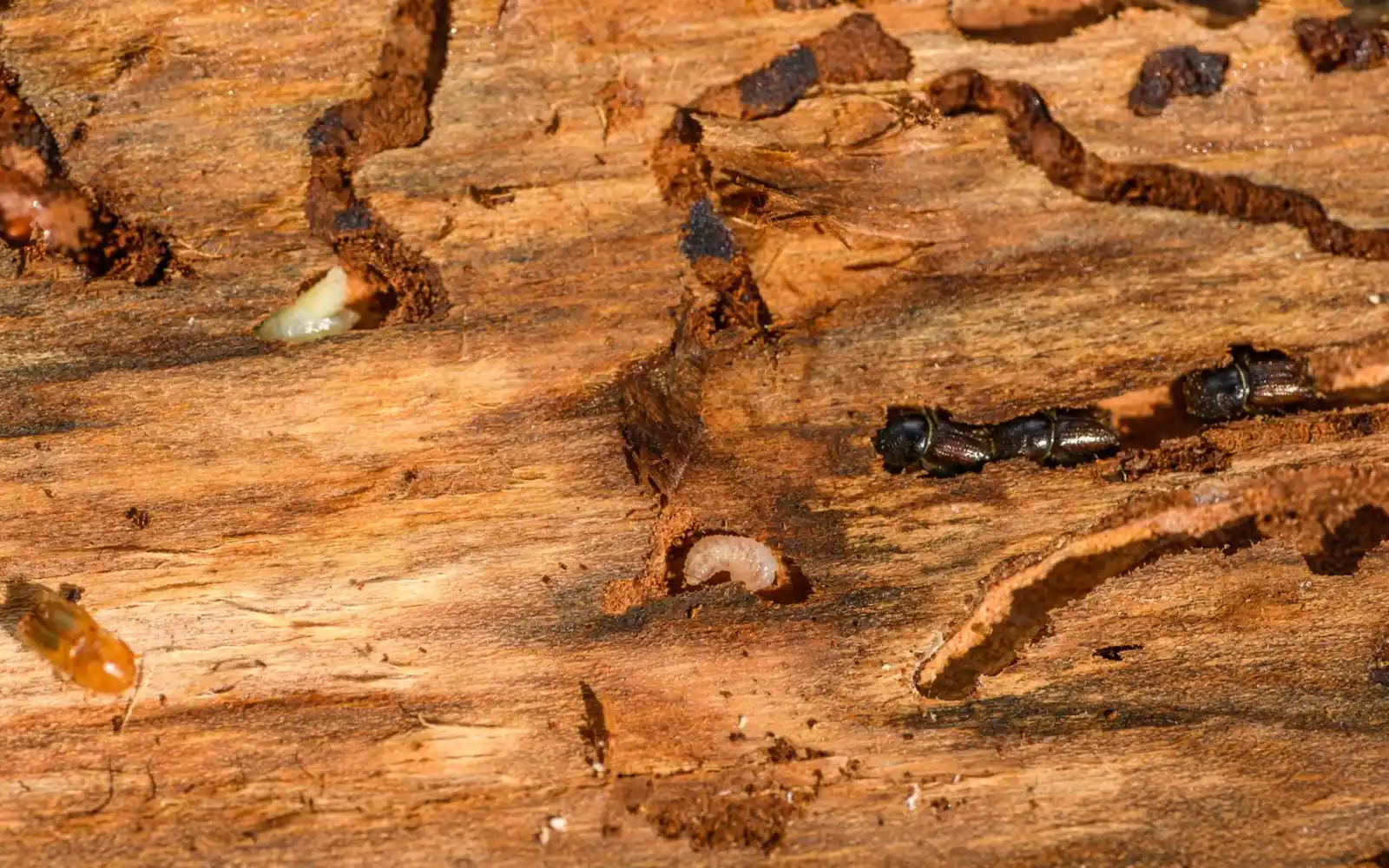
Termite control in Khalij Salman Jeddah
Khalij Salman is a coastal stretch on the Red Sea north of Dhahban in constant salt haze and high humidity all year. The salt air accelerates decay of foundations, pipes and metals; moisture does not dry. Green spaces around resorts and villas are irrigated with fresh water but sit in saline soil, so constant moisture mixed with salt creates a unique environment where termites grow faster than anywhere else in Jeddah. The high humidity and salt-heavy air sustain colony growth year round.
-
Targeted, not broadcast
Product goes into cracks and runways, never sprayed across open surfaces.
-
Told before we start
What we will use, where it goes, and what to cover or move before we arrive.
-
A follow-up visit
We return after the first treatment, because what survives it does not show on the day.
-
Homes and businesses
Apartments and villas, and kitchens and stores that need a record of each visit.
Why they keep coming back in Khalij Salman
Termites here multiply at double the rate found inland, because humidity never drops and salt accelerates wood decay. Standard treatments may not last long because salt and water reopen sealed routes. The method is set out in full on what Termite control involves.
High coastal humidity and salt air year round
Direct seashore location means relative humidity above eighty per cent every month. Salt in the air accelerates decay of pipes, metals and timber surfaces, and dampness soaks the soil around foundations. This combination provides an unusual environment where termite colonies multiply at faster rates. The constant moisture means no natural drying and no dormant season.
Irrigated gardens in naturally saline soil
Villas and resorts around the bay are irrigated with fresh water but the natural soil is saline. Deep irrigation mixes fresh water with salt, leaving the footing damp and salty together. Termites tolerate salt better than other organisms and take advantage of permanent moisture.
Seasonal chalets and neglected buildings
Many buildings here are chalets used only seasonally. When closed, salt and moisture accumulate in foundations and walls. Termites exploit neglect and poor ventilation. Treatment must be stronger and more frequent than in year round residential areas.
Landmarks of Khalij Salman
Khalij Salman extends from the famous Khalij Salman Beach in the south to the developed Lakes City complex in the north, and both mark the boundaries of coastal work zones. Beach resorts and scattered villas between them are reached from Khalij Salman Park and the Khalij Salman Chalets distributed along the waterfront.
- Khalij Salman Beach
- Lakes City
- Khalij Salman Park
- Khalij Salman Chalets
The evidence that decides the treatment
Khalij Salman sits directly on the shoreline around a shallow bay. Relative humidity stays above eighty per cent all year and the air carries salt continuously.
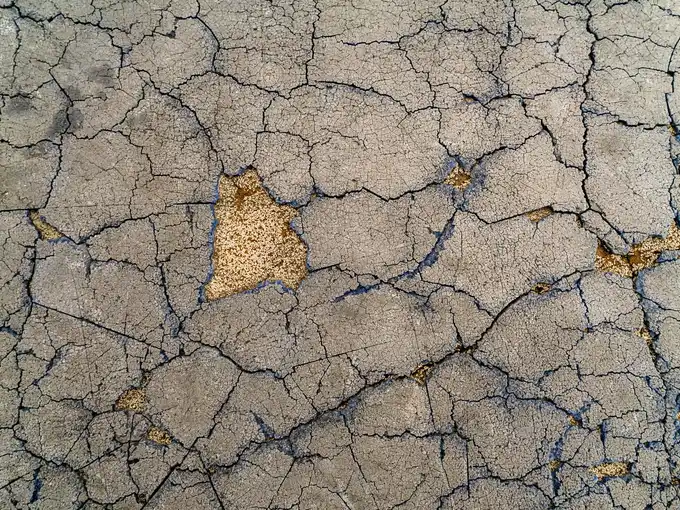
Mud tubes
Mud tubes appear fast on damp coastal walls and spread horizontally quickly, because permanent moisture lets termites tunnel and forage continuously without rest periods.
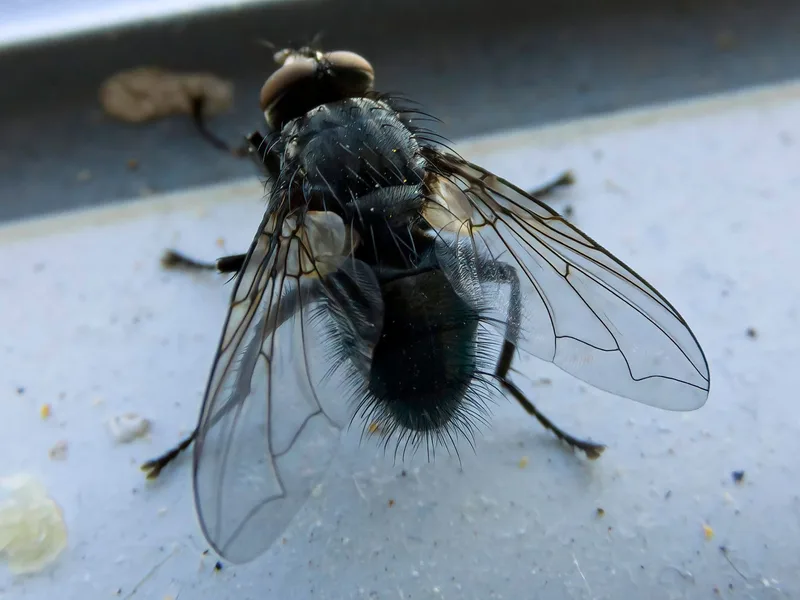
Shed wings
Shed wings can appear any time of year here because moisture and mild temperature extend the breeding and flight season, unlike inland districts with colder months.
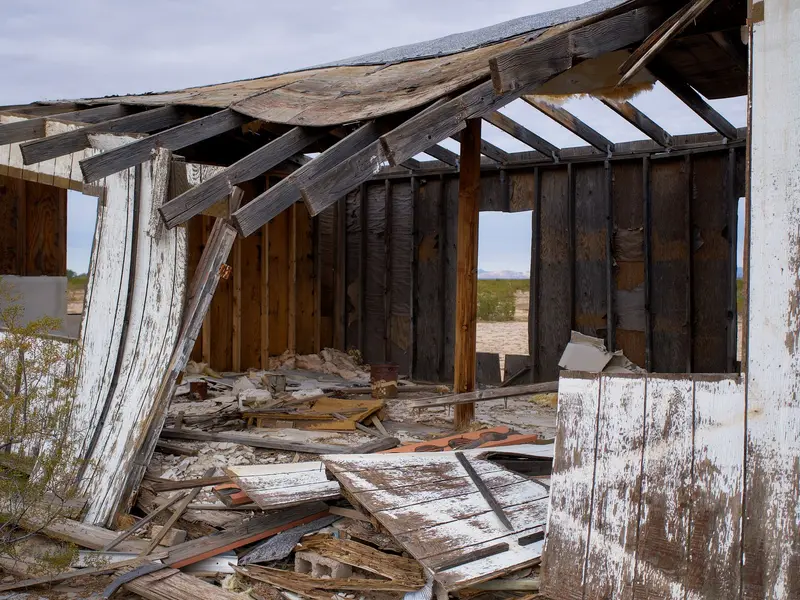
Hollow timber
Hollow timber appears early in coastal buildings because salt weakens the surface and dampness provides ideal conditions for internal tunnelling.
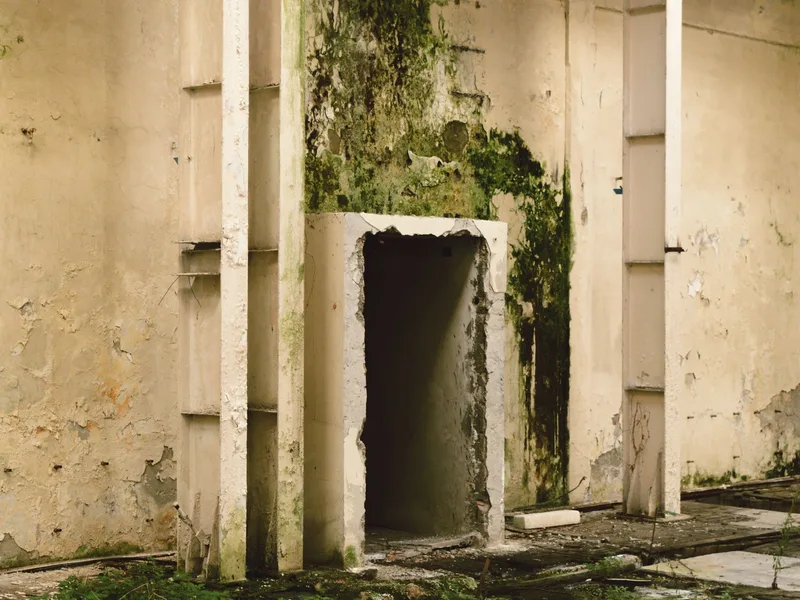
The water source
The water source here is multiple: seawater, irrigation, dew and humid air, so re drying is hard and requires constant ventilation and strong sealing.

Cellulose on the floor
Timber touching ground and wooden supports in old chalets offer easy food and stay perpetually damp from the salt laden air and constant humidity.
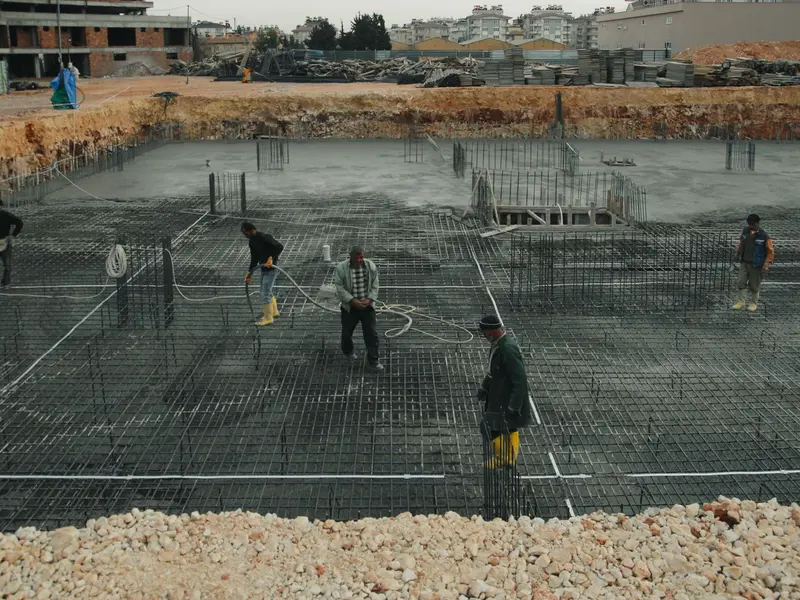
Joints and pipe entries
Joints and pipe entries and cracks around footings widen from salt erosion, creating enlarged routes for termites to enter and leave the structure.
How we work
-
1
Inspect and trace
We sound the timber and the skirting, take moisture readings, and follow the tubes to the point where they leave the soil. We also settle the species, because one that lives inside dry wood is not treated like one that lives in the ground.
-
2
Treat the soil around the building
A narrow trench at the footing and injection at regular spacing, so the treated band runs continuous with no gap to walk around.
-
3
Drill the joints, inject the timber
Small holes at spacing along the slab joints, the wall bases and the pipe entries, direct injection into the galleries inside the affected timber, then the holes are closed and made good.
-
4
Bait stations and monitoring
Stations in the soil carrying a slow-acting material the workers pass through the colony by mouth-to-mouth feeding, and we come back to read them, because an empty tube on a wall proves nothing on its own.
What termite control includes
-

A traced, recorded inspection
Sounding, moisture readings, tubes traced back to the soil, and the species settled before anything is applied.
-

A treated band at the perimeter
Trenching and injection at the footing, spaced so the band is continuous rather than a set of patches.
-

Joints and service penetrations
Slab joints, pipe entries and floor drains, which are the ways up through the concrete.
-

Bait stations in the soil
A slow material carried back through the colony by feeding exchange, rather than stopping the workers at the wall.
-

Aftercare instructions
What not to dig or water near the treated band, what to keep off the walls, and the ventilation time we set for your case.
-

Scheduled monitoring visits
Reading the stations, sounding the same timber again, and treating any new activity.
What is different about Dhahban Sub-Municipality
Dhahban sub municipality is the northern coastal strip of Jeddah, running from the north bank of Sharm Obhur up to the old village of Dhahban and Salman Bay. Its districts are recently built, with owner occupied villas and apartments, beach resorts and chalets on the shore, and land subdivisions still being developed. Nearness to the sea keeps humidity high all year, irrigated lawns in villas, resorts and district parks hold water, Wadi Obhur and the vacant plots between buildings give rodents and reptiles shelter, and the old fishing village of Dhahban gives the far north a rural edge.
Questions about this district
Does salt air kill termites or speed their growth?
Salt accelerates growth. It weakens timber from outside and moisture softens it from within, making wood easier for termites to eat. Chemical treatments may also fail to persist because salt reacts with them and washes them away.
Is foundation treatment alone enough in a coastal damp area?
No. Every joint in the footing, walls, floor slabs and perimeter zones must be treated. Moisture arrives from all directions here, not just from below.
How much more often must treatment be repeated here than in central Jeddah?
Three times as frequently. Moisture and salt wash away the chemistry and reopen routes. Bait station monitoring becomes weekly work when infestations are established.
Are closed and abandoned chalets at greater risk than occupied villas?
Yes, because ventilation is poor and salt and moisture accumulate. Seasonally closed chalets offer ideal shelter for termites without resident disturbance.
Do modern concrete foundations withstand salt and dampness better than old ones?
Slightly only. Concrete itself is attacked by salt over years. Cracks and joints allow moisture and salt deep inside, accelerating rebar corrosion and weakening the entire structure.
Can preventative treatment protect a new house here indefinitely?
Foundation sealing before occupation gives years of protection, but repeated monitoring and maintenance are critical. The salt and humidity here mean retreatment cycles are shorter than inland.
How much does termite control in Khalij Salman cost?
It is set after the inspection, because the price follows the type of infestation, the size of the space, how far it has spread and the number of visits it needs. Send a photo and a description on WhatsApp and we will give you an estimate before we reach Khalij Salman.
Nearby districts we cover
Other services in Khalij Salman
Other services we provide to residents of Khalij Salman.
-
 Residential
Cockroach control
Residential
Cockroach control
-
 Residential
Bed bug control
Residential
Bed bug control
-
 Residential
Rodents and mice
Residential
Rodents and mice
-
 Residential
Mosquito control
Residential
Mosquito control
-
 Residential
Fly control
Residential
Fly control
-
 Residential
Ant control
Residential
Ant control
-
 Residential
Gecko control
Residential
Gecko control
-
 Residential
Scorpion control
Residential
Scorpion control
-
 Residential
Snake control
Residential
Snake control
-
 Residential
Flea control
Residential
Flea control
-
 Residential
Bird and pigeon control
Residential
Bird and pigeon control
-
 Residential
Preventive treatment
Residential
Preventive treatment
-
 Residential
Disinfection
Residential
Disinfection
-
 Commercial
Annual contracts
Commercial
Annual contracts
-
 Commercial
Restaurants and cafes
Commercial
Restaurants and cafes
-
 Commercial
Hotels and apartments
Commercial
Hotels and apartments
-
 Commercial
Warehouses and factories
Commercial
Warehouses and factories
-
 Commercial
Schools and nurseries
Commercial
Schools and nurseries
-
 Commercial
Retail and malls
Commercial
Retail and malls
-
 Commercial
Rest houses and farms
Commercial
Rest houses and farms
-
 Commercial
Fumigation
Commercial
Fumigation
-
 Water tanks
Water tank cleaning
Water tanks
Water tank cleaning
-
 Water tanks
Water tank sterilization
Water tanks
Water tank sterilization
-
 Water tanks
Water tank sealing
Water tanks
Water tank sealing
-
 Water tanks
Tank leak repair
Water tanks
Tank leak repair
Need termite control in Khalij Salman? Tell us what you saw and we will tell you what it needs
We reach Khalij Salman at a time we agree, and you get the full cost before we start.