
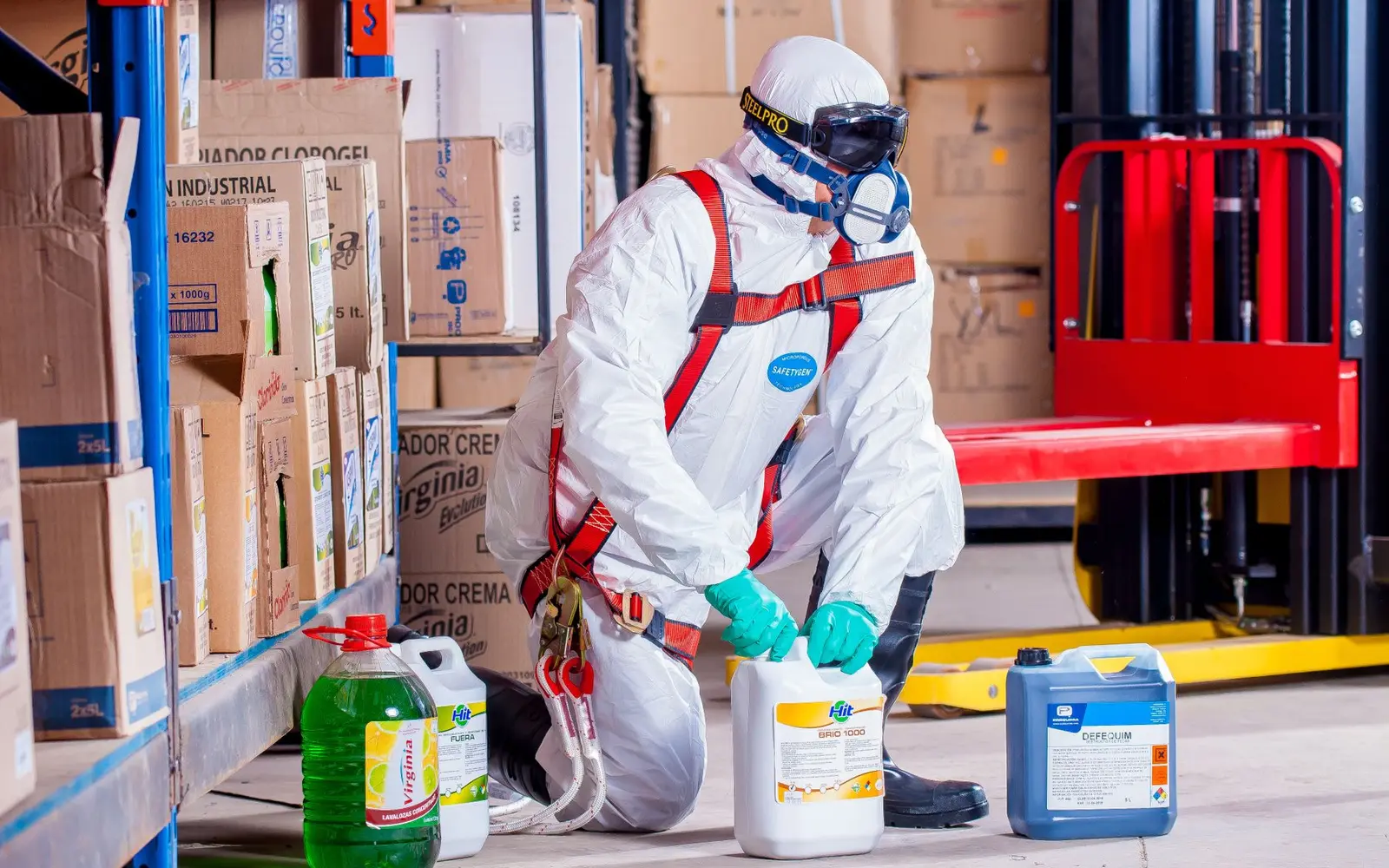
Warehouses and factories in Al Saruriyah Jeddah
Al Saruriyah is an industrial and logistics zone on the Al Laith Expressway south of Jeddah, where massive distribution warehouses receive factory and port shipments every day. Proximity to the produce and livestock markets and seasonal storage peaks mean multiple pest sources that demand constant monitoring.
-
Targeted, not broadcast
Product goes into cracks and runways, never sprayed across open surfaces.
-
Told before we start
What we will use, where it goes, and what to cover or move before we arrive.
-
A follow-up visit
We return after the first treatment, because what survives it does not show on the day.
-
Homes and businesses
Apartments and villas, and kitchens and stores that need a record of each visit.
Why they keep coming back in Al Saruriyah
The open markets sitting beside the warehouses mean smells that draw insects and rodents easily, and goods are held in shade and humidity for weeks at a time. The method is set out in full on our Warehouses and factories service.
Produce and livestock markets press directly on warehouses
The vegetable, fruit and livestock markets sit immediately beside Al Saruriyah warehouses. Smells, moisture and waste attract flies and insects in density. Pests migrate easily from the market into the adjacent warehouse where they find food and shelter.
Open loading yards with goods stacked on wet ground
Loading and unloading yards are wide and unprotected from weather. Pallets stack on damp ground and trucks wait for hours. Moisture and shadow attract cockroaches and rodents, which then enter the warehouse interior during the next delivery cycle.
Seasonal produce stored long term attracts fast breeding
Warehouses hold large quantities of vegetables, fruit and seasonal foodstuffs for weeks. Long storage in high humidity means pests breed rapidly because food is continuously available and conditions never cool or dry out.
Landmarks of Al Saruriyah
The area extends along the Al Laith Expressway from the Al Khumrah side, and we coordinate visits near Shifa Jeddah Medical Complex and the produce and livestock markets, which mark the distribution warehouse zone.
- Al Laith Expressway
- Shifa Jeddah Medical Complex
- Vegetable and Fruit Market
- Livestock Market
- Al Seef Beach
What the first walk through the building reads
An industrial southern district on the Al Laith Expressway beside Al Khumrah, with large commercial warehouses and open loading and unloading yards, positioned directly next to the vegetable, fruit and livestock markets.

The shutter line
The warehouse doors open directly onto wet yards beside the market, so the pheromone trap at each door must intercept insects entering from the market and the damp exterior yard spaces continuously.
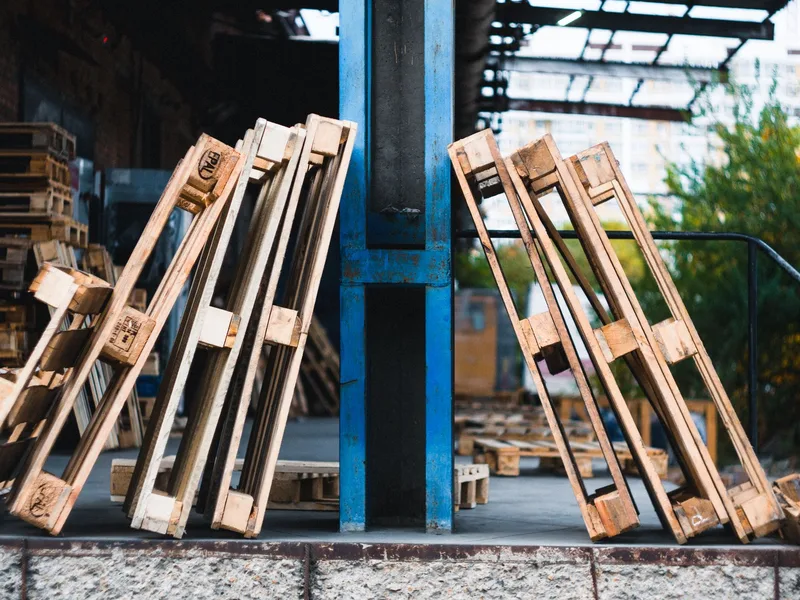
What comes in on the pallet
Pallets arrive from the factory and market loaded with moisture, and pests may already be present in the box itself. Our first reading determines the source of infestation before goods are stacked high.
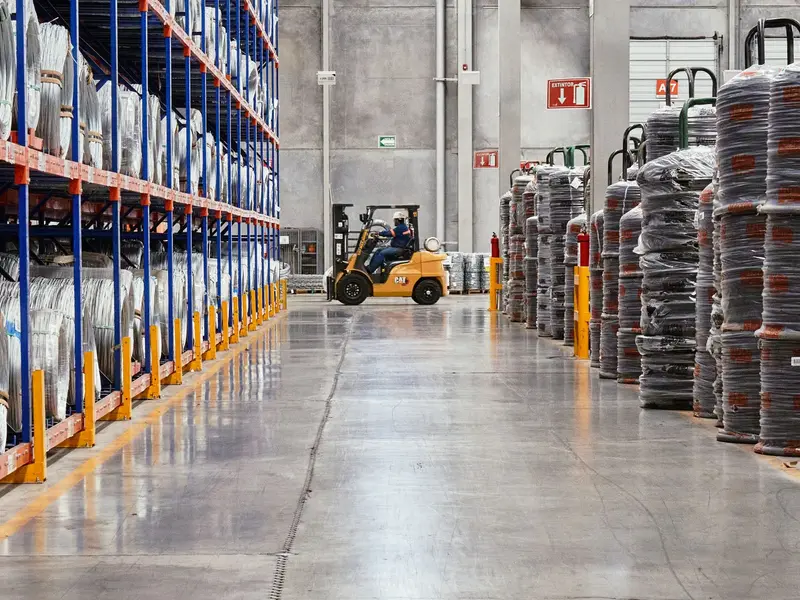
The strip along the wall
The wall between warehouse and open market may be metal or simple render, and insects enter under the wall and through gaps around pipes. We focus on complete sealing and barrier installation there.
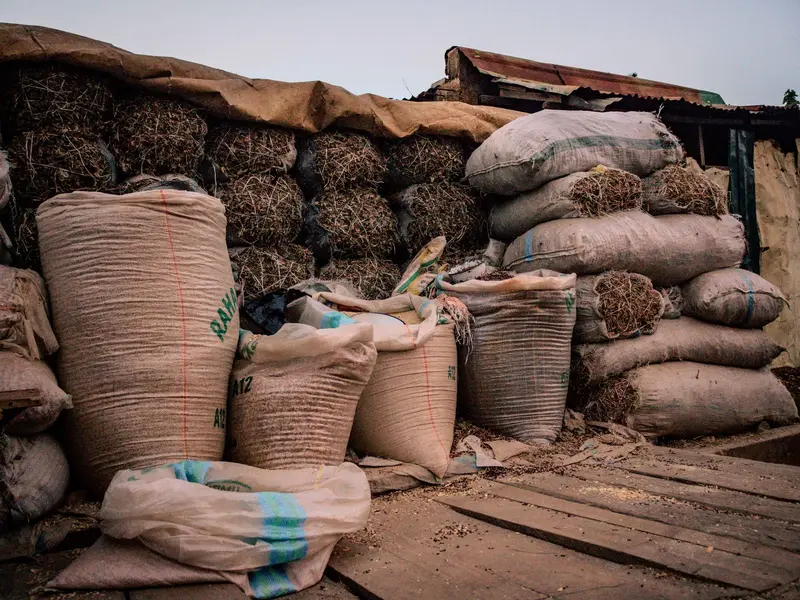
Spillage under the racking
Spillage under racking here comes from vegetables and fruit falling from lifted boxes, sugar and juices from stored foodstuffs bleeding from cartons. Wet ground with this organic waste attracts insects and rodents constantly.
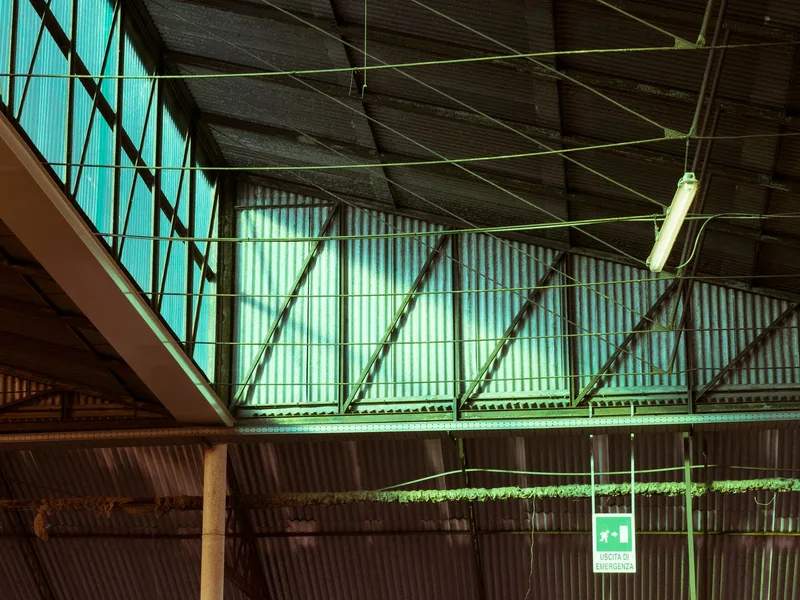
The roof and the openings above
The roof and gaps between high racking may allow insect entry from outside and the market above, so we focus on roof openings, window grilles and ventilation shaft covers.
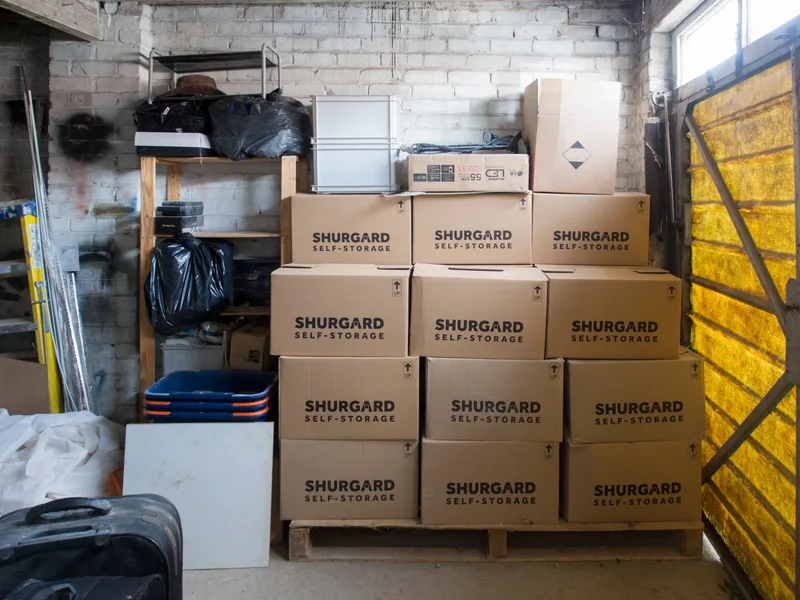
Stock that does not move
Stock remaining for a long season may have pest populations breeding inside from the first week. We focus on the deepest layers of the stack that go untouched for weeks, where pests multiply undisturbed.
How we work
-
1
Survey the building and locate the source
We walk from the goods-in door through the racking, the production areas and the outside wall line, and establish whether the pressure is stored product pests inside the goods, rodents from the perimeter or flying insects from waste and doorways, because each of those is a different programme.
-
2
Pheromone traps and numbered points
Species-specific pheromone traps through the storage areas, and monitoring points on the external ring and along the internal walls, numbered on the racking plan. A trap treats nothing, it tells us which aisle the numbers are climbing in.
-
3
Targeted treatment and isolating the consignment
Spillage is lifted first, then empty racking, wall and floor junctions and voids are treated, and nothing is placed over open stock or a running line. A consignment showing activity is isolated where it stands rather than carried through the building.
-
4
Sealing, then the scheduled visits
We close door gaps, openings and pipe entries, then come back on an agreed schedule: the same traps and points are read each time, and a report goes over what was found, what was treated and what the building still needs closed.
What warehouse pest control includes
-

Site survey and racking plan
A walk from the goods-in door to the last aisle, and a plan with every monitoring position numbered before anything is installed.
-

Pheromone traps and numbered points
Species-specific traps through the storage areas and points along the perimeter line, read and logged on every visit.
-

Targeted treatment of racking and junctions
On empty racking, wall and floor junctions and voids, never over open stock or a running line.
-

Drains, waste and the perimeter
Floor gullies, the container area and the outside wall line, because that is the source which renews itself.
-

Proofing and building findings
Shutter gaps, brush seals and mesh over openings, with a list of what the site needs to repair.
-

Scheduled visits and a report each time
Agreed dates set by the pressure on the site, the same traps read again, and a report that records every visit.
What is different about South Sub-Municipality
The South sub municipality runs from the edge of Old Makkah Road down to Al Khumrah and the southern corniche. Dense residential districts sit beside new subdivisions such as Al Sanabil and Al Taawun, warehouse fringes such as Al Saruriyah and Al Sarawat, and an old seaside settlement at Al Quzayn. Open stormwater channels cross the housing, and the warehouses, the vegetable and livestock markets and the nearby Islamic Port and Industrial City give pests shelter, food and year round humidity. Pressure is greatest in the older quarters, where drainage networks are ageing.
Questions about this district
The market is right beside the warehouse. Do pests cross between them?
Yes, flies, cockroaches and rodents migrate from market to warehouse easily. We focus on ventilation grilles, doors and wall gaps. We install barriers and mesh screens on every entrance point to cut the crossing routes.
The exterior yards stay wet all the time. What helps?
Moisture attracts insects and rodents. We advise raising pallets off the wet ground and drying the yard surface. Our monitoring points around the yard intercept insects before they reach the warehouse interior.
Goods stored for months. How do we stop infestation inside?
Long storage in high humidity encourages pests. We inspect each pallet layer as it is stacked. We focus on the bottom, middle and top of storage stacks because insects hide in the layers where no hand reaches.
Flies pour in from the market. Can we stop them?
Flies are fast and cannot be blocked completely. We use sticky traps and light traps at entry points. We focus on protecting the interior by cutting entry paths and removing standing water that attracts them.
When do we ship goods out? Are they clean?
Our readings tell you when the warehouse is safe for shipment. We inspect the pallet itself before loading. If we detect activity we treat it before the truck departs.
Is a warehouse programme better than regular pest spray?
Yes, the warehouse programme tracks pest sources from the market and incoming trucks daily. Regular spraying does not monitor new entries. Our programme stops pests at the entry point before they reach stored goods.
How much does warehouses and factories in Al Saruriyah cost?
It is set after the inspection, because the price follows the type of infestation, the size of the space, how far it has spread and the number of visits it needs. Send a photo and a description on WhatsApp and we will give you an estimate before we reach Al Saruriyah.
Nearby districts we cover
Other services in Al Saruriyah
Other services we provide to residents of Al Saruriyah.
-
 Residential
Cockroach control
Residential
Cockroach control
-
 Residential
Bed bug control
Residential
Bed bug control
-
 Residential
Termite control
Residential
Termite control
-
 Residential
Rodents and mice
Residential
Rodents and mice
-
 Residential
Mosquito control
Residential
Mosquito control
-
 Residential
Fly control
Residential
Fly control
-
 Residential
Ant control
Residential
Ant control
-
 Residential
Gecko control
Residential
Gecko control
-
 Residential
Scorpion control
Residential
Scorpion control
-
 Residential
Snake control
Residential
Snake control
-
 Residential
Flea control
Residential
Flea control
-
 Residential
Bird and pigeon control
Residential
Bird and pigeon control
-
 Residential
Preventive treatment
Residential
Preventive treatment
-
 Residential
Disinfection
Residential
Disinfection
-
 Commercial
Annual contracts
Commercial
Annual contracts
-
 Commercial
Restaurants and cafes
Commercial
Restaurants and cafes
-
 Commercial
Hotels and apartments
Commercial
Hotels and apartments
-
 Commercial
Schools and nurseries
Commercial
Schools and nurseries
-
 Commercial
Retail and malls
Commercial
Retail and malls
-
 Commercial
Rest houses and farms
Commercial
Rest houses and farms
-
 Commercial
Fumigation
Commercial
Fumigation
-
 Water tanks
Water tank cleaning
Water tanks
Water tank cleaning
-
 Water tanks
Water tank sterilization
Water tanks
Water tank sterilization
-
 Water tanks
Water tank sealing
Water tanks
Water tank sealing
-
 Water tanks
Tank leak repair
Water tanks
Tank leak repair
Need warehouses and factories in Al Saruriyah? Tell us what you saw and we will tell you what it needs
We reach Al Saruriyah at a time we agree, and you get the full cost before we start.