
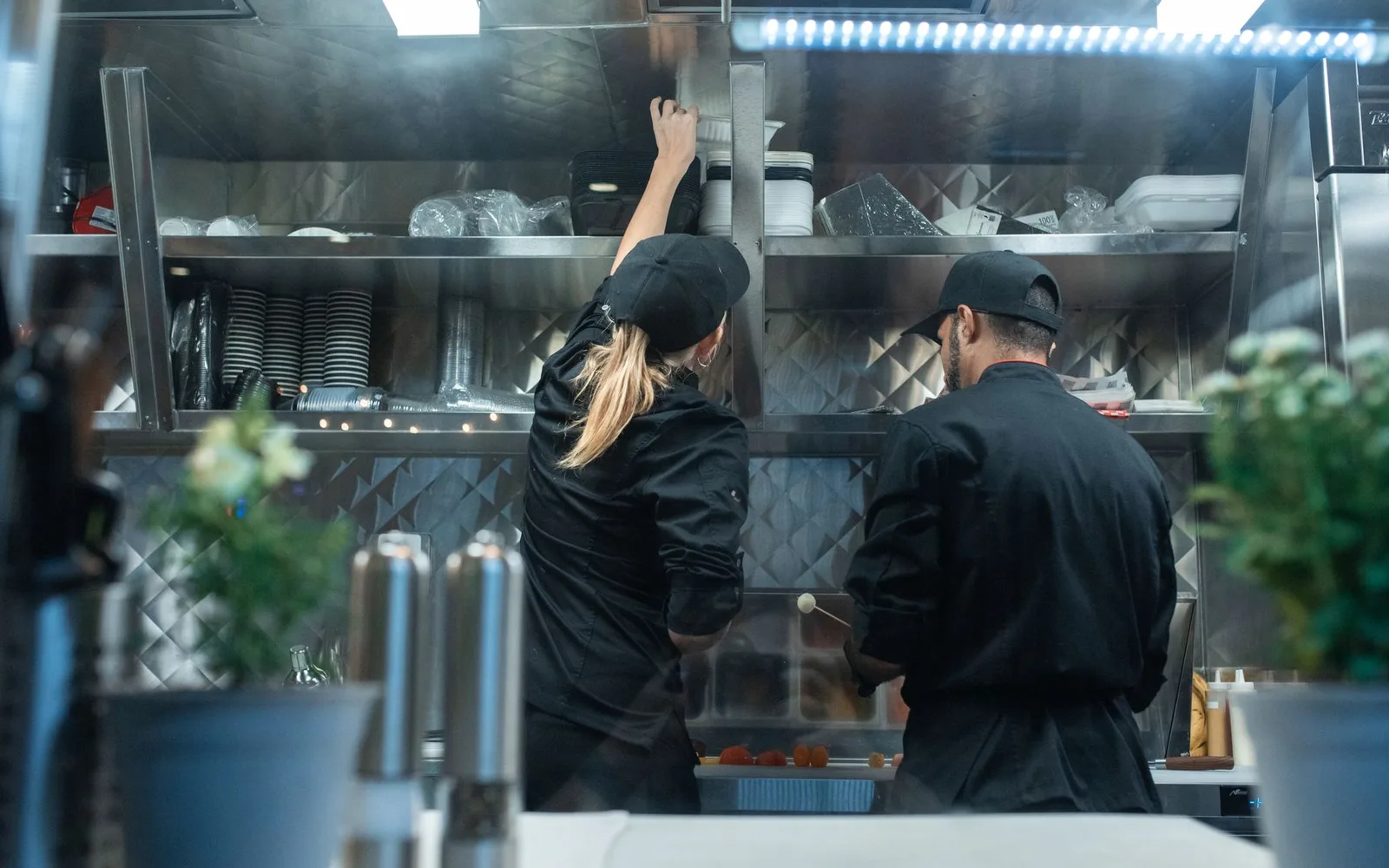
Restaurants and cafes in Al Saruriyah Jeddah
Al Saruriyah is a southern district along the Al Laith Expressway where commercial and distribution warehouses outnumber homes. Shops, apartments, villas and the vegetable, fruit and livestock markets lie nearby, and the Islamic Port to the west. Restaurants here serve warehouse and distribution staff and face acute insect pressure because the animal and produce markets next door provide endless food and moisture, and the adjoining warehouses hold goods of unknown origin and condition. Isolation is harder but more critical than elsewhere.
-
Targeted, not broadcast
Product goes into cracks and runways, never sprayed across open surfaces.
-
Told before we start
What we will use, where it goes, and what to cover or move before we arrive.
-
A follow-up visit
We return after the first treatment, because what survives it does not show on the day.
-
Homes and businesses
Apartments and villas, and kitchens and stores that need a record of each visit.
Why they keep coming back in Al Saruriyah
Large flies, cockroaches and ants come from the open markets and warehouses next door. Restaurants wash meat and produce from the livestock and vegetable stalls, and blood and trimmings spill into the drains. The method is set out in full on the full Restaurants and cafes page.
Open markets and animal waste
The livestock market and fruit and vegetable market sit hundreds of metres away, but animal waste, grease, blood and leaf litter accumulate there in heaps. Flies and ants breed there in millions, then fly or crawl to the nearby restaurants and warehouses. Treating the restaurant alone is of little use if the markets remain untreated nearby.
Warehouses and open storage
Adjoining warehouses store mixed goods and sometimes leave stock in the open air. Rats and cockroaches live in them. Warehouses and restaurants share drainage channels, passageways and waste runs. Insects move easily between warehouses and kitchen.
Exposed stormwater channels and standing water
The expressway and industrial zones have open drainage channels beneath the road and in back streets. Mosquitoes breed in the standing water. Flies live on organic sediment. Building entry points at foundation level connect directly to these open channels.
Landmarks of Al Saruriyah
Restaurants in Al Saruriyah along Al Laith Expressway stand very close to Shifa Jeddah Medical Complex and the warehousing, serving logistics and distribution workers. We reach them via the Vegetable and Fruit Market from the east or Al Seef Beach from the south, and we focus on strong external treatment and comprehensive isolation because the market pressure comes from every side.
- Al Laith Expressway
- Shifa Jeddah Medical Complex
- Vegetable and Fruit Market
- Livestock Market
- Al Seef Beach
The places that decide the programme
Open markets, warehouses, the port nearby and exposed stormwater channels make this zone a harsh environment where seasonal and permanent insect populations thrive together.
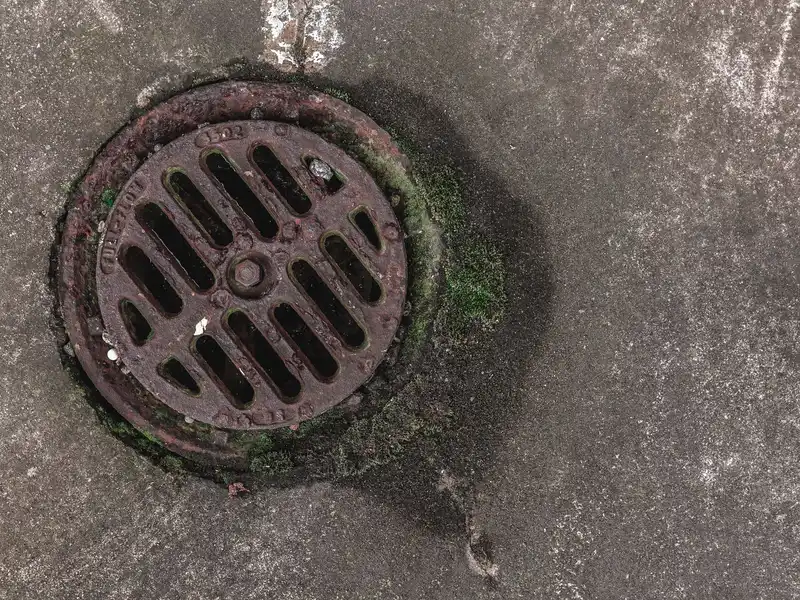
Gullies and the grease trap
The gully and grease trap beneath the kitchen floor may connect to exposed stormwater channels and standing water under the expressway, so we inspect foundations and arrange regular surveys of connection points.
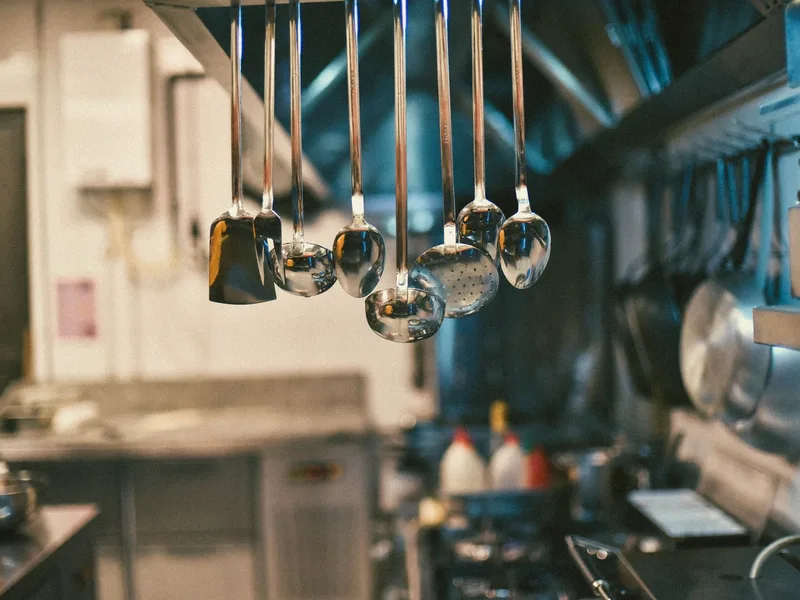
The cooking line and plinths
The cooking line handles meat from markets which may carry bacteria and insect contamination, so we focus on cleaning, frequent washing and sloped floors draining to designated points.
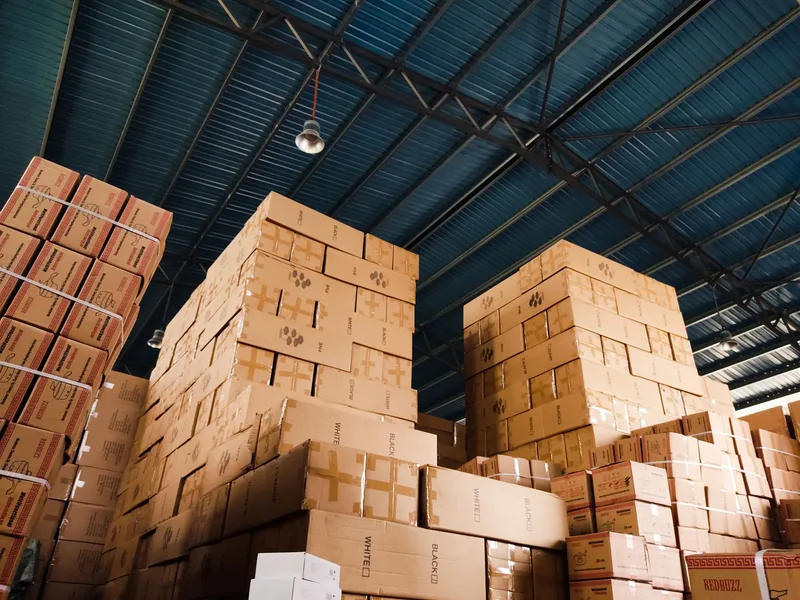
Cardboard at goods inwards
Cardboard from warehouses and suppliers may arrive with insect and rodent contamination, so we inspect all boxes in an external holding area and prevent direct entry to the kitchen.
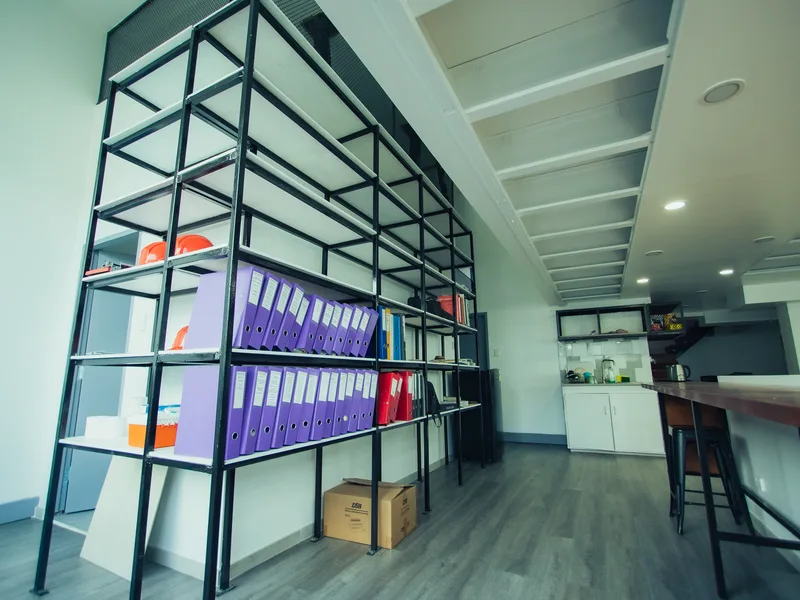
Dry store shelving
Dry store shelving sits distant from the kitchen but close to external walls and old foundation voids, so we focus on sealing, isolation and repeated monitoring.
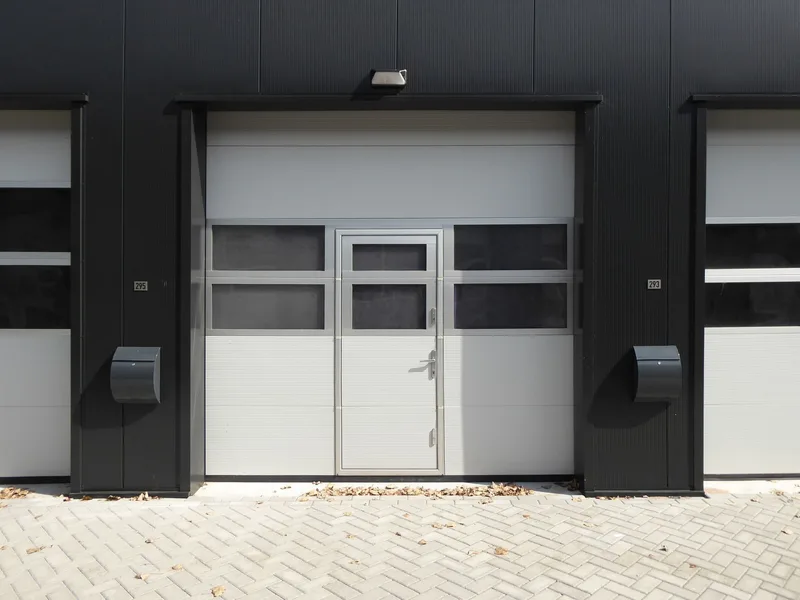
The back service door
The back service door may sit close to a tight rear alley where a warehouse or exposed drainage channel lies, so we focus on firm seals and strong metal barriers and weekly external spraying.
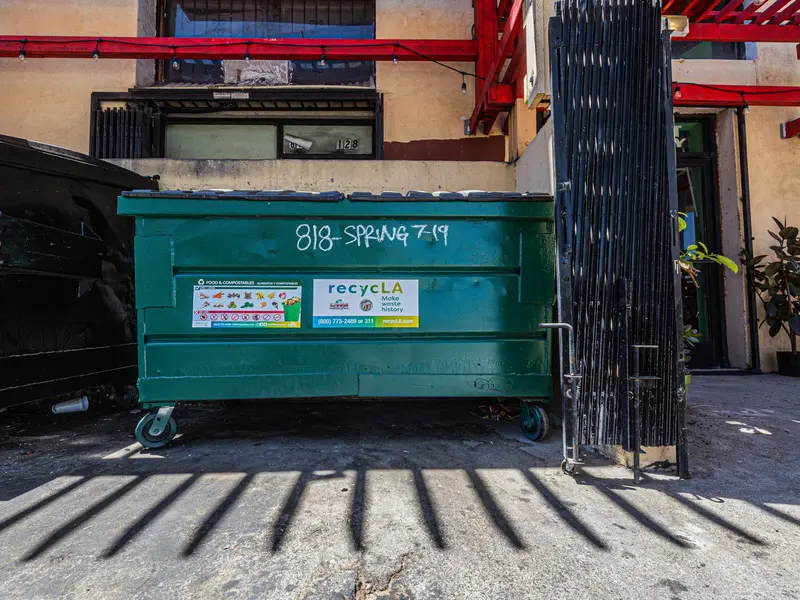
The bin area
The bin area may be an open yard attracting rats and birds from the markets, so we recommend a sealed locked metal container and weekly perimeter spraying.
How we work
-
1
Survey and site plan
We follow the food route from delivery to waste, establish which species are present and where the moisture is, and mark the station positions on a plan of the kitchen and the store.
-
2
Install numbered monitoring points
Sealed, numbered stations in fixed positions, read in the same order every visit so the file shows a trend rather than an impression.
-
3
Treatment outside service hours
Gel bait into joints and voids, foam into the gullies and the grease trap, and nothing applied to preparation surfaces, with equipment covered and surfaces wiped down before service resumes.
-
4
Scheduled visits and the site file
Every visit reads the stations and records what was found, the corrective action needed, who owns it and by when, and the file stays on site to be shown at an inspection.
What a restaurant programme includes
-

Opening survey and site plan
Species, entry points and moisture sources, with a plan showing where every station sits.
-

Sealed, numbered stations
Bait held inside closed stations in food areas, never open product near preparation or storage.
-

Gully and grease trap treatment
Foam that contacts the pipe wall where small flies breed, which is the step most contracts skip.
-

Targeted application after closing
Into joints, voids and the store perimeter, at a time with no exposed food and no team in the kitchen.
-

Reopening instructions for the team
What to cover before, what to wipe after, and what not to wash so the treatment is not undone.
-

A visit report and a running log
Every station read, corrective actions with an owner and a date, and a continuous file to show at an inspection.
What is different about South Sub-Municipality
The South sub municipality runs from the edge of Old Makkah Road down to Al Khumrah and the southern corniche. Dense residential districts sit beside new subdivisions such as Al Sanabil and Al Taawun, warehouse fringes such as Al Saruriyah and Al Sarawat, and an old seaside settlement at Al Quzayn. Open stormwater channels cross the housing, and the warehouses, the vegetable and livestock markets and the nearby Islamic Port and Industrial City give pests shelter, food and year round humidity. Pressure is greatest in the older quarters, where drainage networks are ageing.
Questions about this district
Is it really possible to control insects in a restaurant next to a livestock market?
Difficult but possible. External pressure is very high, but strong isolation, constant monitoring and sharp hygiene reduce the problem. We recommend weekly external wall and door spraying and powerful air curtains on all entries.
Where exactly do the large flies originate?
From the livestock market, the slaughter pens and floors wet with blood. Flies fly directly from those sites to nearby restaurants, travelling hundreds of metres on the wind. We focus on heavy fly traps, blue lights and door-mounted fans.
Does the ant infestation entering from below come from the soil or from the warehouses?
Both. Soil around markets and warehouses contains millions of ants that walk towards any food platform. We request building isolation from soil via barriers and regular perimeter cleaning around the restaurant.
What do we do if the neighbouring warehouses have insects and do not care?
We focus on what you can control: isolating the restaurant, constant monitoring, sharp cleaning and external spraying. We ask the manager to speak to the warehouse owner, but if they do not respond, our treatment reduces pressure despite the bad neighbour.
Is external treatment really necessary in this location?
Yes, very much. External treatment of walls, foundations and doors is essential here. We recommend weekly perimeter spraying before peak entry times (dawn and late afternoon) and installation of strong air curtains and robust external traps.
Does seasonality affect insects here as it does in residential areas?
Less so. Markets and warehouses operate year round, so pressure is constant. But intense summer heat increases breeding, and winter moisture brings mosquitoes.
How much does restaurants and cafes in Al Saruriyah cost?
It is set after the inspection, because the price follows the type of infestation, the size of the space, how far it has spread and the number of visits it needs. Send a photo and a description on WhatsApp and we will give you an estimate before we reach Al Saruriyah.
Nearby districts we cover
Other services in Al Saruriyah
Other services we provide to residents of Al Saruriyah.
-
 Residential
Cockroach control
Residential
Cockroach control
-
 Residential
Bed bug control
Residential
Bed bug control
-
 Residential
Termite control
Residential
Termite control
-
 Residential
Rodents and mice
Residential
Rodents and mice
-
 Residential
Mosquito control
Residential
Mosquito control
-
 Residential
Fly control
Residential
Fly control
-
 Residential
Ant control
Residential
Ant control
-
 Residential
Gecko control
Residential
Gecko control
-
 Residential
Scorpion control
Residential
Scorpion control
-
 Residential
Snake control
Residential
Snake control
-
 Residential
Flea control
Residential
Flea control
-
 Residential
Bird and pigeon control
Residential
Bird and pigeon control
-
 Residential
Preventive treatment
Residential
Preventive treatment
-
 Residential
Disinfection
Residential
Disinfection
-
 Commercial
Annual contracts
Commercial
Annual contracts
-
 Commercial
Hotels and apartments
Commercial
Hotels and apartments
-
 Commercial
Warehouses and factories
Commercial
Warehouses and factories
-
 Commercial
Schools and nurseries
Commercial
Schools and nurseries
-
 Commercial
Retail and malls
Commercial
Retail and malls
-
 Commercial
Rest houses and farms
Commercial
Rest houses and farms
-
 Commercial
Fumigation
Commercial
Fumigation
-
 Water tanks
Water tank cleaning
Water tanks
Water tank cleaning
-
 Water tanks
Water tank sterilization
Water tanks
Water tank sterilization
-
 Water tanks
Water tank sealing
Water tanks
Water tank sealing
-
 Water tanks
Tank leak repair
Water tanks
Tank leak repair
Need restaurants and cafes in Al Saruriyah? Tell us what you saw and we will tell you what it needs
We reach Al Saruriyah at a time we agree, and you get the full cost before we start.