
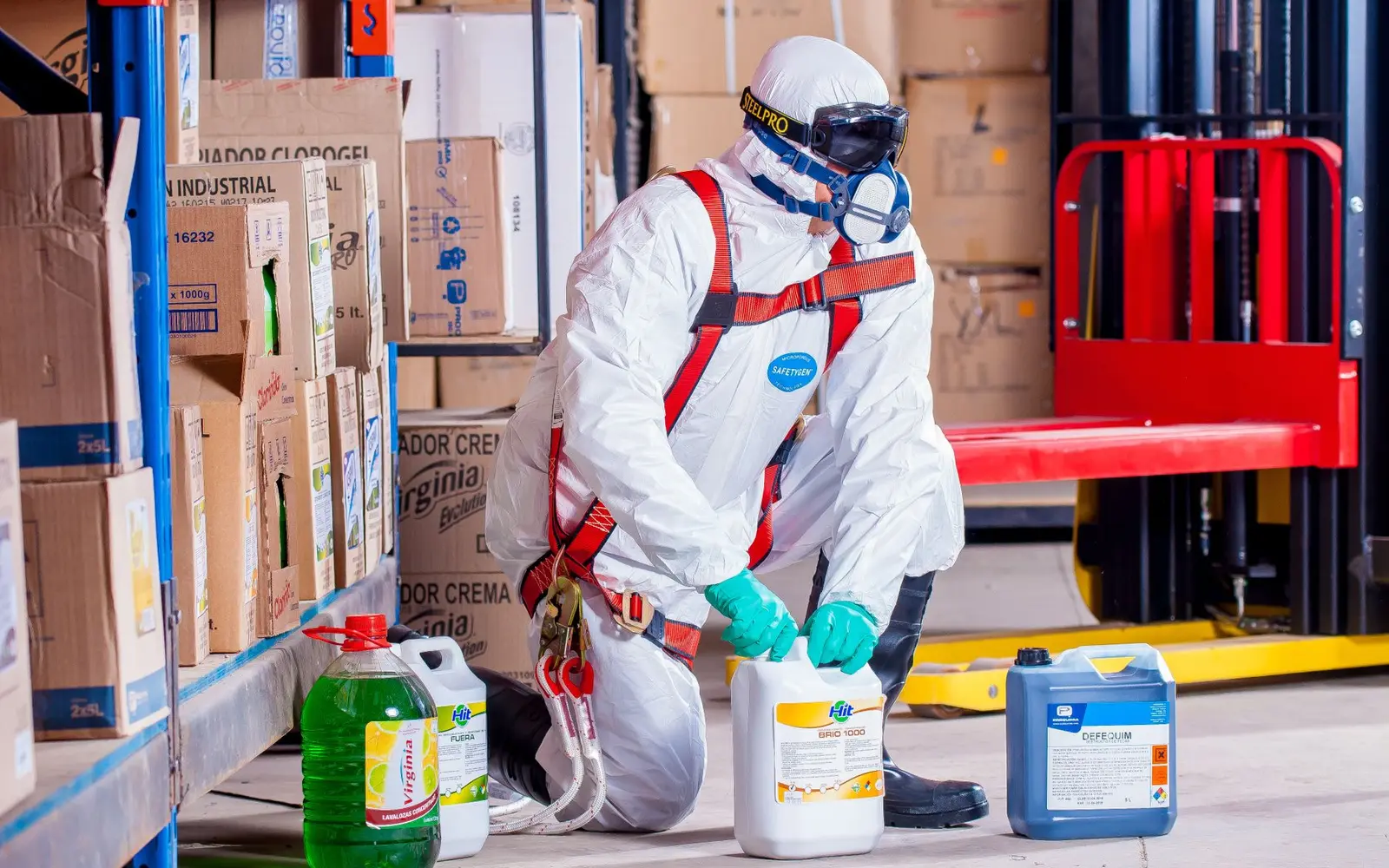
Warehouses and factories in Jarwal Makkah
Jarwal is a dense district of ageing apartment blocks, most now converted to budget hotels and seasonal lodgings for pilgrims, whose storerooms take deliveries from multiple sources and the port. Pest management here must lock down goods as they arrive, because the tightly packed buildings turn any infestation in one storeroom into rapid pressure on the neighbouring flats and hotels above and around it.
-
Targeted, not broadcast
Product goes into cracks and runways, never sprayed across open surfaces.
-
Told before we start
What we will use, where it goes, and what to cover or move before we arrive.
-
A follow-up visit
We return after the first treatment, because what survives it does not show on the day.
-
Homes and businesses
Apartments and villas, and kitchens and stores that need a record of each visit.
Why they keep coming back in Jarwal
Goods arriving from the port and nearby markets reach the storeroom with little inspection time, and high humidity in lower flats and shared outbuildings shortens the cockroach development cycle dramatically. The method is set out in full on what Warehouses and factories involves.
Port deliveries and market goods arriving unvetted
Shipments come straight from the Islamic Port and popular markets in the area, stored in small storerooms inside or below the old buildings, with little time for thorough inspection before delivery to the hotel or flat above. Pests need rapid reading and tracking from the day stock arrives, because eggs hatch faster in the coastal humidity and the density does not give slow-acting treatments time to work.
Packed apartment blocks with shared outbuildings
Flats and hotels share hallways, doors and drainage that comes from a single old network, and moisture seeps between units from unified piping. When an infestation starts in a storeroom below an apartment block it spreads into the flats and hotels above and beside it with no real barriers to slow it down.
Seasonal occupancy and temporary crowding
Hajj and Umrah seasons pack the hotels and furnished flats with guests, goods and luggage move constantly through hallways and outbuildings, then long quiet spells follow as units close. Pests then settle in abandoned spaces and return when the next season begins, so programmes must account for rapid re entry and the slow detection window during closure.
The character of Jarwal
Apartment district: residential blocks, repeated floors and shared entrances
The packed apartment blocks and budget hotel flats share piping and hallways from foundation level, so infestation in the storeroom spreads rapidly into neighbouring units through old cracks and shared drains. The warehouse programme here stops pests at goods intake before they climb into the residential flats.
What the first walk through the building reads
Tightly packed old Makkan apartment buildings sit beside each other on the slopes of Jabal Qaiqaan. Al Taysir Street and Umm Al Qura Road carry traffic up towards the Grand Mosque, and the flats and hotels share entrances, hallways and ageing drainage systems.

The shutter line
Bir Tuwa well and the surrounding flats limit truck movement, so the goods in door is on the far side of the building away from the main road.

What comes in on the pallet
Boxes from the port and markets arrive in early morning hours before full hotel operations, so we place pheromone traps right at the external gate.
The strip along the wall
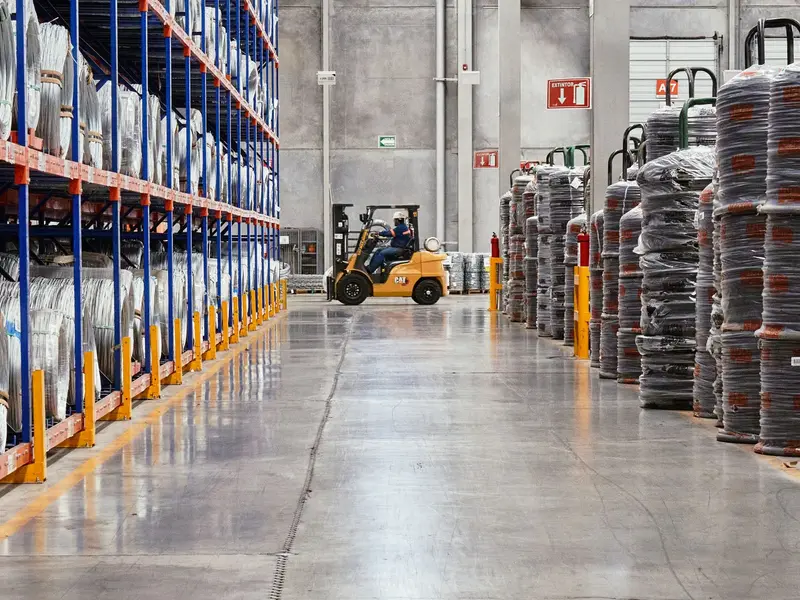
Racking in the cramped storerooms below the buildings sits very close to damp walls, so we mount sticky tape strips on the walls and tight corners, not on the racking itself.
Spillage under the racking
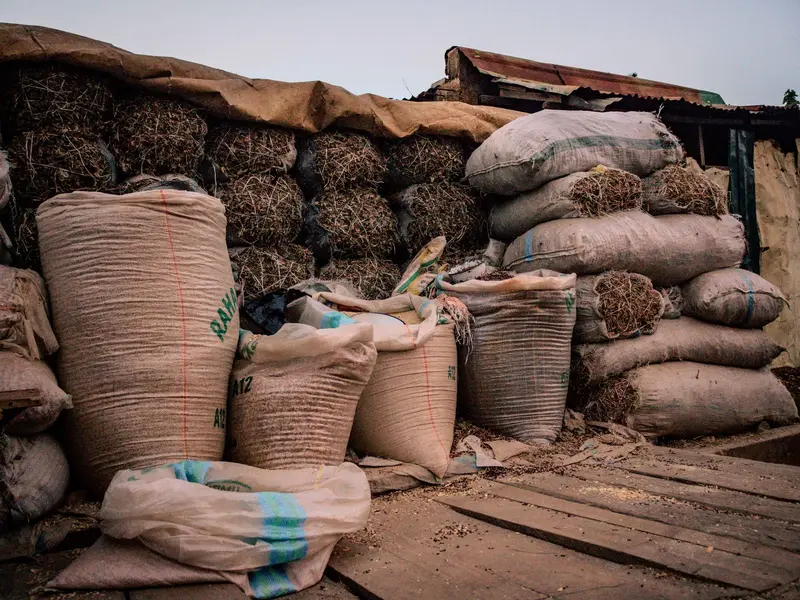
Water seeps from old shared piping below the racking, so we monitor moisture and dry spillage regularly because cockroaches gather there.
The roof and the openings above
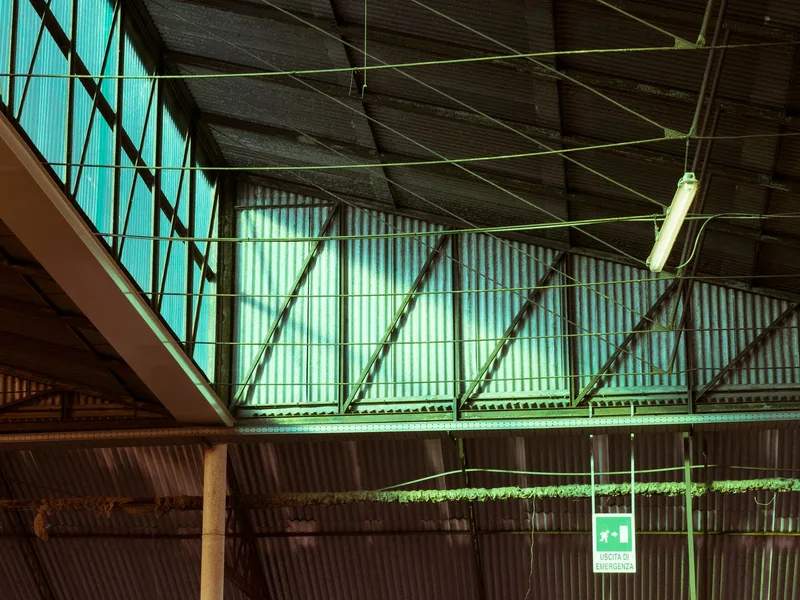
The old roof has small openings and cracks into the flats above, so we place horizontal traps below the gaps, not vertical ones, because vertical traps do not catch insects climbing upwards.
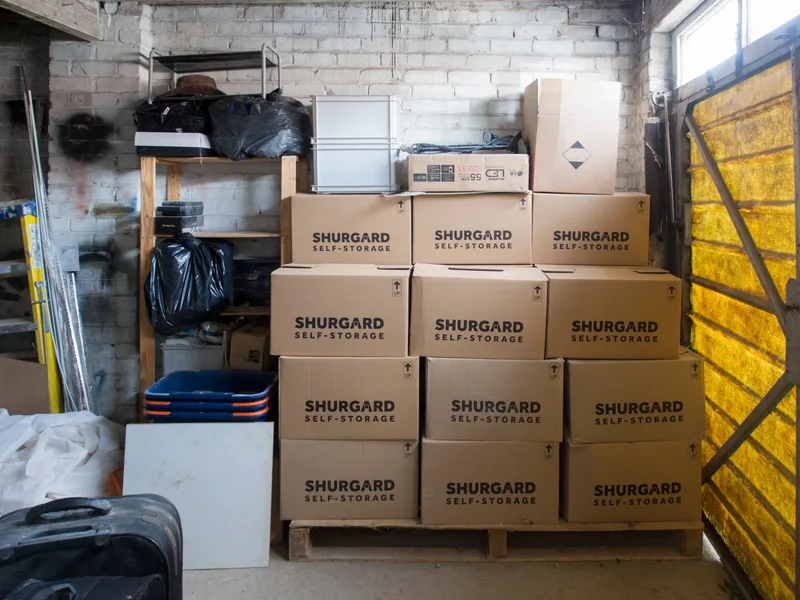
Stock that does not move
Stock stored for months during the quiet season stays bagged, so we inspect it before opening and leave it uncovered a few days to air before dispatch to avoid moving hidden infestation.
How we work
-
1
Survey the building and locate the source
We walk from the goods-in door through the racking, the production areas and the outside wall line, and establish whether the pressure is stored product pests inside the goods, rodents from the perimeter or flying insects from waste and doorways, because each of those is a different programme.
-
2
Pheromone traps and numbered points
Species-specific pheromone traps through the storage areas, and monitoring points on the external ring and along the internal walls, numbered on the racking plan. A trap treats nothing, it tells us which aisle the numbers are climbing in.
-
3
Targeted treatment and isolating the consignment
Spillage is lifted first, then empty racking, wall and floor junctions and voids are treated, and nothing is placed over open stock or a running line. A consignment showing activity is isolated where it stands rather than carried through the building.
-
4
Sealing, then the scheduled visits
We close door gaps, openings and pipe entries, then come back on an agreed schedule: the same traps and points are read each time, and a report goes over what was found, what was treated and what the building still needs closed.
What warehouse pest control includes
-

Site survey and racking plan
A walk from the goods-in door to the last aisle, and a plan with every monitoring position numbered before anything is installed.
-

Pheromone traps and numbered points
Species-specific traps through the storage areas and points along the perimeter line, read and logged on every visit.
-

Targeted treatment of racking and junctions
On empty racking, wall and floor junctions and voids, never over open stock or a running line.
-

Drains, waste and the perimeter
Floor gullies, the container area and the outside wall line, because that is the source which renews itself.
-

Proofing and building findings
Shutter gaps, brush seals and mesh over openings, with a list of what the site needs to repair.
-

Scheduled visits and a report each time
Agreed dates set by the pressure on the site, the same traps read again, and a report that records every visit.
What is different about Al Ghazza Sub-Municipality
Al Ghazza sub municipality wraps around the north and west of the Grand Mosque, from Al Shamiyah, Al Qararah and Shaib Amir round to Jarwal and Al Taysir. Large tracts were cleared for the northern expansion and the Rua Al Haram scheme, leaving excavated ground and open construction sites beside ageing blocks that now serve as dense seasonal lodgings in Jarwal and Al Taysir. Old flood paths still fall from Jabal Qaiqaan and Jabal Khandamah towards the mosque, and markets and eateries crowd Al Masjid Al Haram Road and Umm Al Qura Road.
Questions about this district
The storeroom below the hotel is always very humid. Do your traps work there?
Traps work, but high humidity breaks down pheromone fast, so we use moisture resistant traps and read them weekly instead of monthly. The report shows the true pressure driving rapid infestation in those conditions.
Flats above the storeroom are complaining about cockroaches. Does treatment reach them?
Cockroaches climb through shared pipework and cracks in the walls, but a warehouse programme treats the source in the storeroom alone. Affected flats need a separate programme if infestation is confirmed inside the units.
The budget hotel took in pilgrims and after they left we found activity. What now?
This is common in seasonal hotels; luggage and goods carry pests. We inspect the storeroom and hallways, set extra traps around exterior doors and windows, and raise reading frequency to weekly for one month.
Must we close the hotel and furnished flats while the storeroom is treated?
No. The storeroom is treated alone during work hours and fog does not enter the flats if the doors stay closed. We notify the hotel of timing to stop them opening the external storeroom doors during treatment.
When do we inspect new goods arriving from the port to the storeroom?
On day one. Boxes and shipments are checked on receipt, and we place traps beside new stock to detect any activity before goods are distributed to the hotel or flats.
Is a warehouse programme different from regular pest spray in other hotels here?
Yes. Pests here arrive with goods and luggage, not just from old walls. We focus on goods intake and numbered traps, not routine general spraying like hotels with pest issues from structure alone.
How much does warehouses and factories in Jarwal cost?
It is set after the inspection, because the price follows the type of infestation, the size of the space, how far it has spread and the number of visits it needs. Send a photo and a description on WhatsApp and we will give you an estimate before we reach Jarwal.
Other services in Jarwal
Other services we provide to residents of Jarwal.
-
 Residential
Cockroach control
Residential
Cockroach control
-
 Residential
Bed bug control
Residential
Bed bug control
-
 Residential
Termite control
Residential
Termite control
-
 Residential
Rodents and mice
Residential
Rodents and mice
-
 Residential
Mosquito control
Residential
Mosquito control
-
 Residential
Fly control
Residential
Fly control
-
 Residential
Ant control
Residential
Ant control
-
 Residential
Gecko control
Residential
Gecko control
-
 Residential
Scorpion control
Residential
Scorpion control
-
 Residential
Snake control
Residential
Snake control
-
 Residential
Flea control
Residential
Flea control
-
 Residential
Bird and pigeon control
Residential
Bird and pigeon control
-
 Residential
Preventive treatment
Residential
Preventive treatment
-
 Residential
Disinfection
Residential
Disinfection
-
 Commercial
Annual contracts
Commercial
Annual contracts
-
 Commercial
Restaurants and cafes
Commercial
Restaurants and cafes
-
 Commercial
Hotels and apartments
Commercial
Hotels and apartments
-
 Commercial
Schools and nurseries
Commercial
Schools and nurseries
-
 Commercial
Retail and malls
Commercial
Retail and malls
-
 Commercial
Rest houses and farms
Commercial
Rest houses and farms
-
 Commercial
Fumigation
Commercial
Fumigation
-
 Water tanks
Water tank cleaning
Water tanks
Water tank cleaning
-
 Water tanks
Water tank sterilization
Water tanks
Water tank sterilization
-
 Water tanks
Water tank sealing
Water tanks
Water tank sealing
-
 Water tanks
Tank leak repair
Water tanks
Tank leak repair
Need warehouses and factories in Jarwal? Tell us what you saw and we will tell you what it needs
We reach Jarwal at a time we agree, and you get the full cost before we start.