

Warehouses and factories in Al Haram Makkah
Al Haram's commercial district is never still. Pilgrims and Umrah visitors move through it all year, hotels tower above small showrooms and trading centres, and goods arrive constantly from multiple ports and markets. This unbroken flow of people and shipments means every incoming batch could carry insects. The warehouses and showrooms here do not sit apart; they are woven into the city's movement.
-
Targeted, not broadcast
Product goes into cracks and runways, never sprayed across open surfaces.
-
Told before we start
What we will use, where it goes, and what to cover or move before we arrive.
-
A follow-up visit
We return after the first treatment, because what survives it does not show on the day.
-
Homes and businesses
Apartments and villas, and kitchens and stores that need a record of each visit.
Why they keep coming back in Al Haram
Goods come into the showrooms and storage areas from different markets and ports with different arrival rhythms, and the constant transport in and out means higher probability that insects enter with shipments. The method is set out in full on how we approach Warehouses and factories.
Shipments feed from multiple wholesale sources
Goods do not flow from a single warehouse to a single receiving point. Each shipment originates from a different distributor or port, with different transit times and handling. Tracing the source of an infestation is orders of magnitude harder when entry points scatter across multiple suppliers and receive dates do not cluster.
Showrooms run open to foot traffic every day
These are not sealed warehouses but trading showrooms visited daily by buyers, traders and tourists. Daily access means continuous external contamination risk and the chance that insects walk in from the surrounding streets and alley markets with every customer or consignment arrival.
Old mountain watercourse channels guide pests downward
Historical flood paths from Jabal Qaiqaan and Jabal Khandamah descend toward the commercial district. In wet seasons these channels carry not only water but rodents and other pests from the higher slopes, funnelling them toward the lower commercial buildings.
The character of Al Haram
Commercial area: offices, showrooms and small stores
A commercial area means small showrooms and warehouses with daily customer access and continuous public movement. The programme must prioritise pest-free appearance over hard treatment strength, use visible and customer-safe trapping, and produce reports that reassure business partners and walk-in buyers that the space is hygienic and trustworthy.
What the first walk through the building reads
The commercial zone around the Grand Mosque is ringed by Jabal Abu Qubais and Jabal Qaiqaan. Excavated ground and open construction sites stand beside old apartment blocks, and wide northern expansion courtyards rise above the older streets.

The shutter line
The roller shutter line in showrooms and storage opens dozens of times daily for goods delivery and customer visits, maximizing the window for flying and crawling insects to enter from the busy surrounding streets.

What comes in on the pallet
Goods arrive from scattered sources, ranging from old open-air markets to sealed distribution centres, so the variety of incoming pest types is far wider than in a warehouse fed by a single upstream supplier.
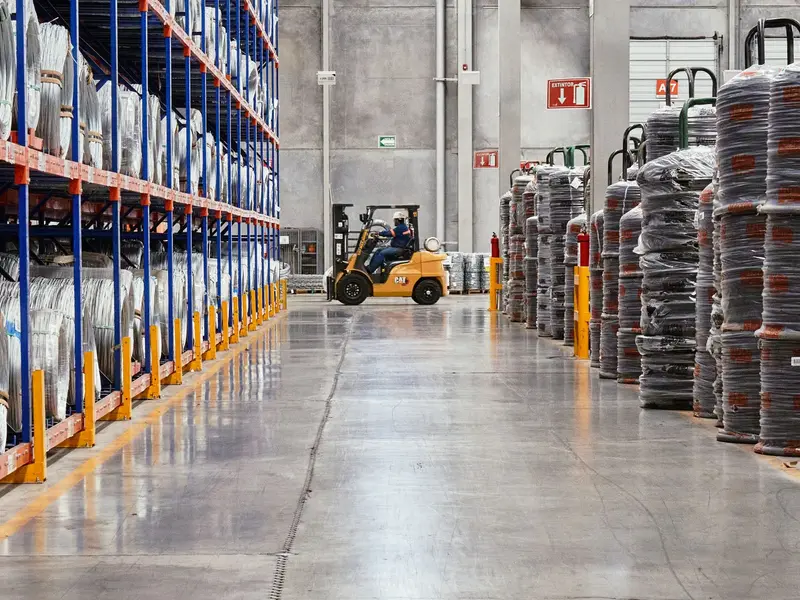
The strip along the wall
Display stock on shelves must remain visible and unspoiled for sale, so chemical treatment around merchandise is constrained. Trapping strategy focuses on perimeter and entry points rather than internal pest reduction applications.
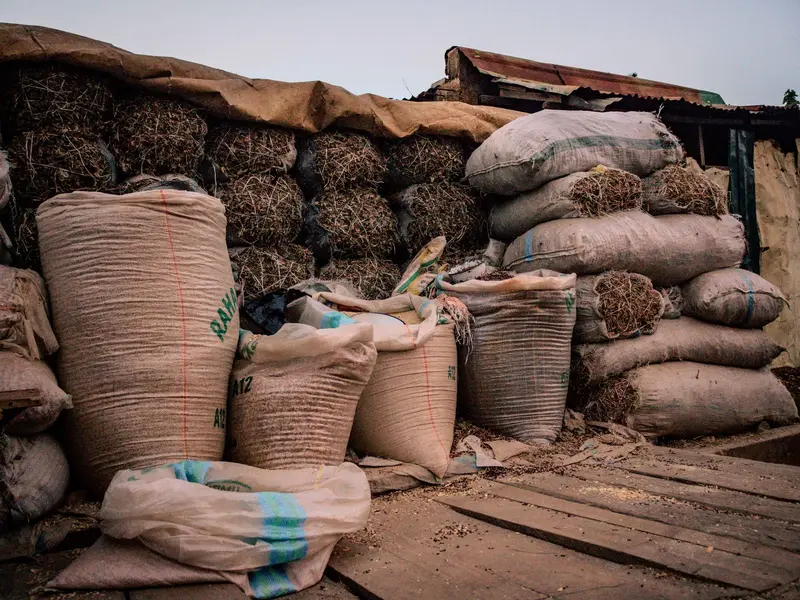
Spillage under the racking
Spillage beneath shelves includes diverse commodity types from packaged food to textiles to electrical goods, each attracting different pest species. Cleaning protocol must account for the mixture and the differing nesting habits it creates.
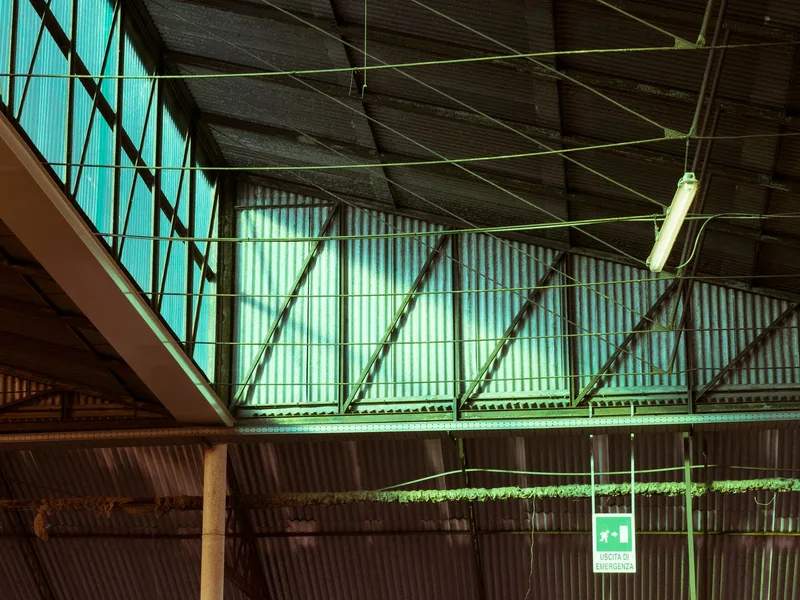
The roof and the openings above
Roof openings and ventilation gaps in showrooms sometimes remain open for airflow and light, allowing flying insects from the surrounding hills and built-up areas to enter from above during warmer months.
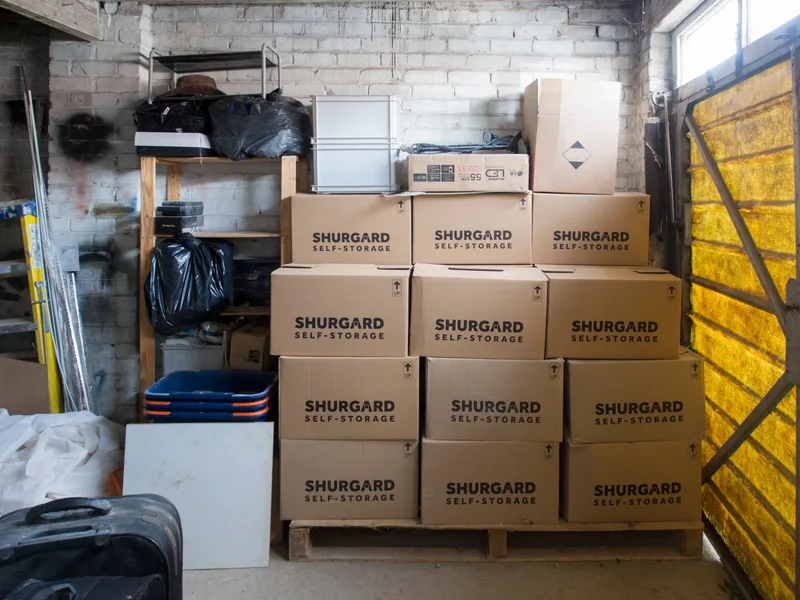
Stock that does not move
Slow-moving or long-held stock in storage corners and back rooms becomes a harbour for insects, especially in old carton stacks or damaged packaging where harborage is deep and access to new food is constant.
How we work
-
1
Survey the building and locate the source
We walk from the goods-in door through the racking, the production areas and the outside wall line, and establish whether the pressure is stored product pests inside the goods, rodents from the perimeter or flying insects from waste and doorways, because each of those is a different programme.
-
2
Pheromone traps and numbered points
Species-specific pheromone traps through the storage areas, and monitoring points on the external ring and along the internal walls, numbered on the racking plan. A trap treats nothing, it tells us which aisle the numbers are climbing in.
-
3
Targeted treatment and isolating the consignment
Spillage is lifted first, then empty racking, wall and floor junctions and voids are treated, and nothing is placed over open stock or a running line. A consignment showing activity is isolated where it stands rather than carried through the building.
-
4
Sealing, then the scheduled visits
We close door gaps, openings and pipe entries, then come back on an agreed schedule: the same traps and points are read each time, and a report goes over what was found, what was treated and what the building still needs closed.
What warehouse pest control includes
-

Site survey and racking plan
A walk from the goods-in door to the last aisle, and a plan with every monitoring position numbered before anything is installed.
-

Pheromone traps and numbered points
Species-specific traps through the storage areas and points along the perimeter line, read and logged on every visit.
-

Targeted treatment of racking and junctions
On empty racking, wall and floor junctions and voids, never over open stock or a running line.
-

Drains, waste and the perimeter
Floor gullies, the container area and the outside wall line, because that is the source which renews itself.
-

Proofing and building findings
Shutter gaps, brush seals and mesh over openings, with a list of what the site needs to repair.
-

Scheduled visits and a report each time
Agreed dates set by the pressure on the site, the same traps read again, and a report that records every visit.
What is different about Al Ghazza Sub-Municipality
Al Ghazza sub municipality wraps around the north and west of the Grand Mosque, from Al Shamiyah, Al Qararah and Shaib Amir round to Jarwal and Al Taysir. Large tracts were cleared for the northern expansion and the Rua Al Haram scheme, leaving excavated ground and open construction sites beside ageing blocks that now serve as dense seasonal lodgings in Jarwal and Al Taysir. Old flood paths still fall from Jabal Qaiqaan and Jabal Khandamah towards the mosque, and markets and eateries crowd Al Masjid Al Haram Road and Umm Al Qura Road.
Questions about this district
Do the commercial showrooms need a different protection plan than sealed warehouses?
Absolutely. Showrooms are open to public traffic and require visible, safe trapping and careful product protection. Sealed warehouses allow stronger treatment methods. We adjust trap placement around customer flow and organise readings to separate footfall hours from unoccupied time.
The large hotels flanking the showrooms: do they seed insects into adjacent storage areas?
Very likely. Large hotels run kitchens and night-time dining, and insects move toward food and warmth. We inspect shared walls, gaps between buildings and utility penetrations that connect the two structures.
Does the protection programme shift between pilgrimage season and low season?
Drastically. Hajj and Umrah months bring vastly higher shipment throughput and pedestrian traffic. Trap reading frequency rises, staff alert patterns tighten, and incoming goods receive closer scrutiny during peak travel periods.
Should the report for commercial showrooms emphasise customer confidence?
Yes. We structure reports to confirm that pest-free showrooms attract customers and traders. We highlight entry-point monitoring and regular surveillance logs as proof of control to present to business partners and buyers.
Do the excavated building sites and construction zones beside the showrooms drive pest activity?
Significantly. Exposed earth and construction debris create rodent harbours and harborage points. We check cracks, penetrations, and the routes pests use to move from cleared ground into the adjacent storage buildings.
If showroom and storage share one roof, should they run under a single programme?
Yes, but with different standards for each section. The customer-facing showroom needs visible, safe protection and regular daytime checks. The back storage area can tolerate stronger residual applications and deeper inspection protocols.
How much does warehouses and factories in Al Haram cost?
It is set after the inspection, because the price follows the type of infestation, the size of the space, how far it has spread and the number of visits it needs. Send a photo and a description on WhatsApp and we will give you an estimate before we reach Al Haram.
Other services in Al Haram
Other services we provide to residents of Al Haram.
-
 Residential
Cockroach control
Residential
Cockroach control
-
 Residential
Bed bug control
Residential
Bed bug control
-
 Residential
Termite control
Residential
Termite control
-
 Residential
Rodents and mice
Residential
Rodents and mice
-
 Residential
Mosquito control
Residential
Mosquito control
-
 Residential
Fly control
Residential
Fly control
-
 Residential
Ant control
Residential
Ant control
-
 Residential
Gecko control
Residential
Gecko control
-
 Residential
Scorpion control
Residential
Scorpion control
-
 Residential
Snake control
Residential
Snake control
-
 Residential
Flea control
Residential
Flea control
-
 Residential
Bird and pigeon control
Residential
Bird and pigeon control
-
 Residential
Preventive treatment
Residential
Preventive treatment
-
 Residential
Disinfection
Residential
Disinfection
-
 Commercial
Annual contracts
Commercial
Annual contracts
-
 Commercial
Restaurants and cafes
Commercial
Restaurants and cafes
-
 Commercial
Hotels and apartments
Commercial
Hotels and apartments
-
 Commercial
Schools and nurseries
Commercial
Schools and nurseries
-
 Commercial
Retail and malls
Commercial
Retail and malls
-
 Commercial
Rest houses and farms
Commercial
Rest houses and farms
-
 Commercial
Fumigation
Commercial
Fumigation
-
 Water tanks
Water tank cleaning
Water tanks
Water tank cleaning
-
 Water tanks
Water tank sterilization
Water tanks
Water tank sterilization
-
 Water tanks
Water tank sealing
Water tanks
Water tank sealing
-
 Water tanks
Tank leak repair
Water tanks
Tank leak repair
Need warehouses and factories in Al Haram? Tell us what you saw and we will tell you what it needs
We reach Al Haram at a time we agree, and you get the full cost before we start.