
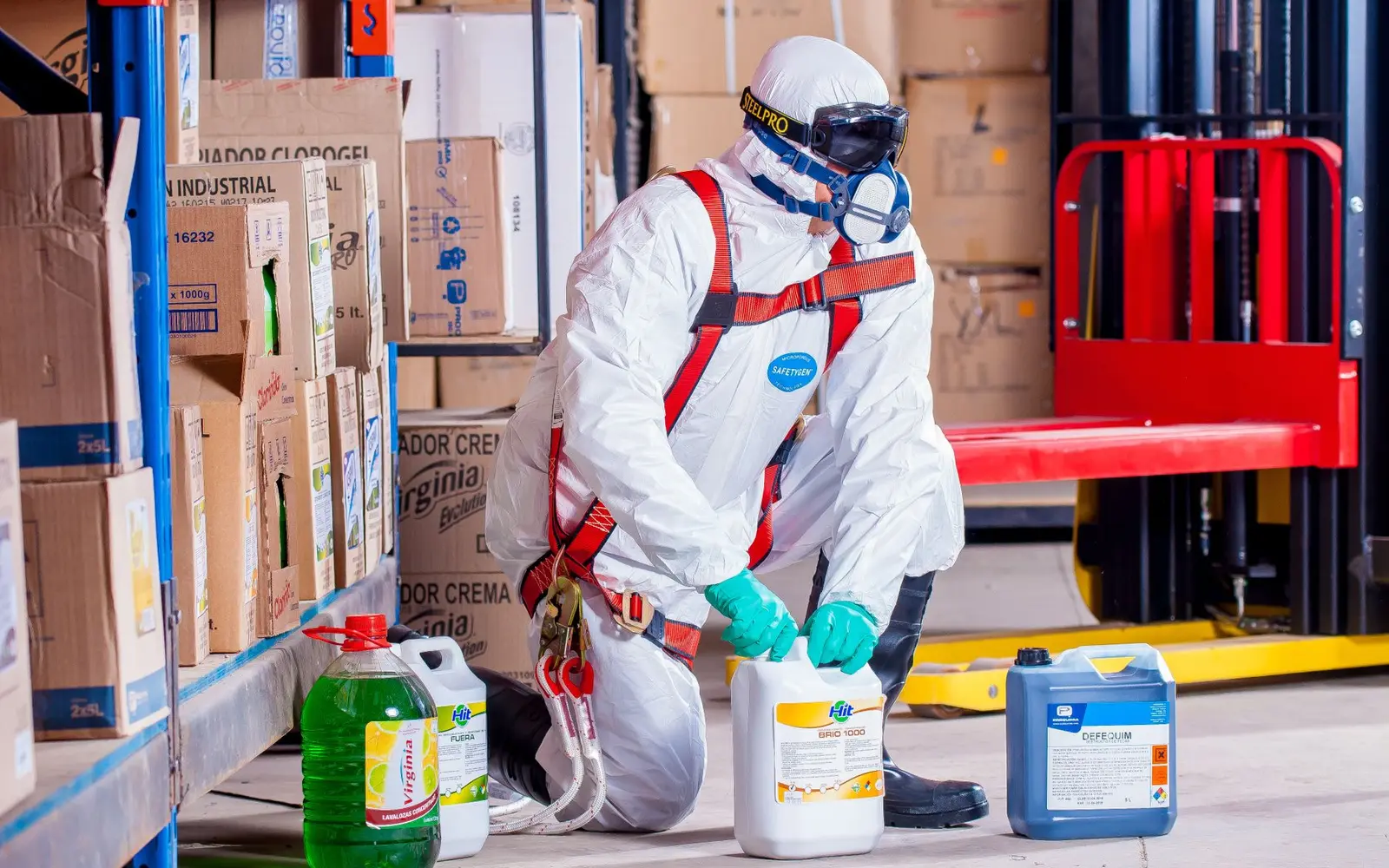
Warehouses and factories in Al Aziziyah Jeddah
Al Aziziyah is a dense, long established commercial district in north east central Jeddah, home to restaurants, cafes, food shops, popular markets and street vendors. Warehouses here stand surrounded by food waste and water sources, and pest pressure is relentless year round from the high residential and commercial density that feeds infestations from multiple sources.
-
Targeted, not broadcast
Product goes into cracks and runways, never sprayed across open surfaces.
-
Told before we start
What we will use, where it goes, and what to cover or move before we arrive.
-
A follow-up visit
We return after the first treatment, because what survives it does not show on the day.
-
Homes and businesses
Apartments and villas, and kitchens and stores that need a record of each visit.
Why they keep coming back in Al Aziziyah
Warehouses here store food products, clothing and furniture together in confined spaces, and food waste from adjacent restaurants draws rodents rapidly every night. The method is set out in full on how we approach Warehouses and factories.
Restaurants and markets shed waste that feeds continuous rodent pressure
Makarona Road is lined with restaurants and cafes that deposit waste in streets and alleys. Warehouses along this stretch become obvious targets for rodents and cockroaches foraging day and night.
High residential density provides unceasing pest pressure
The district is densely packed with residents and old apartment blocks stand very close together. Shared pipework between buildings and narrow gaps create rapid highways for insects to travel from one block to the next.
Popular markets below feed the pressure from underneath
The market bazaar below attracts pests daily because merchandise and waste sit exposed. Warehouses above or beside it cannot escape this ongoing pressure from below.
The character of Al Aziziyah
Mixed district: shops at street level with homes above them
A mixed district means residential flats sit directly above shops and warehouses. Shared plumbing between floors carries insects downward, so infestation comes not only through walls but directly from the flats above.
What the first walk through the building reads
The district is bounded by Tahliah Street to the north and Gharnatah Street to the south, with mid rise apartment blocks over shops crowding Makarona Road and narrow alleys packed with popular markets.

The shutter line
The goods-in door opens directly onto Makarona Road, congested with market vehicles and cafe customers all day.
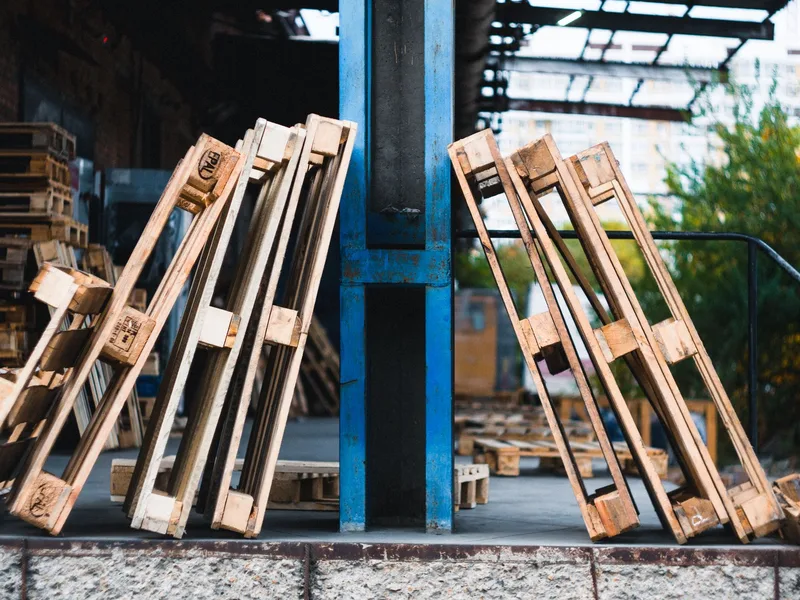
What comes in on the pallet
Stock arrives from nearby popular markets and shops, most of it stacked outdoors overnight.
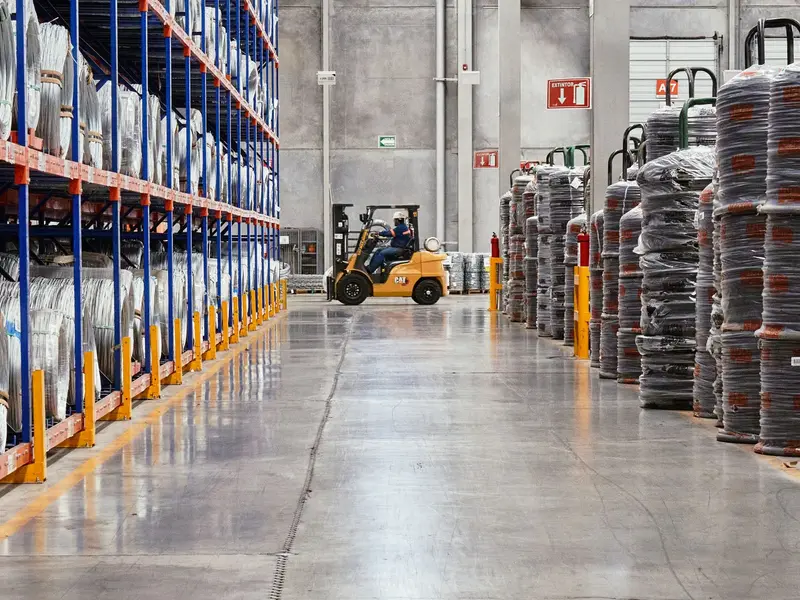
The strip along the wall
Racking stands in confined space between damp walls, and cracks in exterior walls are visible.
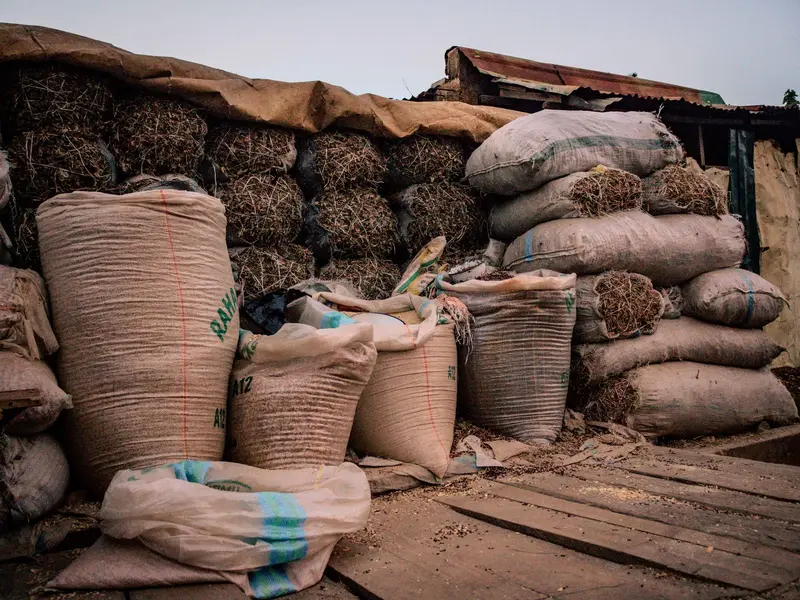
Spillage under the racking
Spillage beneath the racking attracts cockroaches and ants rapidly because the district is warm, humid and collects food waste.
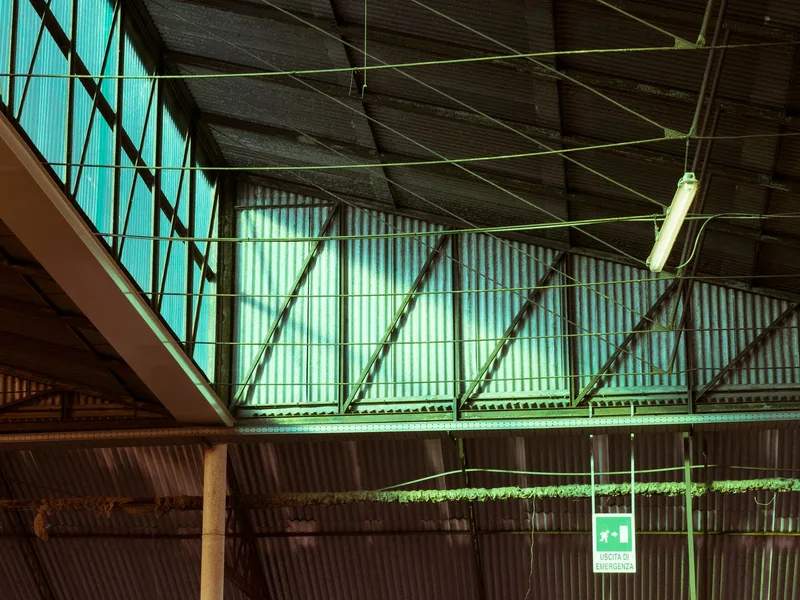
The roof and the openings above
The ceiling is low and upper openings face adjoining shops and restaurants directly.
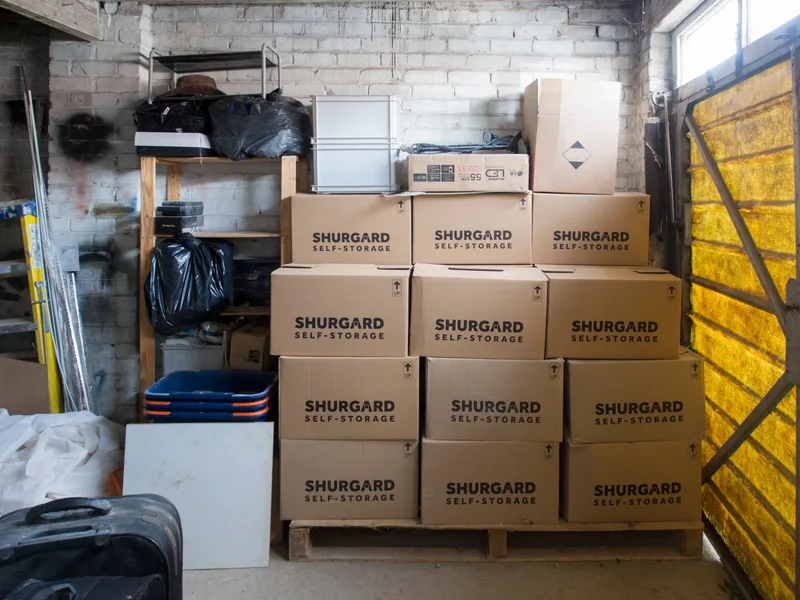
Stock that does not move
Slow moving stock, especially clothing and furniture, provides shelter for insects throughout the season.
How we work
-
1
Survey the building and locate the source
We walk from the goods-in door through the racking, the production areas and the outside wall line, and establish whether the pressure is stored product pests inside the goods, rodents from the perimeter or flying insects from waste and doorways, because each of those is a different programme.
-
2
Pheromone traps and numbered points
Species-specific pheromone traps through the storage areas, and monitoring points on the external ring and along the internal walls, numbered on the racking plan. A trap treats nothing, it tells us which aisle the numbers are climbing in.
-
3
Targeted treatment and isolating the consignment
Spillage is lifted first, then empty racking, wall and floor junctions and voids are treated, and nothing is placed over open stock or a running line. A consignment showing activity is isolated where it stands rather than carried through the building.
-
4
Sealing, then the scheduled visits
We close door gaps, openings and pipe entries, then come back on an agreed schedule: the same traps and points are read each time, and a report goes over what was found, what was treated and what the building still needs closed.
What warehouse pest control includes
-

Site survey and racking plan
A walk from the goods-in door to the last aisle, and a plan with every monitoring position numbered before anything is installed.
-

Pheromone traps and numbered points
Species-specific traps through the storage areas and points along the perimeter line, read and logged on every visit.
-

Targeted treatment of racking and junctions
On empty racking, wall and floor junctions and voids, never over open stock or a running line.
-

Drains, waste and the perimeter
Floor gullies, the container area and the outside wall line, because that is the source which renews itself.
-

Proofing and building findings
Shutter gaps, brush seals and mesh over openings, with a list of what the site needs to repair.
-

Scheduled visits and a report each time
Agreed dates set by the pressure on the site, the same traps read again, and a report that records every visit.
What is different about Al Aziziyah Sub-Municipality
The Al Aziziyah sub municipality takes in the established heart of northern Jeddah, from the Al Hamra corniche on the Red Sea to Al Rehab east of King Abdullah Road. Its buildings date back decades, mostly mid rise apartment blocks over shops and closely packed restaurants along Makarona Road, Tahliah Street and Palestine Street, alongside villas and hotel towers near the shore. Sea humidity is high in the western districts, plumbing and drainage in the older blocks are ageing, and food outlets, hospitals and irrigated gardens are everywhere, conditions that favour cockroaches, ants, mosquitoes and rodents throughout the year.
Questions about this district
Does the sea humidity in Al Aziziyah accelerate pest breeding cycles?
Yes, the western districts here sit close to the Red Sea, and constant humidity combines with warm air to double cockroach and ant breeding rates throughout the year.
The warehouse is surrounded by restaurants and shops. How often are traps read?
At minimum weekly, because pressure from surrounding sources is continuous. If activity appears, we move to twice weekly reading.
Do residential blocks above the warehouse mean constant reinfestation cycles?
Yes, shared pipes between the flats and warehouse are a repeated source. If the flat above is infested, the warehouse will be reinfested multiple times.
Popular markets are right beside the warehouse. What is the strategy?
We enforce strict control at entry points and openings. Traps are placed at every side passage and gap that connects the market to the warehouse.
Is treating the warehouse alone sufficient in a dense neighbourhood like this?
Usually not, because pressure returns from adjoining buildings and shops. We may need extended treatment of the entry zone and external passages.
Do shipments arriving from the markets around the warehouse always come infested?
Not always, but the risk is very high. We inspect every shipment from the market carefully before it enters the warehouse.
How much does warehouses and factories in Al Aziziyah cost?
It is set after the inspection, because the price follows the type of infestation, the size of the space, how far it has spread and the number of visits it needs. Send a photo and a description on WhatsApp and we will give you an estimate before we reach Al Aziziyah.
Other services in Al Aziziyah
Other services we provide to residents of Al Aziziyah.
-
 Residential
Cockroach control
Residential
Cockroach control
-
 Residential
Bed bug control
Residential
Bed bug control
-
 Residential
Termite control
Residential
Termite control
-
 Residential
Rodents and mice
Residential
Rodents and mice
-
 Residential
Mosquito control
Residential
Mosquito control
-
 Residential
Fly control
Residential
Fly control
-
 Residential
Ant control
Residential
Ant control
-
 Residential
Gecko control
Residential
Gecko control
-
 Residential
Scorpion control
Residential
Scorpion control
-
 Residential
Snake control
Residential
Snake control
-
 Residential
Flea control
Residential
Flea control
-
 Residential
Bird and pigeon control
Residential
Bird and pigeon control
-
 Residential
Preventive treatment
Residential
Preventive treatment
-
 Residential
Disinfection
Residential
Disinfection
-
 Commercial
Annual contracts
Commercial
Annual contracts
-
 Commercial
Restaurants and cafes
Commercial
Restaurants and cafes
-
 Commercial
Hotels and apartments
Commercial
Hotels and apartments
-
 Commercial
Schools and nurseries
Commercial
Schools and nurseries
-
 Commercial
Retail and malls
Commercial
Retail and malls
-
 Commercial
Rest houses and farms
Commercial
Rest houses and farms
-
 Commercial
Fumigation
Commercial
Fumigation
-
 Water tanks
Water tank cleaning
Water tanks
Water tank cleaning
-
 Water tanks
Water tank sterilization
Water tanks
Water tank sterilization
-
 Water tanks
Water tank sealing
Water tanks
Water tank sealing
-
 Water tanks
Tank leak repair
Water tanks
Tank leak repair
Need warehouses and factories in Al Aziziyah? Tell us what you saw and we will tell you what it needs
We reach Al Aziziyah at a time we agree, and you get the full cost before we start.