
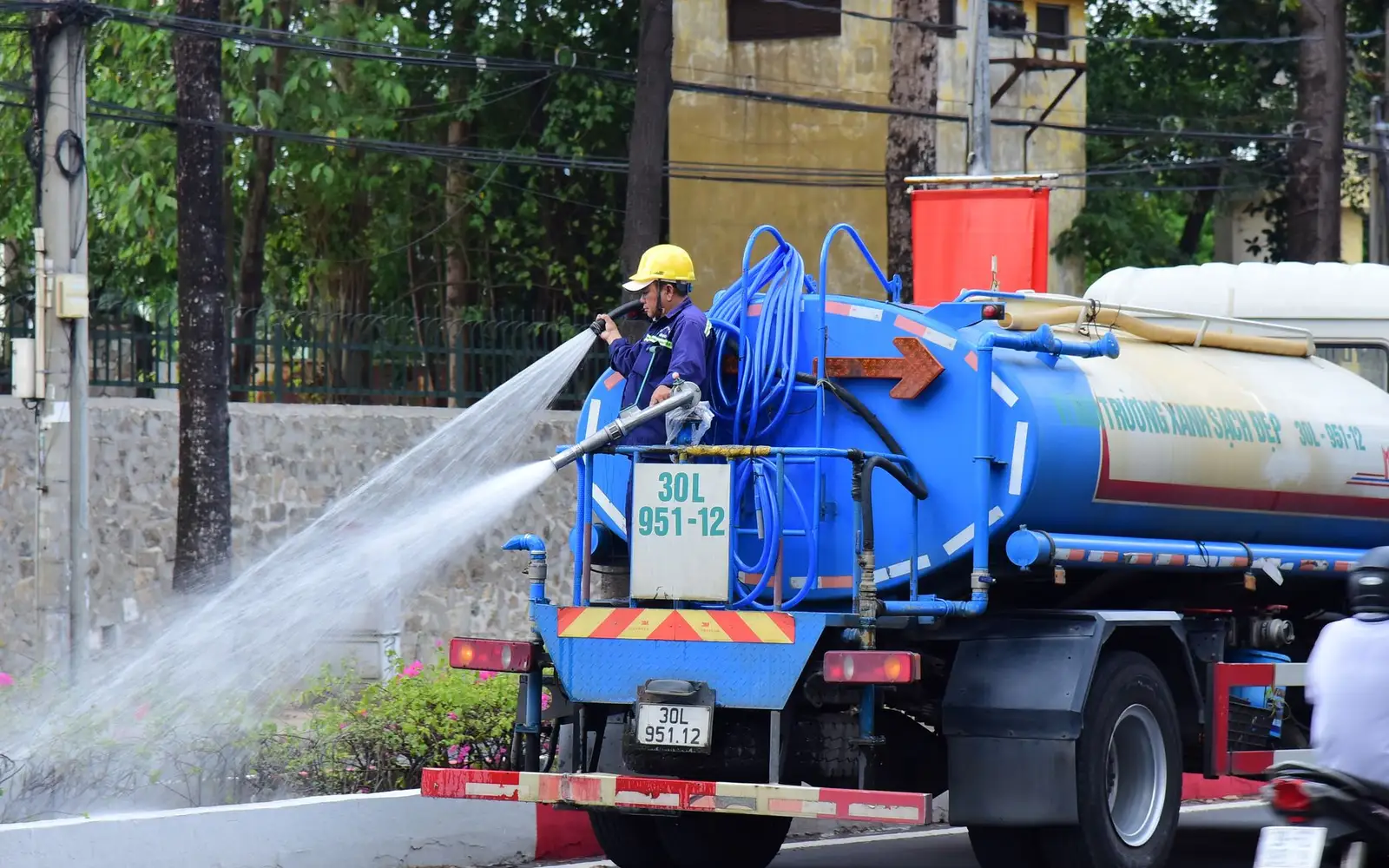
Water tank cleaning in Al Rawdah Jeddah
Al Rawdah is an upmarket central northern district with villas and modern apartment buildings. But the tanks here serve both luxury villas with gardens and residential blocks, creating uneven water demand between properties. Water quality suffers from inconsistent consumption patterns.
-
Potable-rated materials
Linings and disinfectants cleared for drinking water tanks, not general-purpose products.
-
You get the downtime first
How many hours the tank is out of service, told before we start rather than after we finish.
-
A first-draw flush
We run the first draw off after refilling, and the tank is not handed back until the water runs clear.
-
Ground and roof tanks
Villas, apartment blocks and premises that need a written record of each visit.
Why the job is different in Al Rawdah
Upmarket villas have irrigated gardens and air conditioning that consumes water heavily, while nearby residential blocks use less. The imbalance in demand affects water quality in shared tanks. The method is set out in full on how we approach Water tank cleaning.
Garden irrigation causes sudden heavy demand spikes
Luxury villas have large gardens and automated watering systems that consume large water volumes at set times. Rapid demand changes stir floor sediment and destabilise the settled layer.
Mixed demand between villas and apartment blocks
A single tank may serve both luxury villas and residential blocks, creating large consumption swings between properties. Pressure fluctuations break up sediment layers and cloud the water.
Cooling and humidity systems draw additional water
Upmarket villas have central air systems and humidifiers that use water for misting. This extra consumption affects salt and sediment ratios in the tank and alters water chemistry.
Al Rawdah on the map
Al Rawdah sits about 2.5 km from Al Khalidiyah and about 3 km from Al Salamah.
Open in Google MapsThe condition of the tank decides the method
A central northern district on Madinah Road, with spacious upmarket villas and modern apartment buildings, commercial streets and public parks.
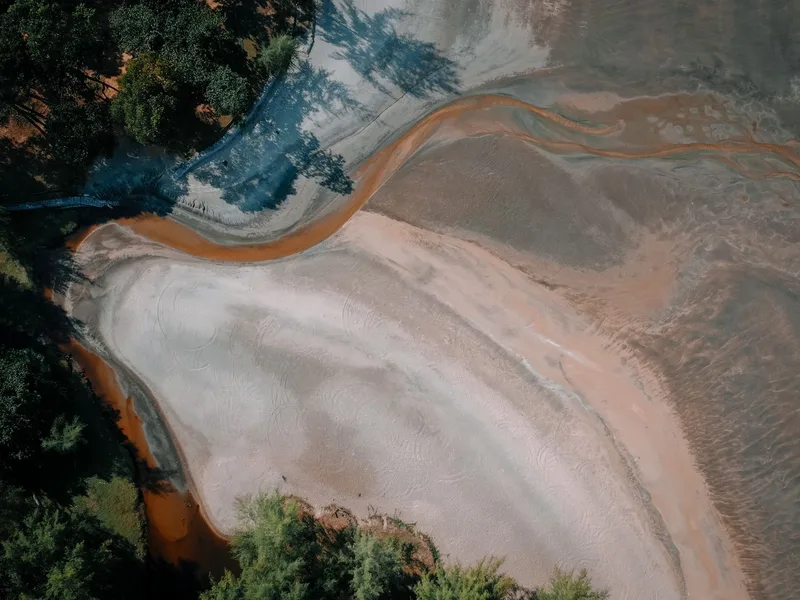
The layer on the floor
The floor layer is grey from fine sand and sediment, easily stirred by pressure swings, needing regular maintenance cleaning.
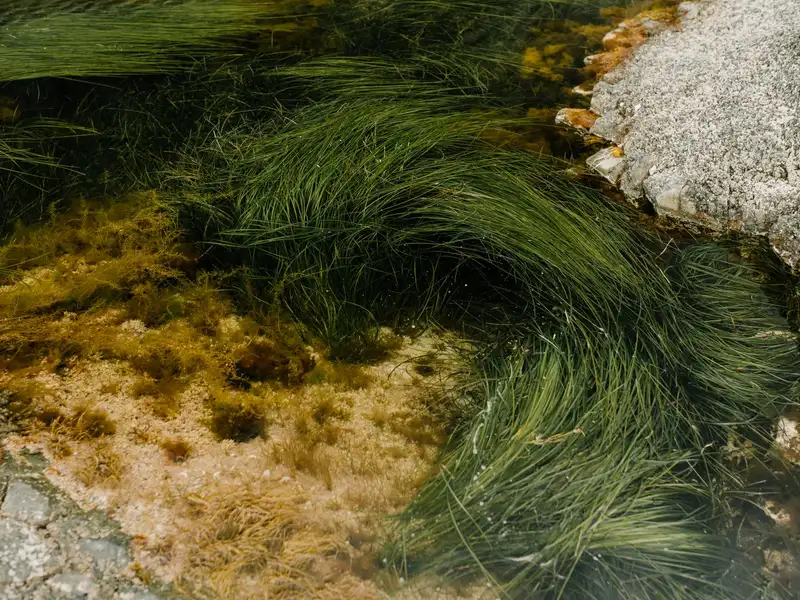
Light and algae
Green algae grows moderately because modern tanks are shaded, but darkness and reduced light favour bacterial growth instead.
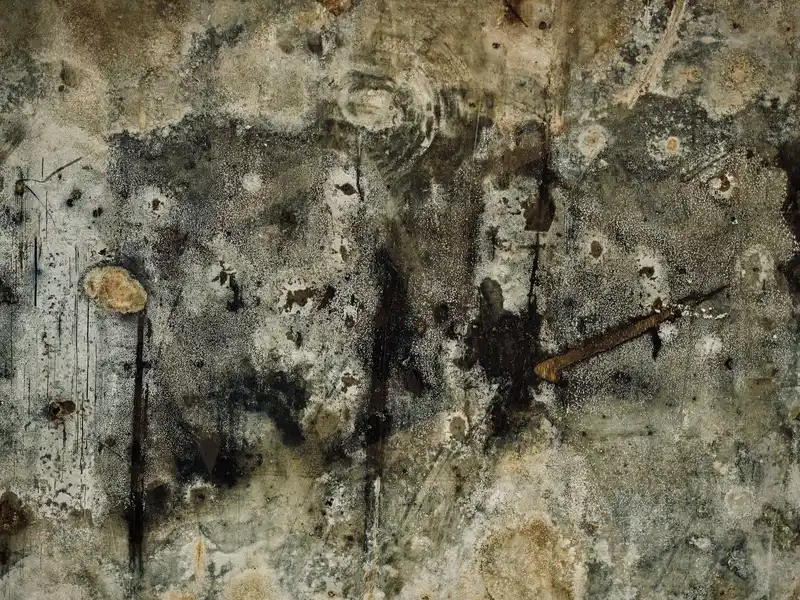
The deposit on the wall
Wall deposits are white or grey salt and fine sand, easy to remove but return quickly as consumption fluctuates.
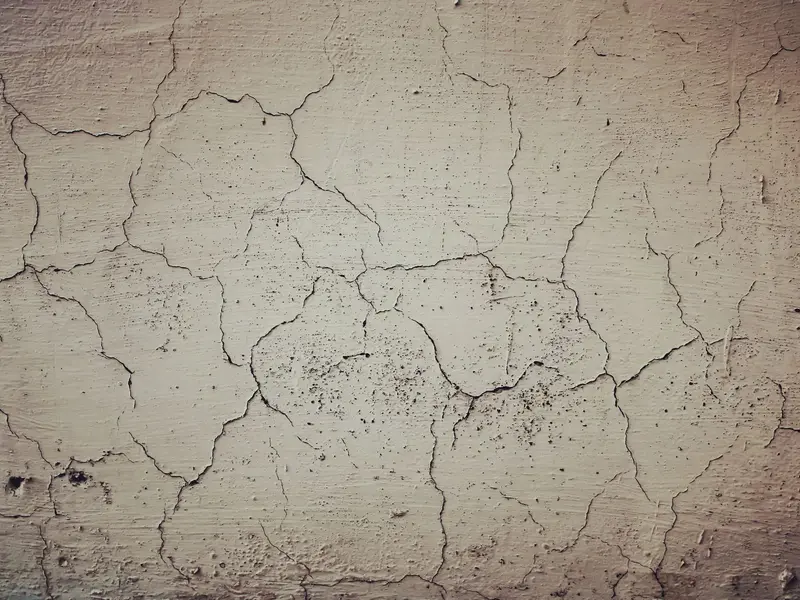
The lining and hairline cracks
Hairline cracks are rare in modern tanks but pressure spikes may initiate small ones.
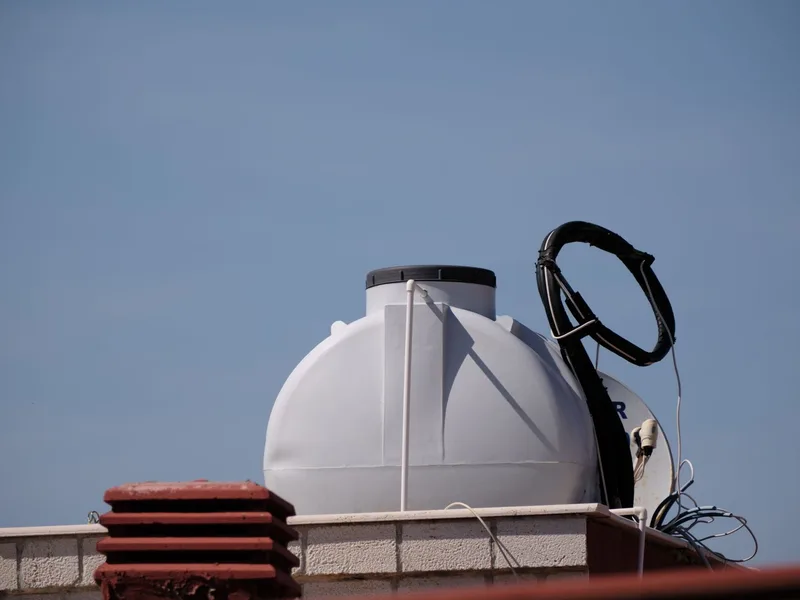
The lid and the access hatch
The lid and access door are usually well maintained, though slow seeps from pipe joints can occur.
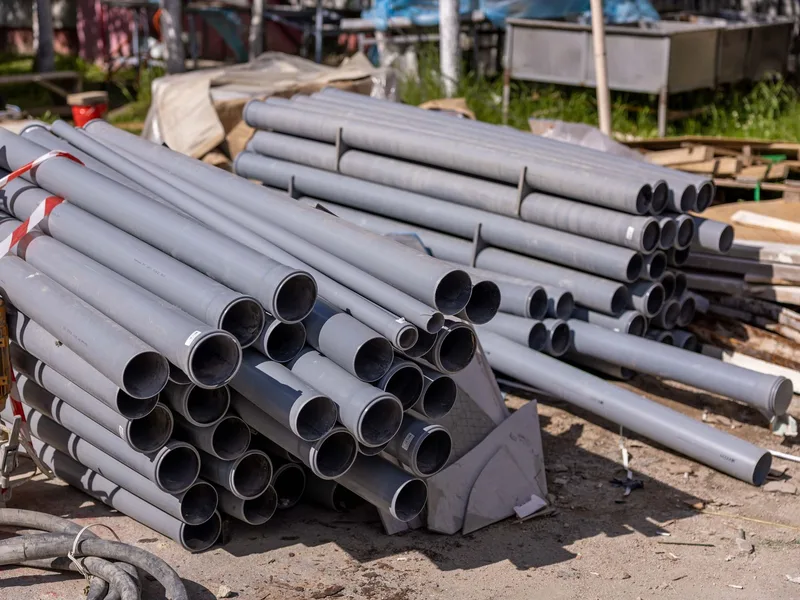
The vent and the overflow pipe
The vent opening is typically sound in modern tanks, though the overflow pipe may be narrower than ideal.
How we work
-
1
Inspect before the drain
Tank type and material, the condition of the lining, the depth of the sediment, the lid and the vent, and where the drained water will go. We agree the window without supply before anything is opened.
-
2
Drain, then lift the sludge
The water leaves through the outlet, then the layer beneath it is taken out by hand and by suction. That layer is the reason for the visit, not the water that ran out ahead of it.
-
3
High pressure wash
Walls, floor and the joint where they meet, with a brush wherever the film resists, then the wash water is taken out completely so nothing we lifted settles again.
-
4
Disinfect and put back in service
Disinfectant over every internal surface, left for its contact time and then rinsed out, followed by the refill, a first draw off at the taps, and a report on what was inside the tank.
What water tank cleaning includes
-

An inspection before the valve
Tank type, lining condition, depth of sediment, lid and vent, recorded before any water leaves.
-

Full drain and sediment removal
The water through the outlet, and the layer below it by hand and by suction until the floor itself is showing.
-

Pressure washing walls and floor
High pressure across the surfaces and corners, and a brush on anything water alone will not lift.
-

Disinfection after the wash
A disinfectant intended for drinking water tanks, named to you before it is used, left for its contact time and then rinsed out.
-

Refill and the first draw off
We refill, run the taps so the new water moves through the pipework, and tell you when it is ready to use.
-

A report and the next date
What was inside the tank, anything on the lid or the lining that needs repair, and a sensible date for the next clean.
The character of Al Rawdah
Mixed district: shops at street level with homes above them
Ground floor shops beside the villas increase water movement and consumption, and may leave traces from drainage systems that affect sediment patterns in shared tanks.
Questions about this district
Why does water cloud when irrigation starts at dawn?
Morning watering draws large volumes suddenly, raising pressure on the tank floor and re-suspending sediment and fine particles.
Should villas and flats have separate tanks?
Ideally yes, but if they share one, a larger tank and more frequent cleaning are needed to handle the consumption swings.
Do air conditioning and humidity systems pollute the tank?
Not directly, but they consume extra water. In a small tank, this raises salt and sediment ratios.
How often should shared tanks be cleaned?
Every two to three months, because consumption swings constantly stir the floor layer.
Does water run out faster in summer?
Yes. Watering and cooling increase consumption sharply in summer, and tank levels may drop very quickly.
Does Al Rawdah Park affect the tank nearby?
The park may shelter small insects but large trees reduce dust settling around the area slightly.
How much does water tank cleaning in Al Rawdah cost?
It is set after the inspection, because the price follows the type of infestation, the size of the space, how far it has spread and the number of visits it needs. Send a photo and a description on WhatsApp and we will give you an estimate before we reach Al Rawdah.
Nearby districts we cover
Other services in Al Rawdah
Other services we provide to residents of Al Rawdah.
-
 Residential
Cockroach control
Residential
Cockroach control
-
 Residential
Bed bug control
Residential
Bed bug control
-
 Residential
Termite control
Residential
Termite control
-
 Residential
Rodents and mice
Residential
Rodents and mice
-
 Residential
Mosquito control
Residential
Mosquito control
-
 Residential
Fly control
Residential
Fly control
-
 Residential
Ant control
Residential
Ant control
-
 Residential
Gecko control
Residential
Gecko control
-
 Residential
Scorpion control
Residential
Scorpion control
-
 Residential
Snake control
Residential
Snake control
-
 Residential
Flea control
Residential
Flea control
-
 Residential
Bird and pigeon control
Residential
Bird and pigeon control
-
 Residential
Preventive treatment
Residential
Preventive treatment
-
 Residential
Disinfection
Residential
Disinfection
-
 Commercial
Annual contracts
Commercial
Annual contracts
-
 Commercial
Restaurants and cafes
Commercial
Restaurants and cafes
-
 Commercial
Hotels and apartments
Commercial
Hotels and apartments
-
 Commercial
Warehouses and factories
Commercial
Warehouses and factories
-
 Commercial
Schools and nurseries
Commercial
Schools and nurseries
-
 Commercial
Retail and malls
Commercial
Retail and malls
-
 Commercial
Rest houses and farms
Commercial
Rest houses and farms
-
 Commercial
Fumigation
Commercial
Fumigation
-
 Water tanks
Water tank sterilization
Water tanks
Water tank sterilization
-
 Water tanks
Water tank sealing
Water tanks
Water tank sealing
-
 Water tanks
Tank leak repair
Water tanks
Tank leak repair
Need water tank cleaning in Al Rawdah? Tell us what you saw and we will tell you what it needs
We reach Al Rawdah at a time we agree, and you get the full cost before we start.