
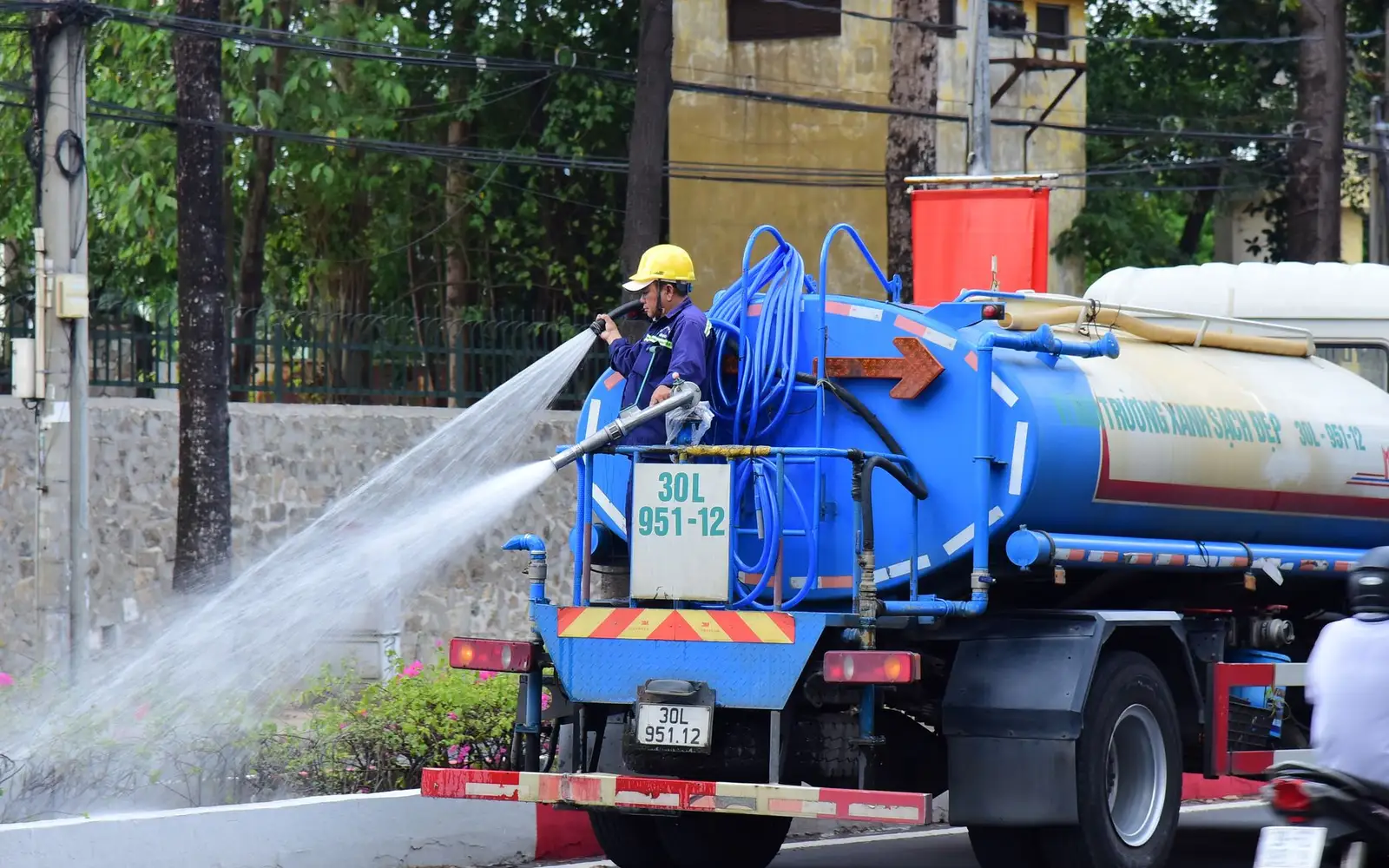
Water tank cleaning in Al Umrah Al Jadidah Makkah
Al Umrah Al Jadidah is a residential district on the Madinah road east of An Nawwariyah, forming the newer planned half of the wider Al Umrah area. Villas and apartment blocks spread across wide plots alongside parks, shops and mosques. The district sits on a pilgrim route, so buildings receive waves of short-term residents each year, putting consumption patterns on the tanks that do not resemble typical year-round suburbs where residents stay and usage remains steady.
-
Potable-rated materials
Linings and disinfectants cleared for drinking water tanks, not general-purpose products.
-
You get the downtime first
How many hours the tank is out of service, told before we start rather than after we finish.
-
A first-draw flush
We run the first draw off after refilling, and the tank is not handed back until the water runs clear.
-
Ground and roof tanks
Villas, apartment blocks and premises that need a written record of each visit.
Why the job is different in Al Umrah Al Jadidah
Tanks here may serve family villas next to small guesthouses or temporary lodgings for pilgrims, bearing consumption patterns that swing radically from week to week as occupancy changes. The method is set out in full on Water tank cleaning in detail.
The Madinah road attracts pilgrims whose sudden water use spikes consumption
Al Umrah Al Jadidah sits on the Madinah road where pilgrims stop to don ihram and rest. Villas and flats are rented to pilgrim families for weeks at a time. Water consumption spikes dramatically and drops sharply. Tanks bear pressure unknown in a purely residential suburb. Sediment that settles quietly in slow periods gets stirred when consumption suddenly peaks, lifting sludge from the floor and clouding the tank with a burst of suspended matter.
Hajj and Umrah seasonality means uneven consumption all year long
Al Umrah Al Jadidah belongs to an Al Umrah area that receives cyclical waves of pilgrims. Some flats stand empty for a month, then house ten people for a week, then empty again. This extreme swing causes unique problems. Water standing idle grows minimal bacterial film, then sudden high consumption stirs the settled layer fast. The tank here needs seasonal cleaning before the peak season, not just annual maintenance.
Wadis carry floods that leave damp silt pressing on tank walls from outside
Wadi Saraf and Wadi At Tanim run through the Al Umrah area. When rain falls, it brings heavy silt from higher ground down to low-lying foundations. Moisture and sediment press against tank walls from outside. This seasonal pressure recurs each year, and some years bring harder rain. Small cracks that close in summer open again when winter pressure returns.
Al Umrah Al Jadidah on the map
Al Umrah Al Jadidah sits about 4 km from An Nawwariyah and about 6 km from At Tanim.
Open in Google MapsThe condition of the tank decides the method
A residential district on a route that serves pilgrims and umrah visitors, near the Fourth Ring Road, with small hotels, furnished rentals and seasonal markets that swell during Hajj and Umrah periods.
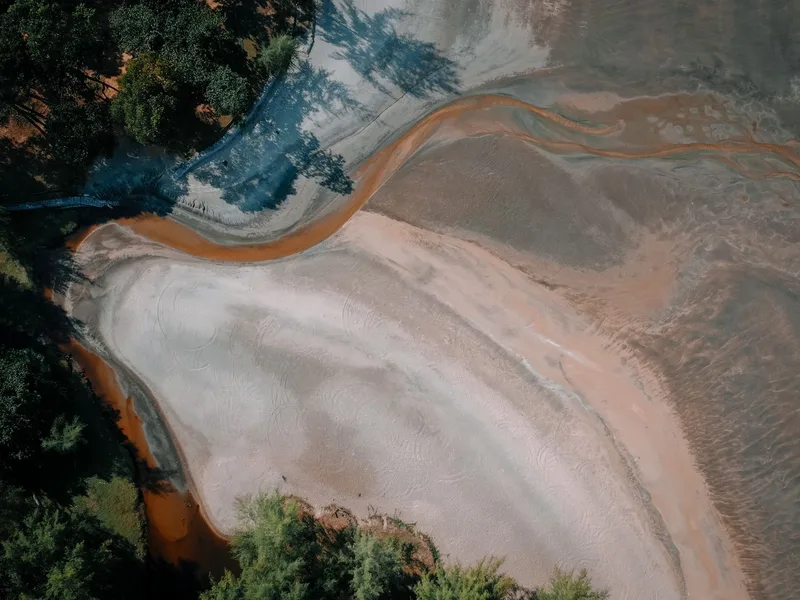
The layer on the floor
The floor layer shifts with consumption: thick and settled during empty periods, light and suspended during peak seasons when the tank drains fast.
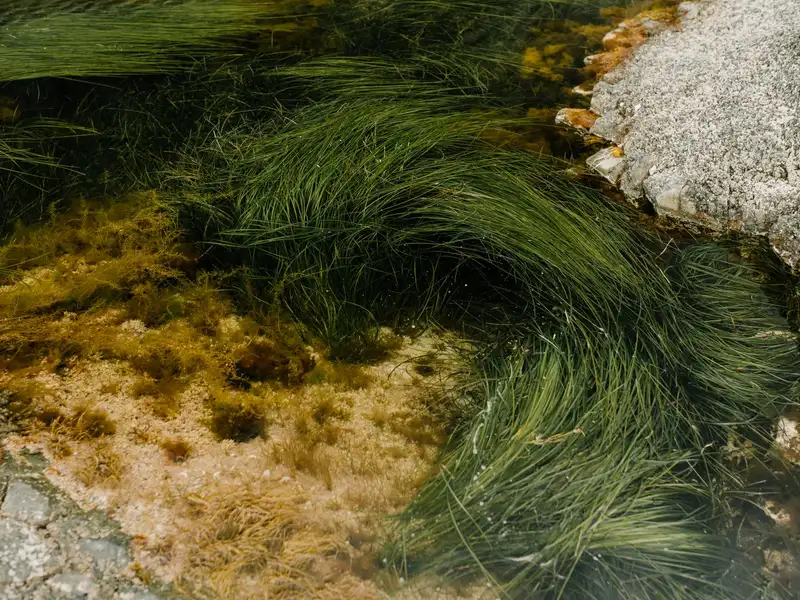
Light and algae
Algae are rare because standing water breeds bacterial film more than algae, and light penetration may be poor in a covered tank.
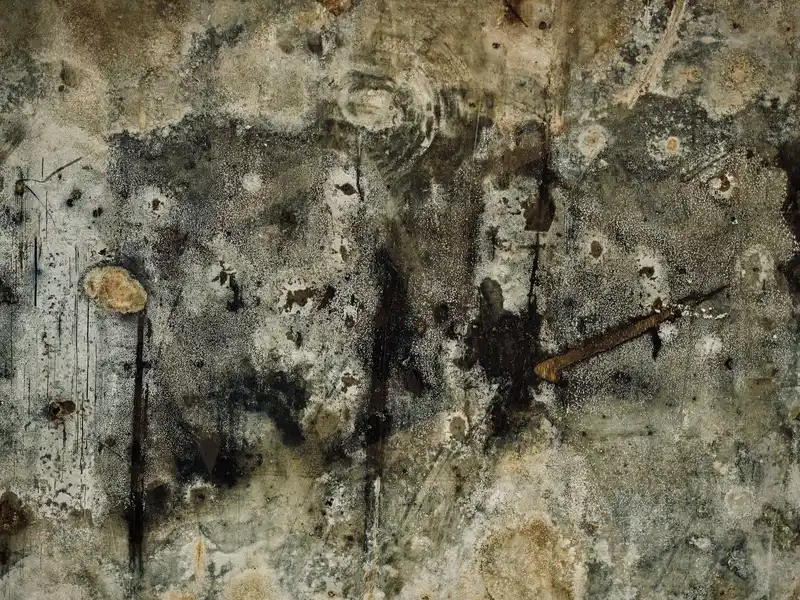
The deposit on the wall
The walls carry a film that changes shade: paler during empty periods and darker immediately after peak season peaks.
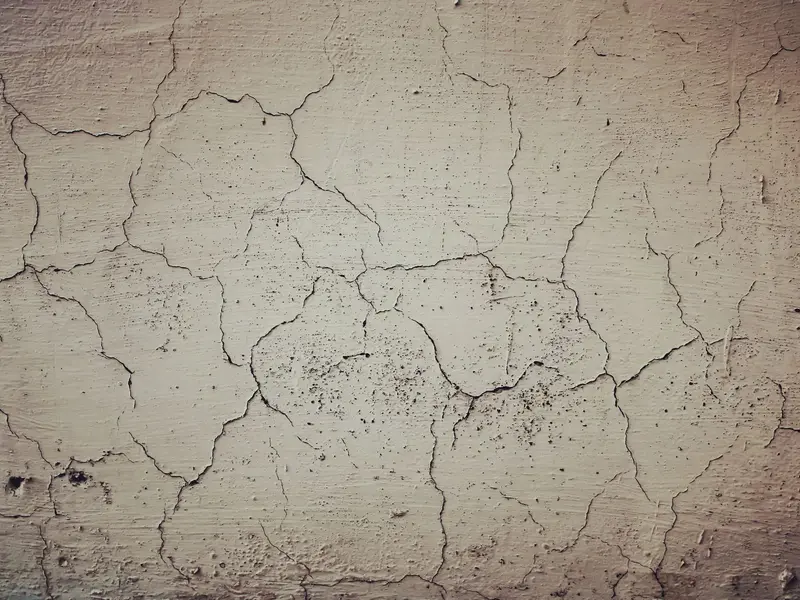
The lining and hairline cracks
Hairline cracks widen with winter pressure from floods and moisture, then contract again in summer heat.
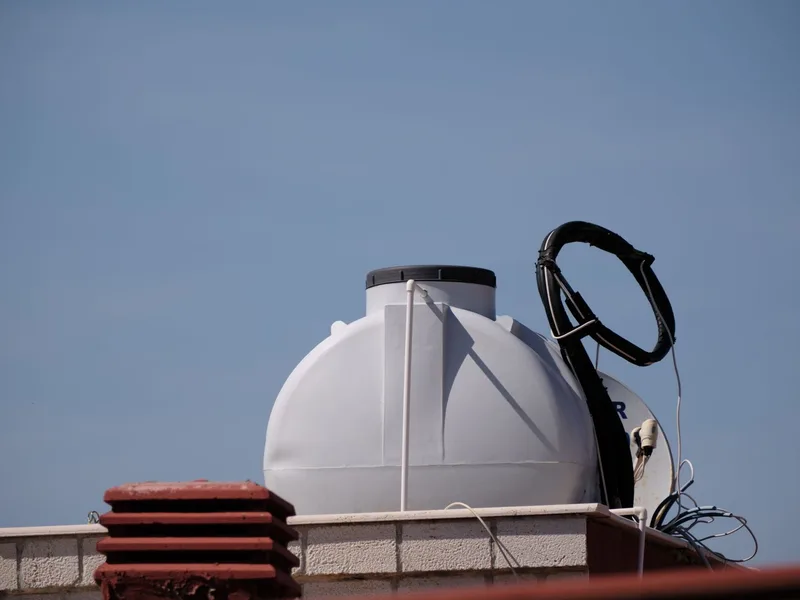
The lid and the access hatch
The lid and hatch may be incomplete or lack proper seals, especially on villas and flats that are rented seasonally.
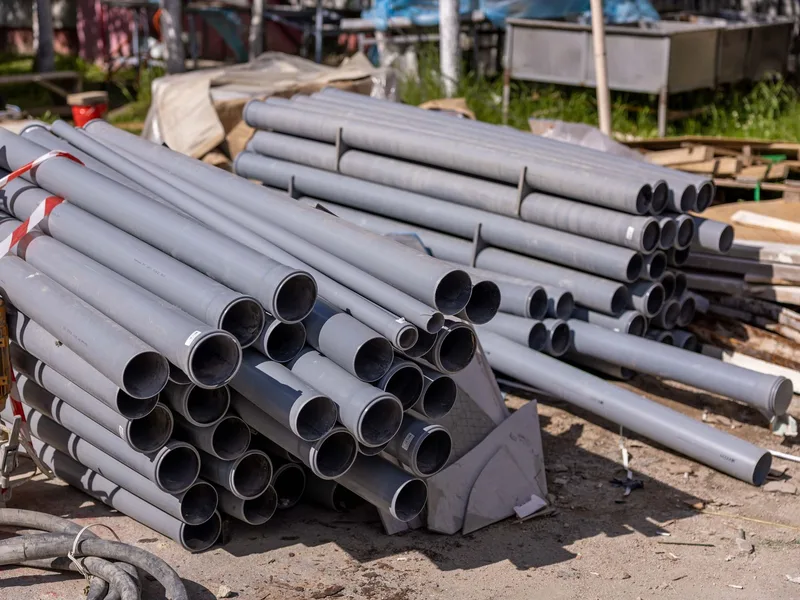
The vent and the overflow pipe
The vent and overflow pipe may weep if water pressure rises rapidly when a wave of pilgrims suddenly fills the tank.
How we work
-
1
Inspect before the drain
Tank type and material, the condition of the lining, the depth of the sediment, the lid and the vent, and where the drained water will go. We agree the window without supply before anything is opened.
-
2
Drain, then lift the sludge
The water leaves through the outlet, then the layer beneath it is taken out by hand and by suction. That layer is the reason for the visit, not the water that ran out ahead of it.
-
3
High pressure wash
Walls, floor and the joint where they meet, with a brush wherever the film resists, then the wash water is taken out completely so nothing we lifted settles again.
-
4
Disinfect and put back in service
Disinfectant over every internal surface, left for its contact time and then rinsed out, followed by the refill, a first draw off at the taps, and a report on what was inside the tank.
What water tank cleaning includes
-

An inspection before the valve
Tank type, lining condition, depth of sediment, lid and vent, recorded before any water leaves.
-

Full drain and sediment removal
The water through the outlet, and the layer below it by hand and by suction until the floor itself is showing.
-

Pressure washing walls and floor
High pressure across the surfaces and corners, and a brush on anything water alone will not lift.
-

Disinfection after the wash
A disinfectant intended for drinking water tanks, named to you before it is used, left for its contact time and then rinsed out.
-

Refill and the first draw off
We refill, run the taps so the new water moves through the pipework, and tell you when it is ready to use.
-

A report and the next date
What was inside the tank, anything on the lid or the lining that needs repair, and a sensible date for the next clean.
What is different about Al Umrah Sub-Municipality
Al Umrah sub municipality covers the north west of Makkah along the Madinah road and the old Jeddah road, from At Tanim and Masjid Aisha to An Nawwariyah. Its districts are the city's newest, villas and apartment blocks raised on wide schemes where large tracts in Al Umrah Al Jadidah, Al Fayha and Al Buhayrat remain vacant or under construction. Wadi Saraf and Wadi At Tanim run through it and rainwater gathers on unfinished schemes, ihram shops, restaurants and coach stops along the Madinah road serve a constant flow of pilgrims, and villas fill Al Hamra and Umm Al Jud.
Questions about this district
Water turns cloudy when pilgrim season arrives and the flat fills suddenly. Why?
Sudden high consumption stirs the settled layer at the tank bottom. When the first wave of pilgrims arrives, the tank empties fast and sludge rises. Cleaning before the peak season is essential. We recommend cleaning in the weeks just before Hajj and Umrah periods begin.
The villa sits empty for a month and the water vanishes. Does the tank need anything?
The tank does not need treatment, but it benefits from care. Standing water may develop minimal bacterial film. When the villa returns to use, cleaning or at least flushing is wise. Good ventilation matters.
We rent the flat to pilgrims in the season. Is the water safe for them?
If the flat has been empty long before the guests arrive, clean it before they check in. Standing water contains fewer active microbes than usual but carries more settled matter. After the season, if the flat sits empty for months again, clean before the next occupancy cycle.
Winter floods raise moisture around the tank. What can we do?
High moisture in winter lets water seep through foundation cracks. Cleaning in autumn before the wet season helps. After heavy rain, inspect the tank immediately. Perimeter waterproofing or a drainage trench may help if moisture is persistent.
Does a flat and villa sharing one tank need seasonal maintenance?
If they share the same tank, yes. Pilgrim seasonality affects both. Cleaning before the peak season is needed. If the flat is rented and the villa is always occupied, pre-season cleaning before each Umrah peak is best for water quality.
Water tastes odd one week after the season ends. Why?
Just after a peak season, the tank may hold residue from sludge that was lifted during high demand. As consumption returns to normal, this sediment settles slowly. The taste clears within one or two weeks, but quick cleaning right after peak season may speed recovery.
How much does water tank cleaning in Al Umrah Al Jadidah cost?
It is set after the inspection, because the price follows the type of infestation, the size of the space, how far it has spread and the number of visits it needs. Send a photo and a description on WhatsApp and we will give you an estimate before we reach Al Umrah Al Jadidah.
Nearby districts we cover
Other services in Al Umrah Al Jadidah
Other services we provide to residents of Al Umrah Al Jadidah.
-
 Residential
Cockroach control
Residential
Cockroach control
-
 Residential
Bed bug control
Residential
Bed bug control
-
 Residential
Termite control
Residential
Termite control
-
 Residential
Rodents and mice
Residential
Rodents and mice
-
 Residential
Mosquito control
Residential
Mosquito control
-
 Residential
Fly control
Residential
Fly control
-
 Residential
Ant control
Residential
Ant control
-
 Residential
Gecko control
Residential
Gecko control
-
 Residential
Scorpion control
Residential
Scorpion control
-
 Residential
Snake control
Residential
Snake control
-
 Residential
Flea control
Residential
Flea control
-
 Residential
Bird and pigeon control
Residential
Bird and pigeon control
-
 Residential
Preventive treatment
Residential
Preventive treatment
-
 Residential
Disinfection
Residential
Disinfection
-
 Commercial
Annual contracts
Commercial
Annual contracts
-
 Commercial
Restaurants and cafes
Commercial
Restaurants and cafes
-
 Commercial
Hotels and apartments
Commercial
Hotels and apartments
-
 Commercial
Warehouses and factories
Commercial
Warehouses and factories
-
 Commercial
Schools and nurseries
Commercial
Schools and nurseries
-
 Commercial
Retail and malls
Commercial
Retail and malls
-
 Commercial
Rest houses and farms
Commercial
Rest houses and farms
-
 Commercial
Fumigation
Commercial
Fumigation
-
 Water tanks
Water tank sterilization
Water tanks
Water tank sterilization
-
 Water tanks
Water tank sealing
Water tanks
Water tank sealing
-
 Water tanks
Tank leak repair
Water tanks
Tank leak repair
Need water tank cleaning in Al Umrah Al Jadidah? Tell us what you saw and we will tell you what it needs
We reach Al Umrah Al Jadidah at a time we agree, and you get the full cost before we start.