
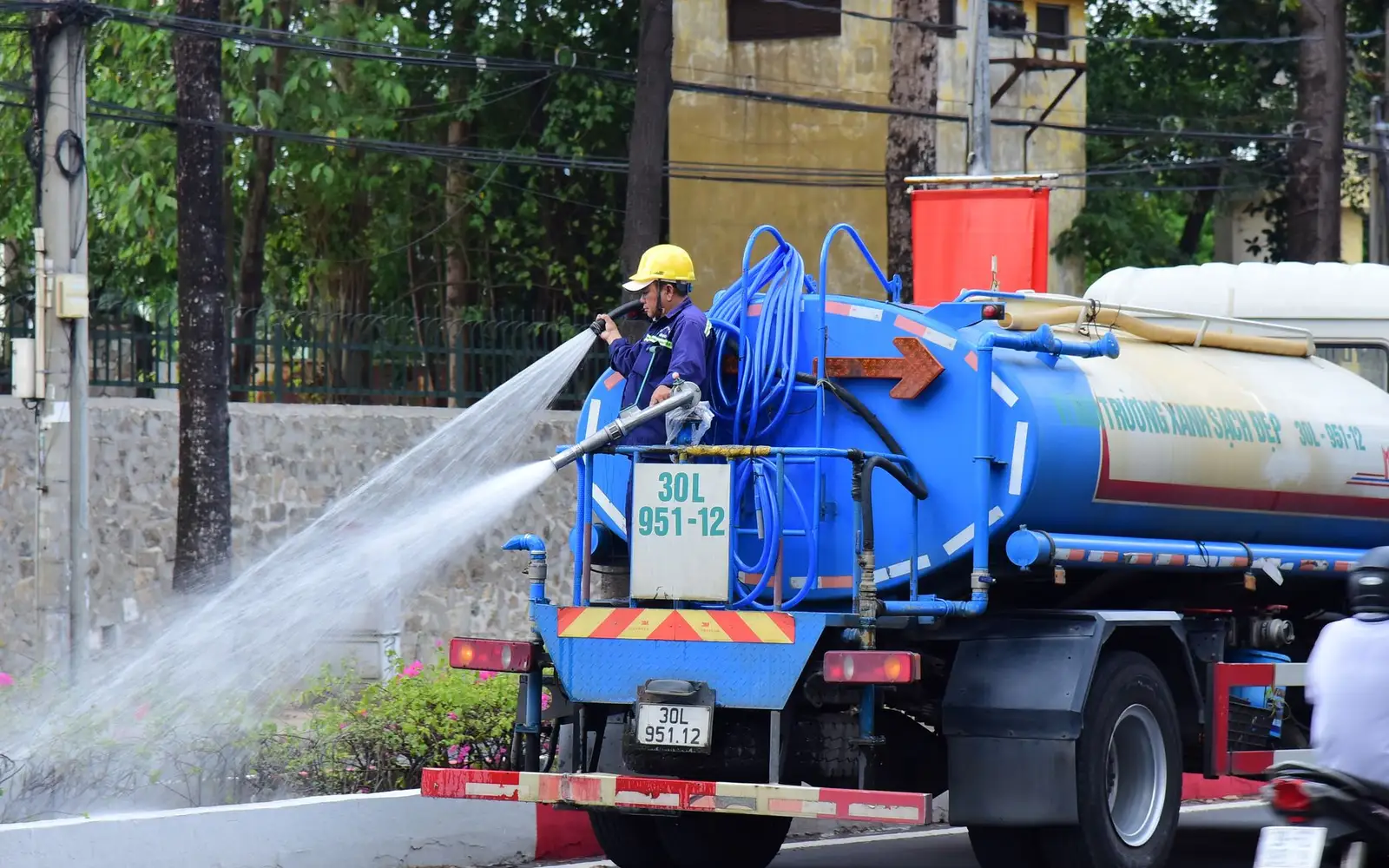
Water tank cleaning in Al Utaybiyah Makkah
Al Utaybiyah is an old, crowded quarter under three kilometres north of the Grand Mosque, with ageing houses clinging to hillsides served by a sewer network more than forty years old. Tanks here contend with aged buildings, corroded piping and constant seepage from the neglected sewerage infrastructure around them.
-
Potable-rated materials
Linings and disinfectants cleared for drinking water tanks, not general-purpose products.
-
You get the downtime first
How many hours the tank is out of service, told before we start rather than after we finish.
-
A first-draw flush
We run the first draw off after refilling, and the tank is not handed back until the water runs clear.
-
Ground and roof tanks
Villas, apartment blocks and premises that need a written record of each visit.
Why the job is different in Al Utaybiyah
Tanks here hold layered deposits built up over decades and experience persistent seepage from old sewer lines passing near or around the tank itself. The method is set out in full on what Water tank cleaning involves.
Fractured piping and primitive sewerage
Water and sewer lines are both over forty years old and may run close together. Leaks from the sewer introduce layers of faecal bacteria and heavy metals into the tank.
Popular market and seasonal consumption surges
In Hajj, Umrah and Ramadan the market floods with pilgrims and water consumption spikes. A single tank may empty ten times daily, dropping pressure so low it can siphon sewage seepage inward.
Hillside houses and surface drainage
Houses cling to the slope and surface water runs downslope. During heavy rains and Hajj season, contaminated runoff from the hillside can enter the tank through ground seepage and cracks.
The character of Al Utaybiyah
Historic district: close-set buildings, narrow lanes and ageing services
In an old, crowded quarter like this, the tank suffers not just from its own age but from the age of the entire building stock around it.
The condition of the tank decides the method
The Al Utaybiyah popular market sprawls along Hajun Street with shops for clothing, household goods and pilgrim supplies, busiest in Ramadan and Hajj season when pilgrims flood the lanes.
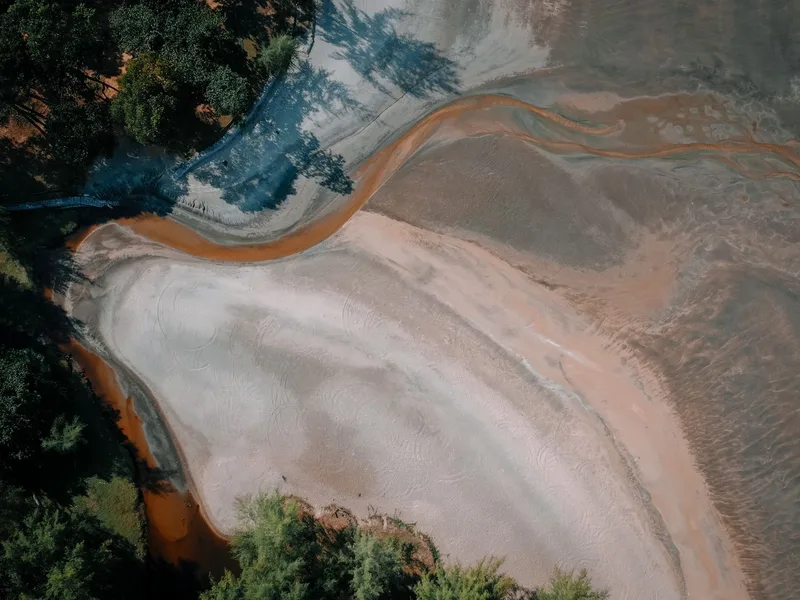
The layer on the floor
The settled layer is black and foul from ancient faecal bacteria and heavy metals and hydrogen sulphide compounds leaking from aged sewer lines.
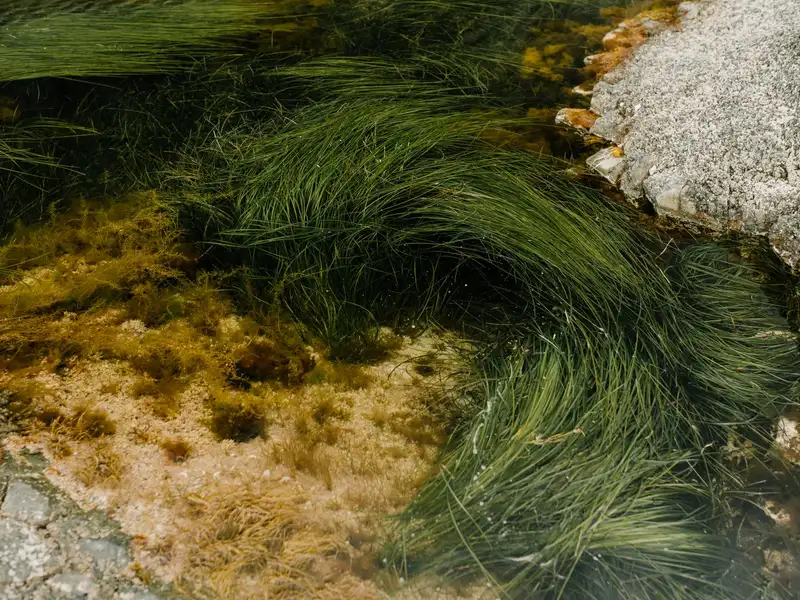
Light and algae
Algae is thick and black because anaerobic bacteria thrive in the polluted, dark environment and consume decomposing organic matter.
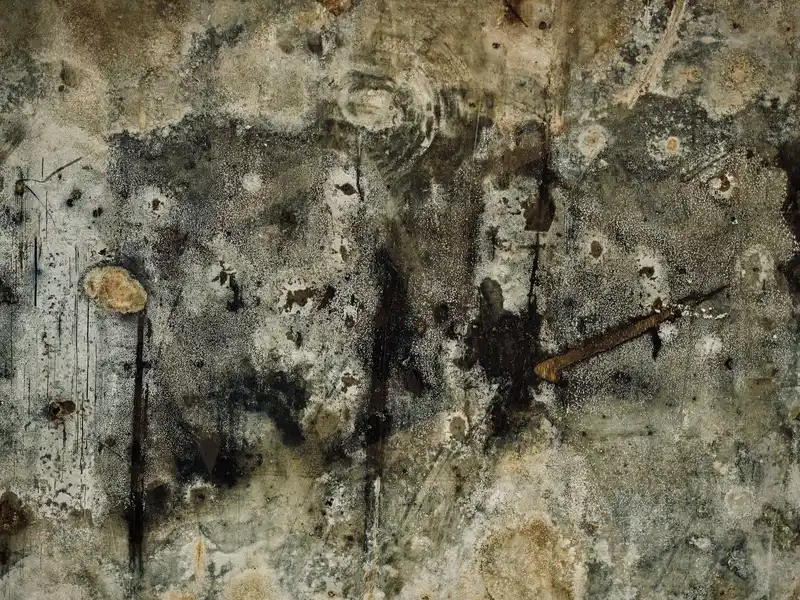
The deposit on the wall
Wall deposits are black and brown from a mixture of bacteria, metals and sulphides, firmly bonded and extremely difficult to clean off.
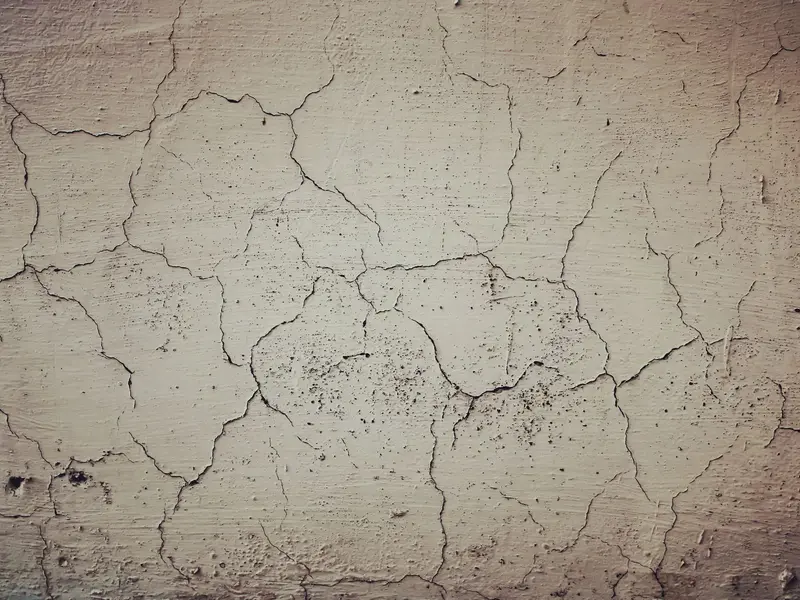
The lining and hairline cracks
Concrete lining is old and likely cracked in several places, with fissures allowing contaminated groundwater to seep inward.
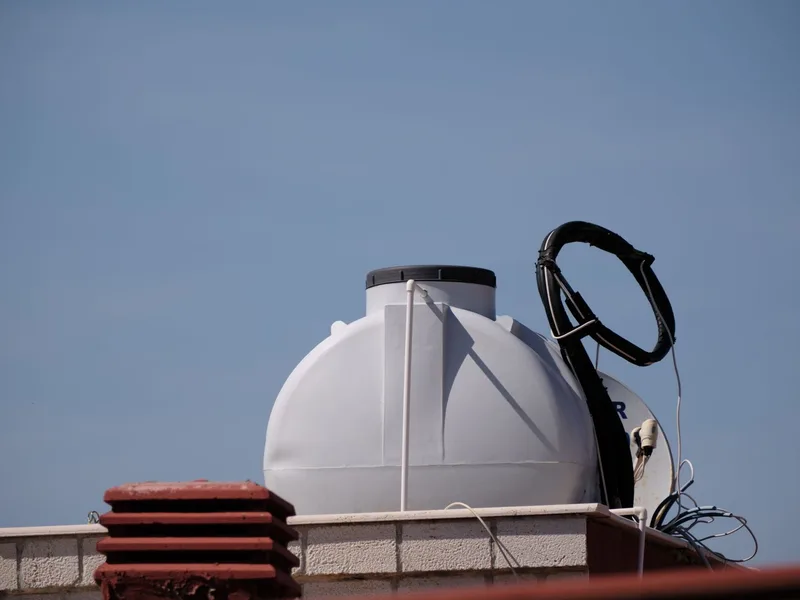
The lid and the access hatch
The stone lid is aged and may be cracked or loose, and the maintenance hatch is small and difficult to open because the crowded ground level does not allow wide access.
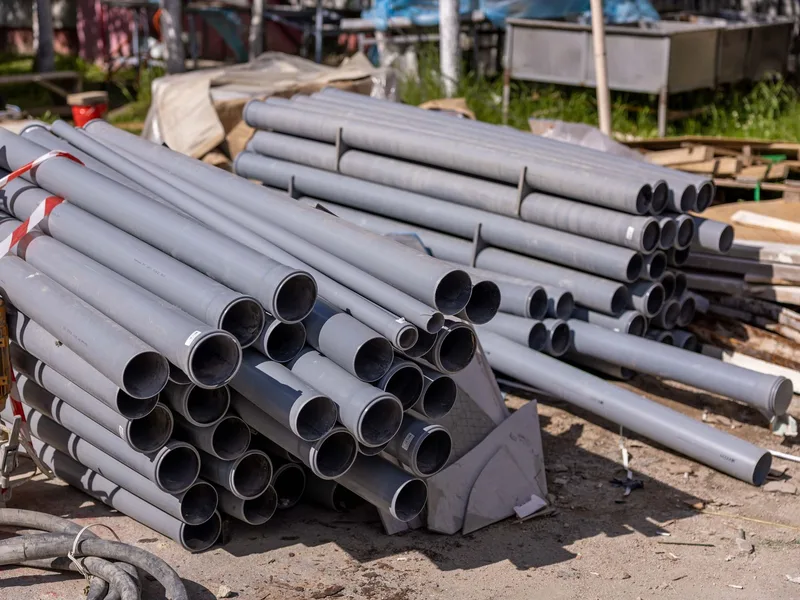
The vent and the overflow pipe
Vent openings and overflow outlets may be completely blocked with black deposits or broken open and unprotected from contamination.
How we work
-
1
Inspect before the drain
Tank type and material, the condition of the lining, the depth of the sediment, the lid and the vent, and where the drained water will go. We agree the window without supply before anything is opened.
-
2
Drain, then lift the sludge
The water leaves through the outlet, then the layer beneath it is taken out by hand and by suction. That layer is the reason for the visit, not the water that ran out ahead of it.
-
3
High pressure wash
Walls, floor and the joint where they meet, with a brush wherever the film resists, then the wash water is taken out completely so nothing we lifted settles again.
-
4
Disinfect and put back in service
Disinfectant over every internal surface, left for its contact time and then rinsed out, followed by the refill, a first draw off at the taps, and a report on what was inside the tank.
What water tank cleaning includes
-

An inspection before the valve
Tank type, lining condition, depth of sediment, lid and vent, recorded before any water leaves.
-

Full drain and sediment removal
The water through the outlet, and the layer below it by hand and by suction until the floor itself is showing.
-

Pressure washing walls and floor
High pressure across the surfaces and corners, and a brush on anything water alone will not lift.
-

Disinfection after the wash
A disinfectant intended for drinking water tanks, named to you before it is used, left for its contact time and then rinsed out.
-

Refill and the first draw off
We refill, run the taps so the new water moves through the pipework, and tell you when it is ready to use.
-

A report and the next date
What was inside the tank, anything on the lid or the lining that needs repair, and a sensible date for the next clean.
Landmarks of Al Utaybiyah
In Al Utaybiyah on Hajun Street near the Al Utaybiyah popular market and Madinah Road, tanks in the old hillside houses are reached through narrow lanes where the market stalls press close.
- Al Utaybiyah Market
- Hajun Street
- Hajj Street
- Madinah Road
- Revival of Islamic Heritage Library
Questions about this district
Our water smells strongly of faeces, is this from the tank?
Yes, from an old sewer line leak. Faecal bacteria are present and require strong disinfection. A laboratory test is advisable to assess the degree of contamination.
Does Al Utaybiyah really need more frequent cleaning than other districts?
Yes. Old pipes, constant seepage, and seasonal surges of consumption mean cleaning intervals must be much shorter than in modern areas.
Why is water especially cloudy and bad during Hajj and Umrah seasons?
Sudden intense demand drops pressure severely, causing the tank to siphon contaminants from cracked pipes and soil around it.
Should we arrange extra cleaning just before Hajj starts?
Yes. Monthly cleaning is the baseline, but an extra cleaning immediately before Hajj is wise to ensure the safest possible water for pilgrims.
How often must a tank in such an old district really be cleaned?
Every one to one and a half months as a minimum, and weekly during active Hajj and Umrah seasons.
Is it better to replace the pipes than to keep cleaning the tank?
Yes, replacement of the sewerage and water lines is the permanent solution, but you may need emergency repairs beforehand to make the tank safe.
How much does water tank cleaning in Al Utaybiyah cost?
It is set after the inspection, because the price follows the type of infestation, the size of the space, how far it has spread and the number of visits it needs. Send a photo and a description on WhatsApp and we will give you an estimate before we reach Al Utaybiyah.
Nearby districts we cover
Other services in Al Utaybiyah
Other services we provide to residents of Al Utaybiyah.
-
 Residential
Cockroach control
Residential
Cockroach control
-
 Residential
Bed bug control
Residential
Bed bug control
-
 Residential
Termite control
Residential
Termite control
-
 Residential
Rodents and mice
Residential
Rodents and mice
-
 Residential
Mosquito control
Residential
Mosquito control
-
 Residential
Fly control
Residential
Fly control
-
 Residential
Ant control
Residential
Ant control
-
 Residential
Gecko control
Residential
Gecko control
-
 Residential
Scorpion control
Residential
Scorpion control
-
 Residential
Snake control
Residential
Snake control
-
 Residential
Flea control
Residential
Flea control
-
 Residential
Bird and pigeon control
Residential
Bird and pigeon control
-
 Residential
Preventive treatment
Residential
Preventive treatment
-
 Residential
Disinfection
Residential
Disinfection
-
 Commercial
Annual contracts
Commercial
Annual contracts
-
 Commercial
Restaurants and cafes
Commercial
Restaurants and cafes
-
 Commercial
Hotels and apartments
Commercial
Hotels and apartments
-
 Commercial
Warehouses and factories
Commercial
Warehouses and factories
-
 Commercial
Schools and nurseries
Commercial
Schools and nurseries
-
 Commercial
Retail and malls
Commercial
Retail and malls
-
 Commercial
Rest houses and farms
Commercial
Rest houses and farms
-
 Commercial
Fumigation
Commercial
Fumigation
-
 Water tanks
Water tank sterilization
Water tanks
Water tank sterilization
-
 Water tanks
Water tank sealing
Water tanks
Water tank sealing
-
 Water tanks
Tank leak repair
Water tanks
Tank leak repair
Need water tank cleaning in Al Utaybiyah? Tell us what you saw and we will tell you what it needs
We reach Al Utaybiyah at a time we agree, and you get the full cost before we start.