
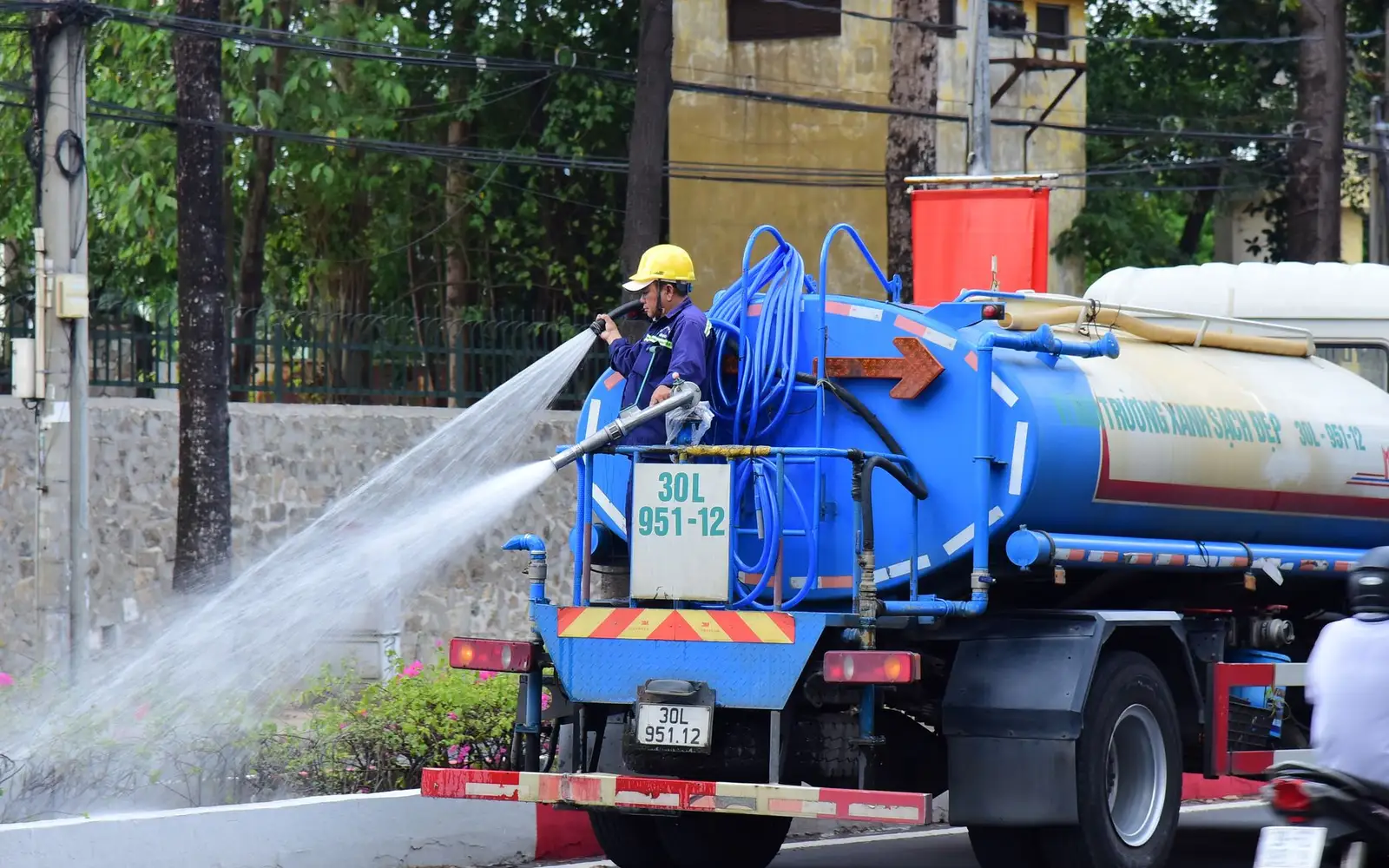
Water tank cleaning in Al Shuhada Makkah
Al Shuhada is an old unplanned district in northern Makkah at the Thaniyat Al Bayda pass, with informal housing clustered tightly on fissured rocky ground between Jabal Al Barud and Jabal Al Shahid. Lanes are very narrow between ancient buildings, tanks are usually old and often shared among several homes, pipes are tangled and additions haphazard over decades.
-
Potable-rated materials
Linings and disinfectants cleared for drinking water tanks, not general-purpose products.
-
You get the downtime first
How many hours the tank is out of service, told before we start rather than after we finish.
-
A first-draw flush
We run the first draw off after refilling, and the tank is not handed back until the water runs clear.
-
Ground and roof tanks
Villas, apartment blocks and premises that need a written record of each visit.
Why the job is different in Al Shuhada
Al Shuhada's old tanks hold very thick settled layers because aged pipes carry sand and debris from surrounding soil, and routine maintenance has never been systematic. The method is set out in full on how we approach Water tank cleaning.
Very old tanks with corroded and brittle pipework
Most tanks were built 30 or more years ago, and brass and iron pipes have developed heavy internal rust. Sediment does not stay just in the tank; rust flakes fall from pipes constantly. Cleaning must include pipe flushing after the tank is drained, or rust will contaminate the water again within days.
Rocky broken ground and wadi flooding from adjacent streams
Wadi Al Zahir and Wadi Al Tanim carry flood water towards the district in heavy rain. Tanks close to wadi courses risk inundation. Cracked old foundations may let contaminated wadi water seep into tanks. Inspection after any heavy rain is essential, and damage assessment cannot be delayed.
Old dense fabric with hidden cracks and chronic leaks
Old homes may have tanks below ground or on roofs too low to reach easily, and large cracks may have existed for years unnoticed. Maintenance has never been regular, so chronic slow leaks may have gone undetected. Comprehensive pre-cleaning inspection is absolutely essential.
Landmarks of Al Shuhada
Al Shuhada's tanks cluster between Hajj Street and Al Shuhada Square, the two main landmarks that orient navigation there. Most tanks serve informal homes scattered between Jabal Al Shahid and Thaniyat Al Bayda, and from those two hillside features the district's housing becomes accessible and tanks are easy to locate.
- Hajj Street
- Madinah Road
- Al Shuhada Square
- Thaniyat Al Bayda
- Jabal Al Shahid
- Asad ibn Zurarah Mosque
The condition of the tank decides the method
Built on broken rocky terrain hemmed in by mountains, Wadi Al Zahir to the south and Wadi Al Tanim to the north both carry floodwater. Streets are tight, infrastructure is old, and sewers in some pockets may have sustained damage from subsidence and age.
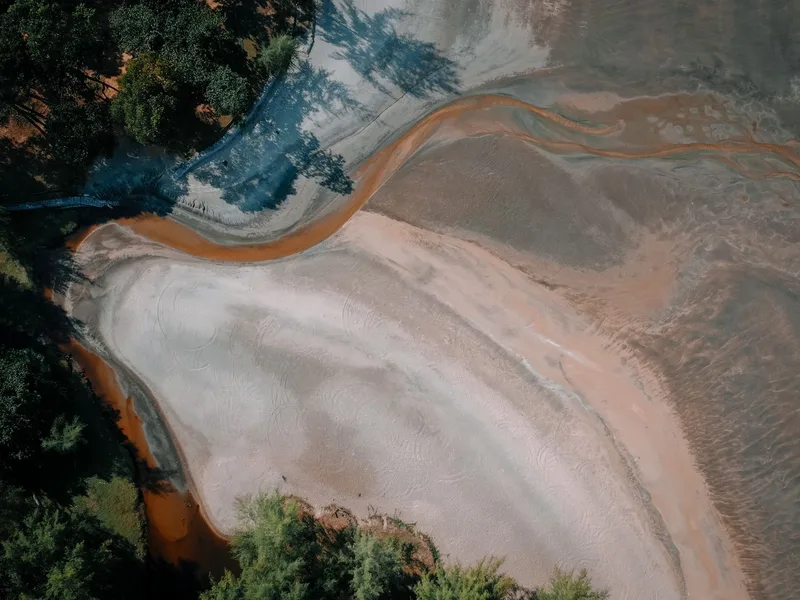
The layer on the floor
Settled layers in Al Shuhada tanks are very thick and may contain sand, copper rust and iron oxide from failed aged pipes that have corroded internally.
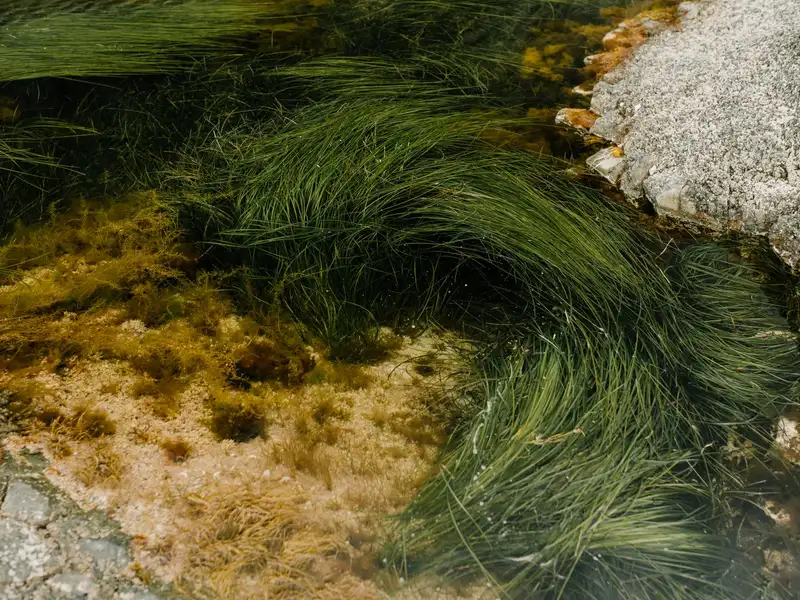
Light and algae
Light rarely reaches old tanks here because they sit below roofs or are covered by heavy lids, but high humidity encourages heavy bacterial and mould growth.
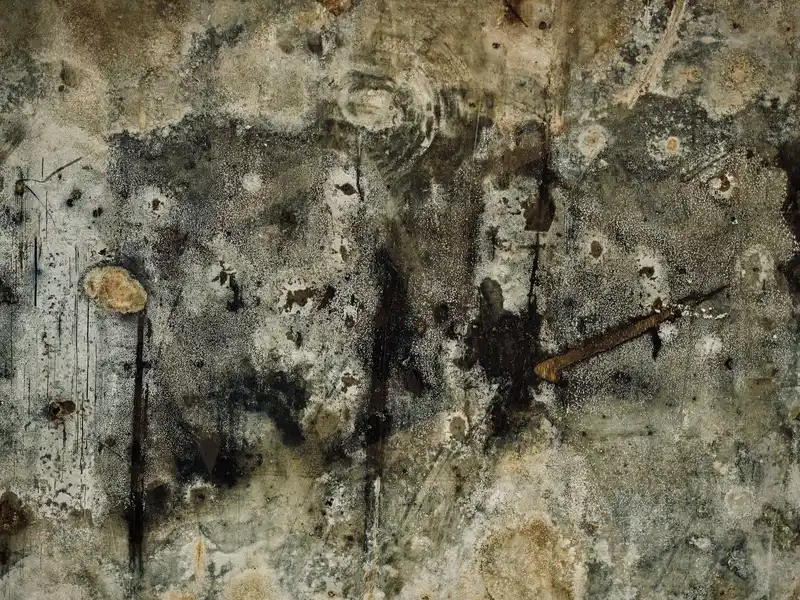
The deposit on the wall
Wall deposits mix calcium scale with rust and mould, and need powerful and repeated treatment because rust deposits re-form as pipes continue to shed.
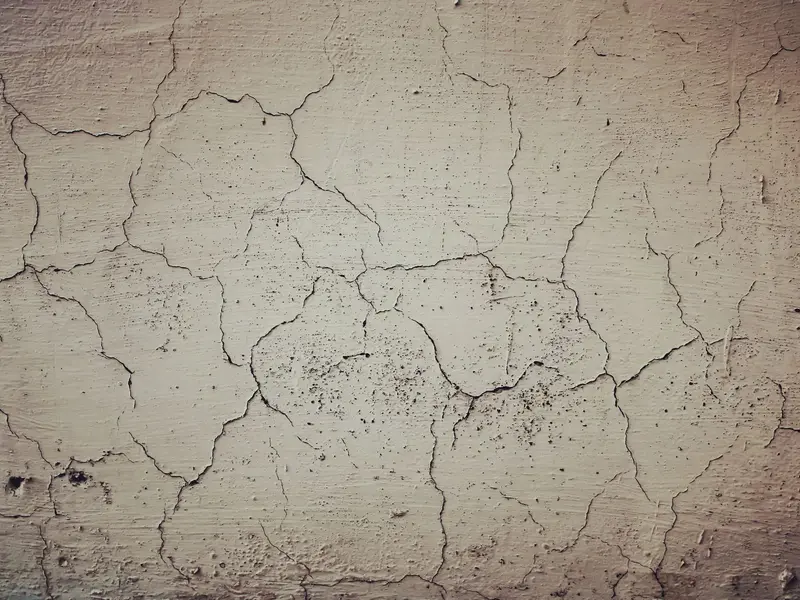
The lining and hairline cracks
Concrete linings are deeply cracked and very old, and hairline damage traps bacteria at depth that surface disinfection cannot reach and cannot kill.
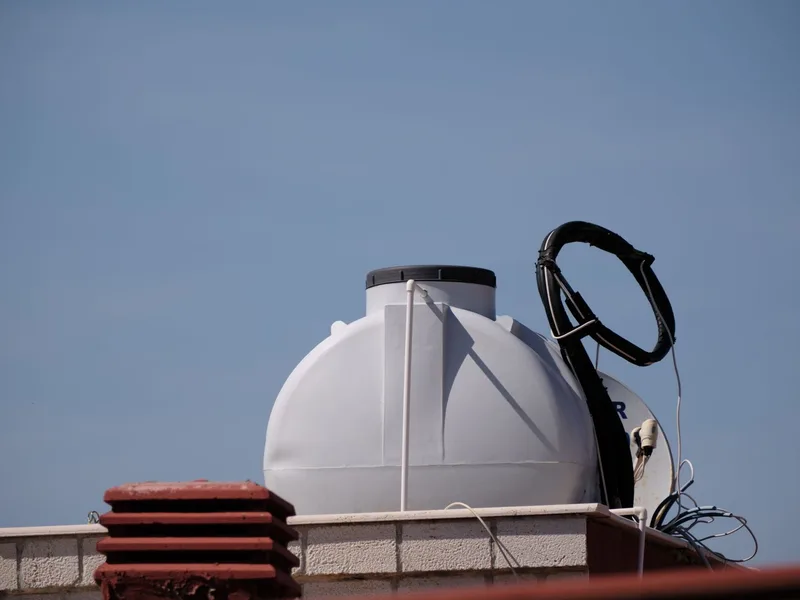
The lid and the access hatch
Tank lids and access hatches are often missing entirely or sealed with mud and rocks that exclude no insects or dust. Proper lids are needed urgently.
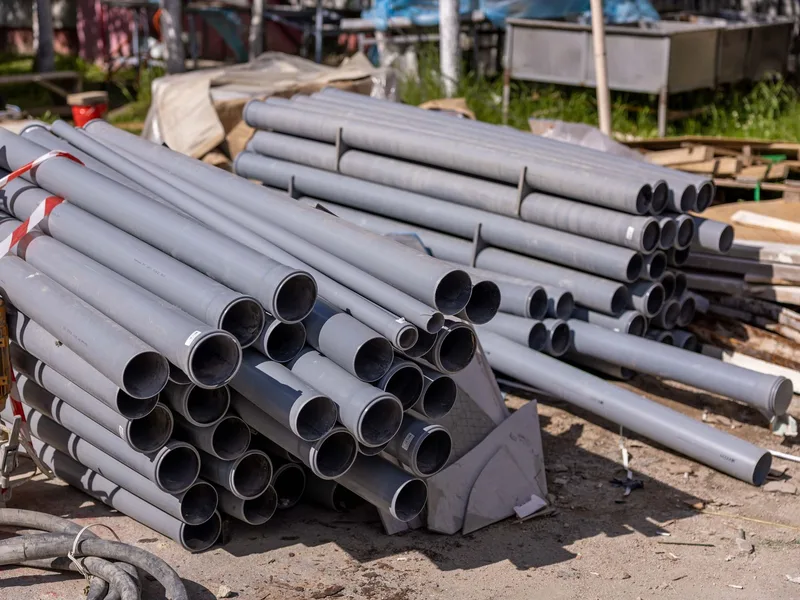
The vent and the overflow pipe
Vent and overflow openings are often blocked with dried mud or debris because maintenance has never been regular or systematic through the decades.
How we work
-
1
Inspect before the drain
Tank type and material, the condition of the lining, the depth of the sediment, the lid and the vent, and where the drained water will go. We agree the window without supply before anything is opened.
-
2
Drain, then lift the sludge
The water leaves through the outlet, then the layer beneath it is taken out by hand and by suction. That layer is the reason for the visit, not the water that ran out ahead of it.
-
3
High pressure wash
Walls, floor and the joint where they meet, with a brush wherever the film resists, then the wash water is taken out completely so nothing we lifted settles again.
-
4
Disinfect and put back in service
Disinfectant over every internal surface, left for its contact time and then rinsed out, followed by the refill, a first draw off at the taps, and a report on what was inside the tank.
What water tank cleaning includes
-

An inspection before the valve
Tank type, lining condition, depth of sediment, lid and vent, recorded before any water leaves.
-

Full drain and sediment removal
The water through the outlet, and the layer below it by hand and by suction until the floor itself is showing.
-

Pressure washing walls and floor
High pressure across the surfaces and corners, and a brush on anything water alone will not lift.
-

Disinfection after the wash
A disinfectant intended for drinking water tanks, named to you before it is used, left for its contact time and then rinsed out.
-

Refill and the first draw off
We refill, run the taps so the new water moves through the pipework, and tell you when it is ready to use.
-

A report and the next date
What was inside the tank, anything on the lid or the lining that needs repair, and a sensible date for the next clean.
What is different about Al Utaybiyah Sub-Municipality
Al Utaybiyah sub municipality covers the old districts north of the Grand Mosque: the hillside quarters of Al Hajun, Al Utaybiyah and Al Bayban, Al Zahir and Al Shuhada at the northern entrance, and the newer Al Zahra, Al Diyafah and An Nuzhah westward. Its building stock is among the oldest in Makkah, stone houses on the hills, packed apartment blocks and sewers decades old, threaded with crowded markets like the Utaybiyah souq and furnished flats that fill in the pilgrim seasons. Wadi Al Zahir and Wadi Al Tanim carry storm water through it, and industrial workshops line Hajj Street.
Questions about this district
The water always has sand and small gravel in it. Why does this persist after repeated cleaning?
Aged pipes carry sand from the surrounding soil, and rust flakes fall constantly from interior pipe walls. Cleaning alone is insufficient if pipes are heavily corroded. Partial or complete pipe replacement may be necessary to solve the problem at its root.
The tank leaks from below every time there are heavy rains. Is it damaged?
Wadi floodwater may flow near the tank and press on its walls from outside. Old cracks may admit contaminated groundwater from the soil. External inspection and external crack sealing may be needed, not just internal cleaning. Wadi overflow and tank drainage must both be assessed.
Our small below-ground tank needs more frequent cleaning than usual, doesn't it?
Yes, much more. Below-ground tanks hold moisture, mould and bacteria far longer than above-ground tanks. Every three months is better than six. Special mould treatment and enhanced ventilation may also be needed.
Should we replace the tank instead of cleaning it repeatedly?
We assess its condition first. Small cracks we can seal. If cracks are large and rust extensive, replacement is better value. Old tanks may not justify the cost of repeated emergency repairs.
The tank smells bad and the smell doesn't fade even after cleaning. Why?
The odour comes from stubborn mould and bacteria embedded in hairline cracks in the lining, or from aged pipes. Strong disinfection may reduce it. If the smell returns after a few days, the pipes themselves may need flushing or the tank lining may need special treatment.
Can we have the tank cleaned while the home is still occupied?
Yes, but coordination with residents is essential. We drain the tank slowly and refill it quickly after disinfection. Short water outages are unavoidable. In the old dense district where flats sit close together, advance notice to neighbours is always courteous.
How much does water tank cleaning in Al Shuhada cost?
It is set after the inspection, because the price follows the type of infestation, the size of the space, how far it has spread and the number of visits it needs. Send a photo and a description on WhatsApp and we will give you an estimate before we reach Al Shuhada.
Nearby districts we cover
Other services in Al Shuhada
Other services we provide to residents of Al Shuhada.
-
 Residential
Cockroach control
Residential
Cockroach control
-
 Residential
Bed bug control
Residential
Bed bug control
-
 Residential
Termite control
Residential
Termite control
-
 Residential
Rodents and mice
Residential
Rodents and mice
-
 Residential
Mosquito control
Residential
Mosquito control
-
 Residential
Fly control
Residential
Fly control
-
 Residential
Ant control
Residential
Ant control
-
 Residential
Gecko control
Residential
Gecko control
-
 Residential
Scorpion control
Residential
Scorpion control
-
 Residential
Snake control
Residential
Snake control
-
 Residential
Flea control
Residential
Flea control
-
 Residential
Bird and pigeon control
Residential
Bird and pigeon control
-
 Residential
Preventive treatment
Residential
Preventive treatment
-
 Residential
Disinfection
Residential
Disinfection
-
 Commercial
Annual contracts
Commercial
Annual contracts
-
 Commercial
Restaurants and cafes
Commercial
Restaurants and cafes
-
 Commercial
Hotels and apartments
Commercial
Hotels and apartments
-
 Commercial
Warehouses and factories
Commercial
Warehouses and factories
-
 Commercial
Schools and nurseries
Commercial
Schools and nurseries
-
 Commercial
Retail and malls
Commercial
Retail and malls
-
 Commercial
Rest houses and farms
Commercial
Rest houses and farms
-
 Commercial
Fumigation
Commercial
Fumigation
-
 Water tanks
Water tank sterilization
Water tanks
Water tank sterilization
-
 Water tanks
Water tank sealing
Water tanks
Water tank sealing
-
 Water tanks
Tank leak repair
Water tanks
Tank leak repair
Need water tank cleaning in Al Shuhada? Tell us what you saw and we will tell you what it needs
We reach Al Shuhada at a time we agree, and you get the full cost before we start.