
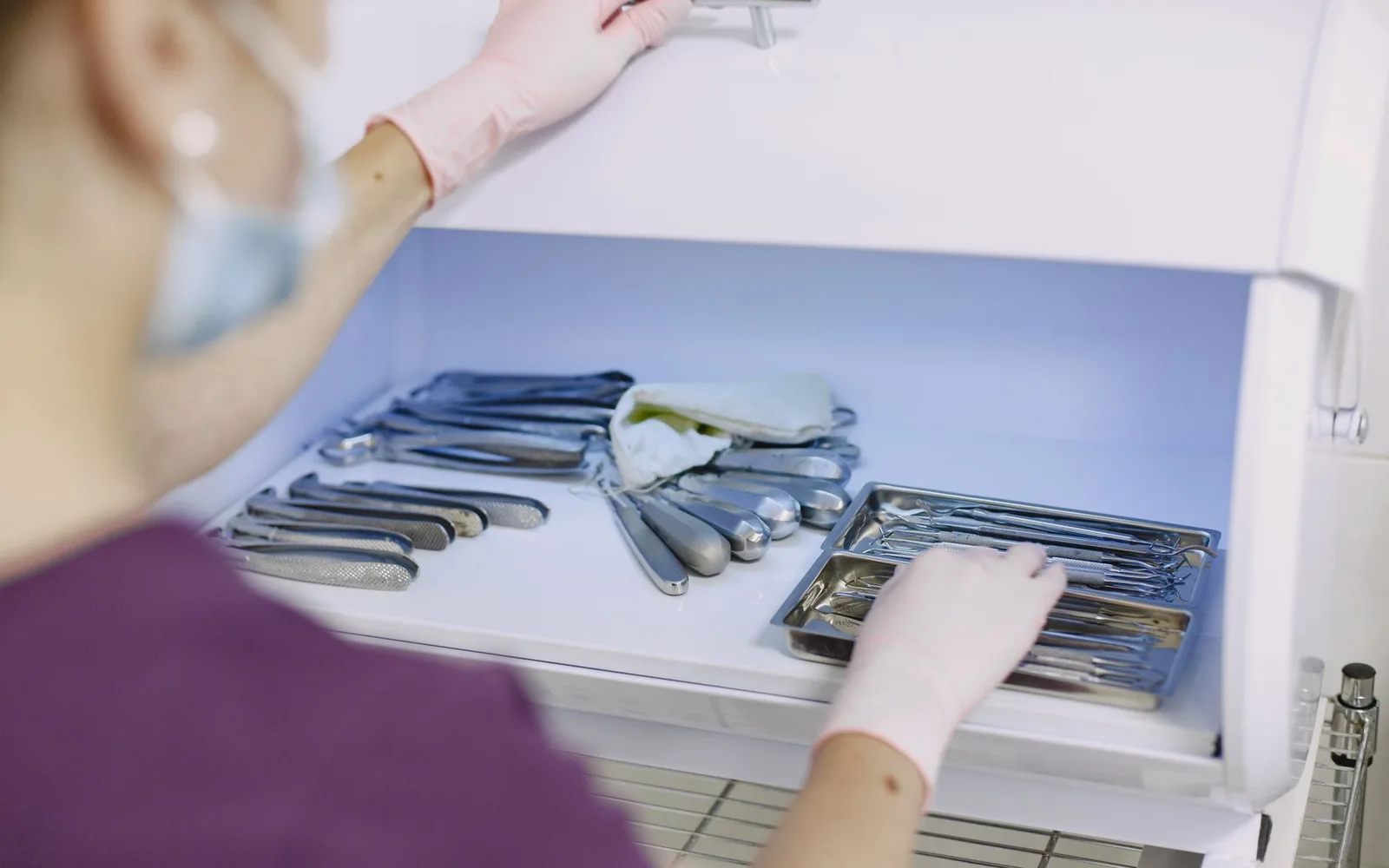
Water tank sterilization in Al Utaybiyah Makkah
Al Utaybiyah is an old quarter on hill slopes north of the Grand Mosque with ageing houses and a sewer network over forty years old. Water in the tanks here is affected by corroded pipes, high humidity and heavy silty soil, leaving thick sediment and biofilm layers on tank floors.
-
Potable-rated materials
Linings and disinfectants cleared for drinking water tanks, not general-purpose products.
-
You get the downtime first
How many hours the tank is out of service, told before we start rather than after we finish.
-
A first-draw flush
We run the first draw off after refilling, and the tank is not handed back until the water runs clear.
-
Ground and roof tanks
Villas, apartment blocks and premises that need a written record of each visit.
Why the job is different in Al Utaybiyah
The houses are old and built on hill slopes, with water tanks on roofs or in simple shallow pits, exposing them to constant moisture and dust from streets and nearby quarries. The method is set out in full on how we approach Water tank sterilization.
Tanks hidden in shallow pits
Many houses in Al Utaybiyah store water in underground or shallow primitive pits. These tanks accumulate dust and sediment quickly because they sit close to ground level and unpaved roads.
Corroded pipe network and rust
The distribution network here is over forty years old, with rusted pipes and seepage at several points. Water absorbs sediment and heavy minerals and carries silt to the tanks.
Seasonal surges in Ramadan and Hajj
The quarter experiences heavy seasonal flows in Ramadan and Hajj, straining tanks and water pressure. Tanks lose effective capacity due to sediment buildup throughout the year.
The character of Al Utaybiyah
Historic district: close-set buildings, narrow lanes and ageing services
A very old quarter means tanks themselves are aged and house construction is simple. Treatment focuses on removing heavy sediment from the ancient network, and sterilization must extend to the end of the lines to ensure cleanliness throughout.
What we read inside the tank before anything starts
A historic popular quarter on hill slopes north of the Grand Mosque, bordered by the Al Utaybiyah market on Hajun Street known for clothing and pilgrim supplies, less than three kilometres from the Haram, with old houses and a very old pipe network.
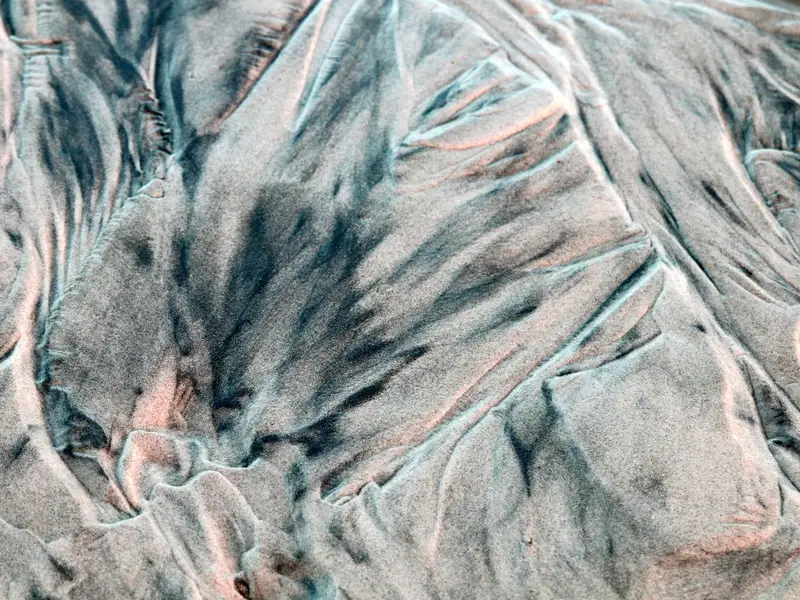
Sediment on the floor
Heavy sediment accumulates on the tank floor due to pipe age and rust in the network, which carries iron particles and other minerals.
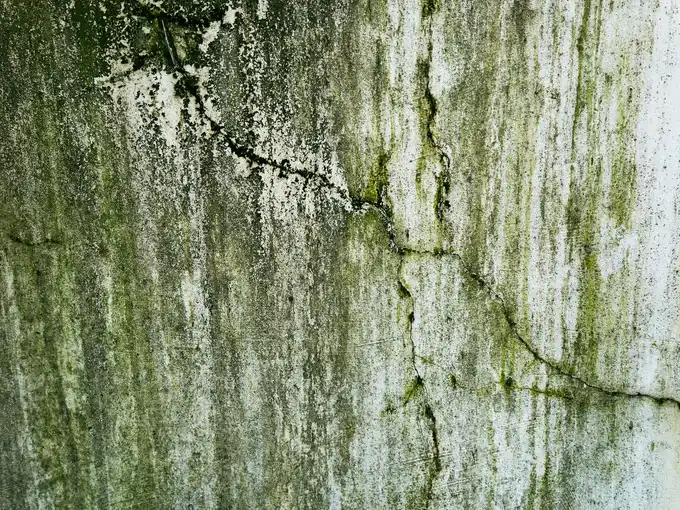
The slime film on the wall
Biofilm and sludge form in tanks close to ground and in high-humidity conditions, especially in corners where water stands longest.
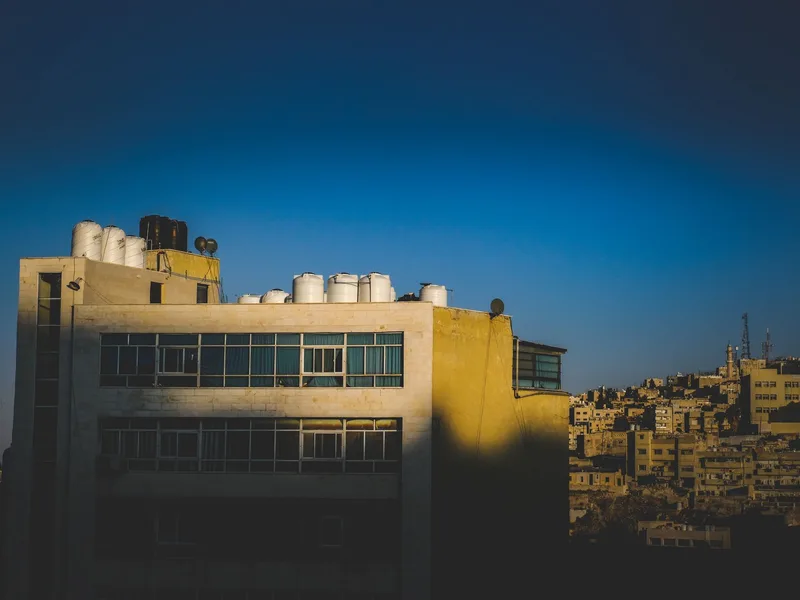
Light and heat
Mud and dust enter through ventilation openings and drain ports if tanks are exposed or covered primitively.
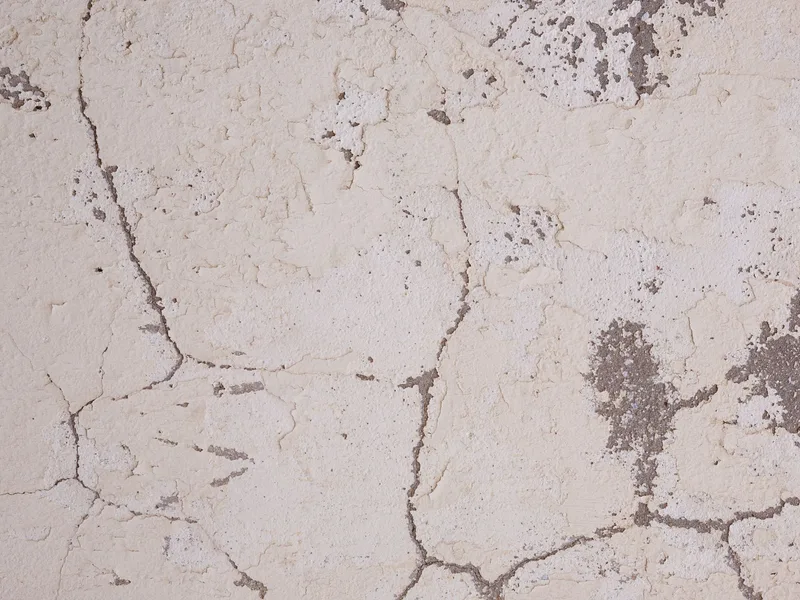
The lining and any cracking
High humidity and mountainous climate promote algae and bacterial growth on internal tank walls during wet seasons.
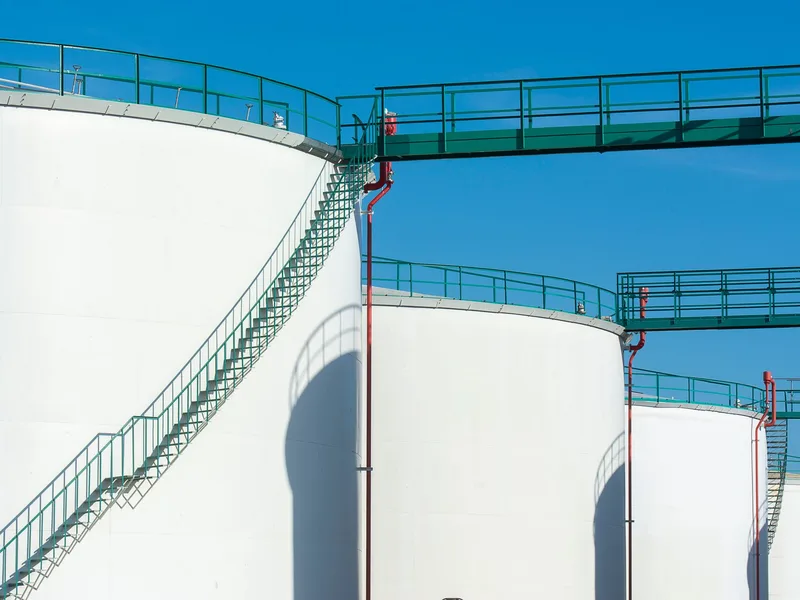
The lid and the openings
Small cavities and cracks in old tanks trap sludge and are hard to clean, and careful inspection determines need for repair.
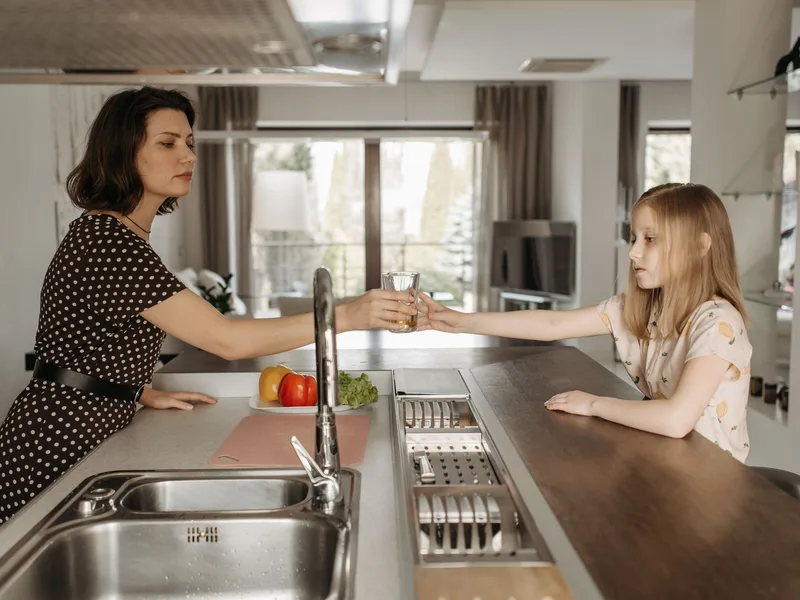
What shows up at the tap
Rust marks and corrosion inside the tank indicate water quality is affected by the tank itself, not only by the old network.
How we work
-
1
Inspect and record the condition
We open the hatch and work through what the tank is made of and how big it is, how deep the sediment lies, the state of the lining, whether the lid and the overflow seal, and whether there is a crack that has to be repaired before any sterilizing.
-
2
Drain and lift the sediment out
The water goes out, then the silt and sand are lifted off the floor by suction rather than pushed toward the outlet, because pushing them sends them into the house pipework and the heater.
-
3
High pressure wash
Walls, floor, corners and the area around the outlet, until the slime film is completely gone. This is the step that makes the sterilizing after it mean anything.
-
4
Sterilize, rinse, then return to service
The sterilizing agent goes onto the walls, the floor and the underside of the lid and is left for its contact time, then we rinse, refill and run the furthest tap until the whole line is clear.
What water tank sterilization includes
-

A recorded inspection
Material, capacity, sediment depth, the state of the lining, the lid and the overflow, all before any work begins.
-

Draining and sediment removal
The water out, and the silt and sand lifted off the floor instead of being pushed into the outlet and the house pipework.
-

High pressure washing
Walls, corners and around the outlet, until the biofilm that no disinfectant penetrates has gone.
-
Sterilizing the internal surfaces
A sterilizing agent meant for drinking water tanks, applied to the walls, the floor and the underside of the lid, and left for its contact time.
-

Line flush and aftercare
Rinse, refill and a flush from the furthest tap, when the water is usable again, and what to change in the filter afterwards.
-

The next cycle
We agree the right interval for your tank from how it is filled, how much sun it takes and the condition of the lid.
What is different about Al Utaybiyah Sub-Municipality
Al Utaybiyah sub municipality covers the old districts north of the Grand Mosque: the hillside quarters of Al Hajun, Al Utaybiyah and Al Bayban, Al Zahir and Al Shuhada at the northern entrance, and the newer Al Zahra, Al Diyafah and An Nuzhah westward. Its building stock is among the oldest in Makkah, stone houses on the hills, packed apartment blocks and sewers decades old, threaded with crowded markets like the Utaybiyah souq and furnished flats that fill in the pilgrim seasons. Wadi Al Zahir and Wadi Al Tanim carry storm water through it, and industrial workshops line Hajj Street.
Questions about this district
Why do tanks in Al Utaybiyah accumulate mud and silt faster?
The very old network and corroded pipes carry particles and iron oxide. Tanks close to ground level receive dust and sediment directly from air and roads.
Is annual cleaning enough here?
It may not be. If the network is very old and the tank deep, twice-yearly cleaning may be needed, especially before Ramadan.
What causes the thick sludge layer on the tank floor?
Pipe age and rust introduce metal particles, high humidity and silty soil create deposits. The tank acts as a filter for the old system.
Is sterilization enough or does the tank need replacement?
If the tank is well-sealed with no cracks, cleaning and sterilization are sufficient. But if the tank is very old and internally rusted, replacement may be needed.
Does high-pressure wall washing remove all sludge from corners?
Yes, high-pressure washing removes most sludge from walls and corners. But if sludge is hardened, light soaking before washing may be needed.
Is water safe to drink immediately after sterilization?
Yes, but it is best to open taps and flush lines slightly before drinking to ensure no sterilizing agent remains in the pipes.
How much does water tank sterilization in Al Utaybiyah cost?
It is set after the inspection, because the price follows the type of infestation, the size of the space, how far it has spread and the number of visits it needs. Send a photo and a description on WhatsApp and we will give you an estimate before we reach Al Utaybiyah.
Nearby districts we cover
Other services in Al Utaybiyah
Other services we provide to residents of Al Utaybiyah.
-
 Water tanks
Water tank cleaning
-
 Water tanks
Water tank sealing
-
 Water tanks
Tank leak repair
-
 Residential
Cockroach control
Need water tank sterilization in Al Utaybiyah? Tell us what you saw and we will tell you what it needs
We reach Al Utaybiyah at a time we agree, and you get the full cost before we start.