
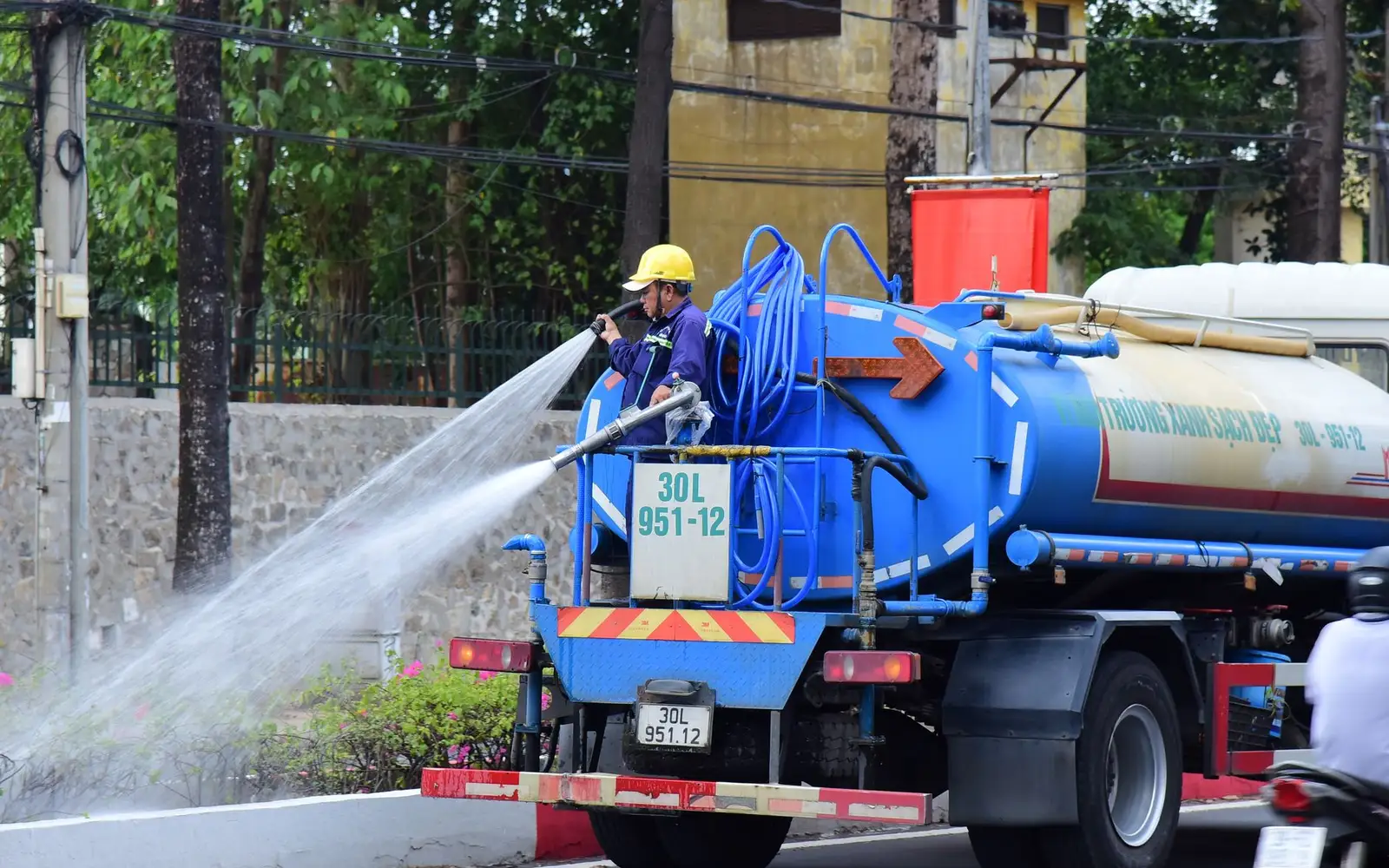
Water tank cleaning in Harat Al Bab Wa Al Shamiyah Makkah
Harat Al Bab Wa Al Shamiyah is a new district immediately north of the Grand Mosque, built after the old Al Shamiyah quarter was cleared. Tanks here are brand new or still under construction, surrounded by constant building activity, dust clouds and high moisture from excavation and ongoing work.
-
Potable-rated materials
Linings and disinfectants cleared for drinking water tanks, not general-purpose products.
-
You get the downtime first
How many hours the tank is out of service, told before we start rather than after we finish.
-
A first-draw flush
We run the first draw off after refilling, and the tank is not handed back until the water runs clear.
-
Ground and roof tanks
Villas, apartment blocks and premises that need a written record of each visit.
Why the job is different in Harat Al Bab Wa Al Shamiyah
Tanks here are very new or under installation, which means the first water carries construction particles, silt and sand from the building site. The method is set out in full on the full Water tank cleaning page.
Active construction deposits building dust directly into the tank
Dust from foundation excavation and framing falls on rooftops and ventilation openings constantly. Site winds drive fine silt into the tank with every refill from the water main.
New tanks have not settled yet and cracks appear quickly
Brand new tanks buried in damp, mobile soil under building load and adjacent construction vibrations develop microscopic fractures within weeks of first use.
Construction moisture leaks from the foundations into the tank
Building and excavation water flows toward foundations constantly. Water seeps into the tank through tiny cracks and new joint gaps.
The character of Harat Al Bab Wa Al Shamiyah
New development: ongoing construction and vacant plots between the homes
The new development area under active construction means brand new tanks surrounded by building dust, silt and constant moisture from excavation and construction activity.
The condition of the tank decides the method
The quarter sits at the heart of the northern expansion project with active excavation, building and rubble all around, and dust and moisture entering from every direction.
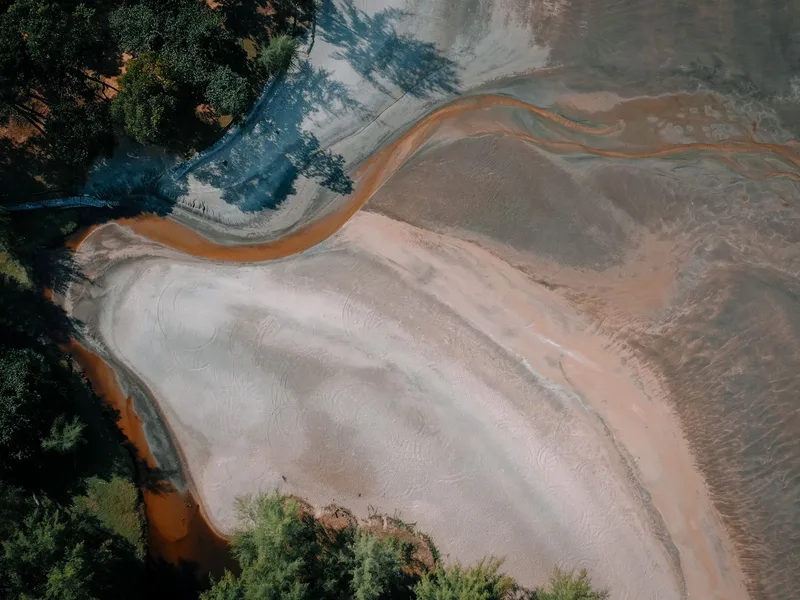
The layer on the floor
The floor holds heavy silt and construction particles requiring powerful extraction and multi-layer filtration.
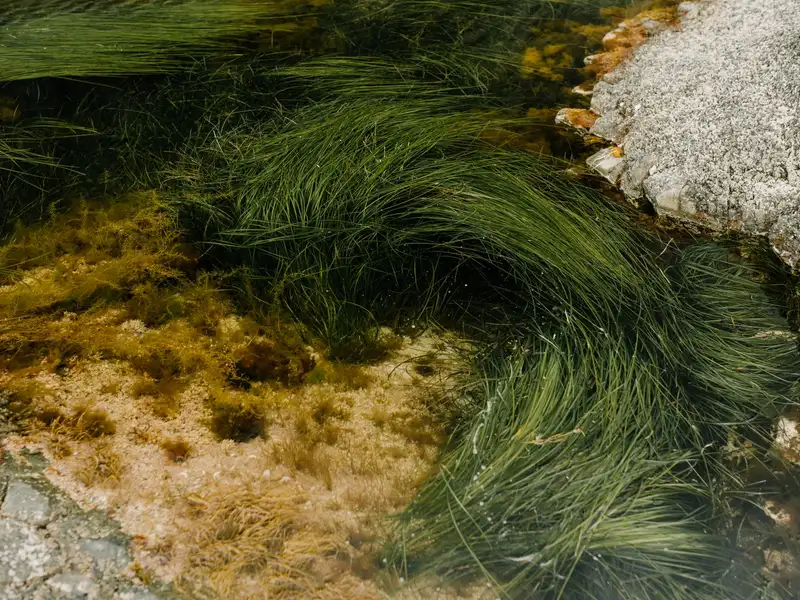
Light and algae
Algae has not yet grown because the tank is new, but high humidity has created ideal conditions for it to begin.
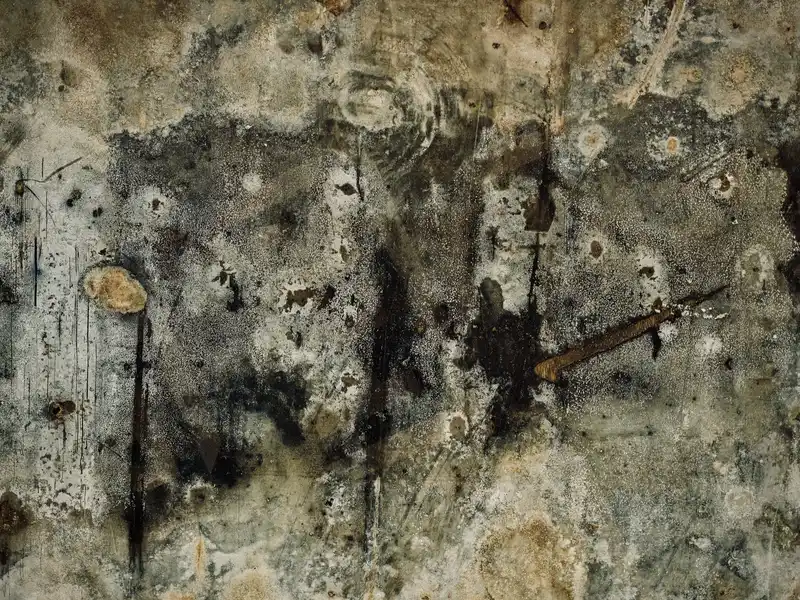
The deposit on the wall
A grey layer of dust and silt coats the walls, disappearing only after several repeated cleaning cycles.
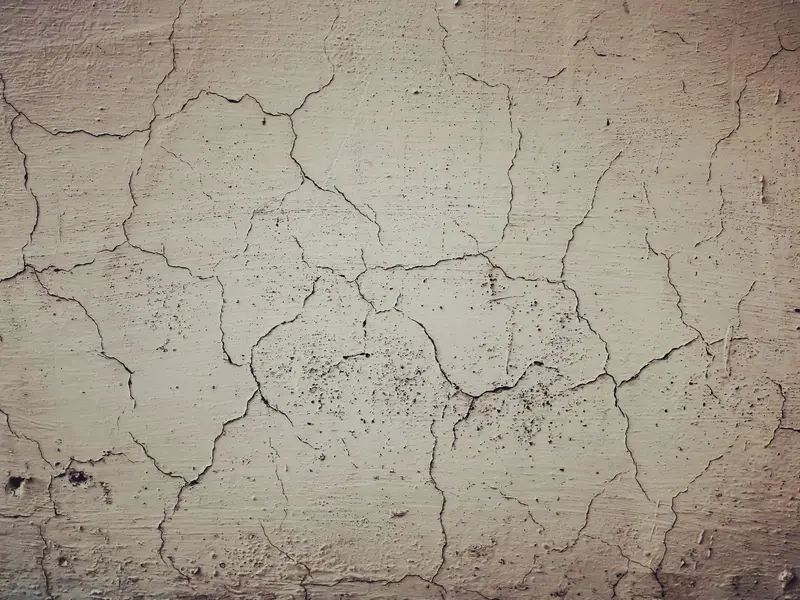
The lining and hairline cracks
The lining is new but humidity and building vibrations create small cracks very rapidly.
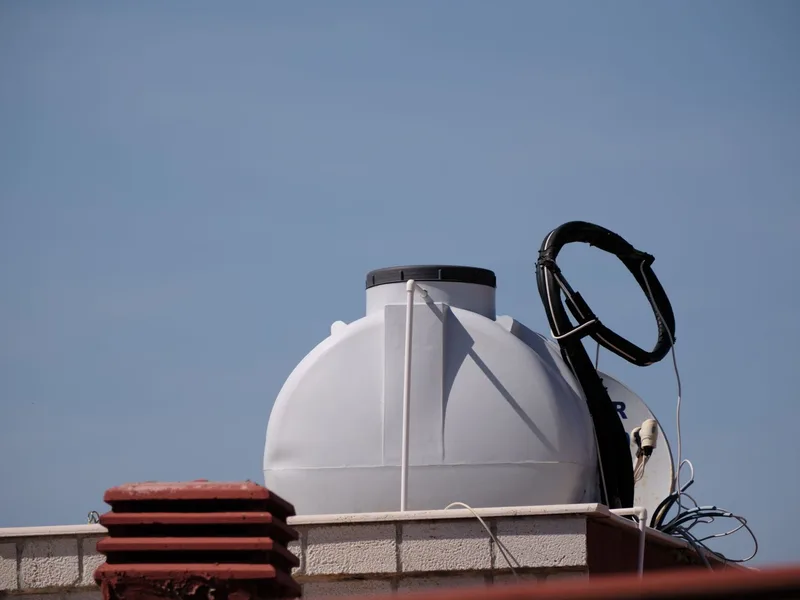
The lid and the access hatch
The lid and hatch are new but dust falls on them directly from the building site every day.
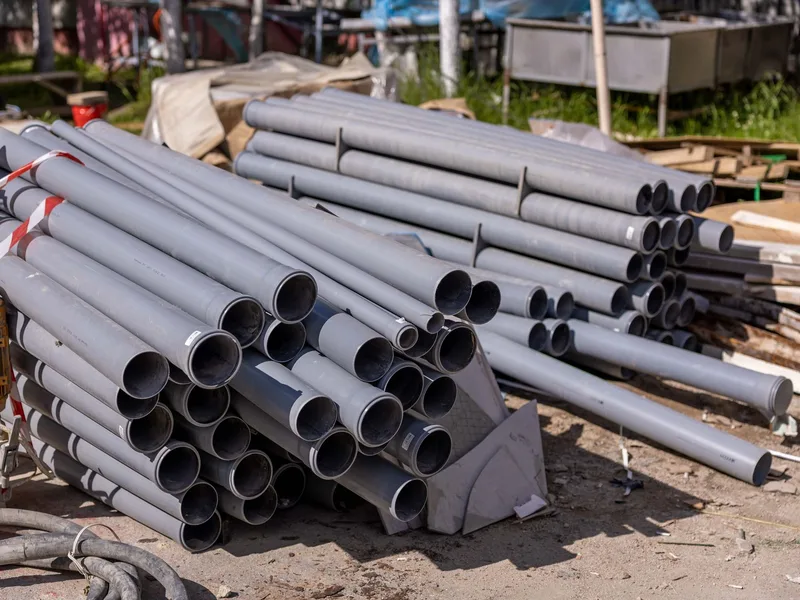
The vent and the overflow pipe
Ventilation and overflow pipes are new but absorb construction dust and silt from excavations very easily.
How we work
-
1
Inspect before the drain
Tank type and material, the condition of the lining, the depth of the sediment, the lid and the vent, and where the drained water will go. We agree the window without supply before anything is opened.
-
2
Drain, then lift the sludge
The water leaves through the outlet, then the layer beneath it is taken out by hand and by suction. That layer is the reason for the visit, not the water that ran out ahead of it.
-
3
High pressure wash
Walls, floor and the joint where they meet, with a brush wherever the film resists, then the wash water is taken out completely so nothing we lifted settles again.
-
4
Disinfect and put back in service
Disinfectant over every internal surface, left for its contact time and then rinsed out, followed by the refill, a first draw off at the taps, and a report on what was inside the tank.
What water tank cleaning includes
-

An inspection before the valve
Tank type, lining condition, depth of sediment, lid and vent, recorded before any water leaves.
-

Full drain and sediment removal
The water through the outlet, and the layer below it by hand and by suction until the floor itself is showing.
-

Pressure washing walls and floor
High pressure across the surfaces and corners, and a brush on anything water alone will not lift.
-

Disinfection after the wash
A disinfectant intended for drinking water tanks, named to you before it is used, left for its contact time and then rinsed out.
-

Refill and the first draw off
We refill, run the taps so the new water moves through the pipework, and tell you when it is ready to use.
-

A report and the next date
What was inside the tank, anything on the lid or the lining that needs repair, and a sensible date for the next clean.
Landmarks of Harat Al Bab Wa Al Shamiyah
Tanks in Harat Al Bab Wa Al Shamiyah sit within the Northern Expansion courtyards near the Grand Mosque and Khalid ibn Al Walid Mosque. Access runs through new project entrance roads.
- The Grand Mosque
- Northern expansion courtyards
- Jabal Hindi
- Rua Al Haram project
- Khalid ibn Al Walid Mosque
Questions about this district
The first water from the new tank is extremely cloudy with silt particles?
Brand new tanks need several fill and drain cycles to clean themselves. Construction silt can remain for weeks before it finally settles.
The new tank has building work going on right next to it. Is the water safe?
Active construction means dust, moisture and possible contaminants nearby. Regular frequent cleaning and excellent filters are absolutely essential.
Does a new tank in Al Shamiyah need cleaning before first use?
Yes, absolutely. New tanks carry factory dust, welding particles and metal debris from manufacturing. Deep cleaning before first use is essential.
The new tank walls have a faint grey layer inside. Is that normal?
Construction dust and silt settle on new tank walls. This layer will disappear after several regular cleaning cycles.
Could building site insects enter the new tank during first fill?
Possibly, especially if openings are not protected. Air filters on vent openings and rapid early cleaning prevent insect entry.
Does construction moisture from excavation reach the tank underground?
Yes, it is possible, especially with fresh foundations. Regular inspection of cracks and tiny leaks is absolutely essential.
How much does water tank cleaning in Harat Al Bab Wa Al Shamiyah cost?
It is set after the inspection, because the price follows the type of infestation, the size of the space, how far it has spread and the number of visits it needs. Send a photo and a description on WhatsApp and we will give you an estimate before we reach Harat Al Bab Wa Al Shamiyah.
Nearby districts we cover
Other services in Harat Al Bab Wa Al Shamiyah
Other services we provide to residents of Harat Al Bab Wa Al Shamiyah.
-
 Water tanks
Water tank sterilization
-
 Water tanks
Water tank sealing
-
 Water tanks
Tank leak repair
-
 Residential
Cockroach control
Need water tank cleaning in Harat Al Bab Wa Al Shamiyah? Tell us what you saw and we will tell you what it needs
We reach Harat Al Bab Wa Al Shamiyah at a time we agree, and you get the full cost before we start.