
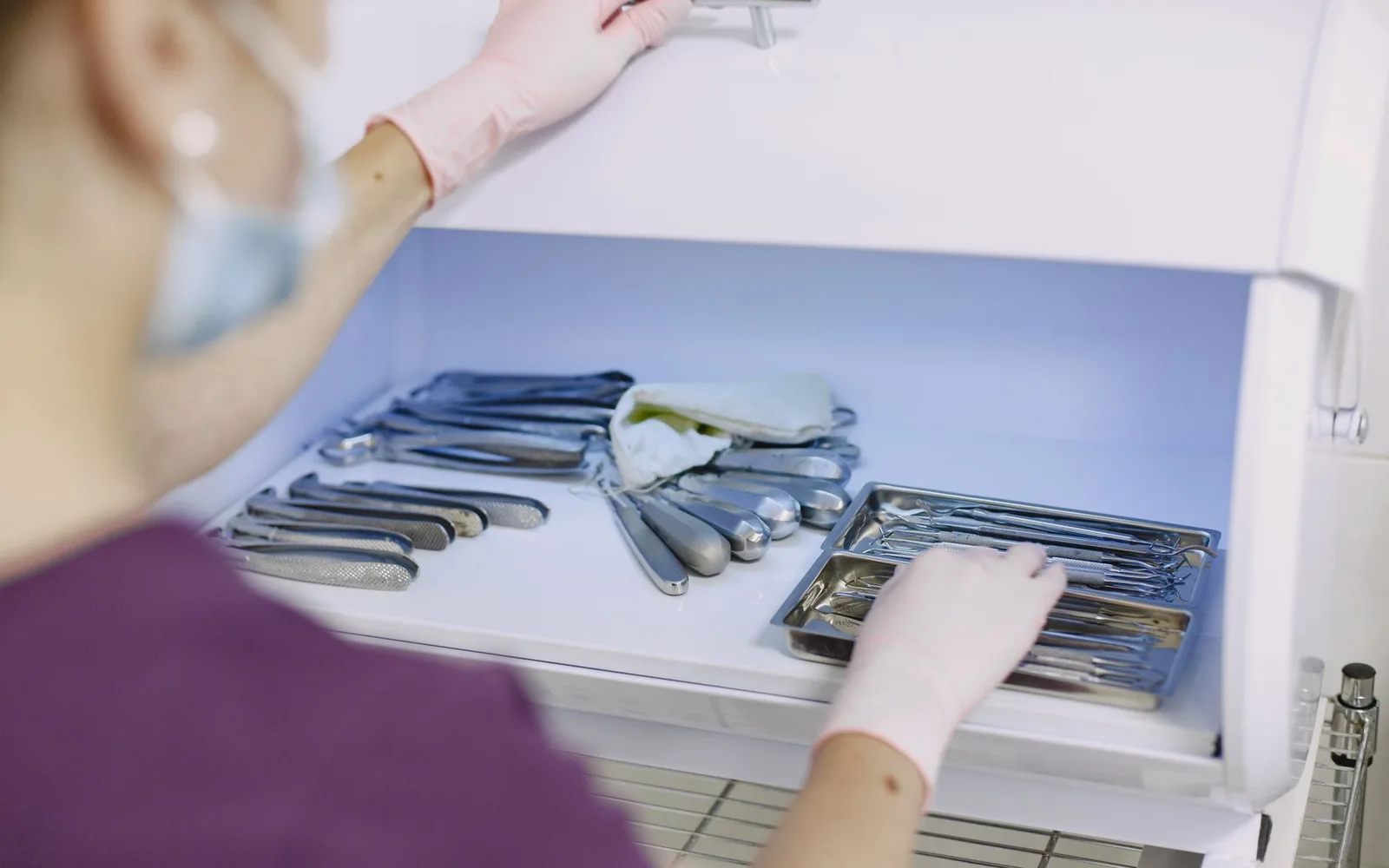
Water tank sterilization in Harat Al Bab Wa Al Shamiyah Makkah
Harat Al Bab Wa Al Shamiyah is undergoing major reconstruction as part of the Rua Al Haram scheme, and new buildings and ongoing construction mean modern tanks but unstable water quality. Water from new mains may carry construction dust and sediment. Precise sterilization during this transitional phase is essential because new pipes and tanks are still being tested.
-
Potable-rated materials
Linings and disinfectants cleared for drinking water tanks, not general-purpose products.
-
You get the downtime first
How many hours the tank is out of service, told before we start rather than after we finish.
-
A first-draw flush
We run the first draw off after refilling, and the tank is not handed back until the water runs clear.
-
Ground and roof tanks
Villas, apartment blocks and premises that need a written record of each visit.
Why the job is different in Harat Al Bab Wa Al Shamiyah
Buildings are under construction or newly built, and modern pipes and tanks have not yet undergone full operational testing and complete daily use. The method is set out in full on Water tank sterilization in detail.
Newly built tanks not yet cleaned for initial operation
New buildings in the Rua Al Haram scheme have not yet tested their tanks under full operational load. Construction dust and sediment remain in the base and pipes from the building phase.
New pipes containing installation fill and residue
New copper and iron pipes may contain welding spatter, cut edges and installation oils. These residues cause initial water discolouration.
Unstable water pressure from a new mains network
The new water network in the area is still being commissioned and pressure fluctuates, trapping air and debris in tanks. This means more frequent cleaning is needed.
The character of Harat Al Bab Wa Al Shamiyah
New development: ongoing construction and vacant plots between the homes
A newly developed zone means new buildings, new tanks and untested new pipes. Initial sterilization must focus on removing construction residue and cleaning new pipes of industrial materials, not on old biofilm.
What we read inside the tank before anything starts
A strip immediately north of the Grand Mosque where old Al Shamiyah was cleared for the new northern courtyard and redevelopment under the Rua Al Haram scheme. The Khalid ibn Al Walid Mosque marks the western side at the old gate near Al Shubaikah.
Sediment on the floor
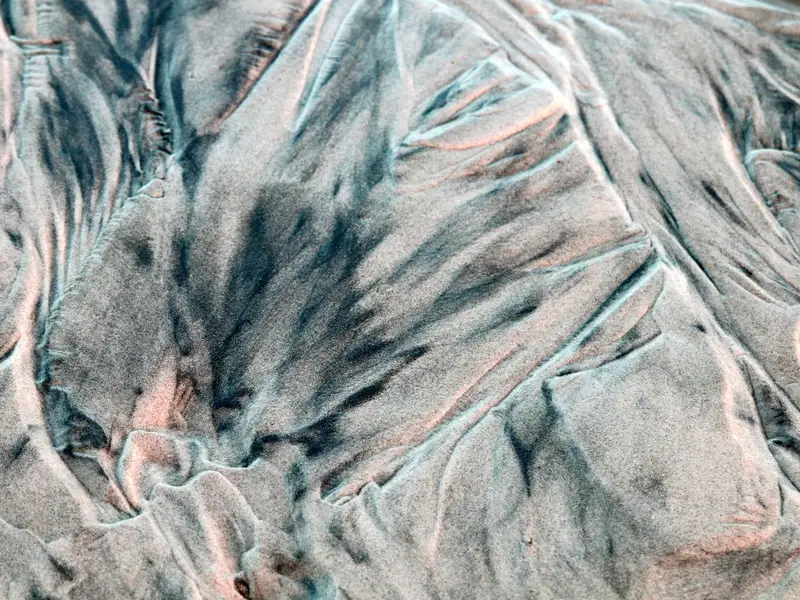
Construction sediment from dust, sand and lime accumulates at the base, especially from excavation, mixing and foundation work.
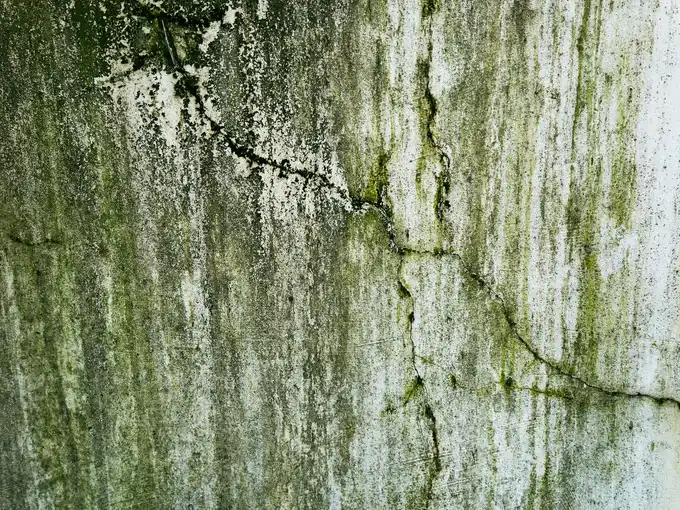
The slime film on the wall
Welding spatter, metal offcuts and industrial oils from pipe installation remain in the new lines.
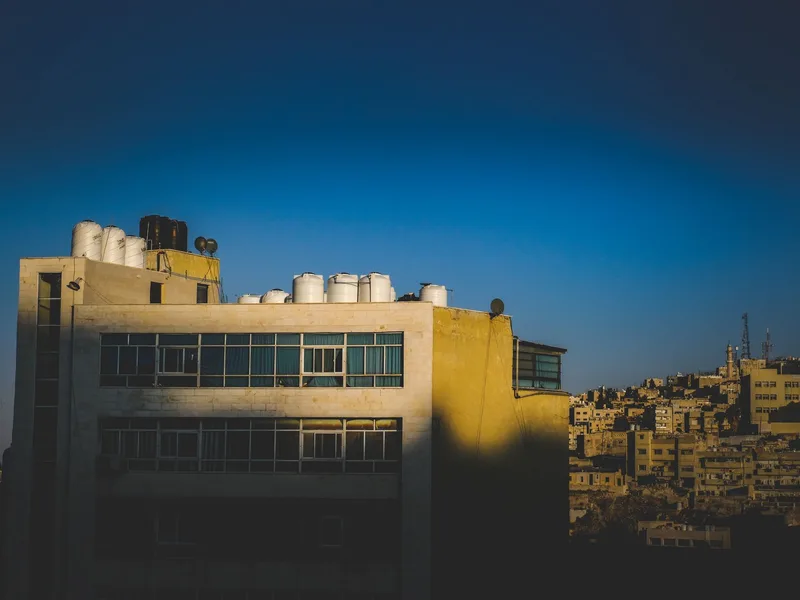
Light and heat
New pipe networks may trap air in high corners, causing pressure fluctuation and discolouration.
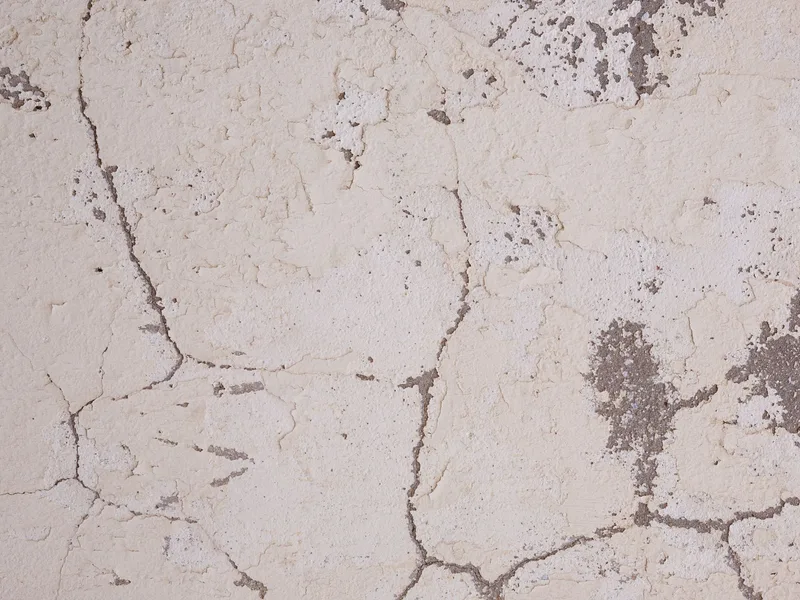
The lining and any cracking
Moisture is always present but temperatures may fluctuate due to unstable operation in new projects.
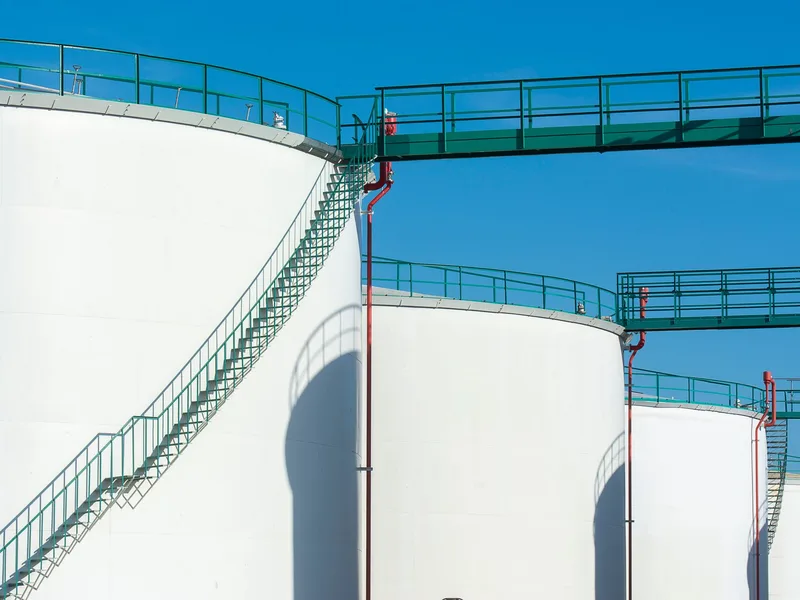
The lid and the openings
New tanks may sit near construction storage or leftover materials, exposing them to contamination.

What shows up at the tap
Water appearing cloudy, brown or grey in the first weeks signals residual construction deposits.
How we work
-
1
Inspect and record the condition
We open the hatch and work through what the tank is made of and how big it is, how deep the sediment lies, the state of the lining, whether the lid and the overflow seal, and whether there is a crack that has to be repaired before any sterilizing.
-
2
Drain and lift the sediment out
The water goes out, then the silt and sand are lifted off the floor by suction rather than pushed toward the outlet, because pushing them sends them into the house pipework and the heater.
-
3
High pressure wash
Walls, floor, corners and the area around the outlet, until the slime film is completely gone. This is the step that makes the sterilizing after it mean anything.
-
4
Sterilize, rinse, then return to service
The sterilizing agent goes onto the walls, the floor and the underside of the lid and is left for its contact time, then we rinse, refill and run the furthest tap until the whole line is clear.
What water tank sterilization includes
-

A recorded inspection
Material, capacity, sediment depth, the state of the lining, the lid and the overflow, all before any work begins.
-

Draining and sediment removal
The water out, and the silt and sand lifted off the floor instead of being pushed into the outlet and the house pipework.
-

High pressure washing
Walls, corners and around the outlet, until the biofilm that no disinfectant penetrates has gone.
-
Sterilizing the internal surfaces
A sterilizing agent meant for drinking water tanks, applied to the walls, the floor and the underside of the lid, and left for its contact time.
-

Line flush and aftercare
Rinse, refill and a flush from the furthest tap, when the water is usable again, and what to change in the filter afterwards.
-

The next cycle
We agree the right interval for your tank from how it is filled, how much sun it takes and the condition of the lid.
What is different about Al Ghazza Sub-Municipality
Al Ghazza sub municipality wraps around the north and west of the Grand Mosque, from Al Shamiyah, Al Qararah and Shaib Amir round to Jarwal and Al Taysir. Large tracts were cleared for the northern expansion and the Rua Al Haram scheme, leaving excavated ground and open construction sites beside ageing blocks that now serve as dense seasonal lodgings in Jarwal and Al Taysir. Old flood paths still fall from Jabal Qaiqaan and Jabal Khandamah towards the mosque, and markets and eateries crowd Al Masjid Al Haram Road and Umm Al Qura Road.
Questions about this district
Do newly built tanks need cleaning before first use?
Yes, urgently. Construction debris, salt and oils from installation must be removed before occupants move in.
Does construction dust affect water quality even after the building opens?
Yes. Construction dust may remain at the base and corners and release fine particles for weeks after first use.
Is a single cleaning enough for a new building tank?
No. An initial cleaning before use is needed, then a second cleaning after 2 weeks of full operation.
Do new copper pipes need different sterilization?
Yes. New copper pipes may release copper ions into water in the first weeks, so sterilization must target these ions.
Why does water quality fluctuate in newly built projects?
The new water network is still being tested and pressure fluctuates, trapping air and debris in tanks.
Should water be monitored in the first months after construction?
Yes. Monthly testing is important in the first 3 months to ensure no residual contamination remains.
How much does water tank sterilization in Harat Al Bab Wa Al Shamiyah cost?
It is set after the inspection, because the price follows the type of infestation, the size of the space, how far it has spread and the number of visits it needs. Send a photo and a description on WhatsApp and we will give you an estimate before we reach Harat Al Bab Wa Al Shamiyah.
Nearby districts we cover
Other services in Harat Al Bab Wa Al Shamiyah
Other services we provide to residents of Harat Al Bab Wa Al Shamiyah.
-
 Water tanks
Water tank cleaning
-
 Water tanks
Water tank sealing
-
 Water tanks
Tank leak repair
-
 Residential
Cockroach control
Need water tank sterilization in Harat Al Bab Wa Al Shamiyah? Tell us what you saw and we will tell you what it needs
We reach Harat Al Bab Wa Al Shamiyah at a time we agree, and you get the full cost before we start.