
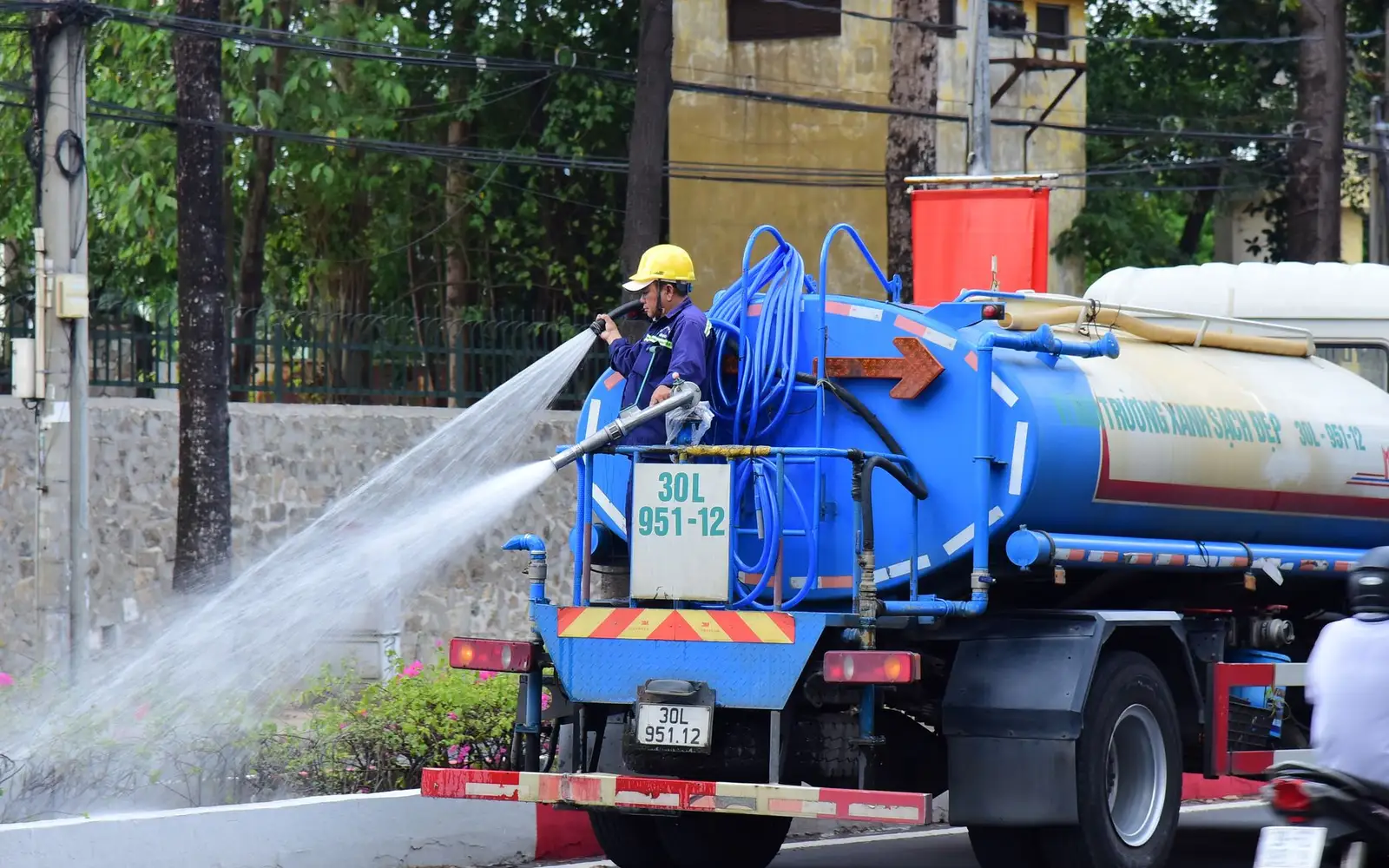
Water tank cleaning in Al Haram Makkah
Al Haram and the hotel towers that surround the Grand Mosque run continuous high volumes of water for pilgrims and visitors throughout the year. Tank cleaning here is not optional: it is essential to keep the supply reliable and the water safe. The sheer density of people and the constant influx makes this job fundamentally different from residential cleaning elsewhere.
-
Potable-rated materials
Linings and disinfectants cleared for drinking water tanks, not general-purpose products.
-
You get the downtime first
How many hours the tank is out of service, told before we start rather than after we finish.
-
A first-draw flush
We run the first draw off after refilling, and the tank is not handed back until the water runs clear.
-
Ground and roof tanks
Villas, apartment blocks and premises that need a written record of each visit.
Why the job is different in Al Haram
Tanks here endure daily consumption loads of unusual intensity, speeding up sediment and contaminant buildup on the floor and walls far beyond what residential areas see. The method is set out in full on our Water tank cleaning service.
Relentless consumption pressure from towers and hotels
Hotels and commercial buildings are not homes. Water falls at high velocity from tanks at extreme heights, causing particles to settle faster and accumulate more rapidly than they would in ordinary residential districts with normal usage patterns.
Water quality from the network is different here
Water in Al Haram travels through an extended, pressurised network and carries higher loads of mineral particles and silt during peak hours than residential areas, especially where demand spikes suddenly.
Hotel tanks are complex and interconnected
Large hotels run distributed tank systems across multiple levels with pressure-balancing pipes and feed tanks. Cleaning requires understanding the layout, the flow dynamics between levels, and how debris moves through interconnected reservoirs.
The character of Al Haram
Commercial area: offices, showrooms and small stores
A commercial area of offices, showrooms and storage means most tanks are oversized and hold large capacities, requiring specialised cleaning with heavy equipment and trained crews familiar with working at height and managing high pressure safely.
The condition of the tank decides the method
The uninterrupted flow of visitors and residents through the Grand Mosque and its surrounding towers creates constant, intense demand on water networks and storage that few other areas experience.
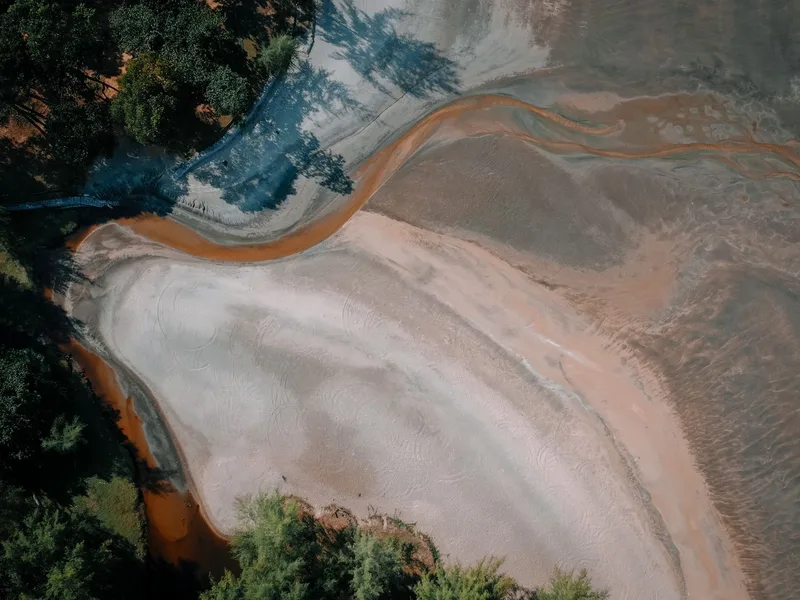
The layer on the floor
Sediment on the floor of Al Haram tanks is often sandy and heavy from the particular water quality, requiring powerful suction and repeated washing cycles.
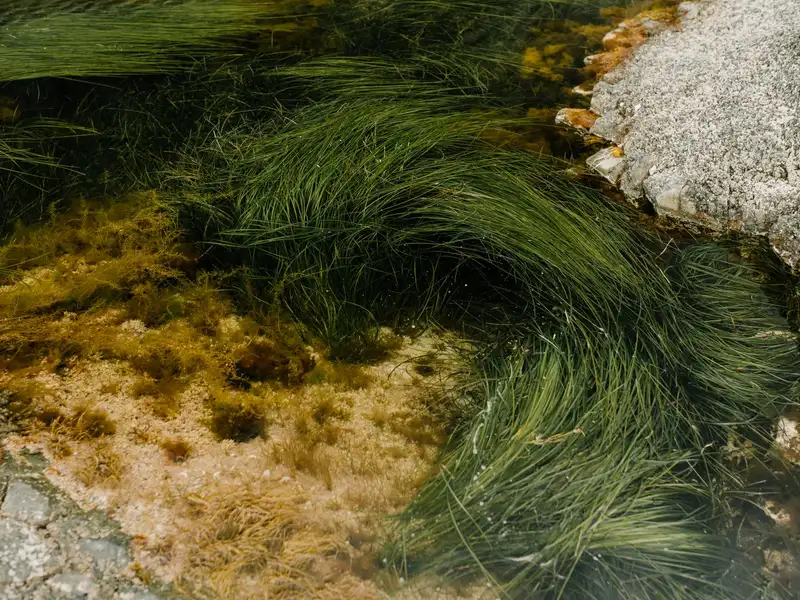
Light and algae
Light penetrates some transparent or shallow tanks, allowing algae to grow fast. Cleaning removes algae and the biofilm that builds on exposed surfaces.
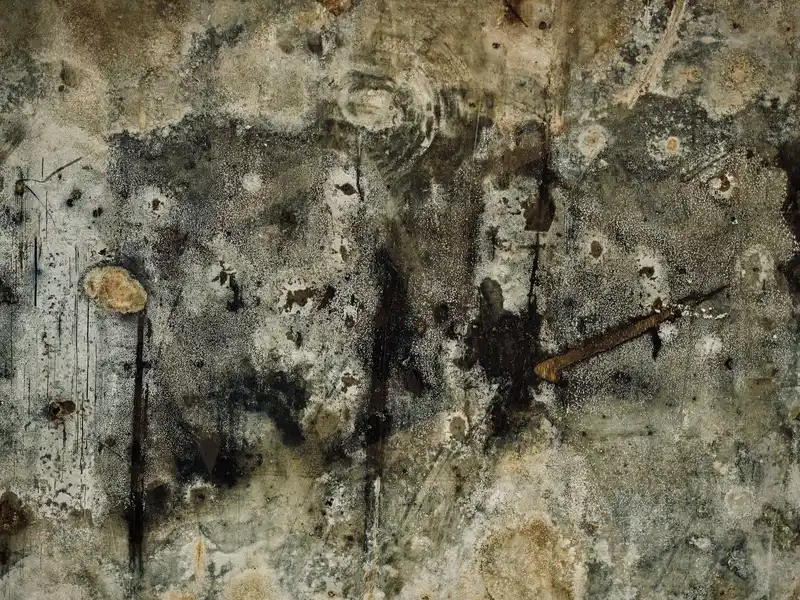
The deposit on the wall
Old steel tank walls accumulate layers of iron oxide and salt deposits that pressure washing strips away effectively, restoring the surface.
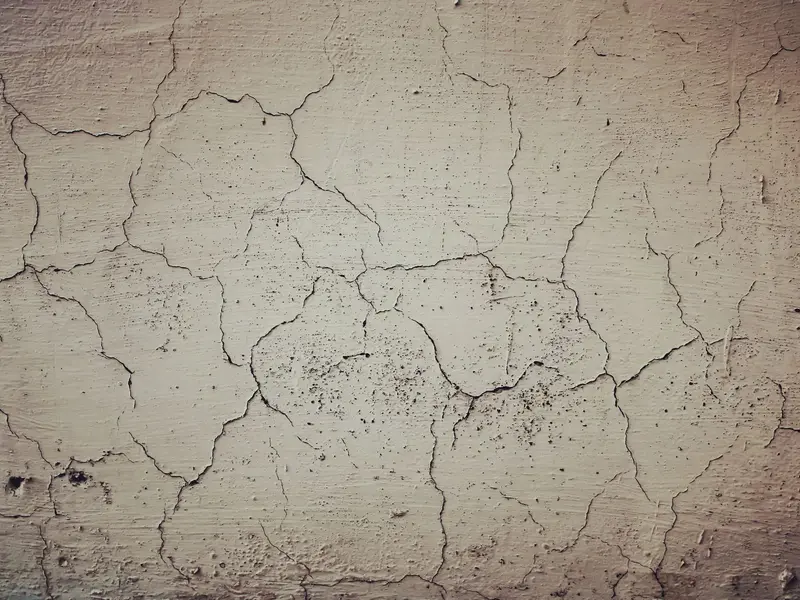
The lining and hairline cracks
Hairline cracks in very old tanks need careful inspection before high pressure cleaning, as they may require re lining or structural repair.
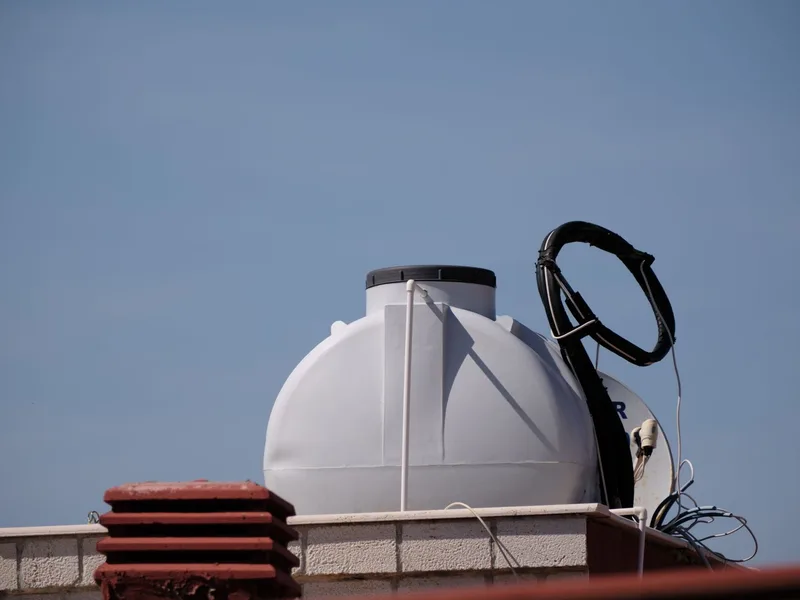
The lid and the access hatch
Tank lids and access hatches on tall towers require safe height equipment to reach. Cleaning requires secure sealing for the duration of the work.
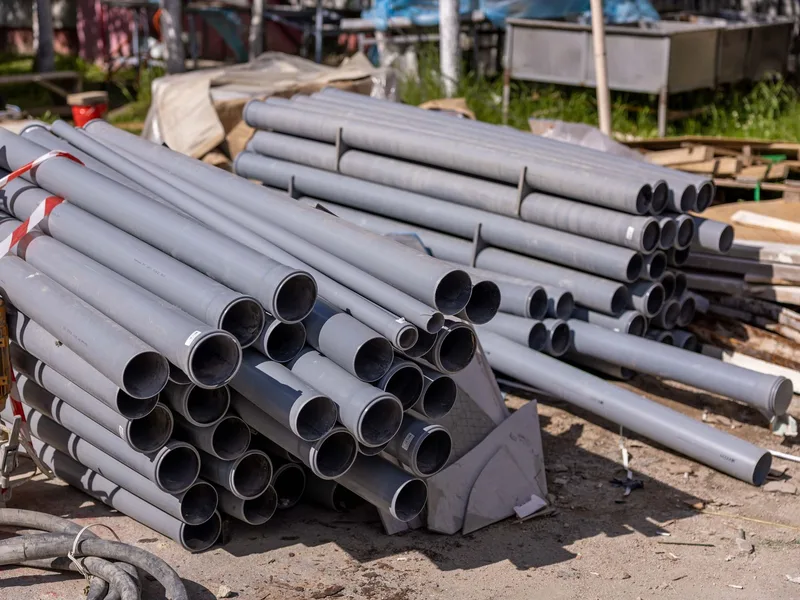
The vent and the overflow pipe
Vent openings and overflow pipes collect dust and insect nests. Cleaning includes these external parts as part of the full tank system.
How we work
-
1
Inspect before the drain
Tank type and material, the condition of the lining, the depth of the sediment, the lid and the vent, and where the drained water will go. We agree the window without supply before anything is opened.
-
2
Drain, then lift the sludge
The water leaves through the outlet, then the layer beneath it is taken out by hand and by suction. That layer is the reason for the visit, not the water that ran out ahead of it.
-
3
High pressure wash
Walls, floor and the joint where they meet, with a brush wherever the film resists, then the wash water is taken out completely so nothing we lifted settles again.
-
4
Disinfect and put back in service
Disinfectant over every internal surface, left for its contact time and then rinsed out, followed by the refill, a first draw off at the taps, and a report on what was inside the tank.
What water tank cleaning includes
-

An inspection before the valve
Tank type, lining condition, depth of sediment, lid and vent, recorded before any water leaves.
-

Full drain and sediment removal
The water through the outlet, and the layer below it by hand and by suction until the floor itself is showing.
-

Pressure washing walls and floor
High pressure across the surfaces and corners, and a brush on anything water alone will not lift.
-

Disinfection after the wash
A disinfectant intended for drinking water tanks, named to you before it is used, left for its contact time and then rinsed out.
-

Refill and the first draw off
We refill, run the taps so the new water moves through the pipework, and tell you when it is ready to use.
-

A report and the next date
What was inside the tank, anything on the lid or the lining that needs repair, and a sensible date for the next clean.
What is different about Al Ghazza Sub-Municipality
Al Ghazza sub municipality wraps around the north and west of the Grand Mosque, from Al Shamiyah, Al Qararah and Shaib Amir round to Jarwal and Al Taysir. Large tracts were cleared for the northern expansion and the Rua Al Haram scheme, leaving excavated ground and open construction sites beside ageing blocks that now serve as dense seasonal lodgings in Jarwal and Al Taysir. Old flood paths still fall from Jabal Qaiqaan and Jabal Khandamah towards the mosque, and markets and eateries crowd Al Masjid Al Haram Road and Umm Al Qura Road.
Questions about this district
The hotel is full of guests and water fails in the upper floors?
Intermediate tanks on higher levels may be clogged with sediment, reducing effective capacity. A full cleaning restores capacity and returns pressure balance throughout the tower.
Water turns cloudy right after we cleaned the tank. Is that normal?
Yes. High pressure cleaning lifts dust and particles from walls and the floor. Run the tank for a few hours and the water clears as fresh supply flushes through.
Do the towers here need a different cleaning method than other buildings?
Yes. Tank height changes pressure dynamics and flow speed. Steel pipework accumulates metal oxide and mineral scale that needs stronger pressure and acidic treatment.
Visitors arrive in waves. Do we clean the hotel tank after each group?
No. One cleaning every few weeks is enough if the hotel manages the tank well, but higher consumption shortens the intervals between cleanings.
The Grand Mosque and hotels consume enormous amounts of water. Who pays for tank cleaning?
Each building maintains its own tanks. Hotels pay for their own, apartment blocks pay for theirs, and each responsibility is separate.
A giant tank on the roof bakes in the sun all day. Does that affect the water?
Heat speeds up biological growth and makes the water more vulnerable to contamination. Regular cleaning slows that decay and keeps the water fresh for longer.
How much does water tank cleaning in Al Haram cost?
It is set after the inspection, because the price follows the type of infestation, the size of the space, how far it has spread and the number of visits it needs. Send a photo and a description on WhatsApp and we will give you an estimate before we reach Al Haram.
Nearby districts we cover
Other services in Al Haram
Other services we provide to residents of Al Haram.
-
 Residential
Cockroach control
Residential
Cockroach control
-
 Residential
Bed bug control
Residential
Bed bug control
-
 Residential
Termite control
Residential
Termite control
-
 Residential
Rodents and mice
Residential
Rodents and mice
-
 Residential
Mosquito control
Residential
Mosquito control
-
 Residential
Fly control
Residential
Fly control
-
 Residential
Ant control
Residential
Ant control
-
 Residential
Gecko control
Residential
Gecko control
-
 Residential
Scorpion control
Residential
Scorpion control
-
 Residential
Snake control
Residential
Snake control
-
 Residential
Flea control
Residential
Flea control
-
 Residential
Bird and pigeon control
Residential
Bird and pigeon control
-
 Residential
Preventive treatment
Residential
Preventive treatment
-
 Residential
Disinfection
Residential
Disinfection
-
 Commercial
Annual contracts
Commercial
Annual contracts
-
 Commercial
Restaurants and cafes
Commercial
Restaurants and cafes
-
 Commercial
Hotels and apartments
Commercial
Hotels and apartments
-
 Commercial
Warehouses and factories
Commercial
Warehouses and factories
-
 Commercial
Schools and nurseries
Commercial
Schools and nurseries
-
 Commercial
Retail and malls
Commercial
Retail and malls
-
 Commercial
Rest houses and farms
Commercial
Rest houses and farms
-
 Commercial
Fumigation
Commercial
Fumigation
-
 Water tanks
Water tank sterilization
Water tanks
Water tank sterilization
-
 Water tanks
Water tank sealing
Water tanks
Water tank sealing
-
 Water tanks
Tank leak repair
Water tanks
Tank leak repair
Need water tank cleaning in Al Haram? Tell us what you saw and we will tell you what it needs
We reach Al Haram at a time we agree, and you get the full cost before we start.