
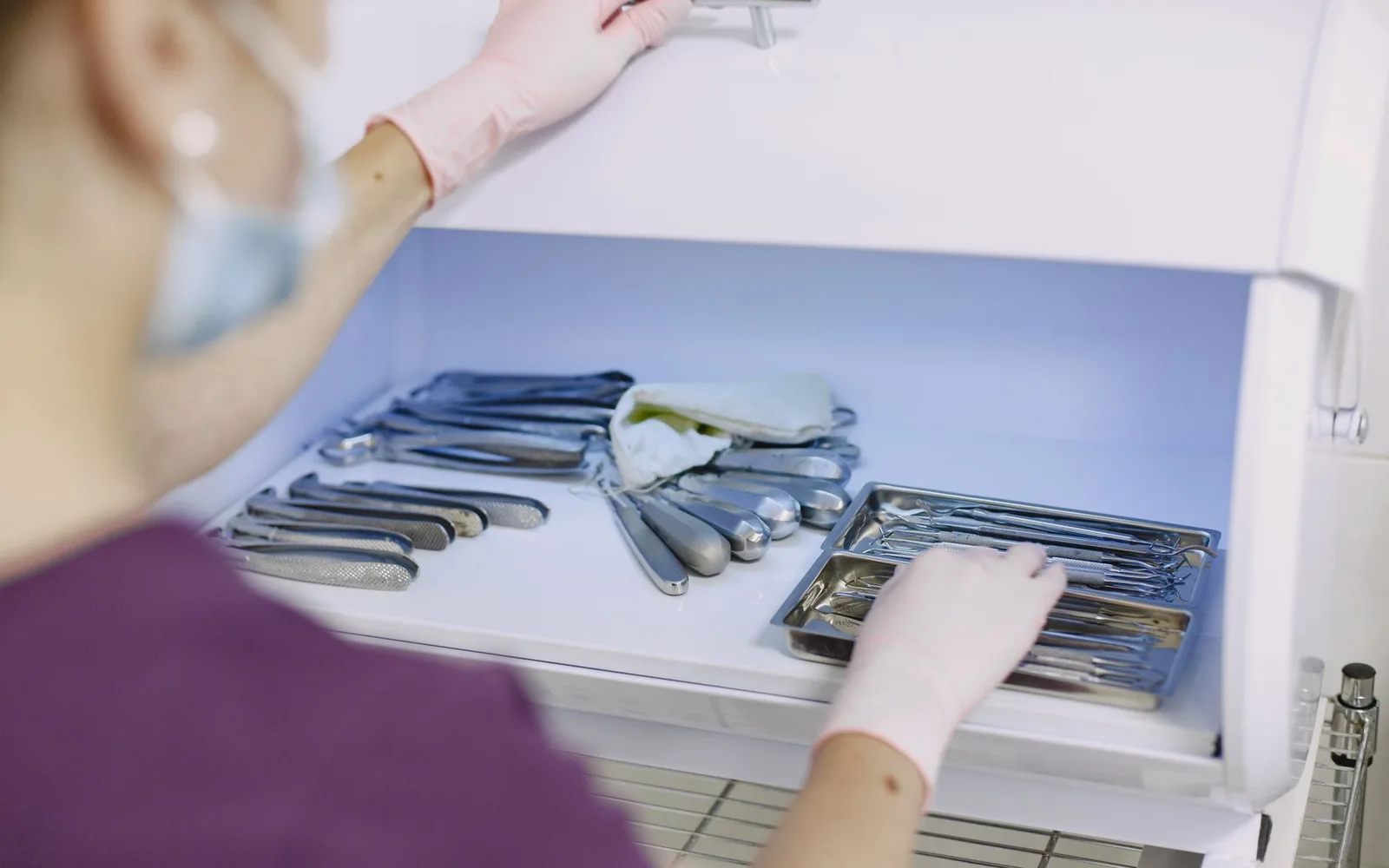
Water tank sterilization in Harat Al Sham Jeddah
Harat Al Sham occupies the northern section inside the ancient wall by Bab Al Madinah and contains venerable coral houses such as Dar Al Zahid with very narrow alleys. Tall houses with old wooden rawashin contain tanks tucked into tight spaces between floors. Water arrives from an old shared well or public distribution line, and tanks require deep cleaning because the ancient pipework causes rapid sediment buildup.
-
Potable-rated materials
Linings and disinfectants cleared for drinking water tanks, not general-purpose products.
-
You get the downtime first
How many hours the tank is out of service, told before we start rather than after we finish.
-
A first-draw flush
We run the first draw off after refilling, and the tank is not handed back until the water runs clear.
-
Ground and roof tanks
Villas, apartment blocks and premises that need a written record of each visit.
Why the job is different in Harat Al Sham
Residents report white mineral crust and rust deposits on pipes and tanks, and water discoloration especially after periods of stagnation. The method is set out in full on our Water tank sterilization service.
Tight tanks wedged between floors and walls
In the tall heritage houses, tanks sit in narrow voids between ground and first floors. The gap is extremely cramped and walls press close around the tank, making scrubbing very difficult.
Shared old pipework from ancient communal wells
All houses in Harat Al Sham connect to an ancient pipe network fed from public wells. Pipes are made of weak iron and rust plus mineral scale accumulates in the pipes and tanks very rapidly.
Moisture and seepage from ancient coral stone walls
Coral walls absorb humidity from air and soil constantly. Seeping water from outside walls enters voids around the tank and causes green and brown algal growth.
The character of Harat Al Sham
Historic district: close-set buildings, narrow lanes and ageing services
An old historic quarter built in coral stone with vertical building density (tall houses). Tanks are hidden in extremely tight floor voids, so treatment demands special skill in navigating and scrubbing very confined spaces.
What we read inside the tank before anything starts
An old historic quarter to the north inside the wall by Bab Al Madinah, containing heritage houses like Dar Al Zahid and Banaja House in very tight alleyways. It is bounded on the north by Bab Jadid and the old Qishla barracks.
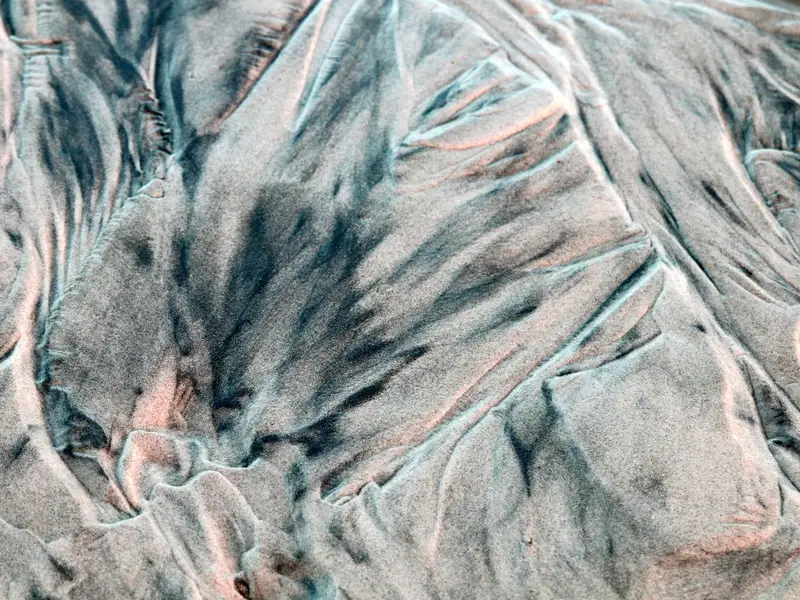
Sediment on the floor
White mineral and calcium scale coats the tank base and pipes due to hard water from the old wells.
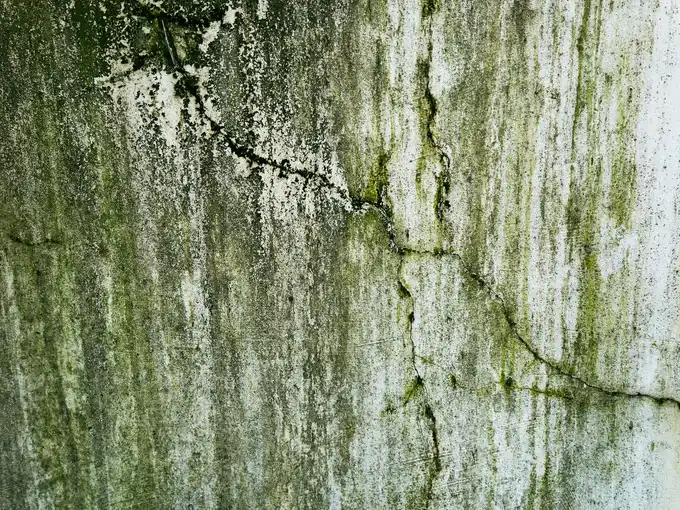
The slime film on the wall
Red and brown rust from ancient iron pipes falls into the tank with daily running water.
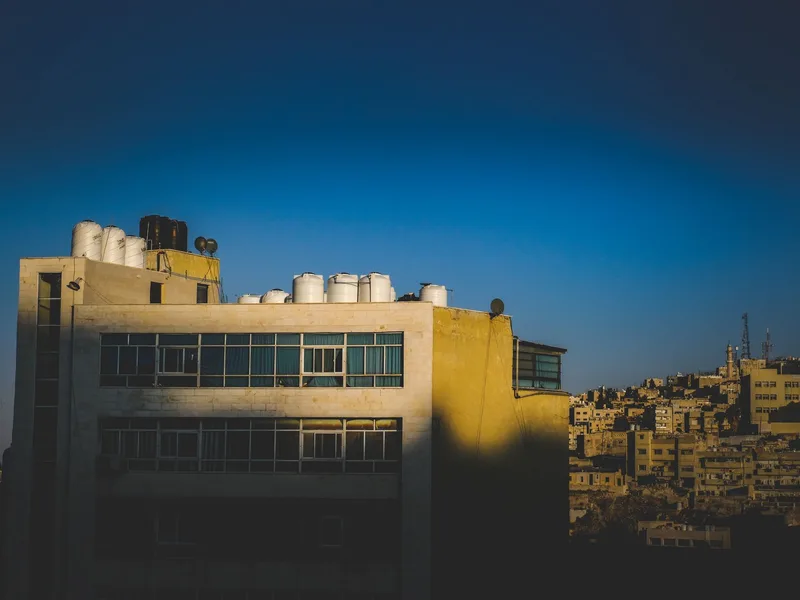
Light and heat
Shared public pipes linking houses collect contaminants from multiple points before water reaches the tank.
The lining and any cracking
Moisture from stone walls and surrounding soil creates a constantly wet environment around the tank void.
The lid and the openings
Tanks sit in narrow floor voids and the tank base collects sediment and moisture from the surrounding tight space.

What shows up at the tap
Biological growth from algae and bacteria spreads very rapidly due to darkness, moisture and accumulating organic deposits.
How we work
-
1
Inspect and record the condition
We open the hatch and work through what the tank is made of and how big it is, how deep the sediment lies, the state of the lining, whether the lid and the overflow seal, and whether there is a crack that has to be repaired before any sterilizing.
-
2
Drain and lift the sediment out
The water goes out, then the silt and sand are lifted off the floor by suction rather than pushed toward the outlet, because pushing them sends them into the house pipework and the heater.
-
3
High pressure wash
Walls, floor, corners and the area around the outlet, until the slime film is completely gone. This is the step that makes the sterilizing after it mean anything.
-
4
Sterilize, rinse, then return to service
The sterilizing agent goes onto the walls, the floor and the underside of the lid and is left for its contact time, then we rinse, refill and run the furthest tap until the whole line is clear.
What water tank sterilization includes
-

A recorded inspection
Material, capacity, sediment depth, the state of the lining, the lid and the overflow, all before any work begins.
-

Draining and sediment removal
The water out, and the silt and sand lifted off the floor instead of being pushed into the outlet and the house pipework.
-

High pressure washing
Walls, corners and around the outlet, until the biofilm that no disinfectant penetrates has gone.
-
Sterilizing the internal surfaces
A sterilizing agent meant for drinking water tanks, applied to the walls, the floor and the underside of the lid, and left for its contact time.
-

Line flush and aftercare
Rinse, refill and a flush from the furthest tap, when the water is usable again, and what to change in the filter afterwards.
-

The next cycle
We agree the right interval for your tank from how it is filled, how much sun it takes and the condition of the lid.
What is different about Historic Jeddah Municipality
The Historic Jeddah municipality covers the quarters of Al Balad inside the old wall: Al Mazloum, Al Sham, Al Yaman and Al Bahr. The buildings are tall houses of coral limestone and timber rawashin, centuries old, standing shoulder to shoulder on narrow lanes that see little sun, many under restoration or partly vacant. The ground is low and close to the sea and the harbour, humidity stays high through the year, and popular souqs and eateries trade late into the night. Old timber, voids between walls and goods stores create conditions favoured by termites, cockroaches, rodents and wood boring beetles.
Questions about this district
Why do tanks in Harat Al Sham foul faster than other areas?
The shared public pipes from old wells carry heavy sediment and rust. Every house shares the same aged network so contamination enters the tank directly.
Does cleaning the tank alone fix corroded old piping?
No. Cleaning removes sediment from the tank but old pipes deliver continuous rust and scale. The real issue lies in the ancient distribution network.
How do we access tanks wedged in tight floor voids?
We lift floorboards or remove old wooden panels. Then we pump out water and use flexible hoses to pressure-wash walls in the cramped void.
Does seepage from stone walls affect tank integrity?
Yes. Moisture ingress creates a wet environment around the tank where algae and bacteria colonise rapidly.
How often per year must tanks be sterilized in this quarter?
At least three times yearly, especially after water outages or periods of stagnation, because the old pipes deposit sediment continuously.
Do heritage mansions like Dar Al Zahid need different treatment?
Yes. Historic houses hold multiple tanks and very complex piping. Treatment requires understanding the old house layout.
How much does water tank sterilization in Harat Al Sham cost?
It is set after the inspection, because the price follows the type of infestation, the size of the space, how far it has spread and the number of visits it needs. Send a photo and a description on WhatsApp and we will give you an estimate before we reach Harat Al Sham.
Nearby districts we cover
Other services in Harat Al Sham
Other services we provide to residents of Harat Al Sham.
-
 Water tanks
Water tank cleaning
-
 Water tanks
Water tank sealing
-
 Water tanks
Tank leak repair
-
 Residential
Cockroach control
Need water tank sterilization in Harat Al Sham? Tell us what you saw and we will tell you what it needs
We reach Harat Al Sham at a time we agree, and you get the full cost before we start.