
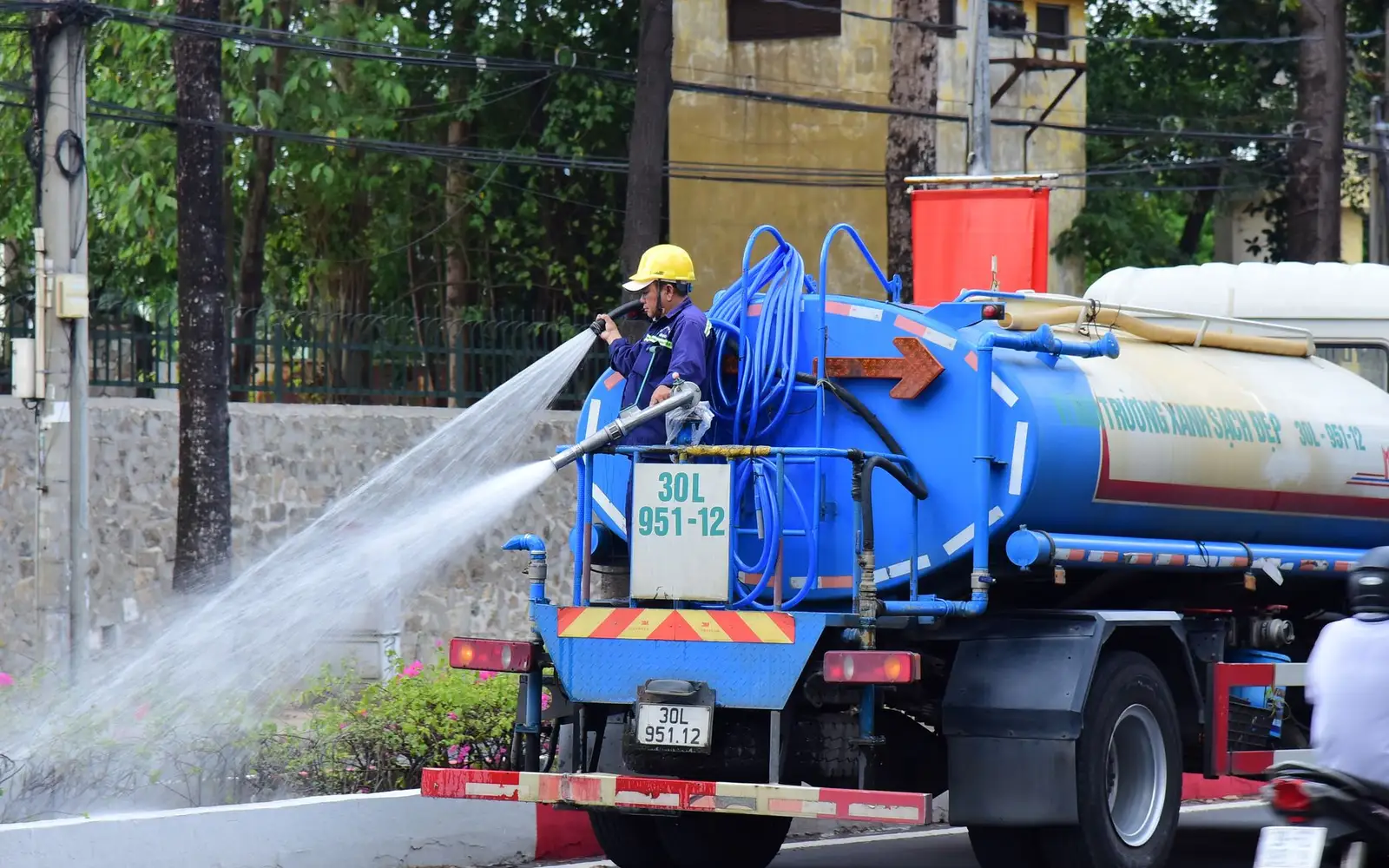
Water tank cleaning in Kudai Makkah
Kudai is a seasonal district on Jabal Khandamah's lower slopes, ringed by hotels and warehouses serving the coach parks that move pilgrims through the city. Tank water cycles rapidly during peak months, passing through thermal swings and picking up dust from construction sites, paved areas and the mountain itself, then settling thickly on tank floors and walls.
-
Potable-rated materials
Linings and disinfectants cleared for drinking water tanks, not general-purpose products.
-
You get the downtime first
How many hours the tank is out of service, told before we start rather than after we finish.
-
A first-draw flush
We run the first draw off after refilling, and the tank is not handed back until the water runs clear.
-
Ground and roof tanks
Villas, apartment blocks and premises that need a written record of each visit.
Why the job is different in Kudai
Park and hotel tanks here empty and refill many times a day in season, and the rapid discharge stirs up the settled layer so that cleaning uncovers repeated heavy sediment loads beneath the outlet. The method is set out in full on how we approach Water tank cleaning.
High tank turnover and rapid floor sediment mixing
Coach park and hotel tanks are large and cycle multiple times daily in season. This rapid filling and draining stirs the settled layer and mixes it back into the water column, so cleaning must work against constant disturbance of the tank floor.
Quarry and construction dust entering continuously
Jabal Khandamah quarries and the open building sites around Kudai release stone dust and grit into the air year round. This dust enters tanks through vent openings and access hatches and settles fast to create thick layers on walls and floor.
Extreme seasonal heat swings and thermal shock
Rooftop hotel tanks stand exposed to intense direct sun in summer and rapid cooling at night, with strong thermal cycling between seasons. Temperature swings accelerate sediment formation and algae growth on walls, and cause moisture condensation inside the tank.
Landmarks of Kudai
Tanks serving Kudai hotels and warehouses sit within sight of the Kudai Car Parks themselves, with access typically arranged via Ajyad Street which separates them from the residential Kudai Towers. Work in this area starts from the south of the Grand Mosque, where the Zamzam Water Project stands adjacent to many of the district's larger tanks.
- Kudai Car Parks
- Zamzam Water Project
- Kudai Towers
- Kudai Ajyad Tunnel
- Jabal Khandamah
The condition of the tank decides the method
A hillside setting with active building work, wide coach parks and open construction sites, where airborne dust from the quarries and roadworks rises into tank vents almost constantly.
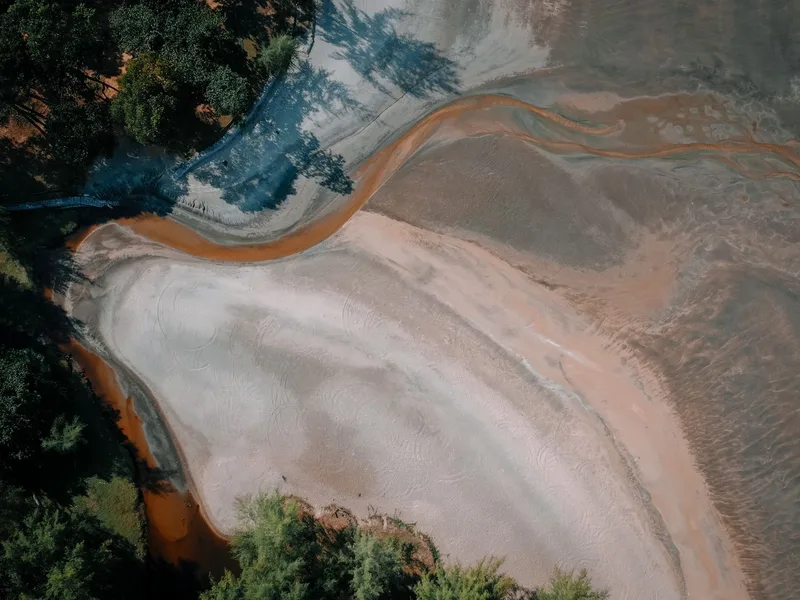
The layer on the floor
Sediment in Kudai tanks is heavy and adhesive because the water carries dust from building sites and roads, and the floor layer builds up fast from repeated discharge cycles.
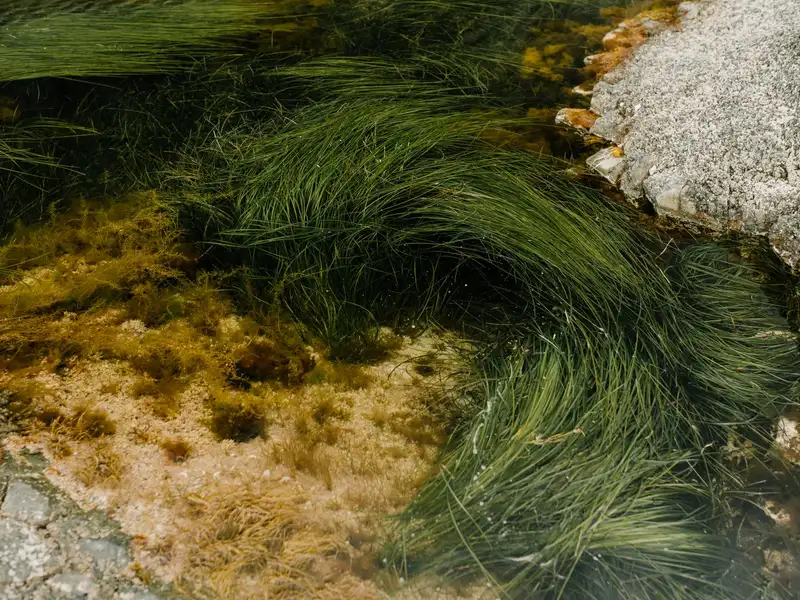
Light and algae
Exposed rooftop tanks let daylight reach the water and trigger green and brown algae growth on the walls and floor throughout the year.
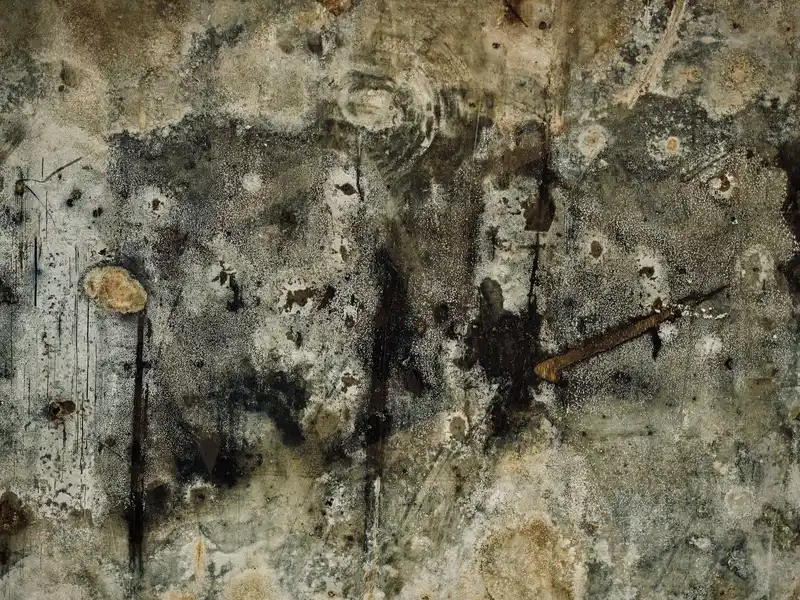
The deposit on the wall
Walls accumulate a yellow brown or grey film of iron oxide and heavy metals carried into the tank from the surrounding dust and quarry material.
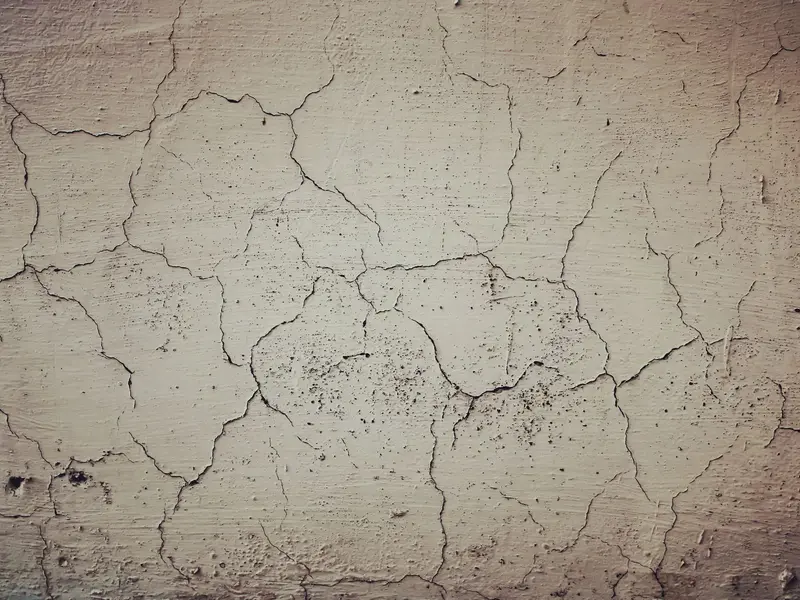
The lining and hairline cracks
Old tank linings crack under the extreme thermal expansion and contraction caused by the harsh daytime heat and rapid cooling. Hairline cracks form and leak water slowly outward.
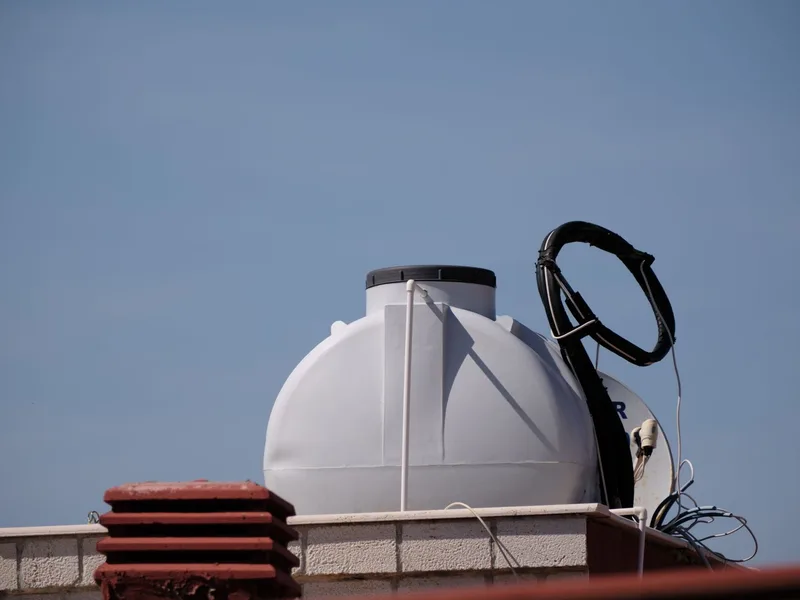
The lid and the access hatch
Tank lids and hatches stand exposed to strong winds and airborne grit, so seals crumble and openings allow more dust and insects to enter the tank.
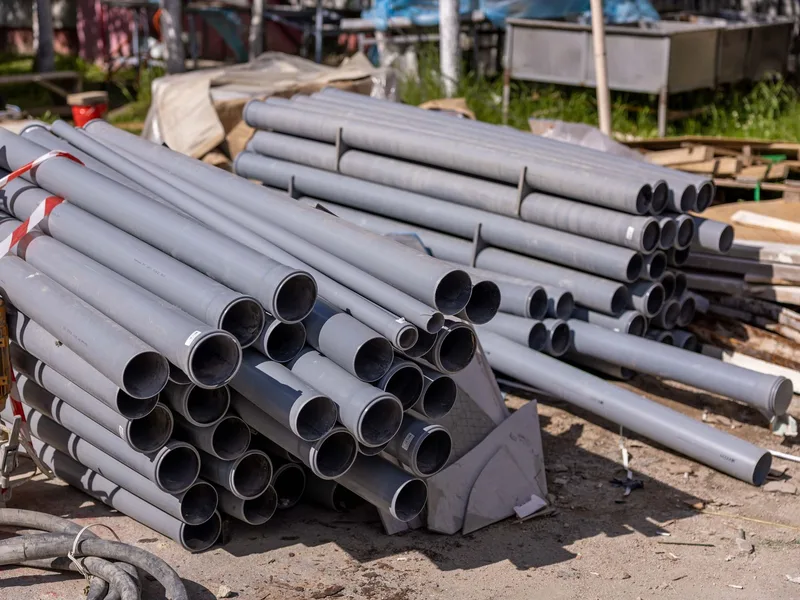
The vent and the overflow pipe
Vent openings become clogged with dust blown from Jabal Khandamah and active building work, reducing air circulation inside the tank and trapping humid air that encourages bacterial growth.
How we work
-
1
Inspect before the drain
Tank type and material, the condition of the lining, the depth of the sediment, the lid and the vent, and where the drained water will go. We agree the window without supply before anything is opened.
-
2
Drain, then lift the sludge
The water leaves through the outlet, then the layer beneath it is taken out by hand and by suction. That layer is the reason for the visit, not the water that ran out ahead of it.
-
3
High pressure wash
Walls, floor and the joint where they meet, with a brush wherever the film resists, then the wash water is taken out completely so nothing we lifted settles again.
-
4
Disinfect and put back in service
Disinfectant over every internal surface, left for its contact time and then rinsed out, followed by the refill, a first draw off at the taps, and a report on what was inside the tank.
What water tank cleaning includes
-

An inspection before the valve
Tank type, lining condition, depth of sediment, lid and vent, recorded before any water leaves.
-

Full drain and sediment removal
The water through the outlet, and the layer below it by hand and by suction until the floor itself is showing.
-

Pressure washing walls and floor
High pressure across the surfaces and corners, and a brush on anything water alone will not lift.
-

Disinfection after the wash
A disinfectant intended for drinking water tanks, named to you before it is used, left for its contact time and then rinsed out.
-

Refill and the first draw off
We refill, run the taps so the new water moves through the pipework, and tell you when it is ready to use.
-

A report and the next date
What was inside the tank, anything on the lid or the lining that needs repair, and a sensible date for the next clean.
What is different about Al Misfalah Sub-Municipality
Al Misfalah sub municipality runs downhill from the south of the Grand Mosque through Al Misfalah, Kudai and Al Rawabi to Al Taqwa, Al Hindawiyah, Al Khalidiyah and Al Rusayfah at the third ring road. The northern end is old apartment blocks and pilgrim hotels with restaurants along Ibrahim Al Khalil Street and the huge coach parks at Kudai. The south and west are dense popular districts with countless small shops and unplanned hillside housing, some of it already cleared for redevelopment, giving way to orderly land grant schemes in Al Rusayfah beside the railway station.
Questions about this district
Our hotel tank empties and fills several times daily in season. How often should we clean?
Rapid discharge stirs sediment from the floor repeatedly. We recommend cleaning twice yearly as a baseline, or more often if water turns cloudy quickly after cleaning.
Construction dust keeps entering through the top vents. Is washing enough to fix it?
Quarry dust and construction grit settle fast and form thick deposits on walls and floor. Cleaning includes pressure washing and sediment removal, but you may need to inspect and seal vent openings to stop continuous entry of airborne particles.
The tap water looks slightly red in summer. Where does that come from?
Extreme heat on an exposed roof accelerates oxidation reactions inside the tank, especially in metal pipework and mineral deposits. Cleaning and disinfection stop this, and we can inspect the tank lining to check for rust or corrosion.
The tank sits on a fully exposed roof in direct sun all day. Does that matter?
Exposed tanks see constant algae growth and bacterial colonisation from direct light, plus rapid thermal swings that increase sediment formation. Regular cleaning and strong disinfection are essential here.
Our hotel only operates during hajj season. When should we schedule tank cleaning?
Clean the tank a few weeks before the season starts so you begin with clean water. You may also need a quick mid season check if guests complain about water quality.
The tank leaks slightly from the base and the outer walls around the hotel are damp. Is this dangerous?
A slow leak means the tank lining has lost its seal or hairline cracks have opened. Cleaning will expose these problems clearly. You may need the tank repaired or replaced if cracks are significant.
How much does water tank cleaning in Kudai cost?
It is set after the inspection, because the price follows the type of infestation, the size of the space, how far it has spread and the number of visits it needs. Send a photo and a description on WhatsApp and we will give you an estimate before we reach Kudai.
Nearby districts we cover
Other services in Kudai
Other services we provide to residents of Kudai.
-
 Residential
Cockroach control
Residential
Cockroach control
-
 Residential
Bed bug control
Residential
Bed bug control
-
 Residential
Termite control
Residential
Termite control
-
 Residential
Rodents and mice
Residential
Rodents and mice
-
 Residential
Mosquito control
Residential
Mosquito control
-
 Residential
Fly control
Residential
Fly control
-
 Residential
Ant control
Residential
Ant control
-
 Residential
Gecko control
Residential
Gecko control
-
 Residential
Scorpion control
Residential
Scorpion control
-
 Residential
Snake control
Residential
Snake control
-
 Residential
Flea control
Residential
Flea control
-
 Residential
Bird and pigeon control
Residential
Bird and pigeon control
-
 Residential
Preventive treatment
Residential
Preventive treatment
-
 Residential
Disinfection
Residential
Disinfection
-
 Commercial
Annual contracts
Commercial
Annual contracts
-
 Commercial
Restaurants and cafes
Commercial
Restaurants and cafes
-
 Commercial
Hotels and apartments
Commercial
Hotels and apartments
-
 Commercial
Warehouses and factories
Commercial
Warehouses and factories
-
 Commercial
Schools and nurseries
Commercial
Schools and nurseries
-
 Commercial
Retail and malls
Commercial
Retail and malls
-
 Commercial
Rest houses and farms
Commercial
Rest houses and farms
-
 Commercial
Fumigation
Commercial
Fumigation
-
 Water tanks
Water tank sterilization
Water tanks
Water tank sterilization
-
 Water tanks
Water tank sealing
Water tanks
Water tank sealing
-
 Water tanks
Tank leak repair
Water tanks
Tank leak repair
Need water tank cleaning in Kudai? Tell us what you saw and we will tell you what it needs
We reach Kudai at a time we agree, and you get the full cost before we start.