
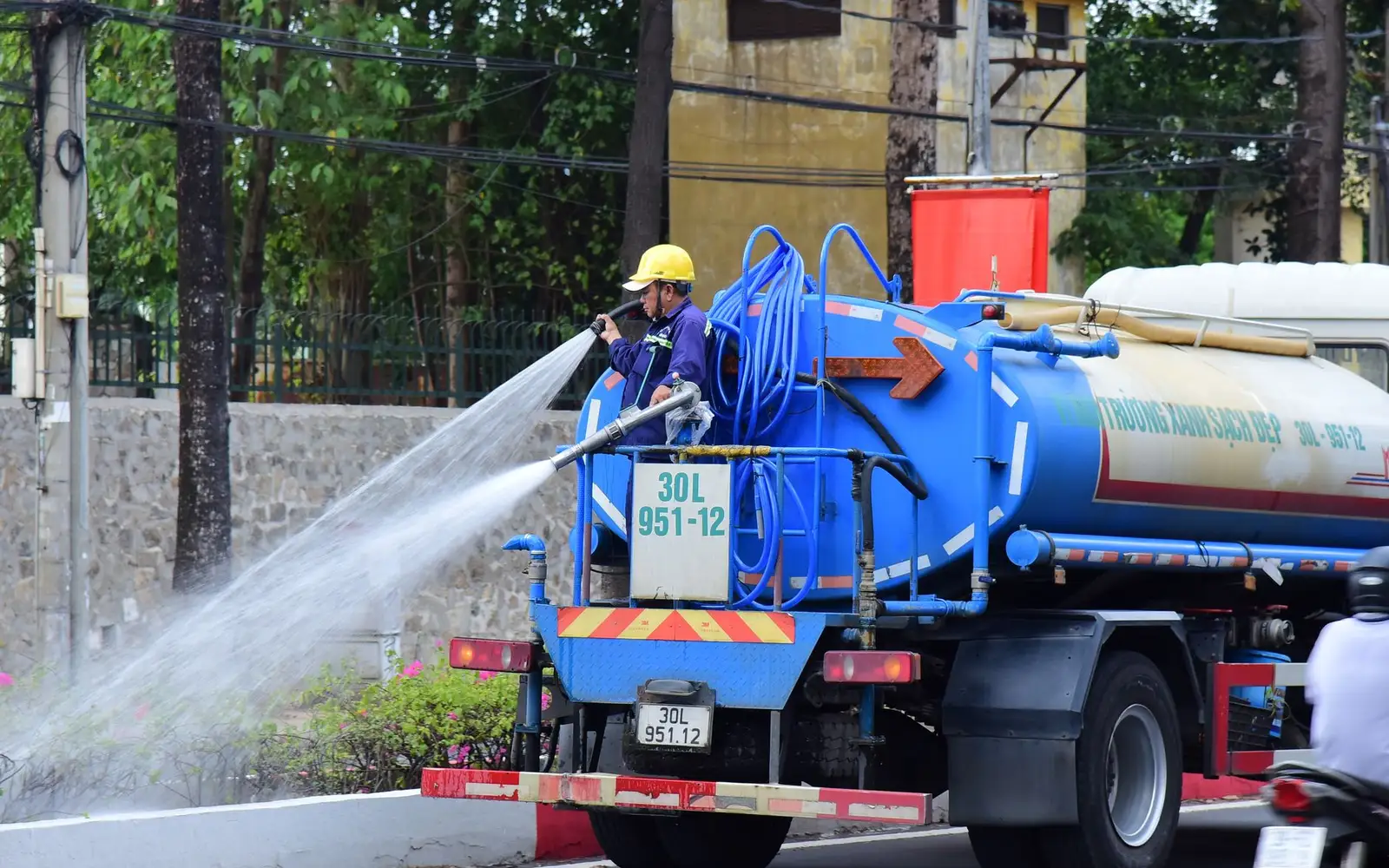
Water tank cleaning in Al Taqwa Makkah
Al Taqwa is a hillside quarter south of Al Misfalah, rebuilt on land cleared of an old informal settlement on steep slopes. Tanks here sit on difficult terrain and sloping ground, water flows powerfully downhill when the tank fills, and red soil enters through new cracks constantly.
-
Potable-rated materials
Linings and disinfectants cleared for drinking water tanks, not general-purpose products.
-
You get the downtime first
How many hours the tank is out of service, told before we start rather than after we finish.
-
A first-draw flush
We run the first draw off after refilling, and the tank is not handed back until the water runs clear.
-
Ground and roof tanks
Villas, apartment blocks and premises that need a written record of each visit.
Why the job is different in Al Taqwa
Tanks here are new on redevelopment schemes, but the difficult terrain and constant water flow from the hillside make maintenance extremely challenging. The method is set out in full on the full Water tank cleaning page.
The steep slope brings water seepage and silt rapidly into the tank
Water flows from the hill with every rainstorm and pressures the foundations heavily. Red soil and silt enter easily through cracks and openings.
New construction on unstable old ground cracks tanks quickly
Sloping, uncompacted ground beneath new buildings is inherently unstable. Cracks appear in the tank and foundations from soil movement.
The nearby wadi brings flash flood water and heavy silt to the district
The neighbouring wadi carries severe flood flows in winter and spring months. Floodwater and silt run toward the quarter and tank, contaminating the water supply directly.
Al Taqwa on the map
Al Taqwa sits about 1.5 km from Al Misfalah and about 2 km from Al Khalidiyah.
Open in Google MapsThe condition of the tank decides the method
The district sits on a steep slope beside a wadi, red soil and silt flow down from the hills with every rain, and water pools in incomplete housing schemes all around.
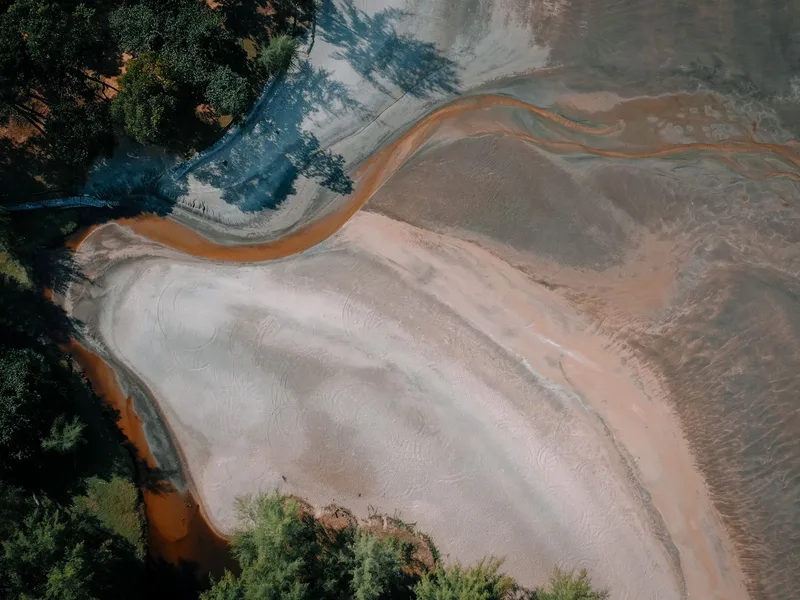
The layer on the floor
The floor fills with red silt and heavy earth particles, requiring powerful extraction and deep multi-stage filtration.
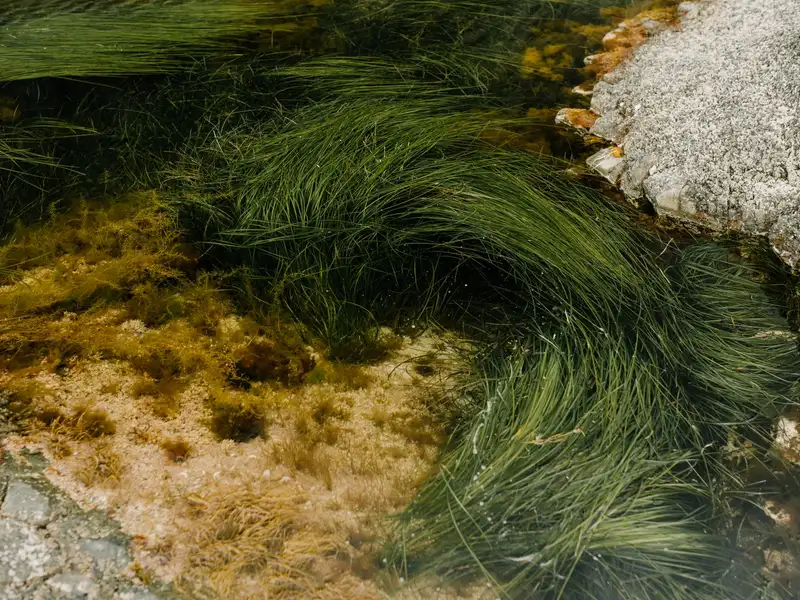
Light and algae
Algae has not yet established because water clouds too quickly, but bacteria may grow in the silt layer.
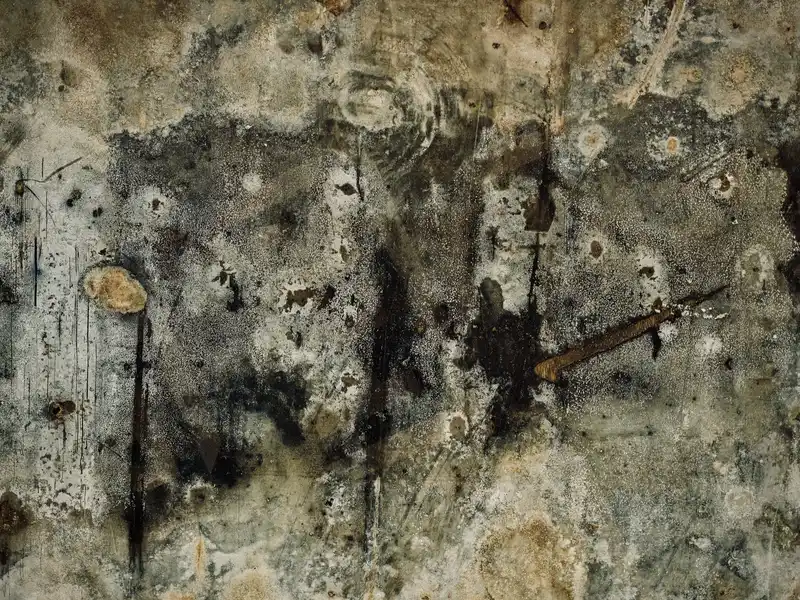
The deposit on the wall
A thick red silt layer coats the walls, requiring strong chemical treatment for complete removal.
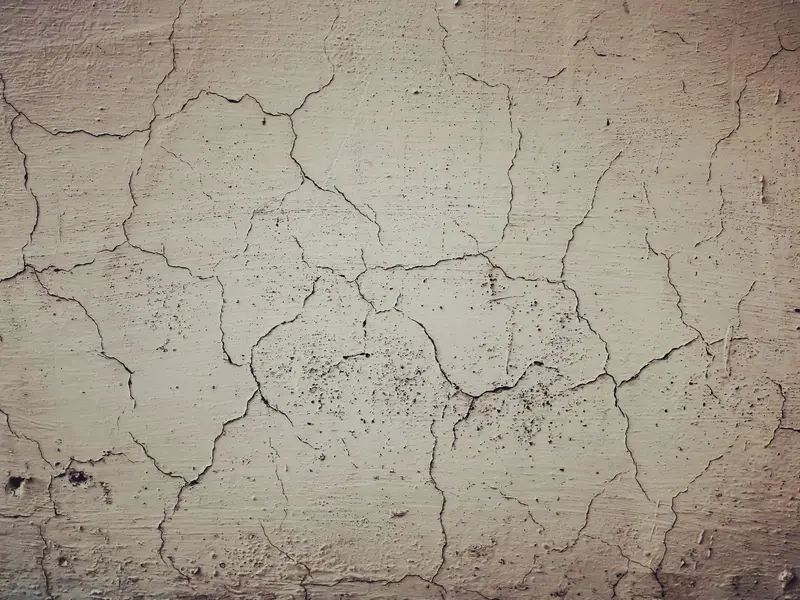
The lining and hairline cracks
The new concrete lining cracks rapidly from soil movement and changing water pressure loads.
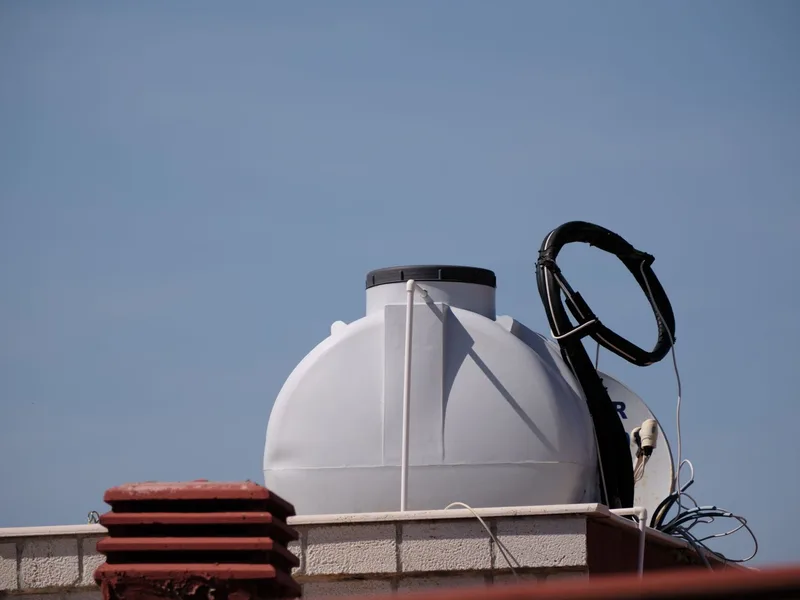
The lid and the access hatch
The lid and access hatch face constant silt and debris, needing weekly cleaning before the rainy season.
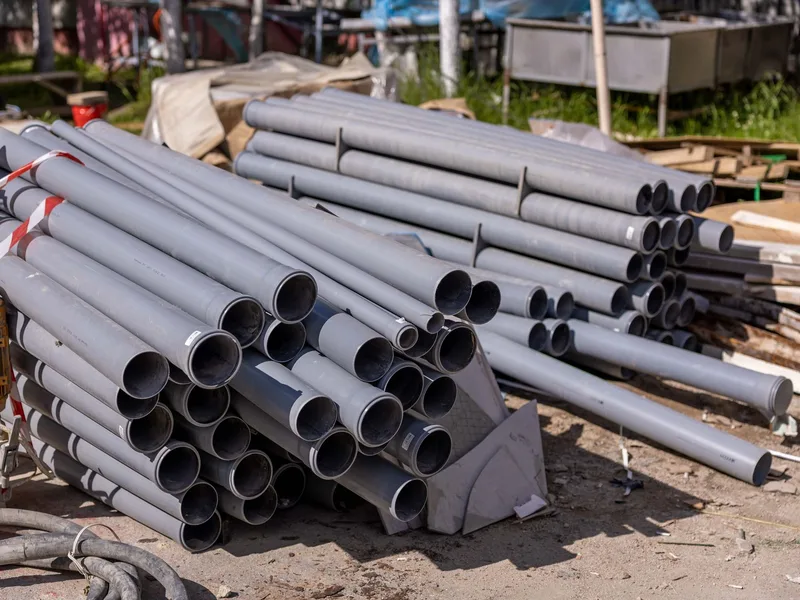
The vent and the overflow pipe
Ventilation and overflow pipes clog easily with red silt and sand, needing frequent clearing.
How we work
-
1
Inspect before the drain
Tank type and material, the condition of the lining, the depth of the sediment, the lid and the vent, and where the drained water will go. We agree the window without supply before anything is opened.
-
2
Drain, then lift the sludge
The water leaves through the outlet, then the layer beneath it is taken out by hand and by suction. That layer is the reason for the visit, not the water that ran out ahead of it.
-
3
High pressure wash
Walls, floor and the joint where they meet, with a brush wherever the film resists, then the wash water is taken out completely so nothing we lifted settles again.
-
4
Disinfect and put back in service
Disinfectant over every internal surface, left for its contact time and then rinsed out, followed by the refill, a first draw off at the taps, and a report on what was inside the tank.
What water tank cleaning includes
-

An inspection before the valve
Tank type, lining condition, depth of sediment, lid and vent, recorded before any water leaves.
-

Full drain and sediment removal
The water through the outlet, and the layer below it by hand and by suction until the floor itself is showing.
-

Pressure washing walls and floor
High pressure across the surfaces and corners, and a brush on anything water alone will not lift.
-

Disinfection after the wash
A disinfectant intended for drinking water tanks, named to you before it is used, left for its contact time and then rinsed out.
-

Refill and the first draw off
We refill, run the taps so the new water moves through the pipework, and tell you when it is ready to use.
-

A report and the next date
What was inside the tank, anything on the lid or the lining that needs repair, and a sensible date for the next clean.
Landmarks of Al Taqwa
Tanks in Al Taqwa sit on new building rooftops along Al Taqwa Street near Qawz Al Nakasah. Access runs through the new housing schemes and narrow hillside roads.
- Al Taqwa Street
- Qawz Al Nakasah
- Ibrahim Al Khalil Street
- Jabal Sharaf
Questions about this district
The first water from the tap is very cloudy with red sand. Why?
Red soil from the hillside enters the tank through cracks and openings. This happens after rain or when pressure from overfilling forces water through gaps.
After rain the water turns pale brown and smells strongly of earth and soil?
Flash floods from the wadi carry heavy silt and red earth. Floodwater may enter the main supply line directly through underground cracks.
Is a tank in Al Taqwa more prone to contamination than other districts?
Yes, the hillside location and proximity to the wadi means much higher exposure. Cleaning every two months is essential here.
Should the tank be cleaned before the rainy season comes?
Yes, definitely. Pre-season deep cleaning prepares the tank for the flood months and silt damage ahead.
New house water is very cloudy with silt hours after the rains stop here?
New buildings on unstable ground may have cracks that let water seep from outside. Rapid cleaning and structural inspection are essential.
Humidity around the foundations is very high. Does groundwater reach the tank?
Yes, groundwater from the hill and rainfall can flow toward the tank. Regular inspection of cracks and leaks is absolutely essential.
How much does water tank cleaning in Al Taqwa cost?
It is set after the inspection, because the price follows the type of infestation, the size of the space, how far it has spread and the number of visits it needs. Send a photo and a description on WhatsApp and we will give you an estimate before we reach Al Taqwa.
Nearby districts we cover
Other services in Al Taqwa
Other services we provide to residents of Al Taqwa.
-
 Water tanks
Water tank sterilization
-
 Water tanks
Water tank sealing
-
 Water tanks
Tank leak repair
-
 Residential
Cockroach control
Need water tank cleaning in Al Taqwa? Tell us what you saw and we will tell you what it needs
We reach Al Taqwa at a time we agree, and you get the full cost before we start.