
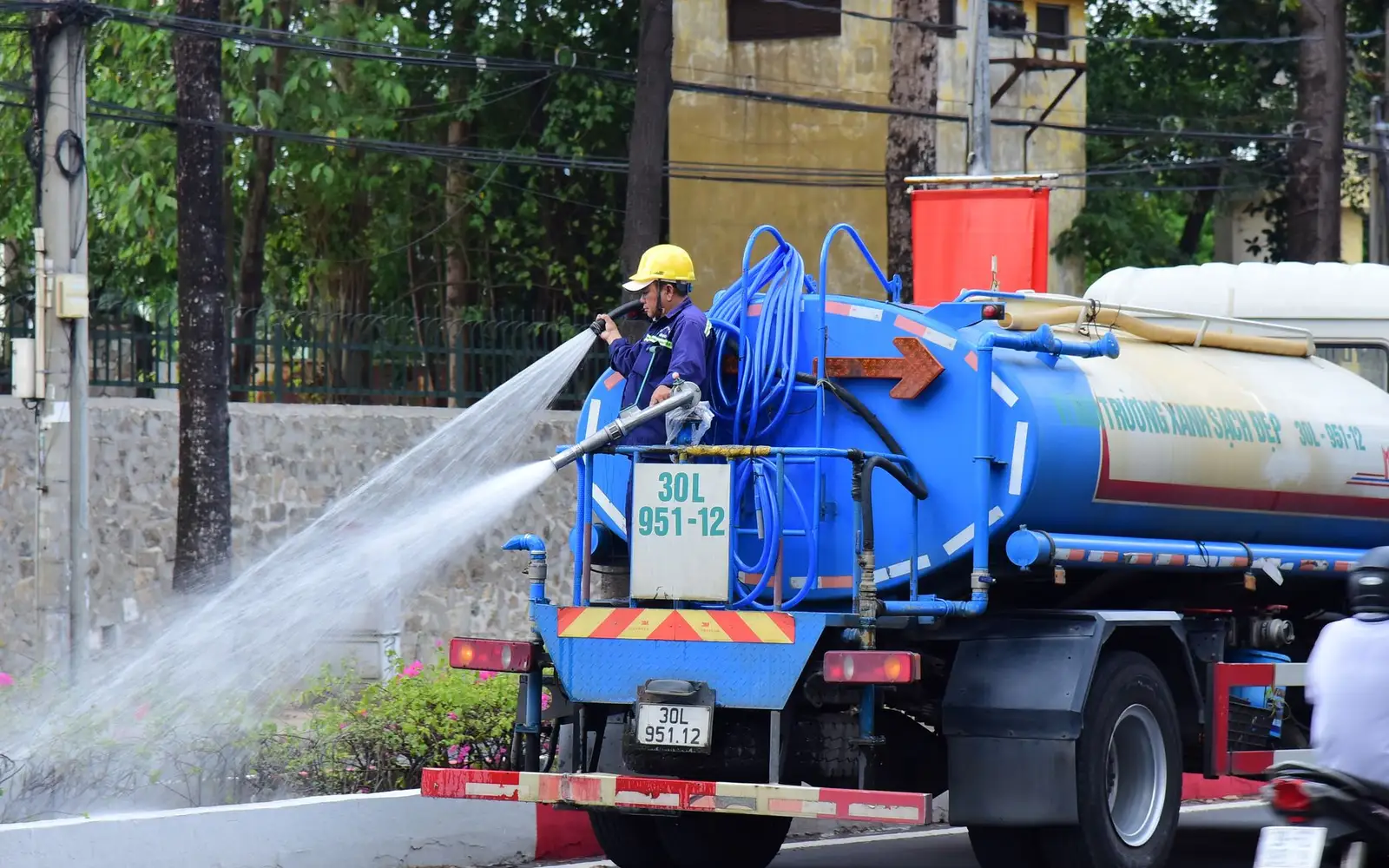
Water tank cleaning in Usaylah Makkah
Usaylah is a large planned suburb west of Al Sharai, spread across open hilly ground north of the Fourth Ring Road between Wadi Jalil and the surrounding hills. Tanks here serve new homes scattered among vacant plots and wadi channels, in an area where development is ongoing but uneven. Part of the scheme lies inside the Haram boundary and part outside, so building progresses at different rates, leaving tanks exposed to dust and seasonal flood water for extended periods.
-
Potable-rated materials
Linings and disinfectants cleared for drinking water tanks, not general-purpose products.
-
You get the downtime first
How many hours the tank is out of service, told before we start rather than after we finish.
-
A first-draw flush
We run the first draw off after refilling, and the tank is not handed back until the water runs clear.
-
Ground and roof tanks
Villas, apartment blocks and premises that need a written record of each visit.
Why the job is different in Usaylah
New tanks here contain building debris and dust from the start, and some sit in direct paths of wadi runoff that raises water levels and deposits heavy silt inside the tank. The method is set out in full on the full Water tank cleaning page.
Wide scattered scheme means wadis between homes that carry floods with silt
Usaylah is a large scheme across open hilly ground cut by wadis such as Wadi Jalil and Wadi Al Mughammas. Winter rains send these wadis into spate, carrying silt and stones and contaminated water from higher ground down toward homes and tanks at lower elevations. This sediment-laden water enters tanks through vent holes and uncapped pipes. Unlike a compact coastal district, tanks here suffer periodic inundation with silt when rain falls heavily.
Haram boundary cutting through building areas means exposed tanks for months
Part of Usaylah sits inside the Haram boundary and part outside, with building at different paces in each zone. Tanks may remain exposed with open construction apertures for months while approvals are awaited or foundations are completed. This delay allows rain and dust to enter freely. Some new tanks may need cleaning from day one before occupancy, then again three weeks later, then again in month one.
Temporary pipes and incomplete connections allow polluted water to enter
The large scheme means years of continuous building. Temporary pipework feeds tanks before the main water network is complete. These temporary pipes may be open or laid on bare ground where rain floods them with dust and surface water. The tank receives contaminated water from the first fill. Final connections may come months later, and this long interim period demands regular tank maintenance.
Usaylah on the map
Usaylah sits about 2.5 km from Badr and about 4 km from Maqam.
Open in Google MapsThe condition of the tank decides the method
A wide master plan on open hills cut by wadis that carry seasonal flash floods depositing silt at lower elevations. Building sites are interspersed with empty plots and parts of the scheme remain under construction or awaiting development, with temporary water pipes and infrastructure still incomplete.
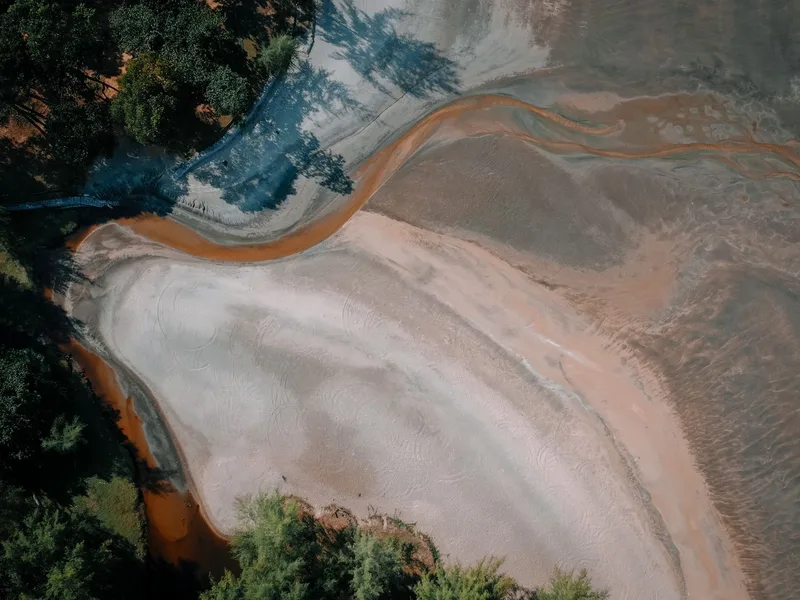
The layer on the floor
The floor layer holds silt from wadis and construction dust, and may be grey or pale if floods have entered the tank bringing wadi sediment.
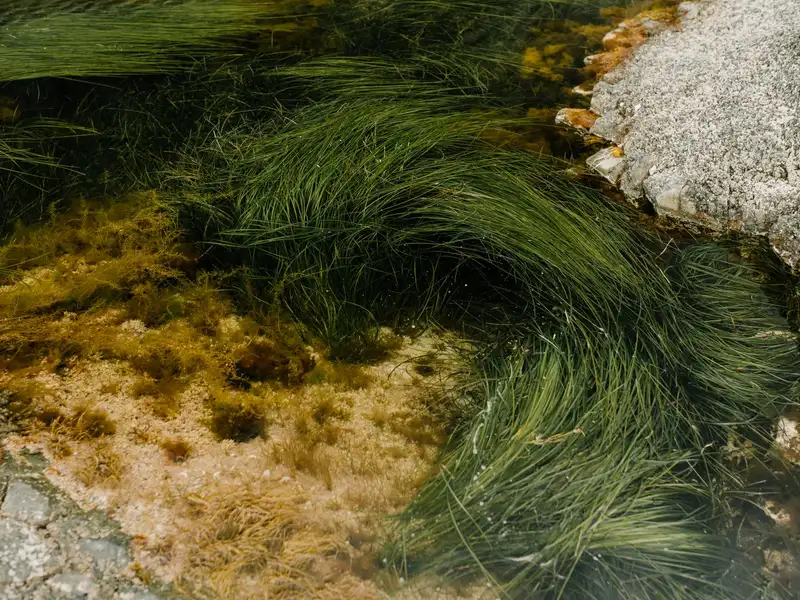
Light and algae
Algae growth is rare because dust and silt block light, but bacteria may thrive in the moisture left by flood water.
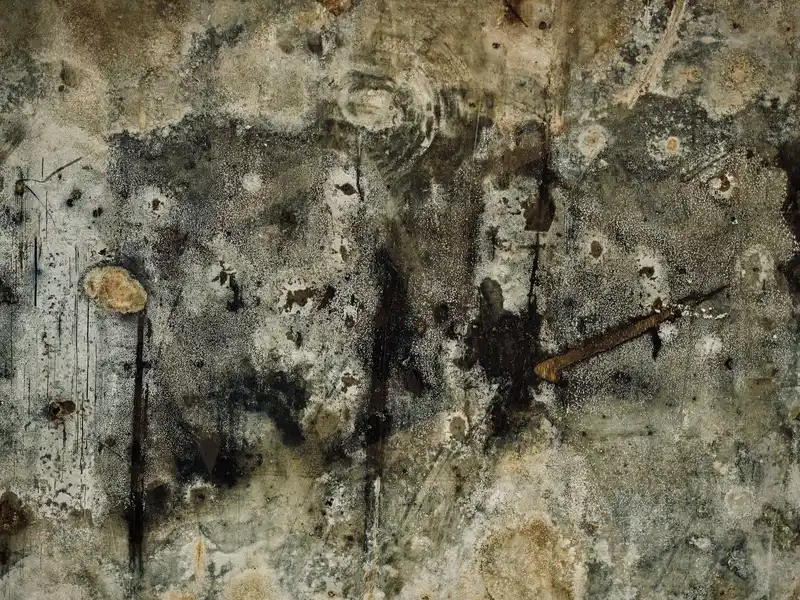
The deposit on the wall
The walls carry stained rings of coloured silt corresponding to the water levels that wadi floods have reached inside the tank.
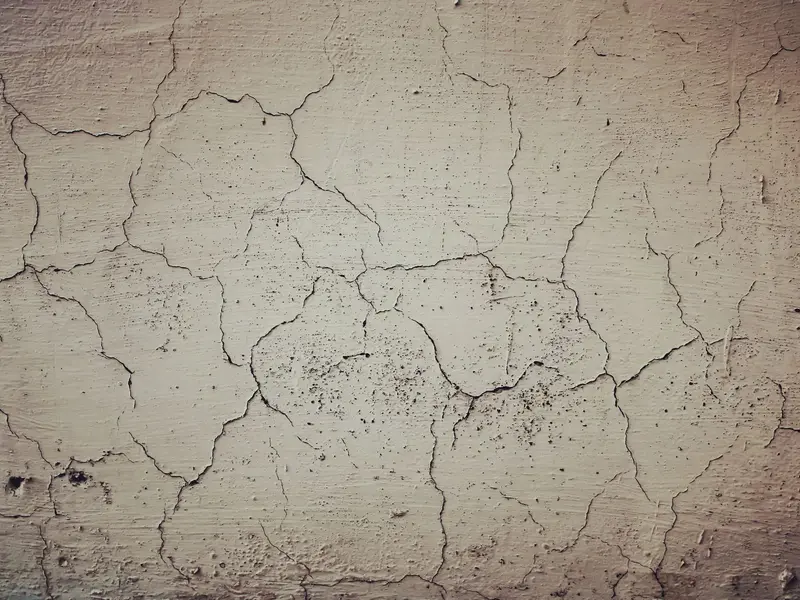
The lining and hairline cracks
Hairline cracks can appear from repeated pressure of floods and the weight of sediment-heavy water pressing on tank walls.
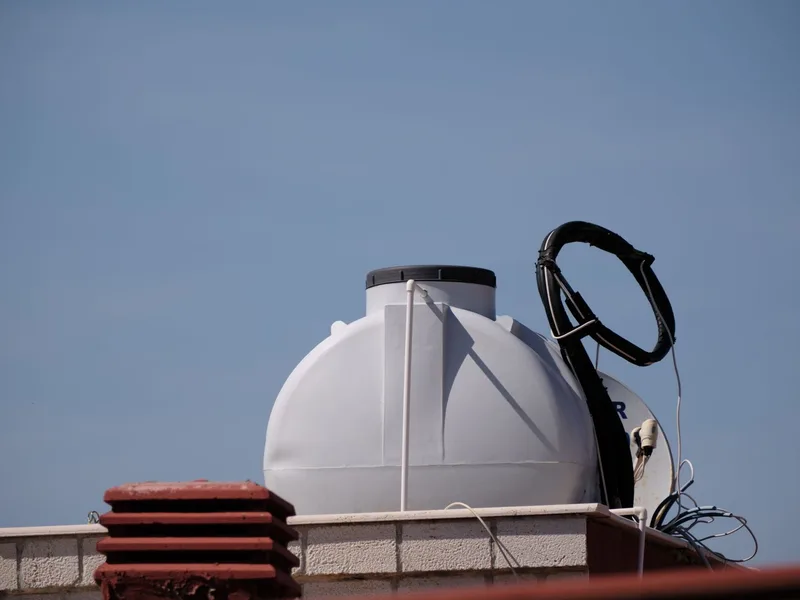
The lid and the access hatch
The lid and hatch in building areas may be open or lacking seals, allowing dust and water to enter freely during construction and rain.
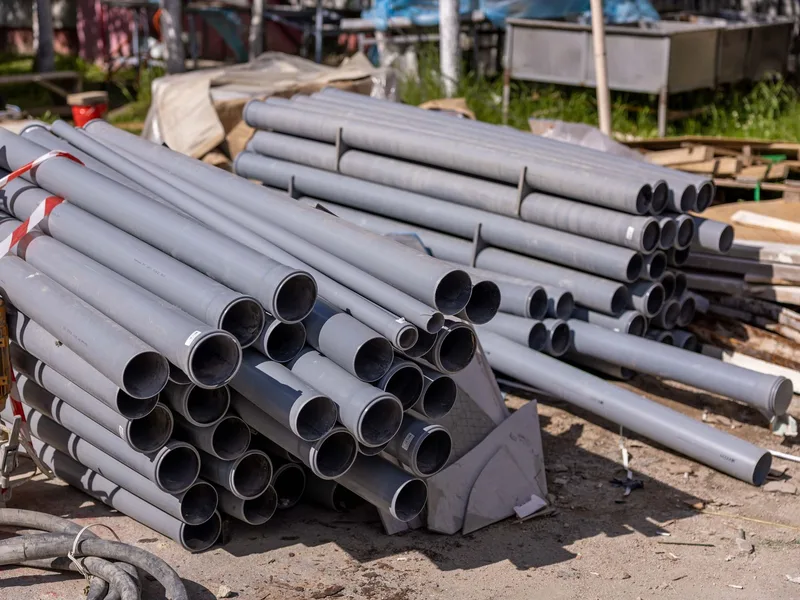
The vent and the overflow pipe
The vent and overflow pipe often sit in direct paths of wadi runoff, so they need strong filtration or redirection to keep out sediment and flood water.
How we work
-
1
Inspect before the drain
Tank type and material, the condition of the lining, the depth of the sediment, the lid and the vent, and where the drained water will go. We agree the window without supply before anything is opened.
-
2
Drain, then lift the sludge
The water leaves through the outlet, then the layer beneath it is taken out by hand and by suction. That layer is the reason for the visit, not the water that ran out ahead of it.
-
3
High pressure wash
Walls, floor and the joint where they meet, with a brush wherever the film resists, then the wash water is taken out completely so nothing we lifted settles again.
-
4
Disinfect and put back in service
Disinfectant over every internal surface, left for its contact time and then rinsed out, followed by the refill, a first draw off at the taps, and a report on what was inside the tank.
What water tank cleaning includes
-

An inspection before the valve
Tank type, lining condition, depth of sediment, lid and vent, recorded before any water leaves.
-

Full drain and sediment removal
The water through the outlet, and the layer below it by hand and by suction until the floor itself is showing.
-

Pressure washing walls and floor
High pressure across the surfaces and corners, and a brush on anything water alone will not lift.
-

Disinfection after the wash
A disinfectant intended for drinking water tanks, named to you before it is used, left for its contact time and then rinsed out.
-

Refill and the first draw off
We refill, run the taps so the new water moves through the pipework, and tell you when it is ready to use.
-

A report and the next date
What was inside the tank, anything on the lid or the lining that needs repair, and a sensible date for the next clean.
What is different about Al Sharai Sub-Municipality
Al Sharai is the eastern growth front of Makkah along King Faisal Road and the Taif road. Settled quarters sit beside recently renamed schemes where plots are still vacant and buildings are going up, so construction sites, fill and open excavations lie next to occupied homes. Wadi channels such as Wadi Mudarraja, Wadi Al Sharai and Wadi Al Mughammas carry flash floods after rain and dry out to damp silt, while dust blows off the open hills. Roadside shops, restaurants and warehouses line the Taif road, and to the east the area shades into villages, palm farms and springs.
Questions about this district
Flood water from the nearby wadis entered the tank. How often must we clean now?
If flood water entered directly, clean immediately to remove heavy silt. Clean again one week later because wadis may deposit additional silt over time. During the rainy season, monthly cleaning may be needed if the wadis are active. After the season ends, return to normal maintenance intervals.
The new tank is exposed to building work around the house. How often must we clean?
Whilst building continues around the tank, clean at least every three weeks. Dust and silt enter quickly from uncapped pipes. Once building stops nearby, wait two weeks then clean once more. After that return to the normal annual cycle.
Do temporary pipes cause strange taste in the water?
Yes, often. Temporary pipes may be poor quality or corroded, and they react with water to taint taste or colour. This usually stops after the first cleaning. If the taste persists after cleaning, you may need to wait for the temporary pipes to be replaced with permanent ones.
How can we protect the new tank from rain and flood silt?
Effective covering is essential. Before the rainy season, ensure vent holes have insect screens and all pipes are complete and sealed. If you sit on a direct wadi path, a perimeter drainage trench may help. Monthly inspection during the rainy season beats emergency cleaning after a flood.
Does part of the tank inside the Haram boundary need different treatment?
The boundary itself does not affect cleaning. But your location determines frequency. If you are in an active building zone or close to a wadi, you need more frequent cleaning. If you are in a finished area far from building and wadis, your cleaning is less frequent.
When should the first tank cleaning happen in a new house?
Before any resident moves in. Even if it looks clean, it contains building dust, debris and water from uncapped pipes. First cleaning before occupancy is essential. Clean again one month later, then begin the normal schedule unless building continues around you.
How much does water tank cleaning in Usaylah cost?
It is set after the inspection, because the price follows the type of infestation, the size of the space, how far it has spread and the number of visits it needs. Send a photo and a description on WhatsApp and we will give you an estimate before we reach Usaylah.
Other services in Usaylah
Other services we provide to residents of Usaylah.
-
 Residential
Cockroach control
Residential
Cockroach control
-
 Residential
Bed bug control
Residential
Bed bug control
-
 Residential
Termite control
Residential
Termite control
-
 Residential
Rodents and mice
Residential
Rodents and mice
-
 Residential
Mosquito control
Residential
Mosquito control
-
 Residential
Fly control
Residential
Fly control
-
 Residential
Ant control
Residential
Ant control
-
 Residential
Gecko control
Residential
Gecko control
-
 Residential
Scorpion control
Residential
Scorpion control
-
 Residential
Snake control
Residential
Snake control
-
 Residential
Flea control
Residential
Flea control
-
 Residential
Bird and pigeon control
Residential
Bird and pigeon control
-
 Residential
Preventive treatment
Residential
Preventive treatment
-
 Residential
Disinfection
Residential
Disinfection
-
 Commercial
Annual contracts
Commercial
Annual contracts
-
 Commercial
Restaurants and cafes
Commercial
Restaurants and cafes
-
 Commercial
Hotels and apartments
Commercial
Hotels and apartments
-
 Commercial
Warehouses and factories
Commercial
Warehouses and factories
-
 Commercial
Schools and nurseries
Commercial
Schools and nurseries
-
 Commercial
Retail and malls
Commercial
Retail and malls
-
 Commercial
Rest houses and farms
Commercial
Rest houses and farms
-
 Commercial
Fumigation
Commercial
Fumigation
-
 Water tanks
Water tank sterilization
Water tanks
Water tank sterilization
-
 Water tanks
Water tank sealing
Water tanks
Water tank sealing
-
 Water tanks
Tank leak repair
Water tanks
Tank leak repair
Need water tank cleaning in Usaylah? Tell us what you saw and we will tell you what it needs
We reach Usaylah at a time we agree, and you get the full cost before we start.