
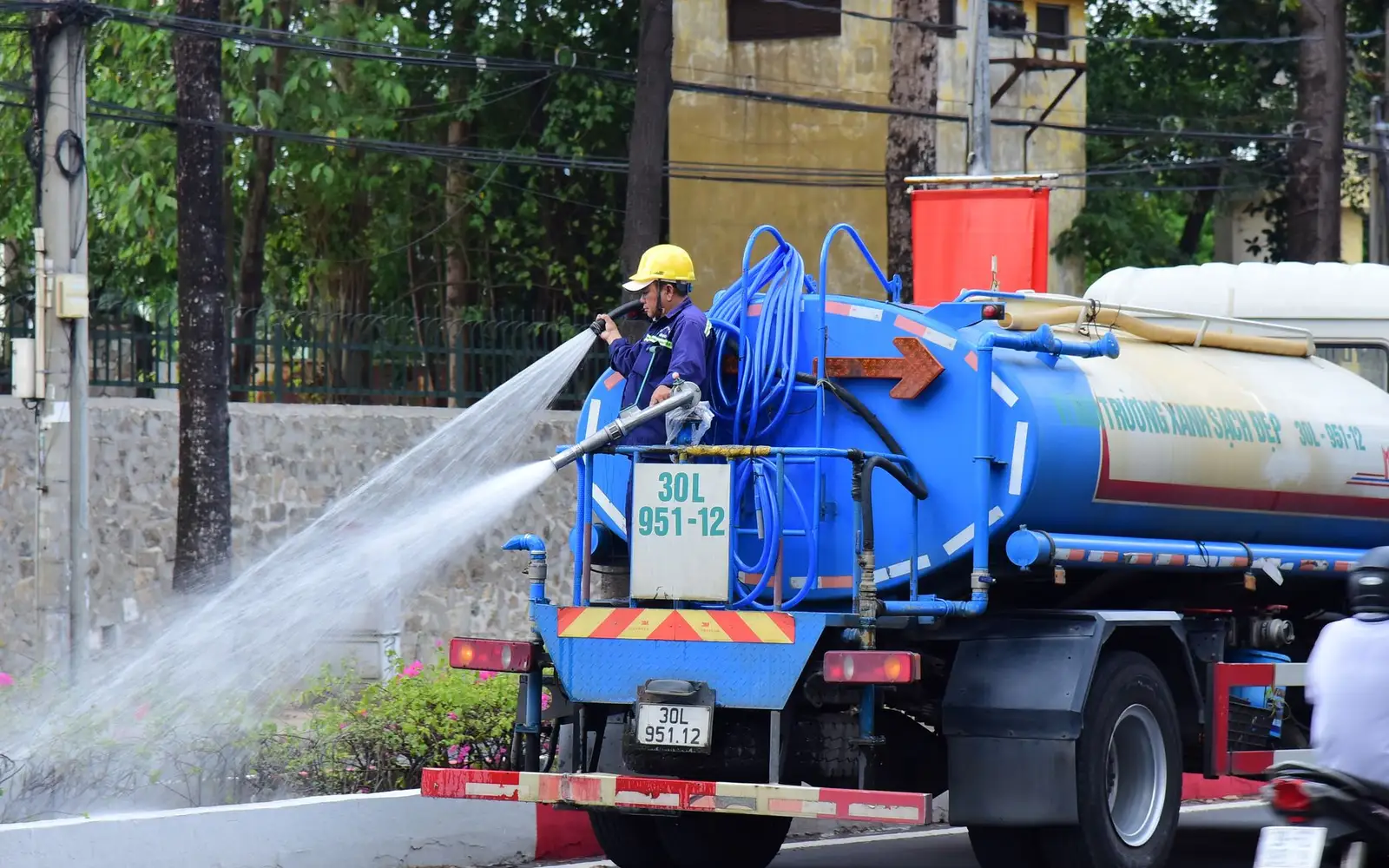
Water tank cleaning in Yamamah Makkah
Yamamah is a mixed district north of Al Sharai with shops at street level and homes above them, while construction remains incomplete and empty plots still outnumber built structures. Your tanks carry the marks of heavy commercial use below and moisture from damp ground and the nearby hills at the same time.
-
Potable-rated materials
Linings and disinfectants cleared for drinking water tanks, not general-purpose products.
-
You get the downtime first
How many hours the tank is out of service, told before we start rather than after we finish.
-
A first-draw flush
We run the first draw off after refilling, and the tank is not handed back until the water runs clear.
-
Ground and roof tanks
Villas, apartment blocks and premises that need a written record of each visit.
Why the job is different in Yamamah
Water in Yamamah tastes metallic and carries humidity traces from vacant land and nearby hills, a pattern distinct from purely residential neighbourhoods elsewhere. The method is set out in full on what Water tank cleaning involves.
Shared tanks between shops and flats
Tanks shared between shops and homes below carry traces of cooking fats and light oils from restaurant use. Cleaning requires stronger disinfection and repeated rinsing to clear salts and faint oils that build up from commercial activity.
Vacant land, humidity and mould growth
Wide empty plots around Yamamah raise ground humidity continuously. Your tanks see rapid algae and mould growth compared to settled districts, needing frequent cleaning especially in summer months.
The Al Shifa hills and fine silt after rain
The nearby Al Shifa hills send fine silt when rain falls. Your water may run pale brown for hours, and post rain cleaning is essential to clear both silt and the moisture that follows from the hillsides.
Landmarks of Yamamah
Yamamah sits north of Al Sharai between Al Shifa Hills to the west and Al Qubbah Mosque to the east. Tanks here are distributed among shops and flats along King Faisal Road and towards Al Jaranah Road, and proximity to the hills and vacant plots sets the moisture and silt load you face.
- Al Jaranah Road
- Al Qubbah Mosque
- Al Shifa Hills
- King Faisal Road
The condition of the tank decides the method
A mixed use district on King Faisal Road extending towards Al Jaranah Road, with commercial and residential plots interspersed, wide vacant land and incomplete building between the Al Shifa hills.
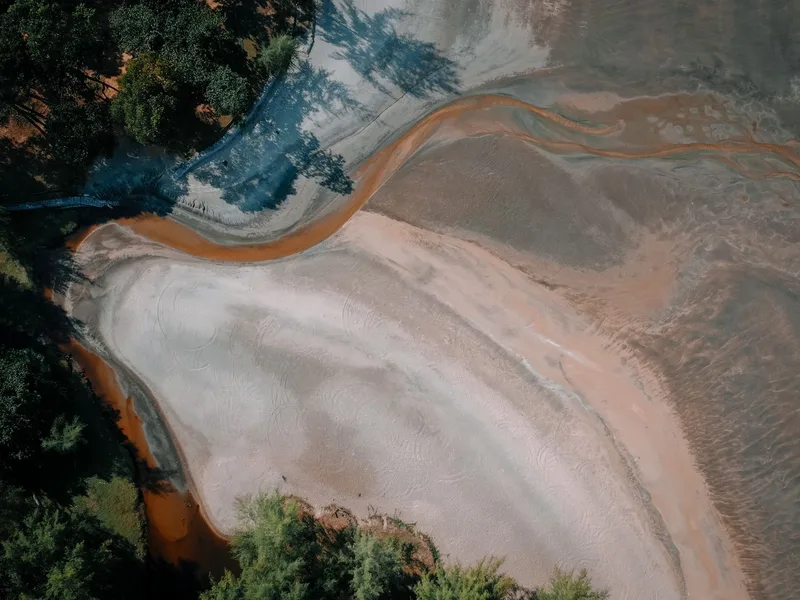
The layer on the floor
The damp and silt layer on the floor here is thick because of vacant land and hillsides, requiring full drainage rather than surface cleaning to lift it completely.
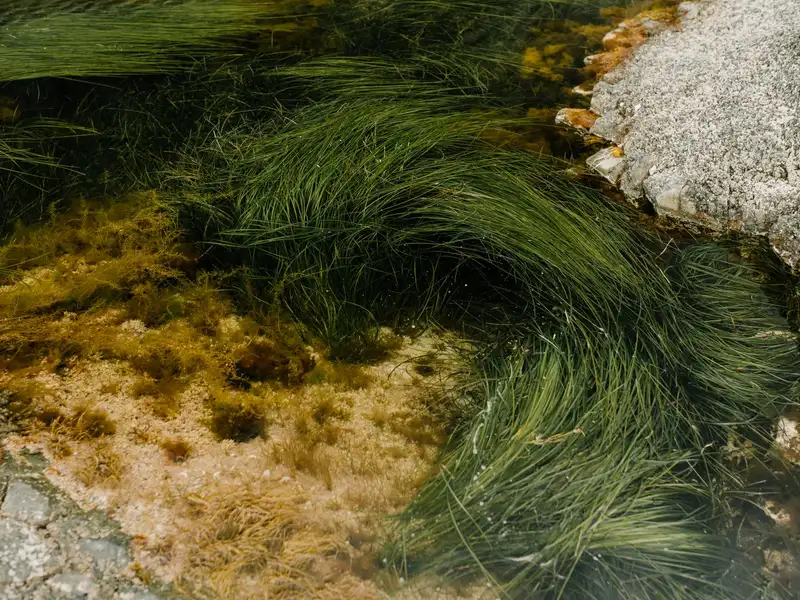
Light and algae
Algae and mould grow fast in Yamamah because humidity stays high constantly, particularly in summer. Cleaning intervals under three months work better than the standard schedule elsewhere.
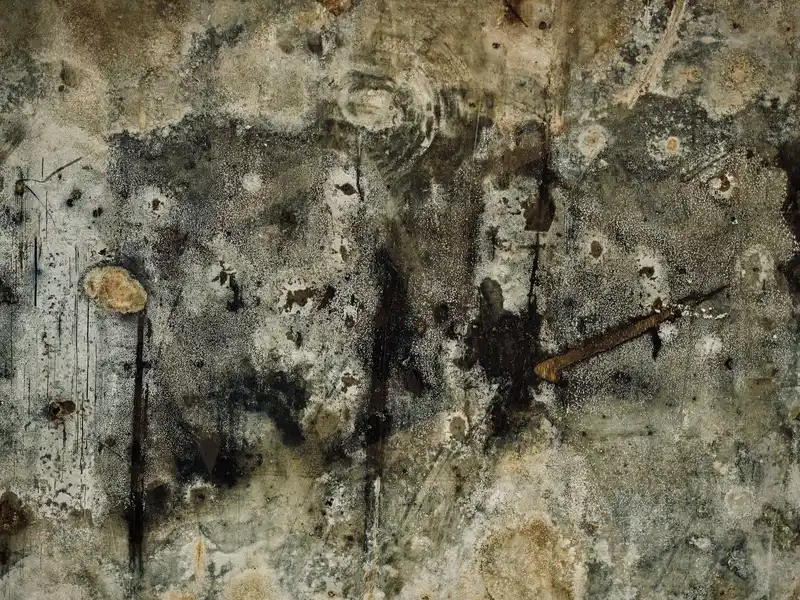
The deposit on the wall
The wall deposit is fine silt mixed with mould from persistent moisture, and pressure washing clears it but mould returns quickly because humidity stays high.
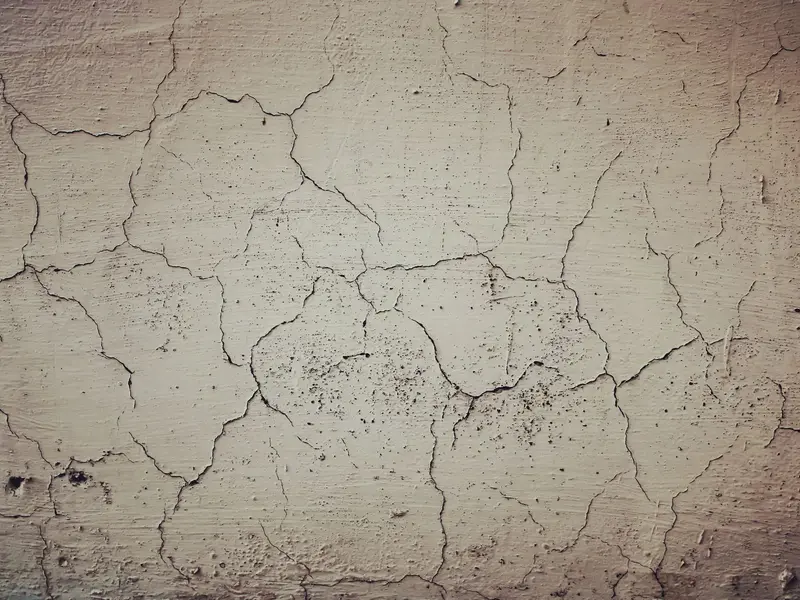
The lining and hairline cracks
Hairline cracks may appear from continuous moisture around the tank. Regular inspection for small cracks matters after each rainy season because dampness stresses the structure.
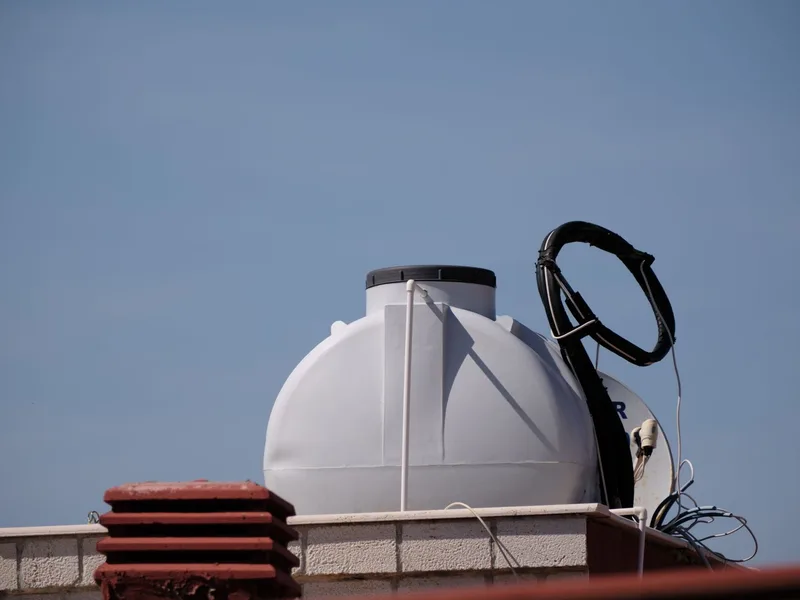
The lid and the access hatch
Covers and hatches need strong sealing against humidity. Old seals need replacing regularly to stop moisture and insect entry from surrounding vacant land.
The vent and the overflow pipe
Ventilation openings can worsen humidity ingress. Installing an air filter reduces moisture and insect entry from the damp vacant land and ground around the district.
How we work
-
1
Inspect before the drain
Tank type and material, the condition of the lining, the depth of the sediment, the lid and the vent, and where the drained water will go. We agree the window without supply before anything is opened.
-
2
Drain, then lift the sludge
The water leaves through the outlet, then the layer beneath it is taken out by hand and by suction. That layer is the reason for the visit, not the water that ran out ahead of it.
-
3
High pressure wash
Walls, floor and the joint where they meet, with a brush wherever the film resists, then the wash water is taken out completely so nothing we lifted settles again.
-
4
Disinfect and put back in service
Disinfectant over every internal surface, left for its contact time and then rinsed out, followed by the refill, a first draw off at the taps, and a report on what was inside the tank.
What water tank cleaning includes
-

An inspection before the valve
Tank type, lining condition, depth of sediment, lid and vent, recorded before any water leaves.
-

Full drain and sediment removal
The water through the outlet, and the layer below it by hand and by suction until the floor itself is showing.
-

Pressure washing walls and floor
High pressure across the surfaces and corners, and a brush on anything water alone will not lift.
-

Disinfection after the wash
A disinfectant intended for drinking water tanks, named to you before it is used, left for its contact time and then rinsed out.
-

Refill and the first draw off
We refill, run the taps so the new water moves through the pipework, and tell you when it is ready to use.
-

A report and the next date
What was inside the tank, anything on the lid or the lining that needs repair, and a sensible date for the next clean.
What is different about Al Sharai Sub-Municipality
Al Sharai is the eastern growth front of Makkah along King Faisal Road and the Taif road. Settled quarters sit beside recently renamed schemes where plots are still vacant and buildings are going up, so construction sites, fill and open excavations lie next to occupied homes. Wadi channels such as Wadi Mudarraja, Wadi Al Sharai and Wadi Al Mughammas carry flash floods after rain and dry out to damp silt, while dust blows off the open hills. Roadside shops, restaurants and warehouses line the Taif road, and to the east the area shades into villages, palm farms and springs.
Questions about this district
The flat water smells faintly of cooking oil from the shop below it?
Shared tanks between commercial premises and homes carry cooking fats and food residue. Deep cleaning and disinfection help, but smell may return with heavy shop use. Separate filtration on the shop line helps.
Green algae grows fast in the tank despite regular cleaning schedules?
High humidity in Yamamah from vacant land and hills encourages rapid algae growth. Two monthly cleaning in summer beats three monthly intervals because algae returns faster than in dry districts.
After rain the water turns pale brown and smells strongly of earth and soil?
The nearby Al Shifa hills send fine silt with rainwater and groundwater. Post rain cleaning is essential, and dampness lingers in the soil for days, prolonging the effect.
Is a shared tank between a shop and a residential flat safe from a health perspective?
Shared tanks need stronger disinfection and more frequent cleaning. Fats and bacteria from the shop multiply faster than in purely residential tanks, raising infection risk.
Humidity around the tank is very high and walls glisten with dew constantly?
Vacant land and hills raise humidity continuously. Good ventilation around the tank matters, and cleaning must include drying the surrounding area after work finishes.
Should we separate our tank from the shop to avoid oils and bacteria mixing?
Separation is healthier but rarely built into existing schemes for cost reasons. Frequent cleaning and stronger disinfection is the practical working answer.
How much does water tank cleaning in Yamamah cost?
It is set after the inspection, because the price follows the type of infestation, the size of the space, how far it has spread and the number of visits it needs. Send a photo and a description on WhatsApp and we will give you an estimate before we reach Yamamah.
Other services in Yamamah
Other services we provide to residents of Yamamah.
-
 Residential
Cockroach control
Residential
Cockroach control
-
 Residential
Bed bug control
Residential
Bed bug control
-
 Residential
Termite control
Residential
Termite control
-
 Residential
Rodents and mice
Residential
Rodents and mice
-
 Residential
Mosquito control
Residential
Mosquito control
-
 Residential
Fly control
Residential
Fly control
-
 Residential
Ant control
Residential
Ant control
-
 Residential
Gecko control
Residential
Gecko control
-
 Residential
Scorpion control
Residential
Scorpion control
-
 Residential
Snake control
Residential
Snake control
-
 Residential
Flea control
Residential
Flea control
-
 Residential
Bird and pigeon control
Residential
Bird and pigeon control
-
 Residential
Preventive treatment
Residential
Preventive treatment
-
 Residential
Disinfection
Residential
Disinfection
-
 Commercial
Annual contracts
Commercial
Annual contracts
-
 Commercial
Restaurants and cafes
Commercial
Restaurants and cafes
-
 Commercial
Hotels and apartments
Commercial
Hotels and apartments
-
 Commercial
Warehouses and factories
Commercial
Warehouses and factories
-
 Commercial
Schools and nurseries
Commercial
Schools and nurseries
-
 Commercial
Retail and malls
Commercial
Retail and malls
-
 Commercial
Rest houses and farms
Commercial
Rest houses and farms
-
 Commercial
Fumigation
Commercial
Fumigation
-
 Water tanks
Water tank sterilization
Water tanks
Water tank sterilization
-
 Water tanks
Water tank sealing
Water tanks
Water tank sealing
-
 Water tanks
Tank leak repair
Water tanks
Tank leak repair
Need water tank cleaning in Yamamah? Tell us what you saw and we will tell you what it needs
We reach Yamamah at a time we agree, and you get the full cost before we start.