
Water tank sterilization in Yamamah Makkah
Yamamah is a mixed quarter of villas and apartment blocks with many vacant plots, building still patchy and incomplete. Tanks here range from old to new, and sediment and grime accumulate at the bottom because maintenance is irregular across this mixed neighbourhood.
-
Potable-rated materials
Linings and disinfectants cleared for drinking water tanks, not general-purpose products.
-
You get the downtime first
How many hours the tank is out of service, told before we start rather than after we finish.
-
A first-draw flush
We run the first draw off after refilling, and the tank is not handed back until the water runs clear.
-
Ground and roof tanks
Villas, apartment blocks and premises that need a written record of each visit.
Why the job is different in Yamamah
Residents in Yamamah are a mix of villa owners and apartment dwellers, and older tanks hold thick deposits of clay and heavy sediment. The method is set out in full on Water tank sterilization in detail.
Old tanks in abandoned villas
Some villas in Yamamah are old and their tanks have not been cleaned in years. Thick sediment and black sludge coat the floor and walls.
Shared tanks in apartment buildings
Residential blocks have large communal tanks serving dozens of units. Tank pressure is high, humidity is heavy and algae grows on internal walls.
Irregular maintenance due to mixed occupancy
In this mixed quarter, newcomers and long-time residents differ in their maintenance habits. Some tanks have not been cleaned in years and water quality is questionable.
The character of Yamamah
Mixed district: shops at street level with homes above them
Mixed character means tanks vary widely in size, age and use patterns. Old villas may need heavy floor sediment lifted completely, while apartment blocks need strong water pressure to scrub communal tank walls clean.
What we read inside the tank before anything starts
A mixed residential district north of Al Sharai outside the Haram boundary, stretching from King Faisal Road towards Al Jaranah Road. It contains villas, apartment buildings and vacant land, bounded by Al Shifa hills to the west and Al Qubbah Mosque to the east.
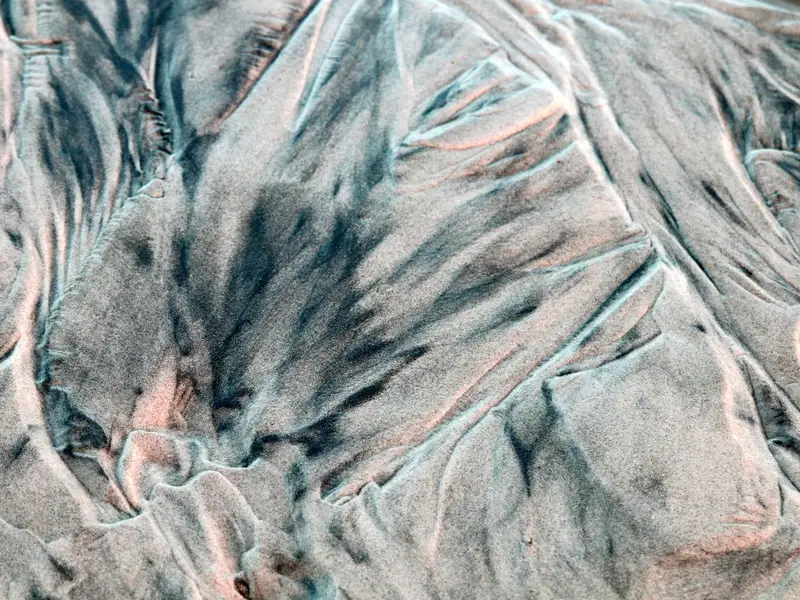
Sediment on the floor
Heavy clay and rust deposits build up on the floors of old villa tanks and large communal apartment tanks.
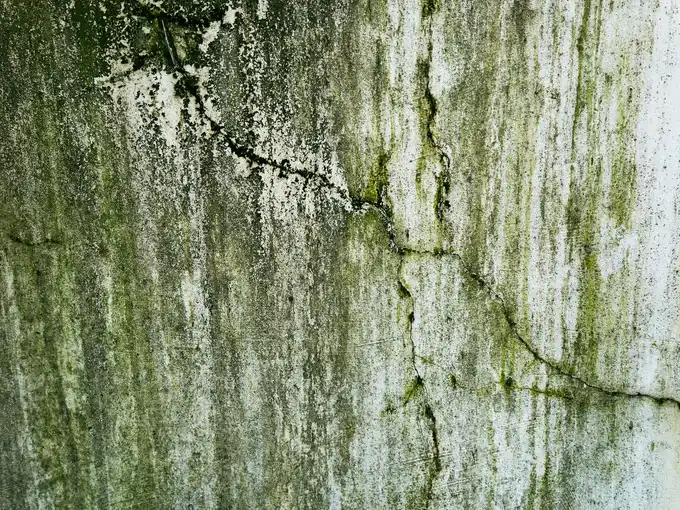
The slime film on the wall
Tank walls are coated with algae, bacteria and silt, especially in dark and humid areas.
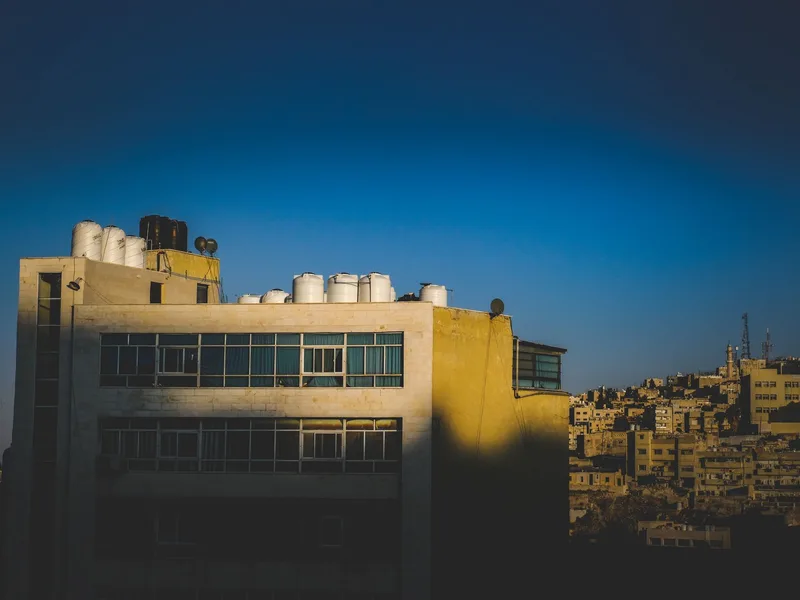
Light and heat
Supply lines from the tank carry debris and standing matter; flushing from the furthest tap reveals all contamination.
The lining and any cracking
Internal humidity in communal tanks is very high due to heavy use and warm water supply.
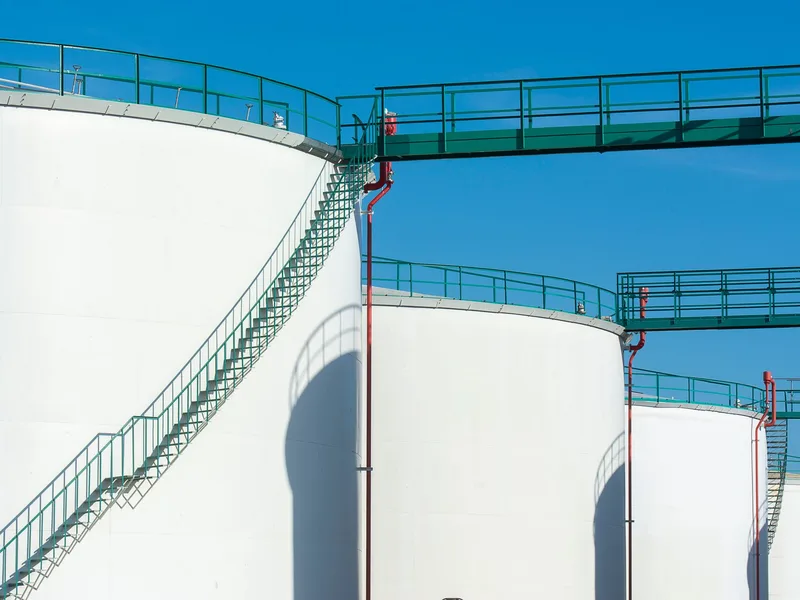
The lid and the openings
Tank floors contain accumulated mineral and organic sediment from years past.

What shows up at the tap
An oily film on the water surface signals bacterial and fungal growth requiring full sterilization.
How we work
-
1
Inspect and record the condition
We open the hatch and work through what the tank is made of and how big it is, how deep the sediment lies, the state of the lining, whether the lid and the overflow seal, and whether there is a crack that has to be repaired before any sterilizing.
-
2
Drain and lift the sediment out
The water goes out, then the silt and sand are lifted off the floor by suction rather than pushed toward the outlet, because pushing them sends them into the house pipework and the heater.
-
3
High pressure wash
Walls, floor, corners and the area around the outlet, until the slime film is completely gone. This is the step that makes the sterilizing after it mean anything.
-
4
Sterilize, rinse, then return to service
The sterilizing agent goes onto the walls, the floor and the underside of the lid and is left for its contact time, then we rinse, refill and run the furthest tap until the whole line is clear.
What water tank sterilization includes
-

A recorded inspection
Material, capacity, sediment depth, the state of the lining, the lid and the overflow, all before any work begins.
-

Draining and sediment removal
The water out, and the silt and sand lifted off the floor instead of being pushed into the outlet and the house pipework.
-

High pressure washing
Walls, corners and around the outlet, until the biofilm that no disinfectant penetrates has gone.
-
Sterilizing the internal surfaces
A sterilizing agent meant for drinking water tanks, applied to the walls, the floor and the underside of the lid, and left for its contact time.
-

Line flush and aftercare
Rinse, refill and a flush from the furthest tap, when the water is usable again, and what to change in the filter afterwards.
-

The next cycle
We agree the right interval for your tank from how it is filled, how much sun it takes and the condition of the lid.
What is different about Al Sharai Sub-Municipality
Al Sharai is the eastern growth front of Makkah along King Faisal Road and the Taif road. Settled quarters sit beside recently renamed schemes where plots are still vacant and buildings are going up, so construction sites, fill and open excavations lie next to occupied homes. Wadi channels such as Wadi Mudarraja, Wadi Al Sharai and Wadi Al Mughammas carry flash floods after rain and dry out to damp silt, while dust blows off the open hills. Roadside shops, restaurants and warehouses line the Taif road, and to the east the area shades into villages, palm farms and springs.
Questions about this district
Are black sediments on the tank floor dangerous?
Yes, they are deposits of rust, silt and bacteria. Simple disinfection is not enough; the full sediment layer must be lifted from the floor.
How often should tanks in a mixed quarter like Yamamah be sterilized?
Communal tanks in apartment blocks need sterilization every six months, and villa tanks annually if maintenance is regular.
Is the water safe to use immediately after sterilization?
After full sterilization and high-pressure washing, we flush the tank twice and empty all old water before refilling.
Why do algae grow faster on Yamamah tanks?
The area has high humidity and communal tanks are sun-exposed all day. Algae thrive in warm water and light.
Does tank cleaning affect water pressure in apartment blocks?
Cleaning improves pressure because sediment blocks pipes. After sterilization, flow is better than before.
How do we ensure all piping in the building is sterilized?
We start at the furthest tap in the block and flush the lines with sterilizing solution. The treated water reaches every outlet.
How much does water tank sterilization in Yamamah cost?
It is set after the inspection, because the price follows the type of infestation, the size of the space, how far it has spread and the number of visits it needs. Send a photo and a description on WhatsApp and we will give you an estimate before we reach Yamamah.
Other services in Yamamah
Other services we provide to residents of Yamamah.
-
 Water tanks
Water tank cleaning
-
 Water tanks
Water tank sealing
-
 Water tanks
Tank leak repair
-
 Residential
Cockroach control
Need water tank sterilization in Yamamah? Tell us what you saw and we will tell you what it needs
We reach Yamamah at a time we agree, and you get the full cost before we start.