
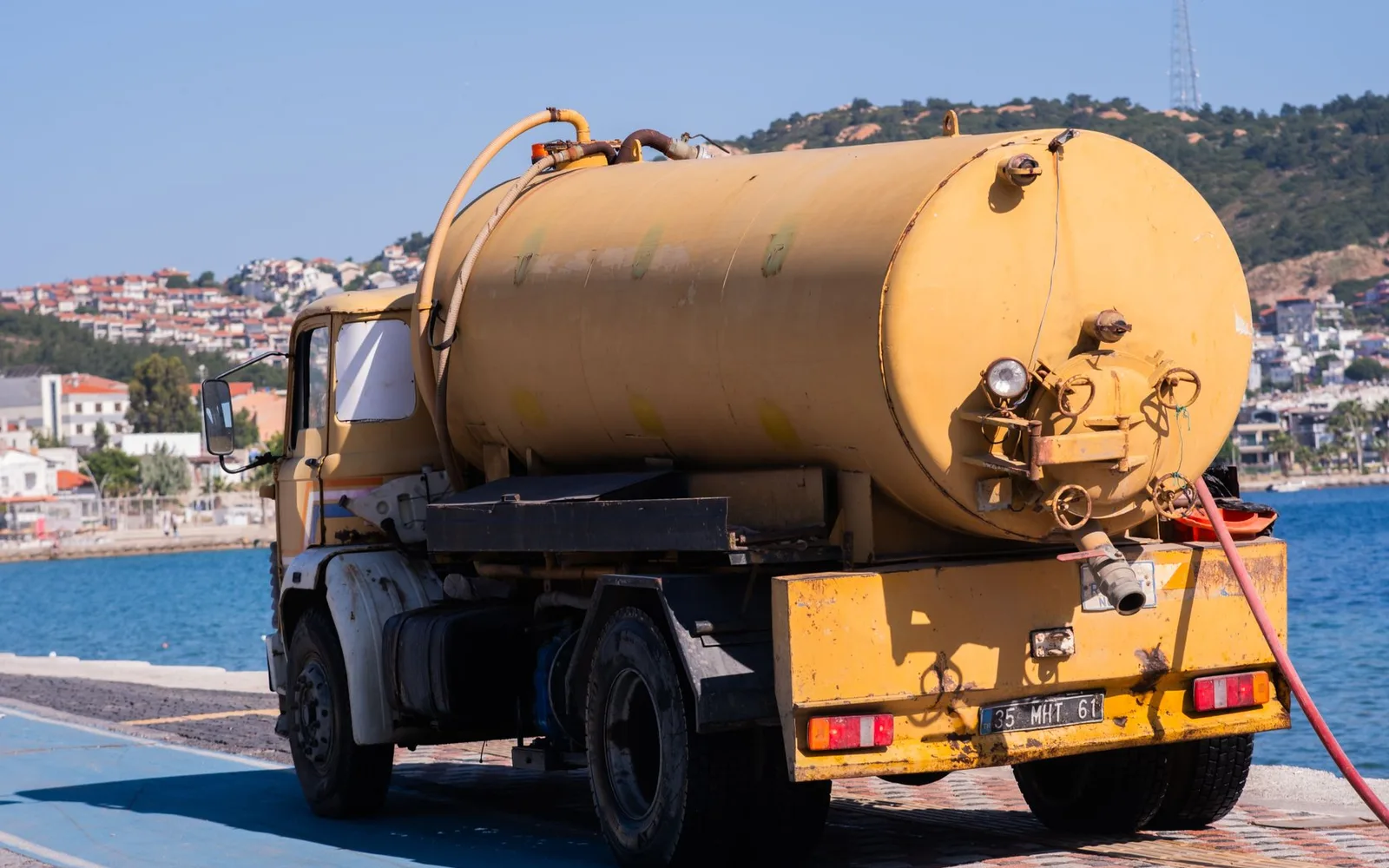
Water tank sealing in Al Aziziyah Makkah
Al Aziziyah sits on the pilgrims' route to Mina, six kilometres from the Holy Mosque, and is a dense zone of hotels, pilgrim lodges and markets. Tanks here face intense continuous use, especially in Ramadan and Hajj. Leaks and contamination occur quickly because tanks are filled and drained many times daily, and seasonal pilgrim flows put severe stress on every pipe and seal.
-
Potable-rated materials
Linings and disinfectants cleared for drinking water tanks, not general-purpose products.
-
You get the downtime first
How many hours the tank is out of service, told before we start rather than after we finish.
-
A first-draw flush
We run the first draw off after refilling, and the tank is not handed back until the water runs clear.
-
Ground and roof tanks
Villas, apartment blocks and premises that need a written record of each visit.
Why the job is different in Al Aziziyah
Hotels and pilgrim lodges in Al Aziziyah run continuous operations, and tanks are filled and drained many times daily. Intense heat and heavy use stress materials faster than ordinary residential quarters. The method is set out in full on Water tank sealing in detail.
Hotels and lodges under intense continuous use
Al Aziziyah hotels serve thousands of pilgrims and tourists, and tanks fill and empty dozens of times a day. Pipes and valves face constant back-pressure, and joints break rapidly.
Seasonal surges: Ramadan and Hajj double or triple demand
On ordinary days tanks serve residents and staff only. During Ramadan and Hajj, water demand doubles or triples, placing severe stress on all tanks and seals.
Markets and shops add moisture and damage risk
Commercial shops on lower floors create high humidity. Tank leaks from above can drip into shops, and external moisture affects buried tanks.
Landmarks of Al Aziziyah
Access to Al Aziziyah runs via King Abdulaziz Road and Al Masjid Al Haram Road which bound the zone, with Mahbas Al Jinn bus station and the old Umm Al Qura University campus providing clear geographic anchors.
- King Abdulaziz Road
- Al Masjid Al Haram Road
- Prince Sultan Road
- Umm Al Qura University Aziziyah campus
- Mahbas Al Jinn Bus Station
- University Medical Centre
What we read before any material is opened
A busy commercial district on the pilgrims' route, six kilometres from the Holy Mosque, with hotel towers, pilgrim lodgings and markets lining King Abdulaziz Road and Al Masjid Al Haram Road. The old Umm Al Qura University campus and the Mahbas Al Jinn bus station lie within it, and congestion peaks in Ramadan and Hajj.
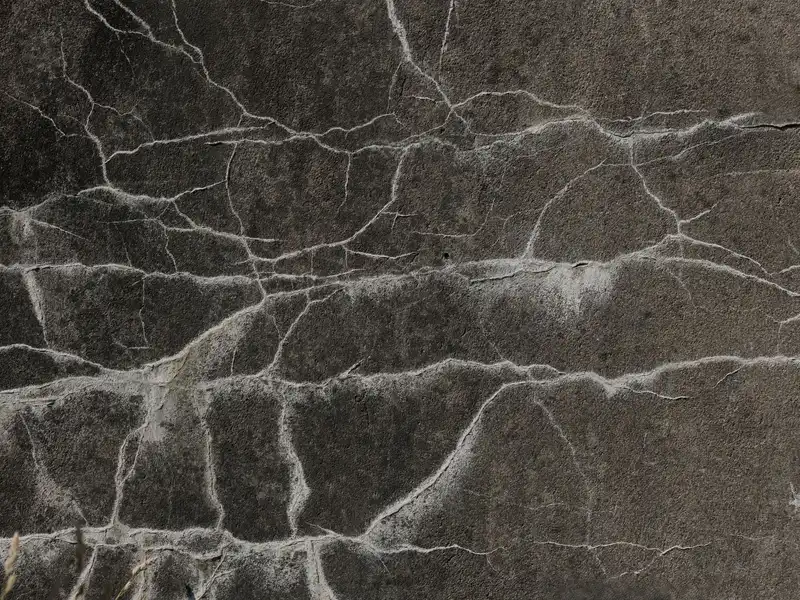
Cracking in the wall
The floor expands and contracts under repeated water pressure and filling, cracks start at corners where stress concentrates.
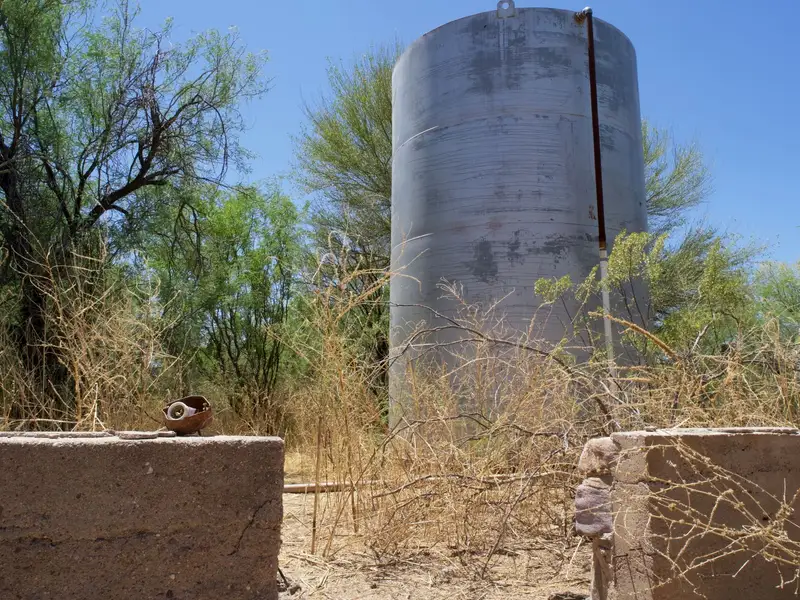
The floor to wall joint
Walls face constant back-pressure from intensive use, horizontal cracks appear at normal water line height.
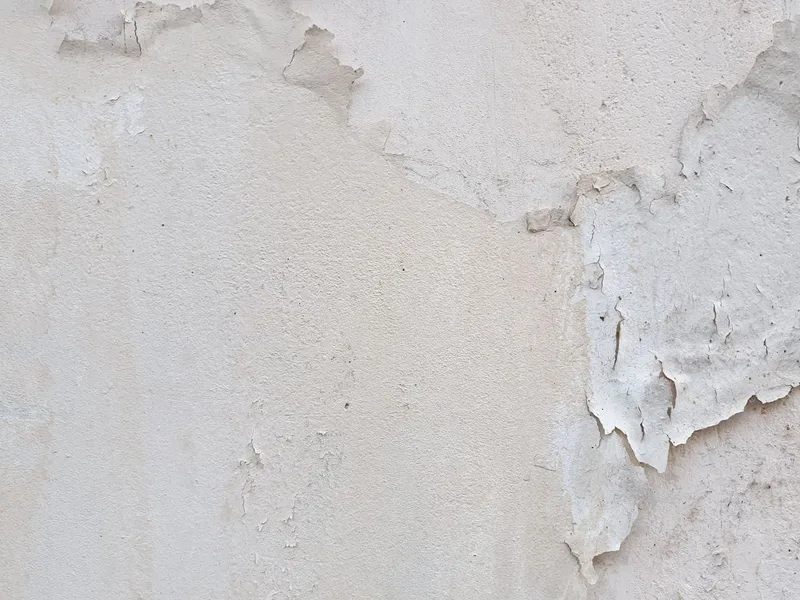
The condition of the old lining
The floor-to-wall joint faces very high stress, leaks occur quickly here and need frequent repair.
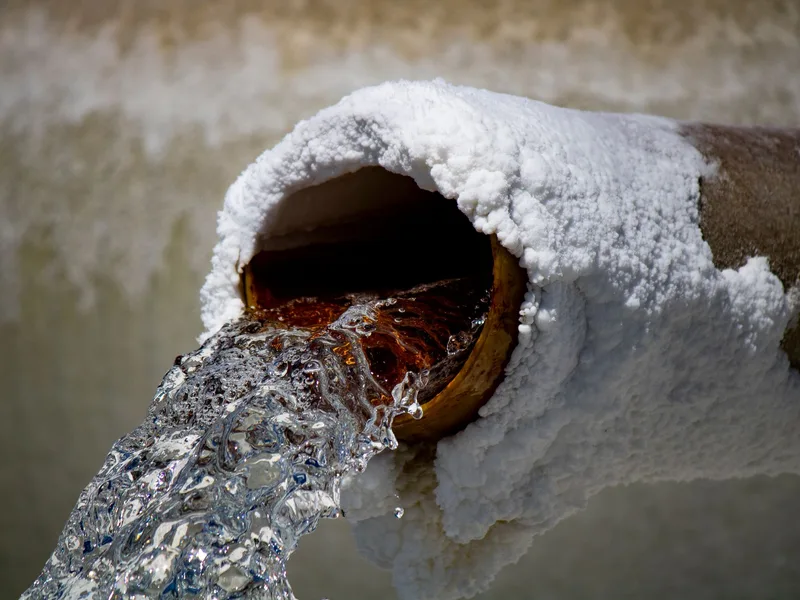
Sediment and scale
Pipe entries and valves face high pressure, corrosion and breakage occur rapidly under intensive use.
The pipe entries
Interior floor surface must be very smooth to allow frequent cleaning and limit mineral build-up.
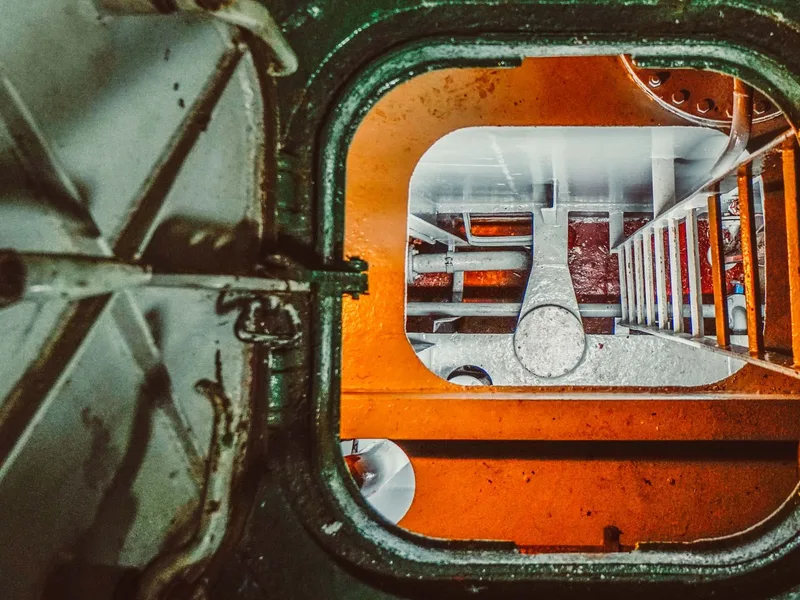
The hatch and the vent
Sterilisation after sealing is critical, water must be safe for pilgrims and tourists. Regular testing is essential here more than anywhere else.
How we work
-
1
Inspect with the tank empty
We drain it and read the surface dry: whether the water leaves through a crack, a joint or a pipe collar, and what the outer face of the wall and the ceiling below are telling us. A level test with the valves closed separates a leaking tank from leaking pipework.
-
2
Clean and prepare the substrate
Sediment out, a high pressure wash, the loose old lining and the weak surface layer of the concrete taken back, then dried. The material grips sound substrate and nothing else.
-
3
Make the cracks and joints good
Cracks are chased out and filled with a repair mortar, a cove is formed where the floor meets the wall, and every pipe collar is treated on its own.
-
4
Lining, fill test, sterilisation
Successive coats, each run across the one beneath it, on the face the water touches. Then a full cure, a fill with the level watched, and sterilisation with the first fill run to waste before the tank returns to use.
What water tank sealing includes
-

Finding where the water leaves
Carried out drained and dry: cracks, joints, pipe collars and the outer face of the wall.
-

Draining and sediment removal
The last of the water and the settled layer on the floor come out, because a lining does not stick over sediment.
-

Cracks and joints made good
The crack opened and filled, a cove formed at the floor to wall junction, and each pipe entry worked separately.
-

Lining coats on the water face
More than one coat, each crossing the one below, in material made for drinking water tanks rather than roof waterproofing.
-

Curing, fill test and sterilisation
The material is left to cure, the tank is filled and the level watched, then sterilised and the first fill run to waste. How long the cure takes follows the material and the weather, and we tell you before the date so you can plan around the supply.
-

A follow-up level check
We come back once it is in service to read the level and check the outer face, because any remaining loss shows up then rather than on the day of the work.
What is different about Al Aziziyah (Makkah) Sub-Municipality
Al Aziziyah sub municipality runs from the Bin Dawood markets to the Al Hada road and carries pilgrim traffic to Mina. Hotel towers and furnished apartment blocks fill and empty with the Hajj and Ramadan seasons, and the kitchens, restaurants and markets along Al Masjid Al Haram Road and King Abdulaziz Road leave food waste at every peak. Southwards the fabric loosens into villas and planned streets in An Naseem and Al Awali, then Al Abidiyah's campus and the old farms of Al Husayniyah, where Wadi Uranah holds water after rain and farm enclosures shelter rodents and reptiles.
Questions about this district
Why do hotel tanks in Al Aziziyah leak more than ordinary housing?
Heavy use and repeated filling place high stress on every joint. Valves and pipes break faster under continuous pressure than normal use.
Do tanks need special repair before Hajj?
Yes, deep cleaning, inspection and repairs are essential before Hajj. During Hajj, repairs are difficult because the hotel is fully occupied.
Do buried tanks under shops need different treatment?
Yes, moisture from shops and retail spaces can seep in from outside. External drainage and waterproofing of the tank exterior are essential.
How often must hotel tanks be cleaned and sterilised?
Every three to six months minimum, or more if use is very intense. A deep clean is essential immediately before Hajj.
Does repeated high-pressure use cause cracking?
Yes, repeated stress fatigues materials and causes small cracks that grow over time. A flexible seal reduces damage.
Do heat and humidity from the shops affect tank material life?
Yes, heat and moisture together speed material wear. Tanks in Al Aziziyah may need replacement sooner than other locations.
How much does water tank sealing in Al Aziziyah cost?
It is set after the inspection, because the price follows the type of infestation, the size of the space, how far it has spread and the number of visits it needs. Send a photo and a description on WhatsApp and we will give you an estimate before we reach Al Aziziyah.
Nearby districts we cover
Other services in Al Aziziyah
Other services we provide to residents of Al Aziziyah.
-
 Water tanks
Water tank cleaning
-
 Water tanks
Water tank sterilization
-
 Water tanks
Tank leak repair
-
 Residential
Cockroach control
Need water tank sealing in Al Aziziyah? Tell us what you saw and we will tell you what it needs
We reach Al Aziziyah at a time we agree, and you get the full cost before we start.