
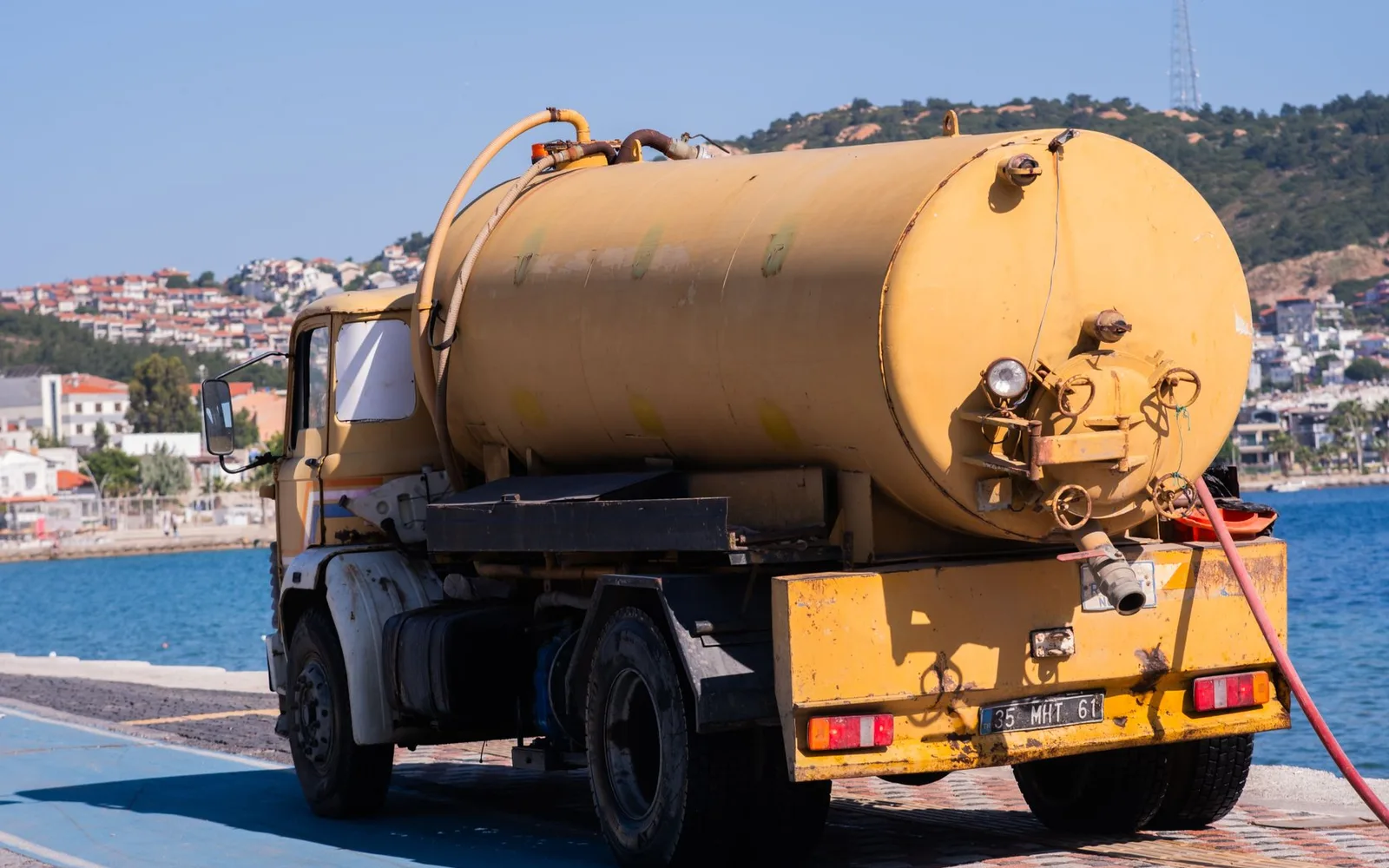
Water tank sealing in Qurtubah Makkah
Qurtubah is a dense industrial district on Al Hajj Street, home to warehouses, workshops, fuel stations and trading depots. Tanks here face intense industrial dirt and vapours from oils and cement, plus severe moisture. Cracks and leaks are common because tanks endure extreme heat swings and vibrations from heavy trucks.
-
Potable-rated materials
Linings and disinfectants cleared for drinking water tanks, not general-purpose products.
-
You get the downtime first
How many hours the tank is out of service, told before we start rather than after we finish.
-
A first-draw flush
We run the first draw off after refilling, and the tank is not handed back until the water runs clear.
-
Ground and roof tanks
Villas, apartment blocks and premises that need a written record of each visit.
Why the job is different in Qurtubah
Warehouse and workshop tanks are heavily worked and poorly maintained. External surfaces weather quickly under extreme temperature swings and the sandy soil accelerates external corrosion. The method is set out in full on how we approach Water tank sealing.
Large old warehouse tanks under constant load
Industrial warehouses contain very large brick and concrete tanks that are heavily used and neglected. Cracks start at the base and corner joints because the load is very heavy.
Extreme heat and vibration exposure
Tanks bake in direct sun all day and endure extreme seasonal temperature swings. Heavy truck vibrations and machinery shake the mortar apart and cracks grow fast.
Industrial fouling and high internal humidity
Oil, dust and debris from workshops coat the tank exterior and water evaporates rapidly in the heat. Internal humidity causes rust on walls and joints.
The character of Qurtubah
Industrial area: workshops, warehouses and loading yards
An industrial zone means tanks are very large and carry heavy loads. Vibrations from machinery and trucks cause fast cracking and sealing must withstand very high load pressure and extreme heat.
What we read before any material is opened
An industrial northern district on Al Hajj Street at the third ring road, with warehouses, workshops, the old Dawas market and Souq Al Hijaz, fuel stations at junctions, and lower-density housing schemes behind them towards the ring road.
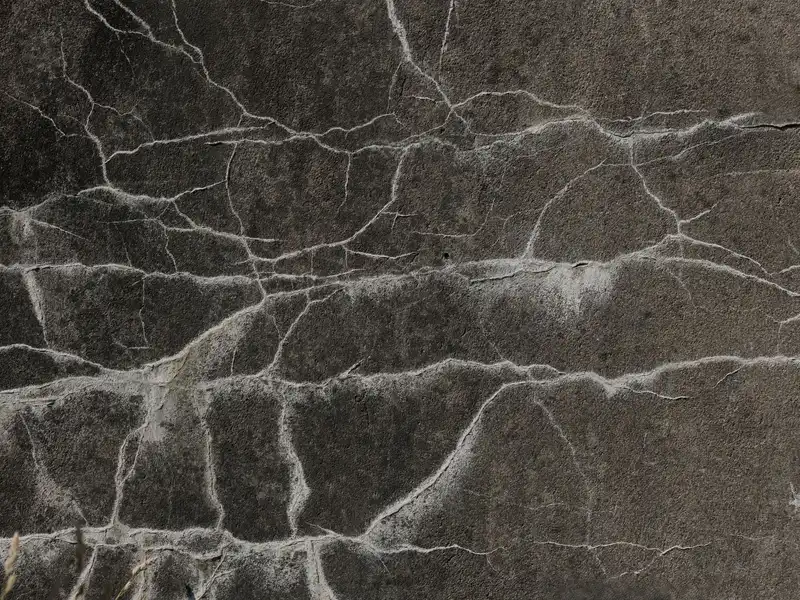
Cracking in the wall
Fine cracks originate at the base and corners due to heavy pressure and constant load from water and industrial operations.
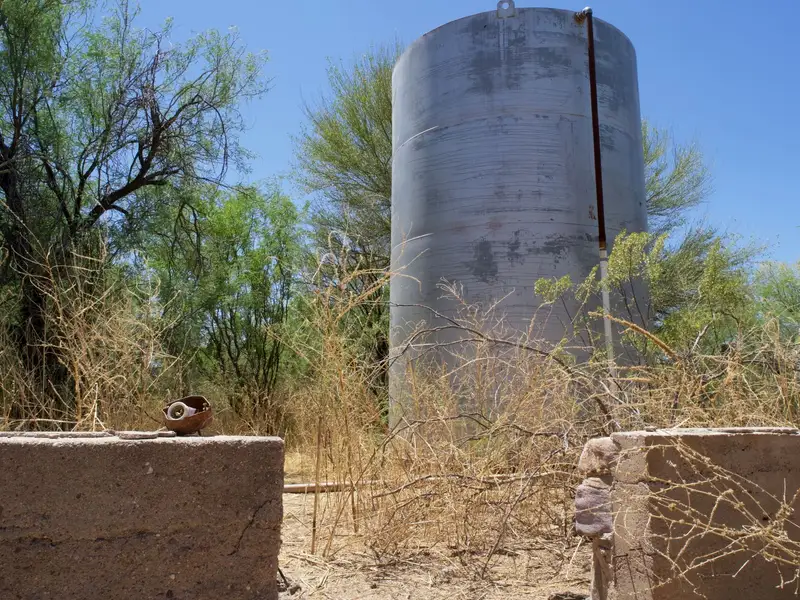
The floor to wall joint
Joints between walls, floor and pipes are weak points where vibrations and load concentrate and create leak pathways.
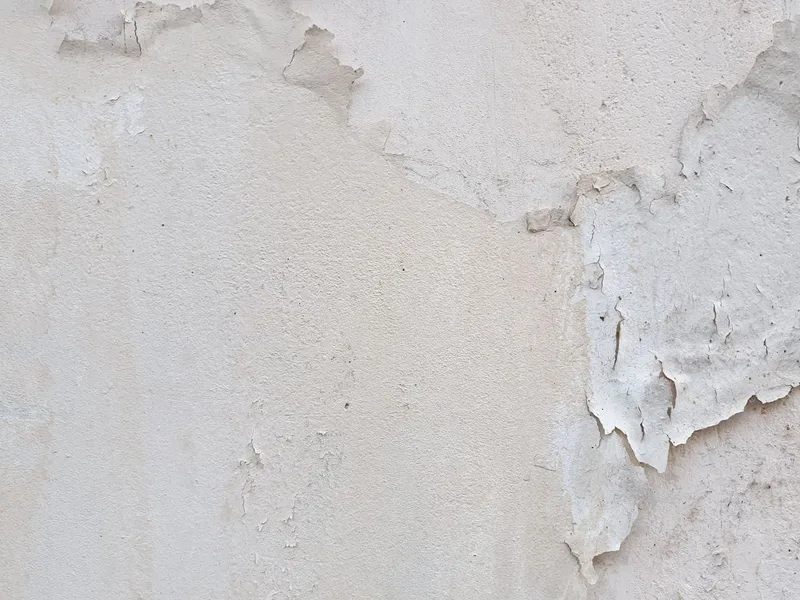
The condition of the old lining
Metal pipes rust inside and outside and the entry and exit points are very weak and a main source of leakage.
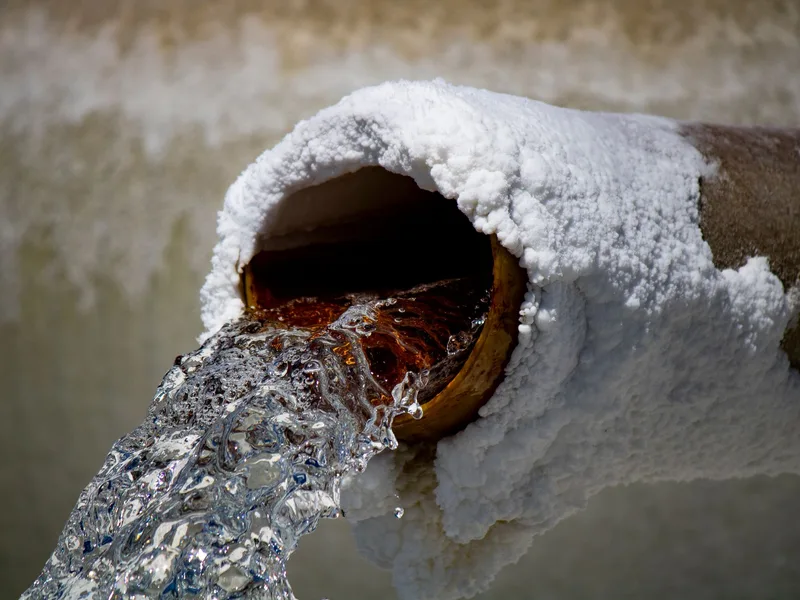
Sediment and scale
Internal humidity is very high due to severe evaporation and high heat inside and outside the tank.
The pipe entries
The external surface is coated in debris, dust and oils from workshops and trucks, increasing erosion and crack growth.
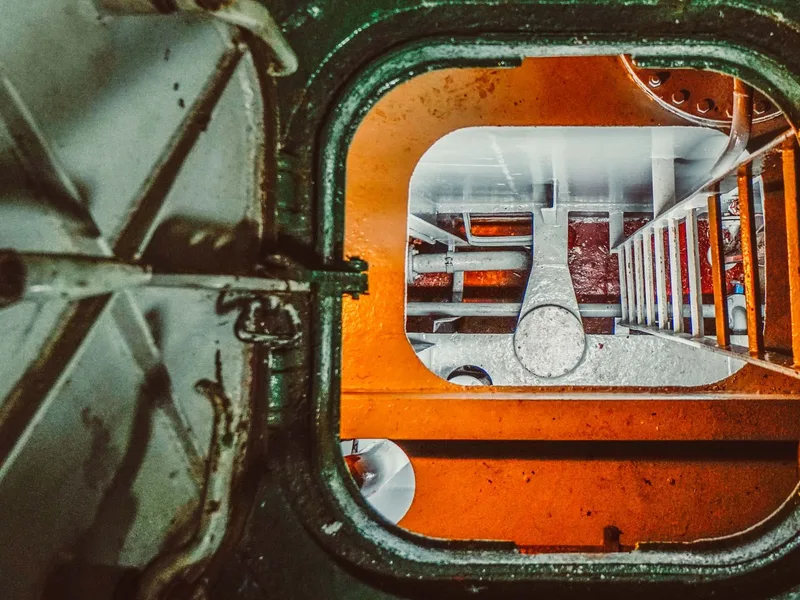
The hatch and the vent
Previous sealant is weak or absent in old warehouse tanks and the underlying substrate is badly cracked beneath the fouling.
How we work
-
1
Inspect with the tank empty
We drain it and read the surface dry: whether the water leaves through a crack, a joint or a pipe collar, and what the outer face of the wall and the ceiling below are telling us. A level test with the valves closed separates a leaking tank from leaking pipework.
-
2
Clean and prepare the substrate
Sediment out, a high pressure wash, the loose old lining and the weak surface layer of the concrete taken back, then dried. The material grips sound substrate and nothing else.
-
3
Make the cracks and joints good
Cracks are chased out and filled with a repair mortar, a cove is formed where the floor meets the wall, and every pipe collar is treated on its own.
-
4
Lining, fill test, sterilisation
Successive coats, each run across the one beneath it, on the face the water touches. Then a full cure, a fill with the level watched, and sterilisation with the first fill run to waste before the tank returns to use.
What water tank sealing includes
-

Finding where the water leaves
Carried out drained and dry: cracks, joints, pipe collars and the outer face of the wall.
-

Draining and sediment removal
The last of the water and the settled layer on the floor come out, because a lining does not stick over sediment.
-

Cracks and joints made good
The crack opened and filled, a cove formed at the floor to wall junction, and each pipe entry worked separately.
-

Lining coats on the water face
More than one coat, each crossing the one below, in material made for drinking water tanks rather than roof waterproofing.
-

Curing, fill test and sterilisation
The material is left to cure, the tank is filled and the level watched, then sterilised and the first fill run to waste. How long the cure takes follows the material and the weather, and we tell you before the date so you can plan around the supply.
-

A follow-up level check
We come back once it is in service to read the level and check the outer face, because any remaining loss shows up then rather than on the day of the work.
What is different about Al Maabdah Sub-Municipality
Al Maabdah sub municipality climbs from Al Abtah and Al Jumayzah beside the Al Mualla cemetery up through Al Khansa and Rai Adhakhir to Al Adl, Jabal Al Nour, Wadi Jaleel and Qurtubah on the outer ring roads. It mixes hotels and pilgrim housing near the Grand Mosque with old popular houses on hillside passes, new housing schemes on valley floors that carry flash floods after rain, and industrial plots, workshops and warehouses along Al Hajj Street in Qurtubah. Street widening and expropriation leave partly demolished frontages in Al Khansa.
Questions about this district
Do fine cracks in warehouse tanks need immediate sealing?
Yes. Fine cracks grow quickly due to vibration and heat. Leaks start small but water escapes constantly and water bills climb.
Why is leakage worse in industrial Qurtubah than in residential areas?
Industrial tanks are larger and walls are thinner. Pressure is higher, the base load is heavier, and heat and vibration exposure weakens the material faster.
Do oils and industrial contaminants degrade standard sealant materials?
Yes. Chemicals and oils react with ordinary sealants. We use sealants that resist oils and chemicals specifically.
Can we seal the tank interior without emptying it first?
No proper seal is possible without complete emptying and cleaning. The tank surface must be entirely clean before sealing or cracks beneath fouling continue to leak.
How often do warehouse tanks need resealing?
It depends on use and maintenance. Tanks exposed to heat and vibration may need resealing every five or six years.
Does sealing external cracks alone stop internal leakage?
No. Leakage comes from inside and outside both. Cracks leak water outward and dirt and moisture enter inward, so treatment must be complete on both faces.
How much does water tank sealing in Qurtubah cost?
It is set after the inspection, because the price follows the type of infestation, the size of the space, how far it has spread and the number of visits it needs. Send a photo and a description on WhatsApp and we will give you an estimate before we reach Qurtubah.
Nearby districts we cover
Other services in Qurtubah
Other services we provide to residents of Qurtubah.
-
 Water tanks
Water tank cleaning
-
 Water tanks
Water tank sterilization
-
 Water tanks
Tank leak repair
-
 Residential
Cockroach control
Need water tank sealing in Qurtubah? Tell us what you saw and we will tell you what it needs
We reach Qurtubah at a time we agree, and you get the full cost before we start.