
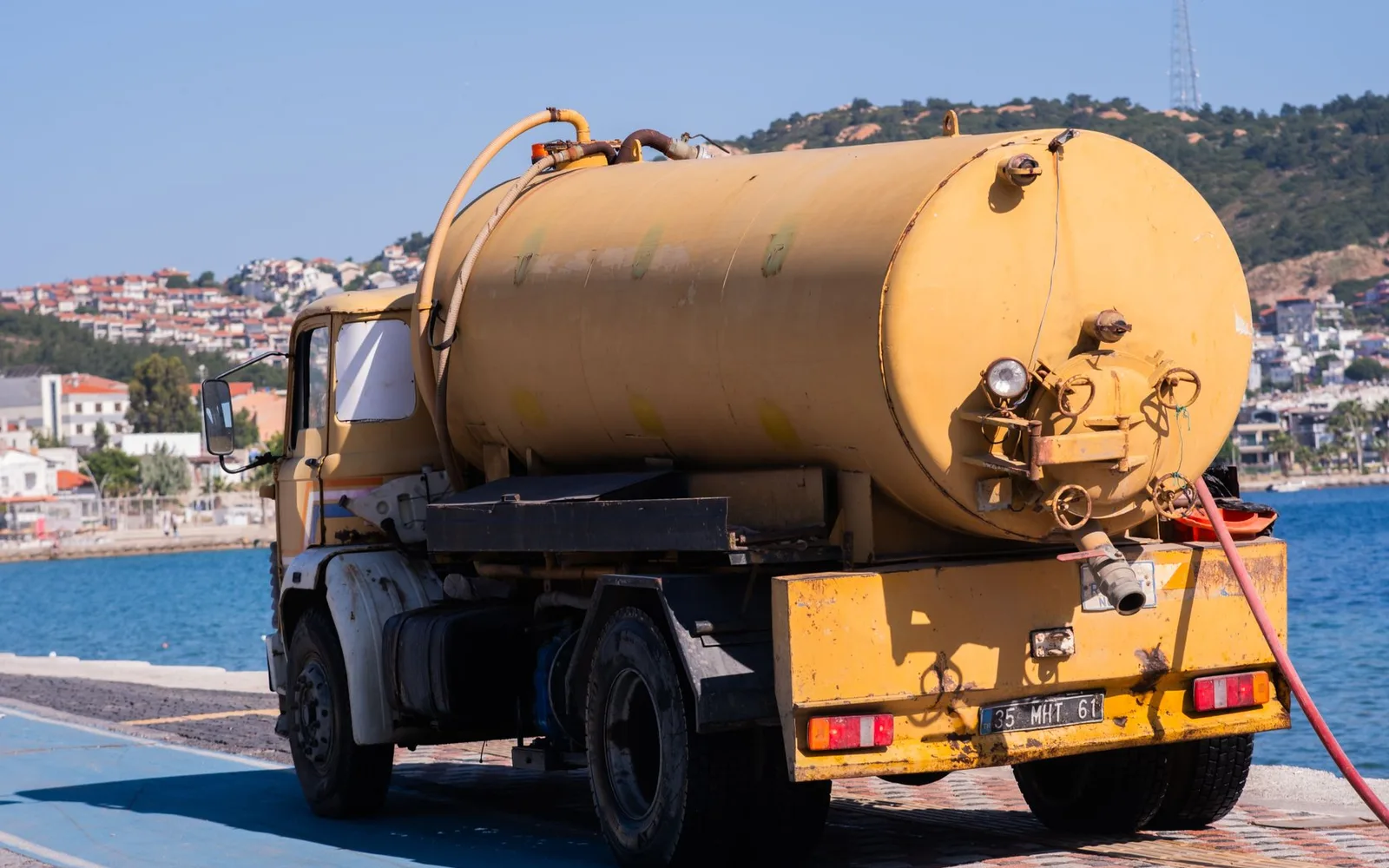
Water tank sealing in Wadi Jaleel Makkah
Wadi Jaleel is a developing district in the valley floor north east of Jeddah, lying between hills with new housing schemes spreading across it. The wadi feeds from Wadi Liyyah and flash floods come strong after heavy rain. Tanks here face intense moisture, silt and clay from floods and suffer rapid leakage and corrosion due to high water pressure.
-
Potable-rated materials
Linings and disinfectants cleared for drinking water tanks, not general-purpose products.
-
You get the downtime first
How many hours the tank is out of service, told before we start rather than after we finish.
-
A first-draw flush
We run the first draw off after refilling, and the tank is not handed back until the water runs clear.
-
Ground and roof tanks
Villas, apartment blocks and premises that need a written record of each visit.
Why the job is different in Wadi Jaleel
Housing schemes are very new and tanks relatively recent but flooding and high groundwater cause accelerated corrosion even in new tanks. The method is set out in full on the full Water tank sealing page.
Strong floods and high groundwater
Heavy rains bring violent flood waters loaded with silt and clay around tank perimeters. Groundwater is very high in the wadi and water pressure around tanks causes external cracks.
New tanks built with poor materials
Housing schemes used cheap materials and small tanks. The cement and sand are poor quality and mortar is very weak, cracking fast under moisture.
Constant moisture and rapid erosion
Moisture from floods and groundwater is present almost year-round. Salt minerals coat both surfaces and accelerate erosion sharply.
Landmarks of Wadi Jaleel
The wadi is bounded on the east by Jabal Al Noor and the Hira cave, and its housing schemes spread along Al Hajj Street and the fourth ring road, marking the flood risk zones.
- Al Hajj Street
- Fourth Ring Road
- Jabal Al Nour
- Wadi Liyyah
What we read before any material is opened
A wadi district in a valley floor between hills north east of the city, fed by Wadi Liyyah which brings strong floods after rain. New housing schemes line Al Hajj Street and the fourth ring road, within sight of Jabal Al Noor and the Hira cave.
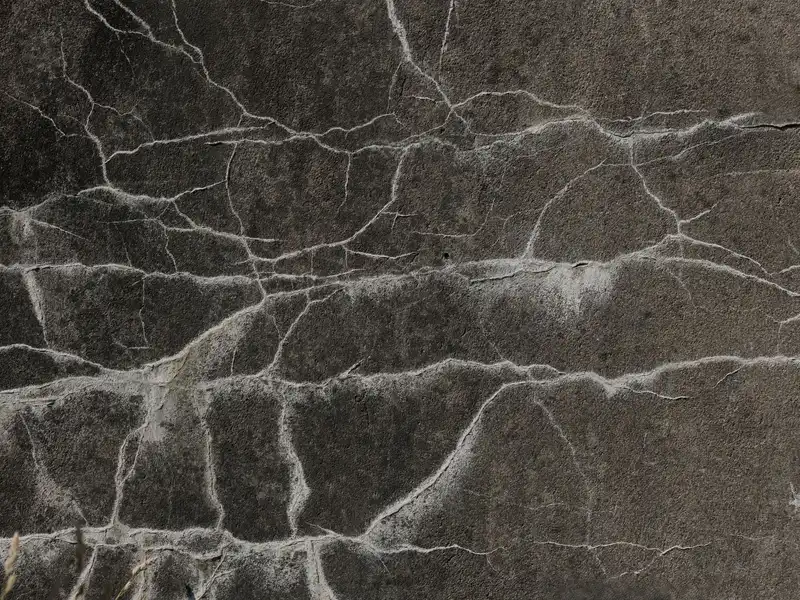
Cracking in the wall
Cracks at the base and lower walls originate from groundwater pressure and floods surrounding the tank on all sides.
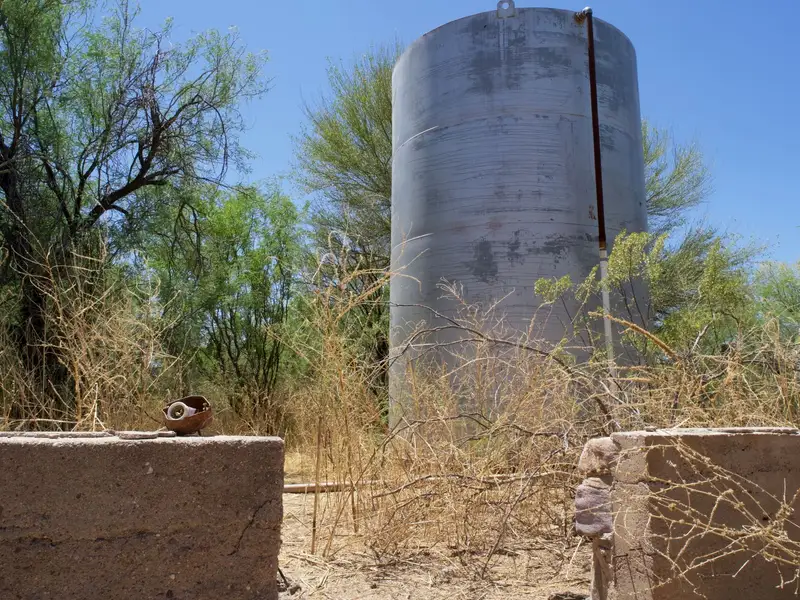
The floor to wall joint
Joints between base and walls are very weak and move with soil and groundwater movement.
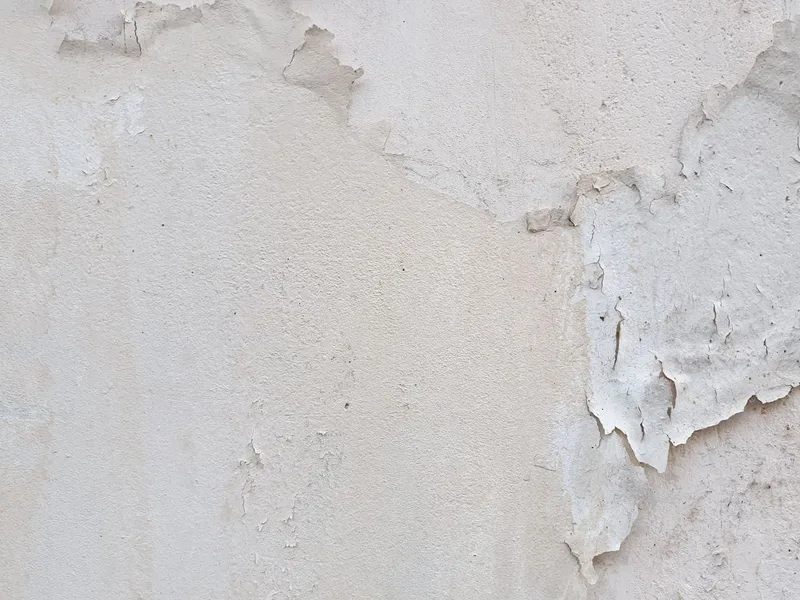
The condition of the old lining
Pipes and entry/exit points leak fast due to high water pressure and movement from flooding.
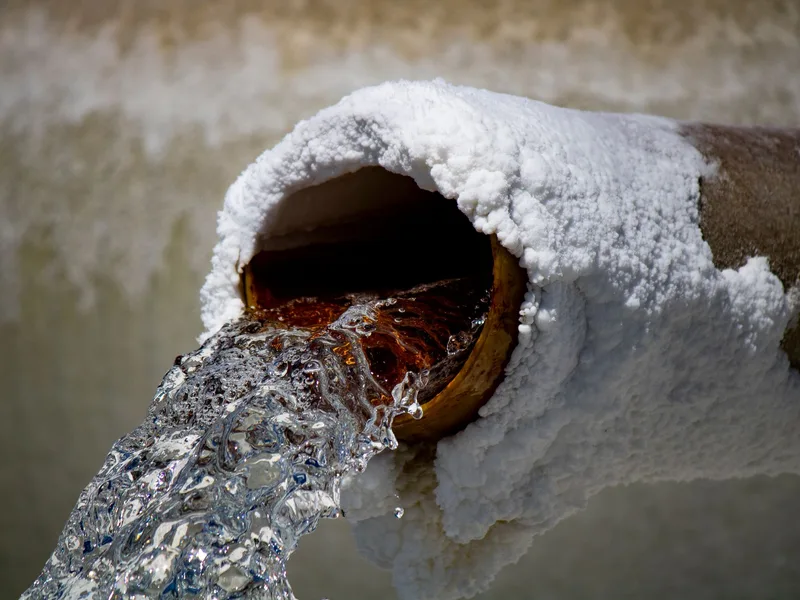
Sediment and scale
Internal moisture is very high due to groundwater, floods and weak evaporation in damp air.
The pipe entries
Mineral salts from groundwater accumulate on inside and outside surfaces causing rapid erosion.
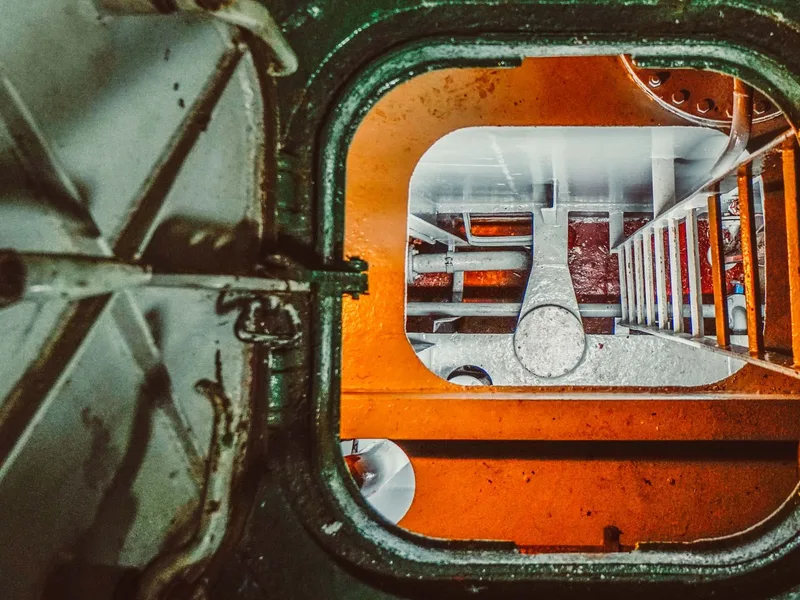
The hatch and the vent
Original materials are very poor, cement and mortar are cheap quality, and previous sealing is absent or very weak.
How we work
-
1
Inspect with the tank empty
We drain it and read the surface dry: whether the water leaves through a crack, a joint or a pipe collar, and what the outer face of the wall and the ceiling below are telling us. A level test with the valves closed separates a leaking tank from leaking pipework.
-
2
Clean and prepare the substrate
Sediment out, a high pressure wash, the loose old lining and the weak surface layer of the concrete taken back, then dried. The material grips sound substrate and nothing else.
-
3
Make the cracks and joints good
Cracks are chased out and filled with a repair mortar, a cove is formed where the floor meets the wall, and every pipe collar is treated on its own.
-
4
Lining, fill test, sterilisation
Successive coats, each run across the one beneath it, on the face the water touches. Then a full cure, a fill with the level watched, and sterilisation with the first fill run to waste before the tank returns to use.
What water tank sealing includes
-

Finding where the water leaves
Carried out drained and dry: cracks, joints, pipe collars and the outer face of the wall.
-

Draining and sediment removal
The last of the water and the settled layer on the floor come out, because a lining does not stick over sediment.
-

Cracks and joints made good
The crack opened and filled, a cove formed at the floor to wall junction, and each pipe entry worked separately.
-

Lining coats on the water face
More than one coat, each crossing the one below, in material made for drinking water tanks rather than roof waterproofing.
-

Curing, fill test and sterilisation
The material is left to cure, the tank is filled and the level watched, then sterilised and the first fill run to waste. How long the cure takes follows the material and the weather, and we tell you before the date so you can plan around the supply.
-

A follow-up level check
We come back once it is in service to read the level and check the outer face, because any remaining loss shows up then rather than on the day of the work.
What is different about Al Maabdah Sub-Municipality
Al Maabdah sub municipality climbs from Al Abtah and Al Jumayzah beside the Al Mualla cemetery up through Al Khansa and Rai Adhakhir to Al Adl, Jabal Al Nour, Wadi Jaleel and Qurtubah on the outer ring roads. It mixes hotels and pilgrim housing near the Grand Mosque with old popular houses on hillside passes, new housing schemes on valley floors that carry flash floods after rain, and industrial plots, workshops and warehouses along Al Hajj Street in Qurtubah. Street widening and expropriation leave partly demolished frontages in Al Khansa.
Questions about this district
Why do new Wadi Jaleel tanks leak so quickly?
Moisture from floods and high groundwater causes very rapid corrosion even in new tanks. Build materials are cheap and external water pressure is very high.
Do floods cause permanent tank damage?
Yes. Floods bring silt, sand and very high water pressure. Even after water recedes, groundwater pressure and moisture continue corroding and cracks grow.
Does high groundwater cause leakage from the tank base?
Yes. Groundwater pushes up from below and cracks the base and lower walls. Water enters from bottom and sides together.
Is standard sealant enough to protect a tank from floods?
No. Standard sealant cannot withstand high groundwater pressure. We use sealants that resist water pressure and mineral salts specifically.
Should we seal before or after the housing scheme is built?
Ideally before, when groundwater depth is known. If already built, seal from outside before the next flood.
Does raising the tank above ground stop flood and groundwater seepage?
It may help if raised high enough, but groundwater here is very high. Good sealing is essential regardless of tank height.
How much does water tank sealing in Wadi Jaleel cost?
It is set after the inspection, because the price follows the type of infestation, the size of the space, how far it has spread and the number of visits it needs. Send a photo and a description on WhatsApp and we will give you an estimate before we reach Wadi Jaleel.
Nearby districts we cover
Other services in Wadi Jaleel
Other services we provide to residents of Wadi Jaleel.
-
 Water tanks
Water tank cleaning
-
 Water tanks
Water tank sterilization
-
 Water tanks
Tank leak repair
-
 Residential
Cockroach control
Need water tank sealing in Wadi Jaleel? Tell us what you saw and we will tell you what it needs
We reach Wadi Jaleel at a time we agree, and you get the full cost before we start.