
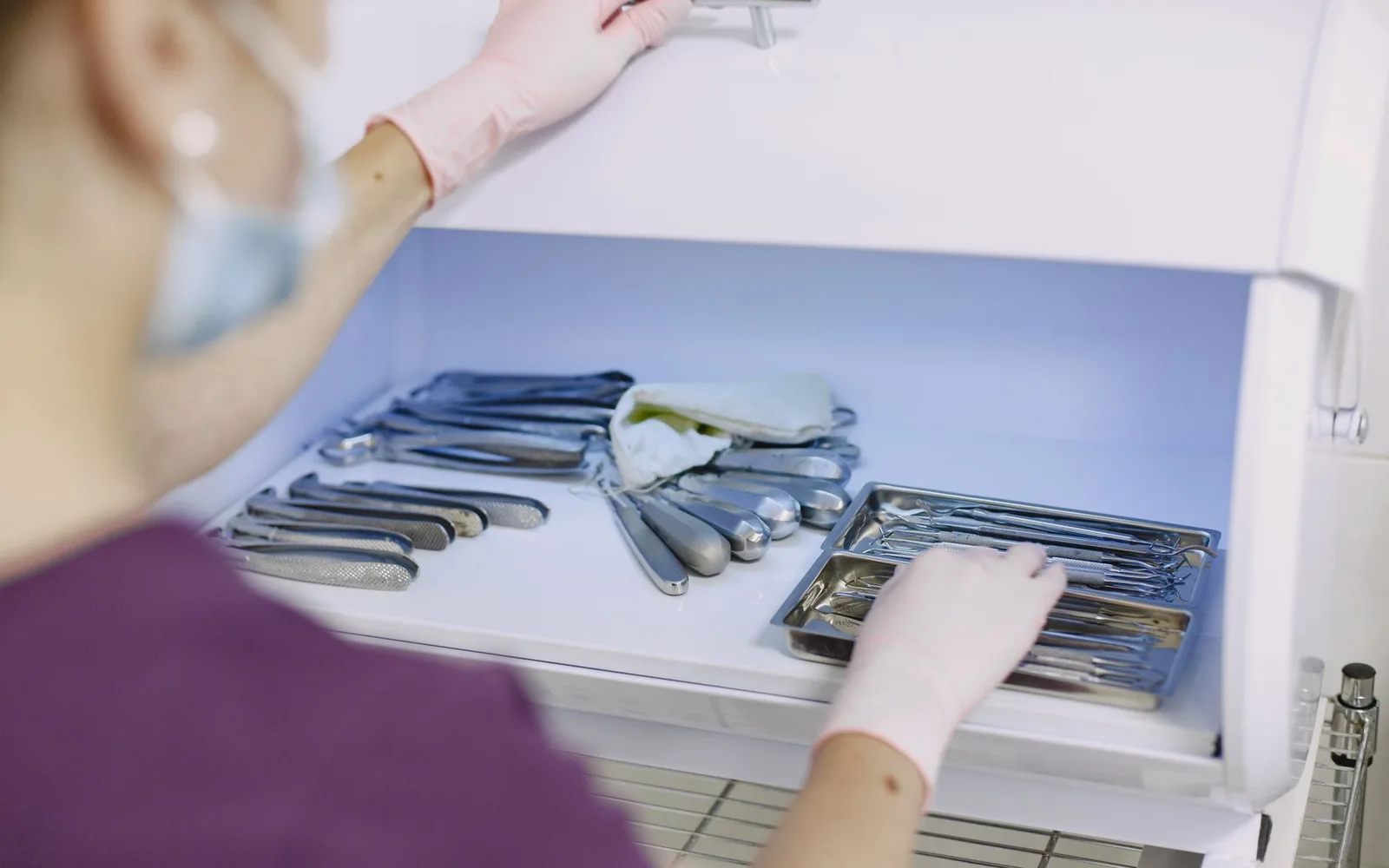
Water tank sterilization in Al Hindawiyah Makkah
Al Hindawiyah is a densely packed popular quarter on the western side of the city, with ageing low buildings containing row after row of small shops. Tanks here serve both commercial shops and residential units together, and water passes through old pipes and tanks untouched for years, leaving sediment and biofilm layers that require thorough sterilization.
-
Potable-rated materials
Linings and disinfectants cleared for drinking water tanks, not general-purpose products.
-
You get the downtime first
How many hours the tank is out of service, told before we start rather than after we finish.
-
A first-draw flush
We run the first draw off after refilling, and the tank is not handed back until the water runs clear.
-
Ground and roof tanks
Villas, apartment blocks and premises that need a written record of each visit.
Why the job is different in Al Hindawiyah
Shopkeepers and residents depend on old rooftop tanks, many untouched for years, and the water is affected by dust and sediment from aging pipe networks. The method is set out in full on what Water tank sterilization involves.
Tanks shared between shops and residential units
Many tanks serve a ground-floor retail shop and residential flats above. Shops consume high volumes of water for cleaning, and food waste or grease may enter the tank through drains or vent pipes.
Pipes and tanks decades old
Old copper and iron pipes corrode internally and leave particles in the water. Old concrete tanks crack and leak, allowing outside dirt in and enabling bacteria colonies to establish in sediment layers.
Heat and humidity accelerate biofilm growth
Al Hindawiyah faces direct sun throughout the day and rooftop tanks heat rapidly. Warm water combined with sediment layers creates ideal conditions for algae and bacterial growth.
The character of Al Hindawiyah
Commercial area: offices, showrooms and small stores
A densely packed popular quarter with old tanks and pipes shared between shops and residences. Retail outlets increase water contamination risk, so sterilization must include complete removal of sediment and biofilm layers from walls before disinfection, as tanks serve high and varied consumption.
What we read inside the tank before anything starts
A densely built popular quarter to the west, with unplanned urban fabric containing commercial markets and old residential buildings, bounded by Al Mansour to the east, Al Khalidiyah to the south, Al Rusayfah and Al Nuzha to the west and Al Utaibiyah to the north.
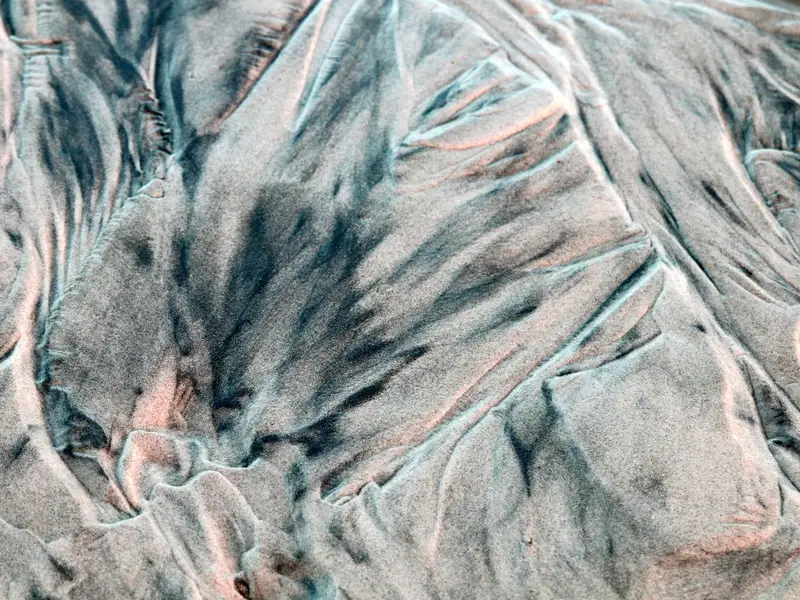
Sediment on the floor
Brown and grey sediment accumulates in old tank bases, containing rust from pipes, soil particles and heavy metals.
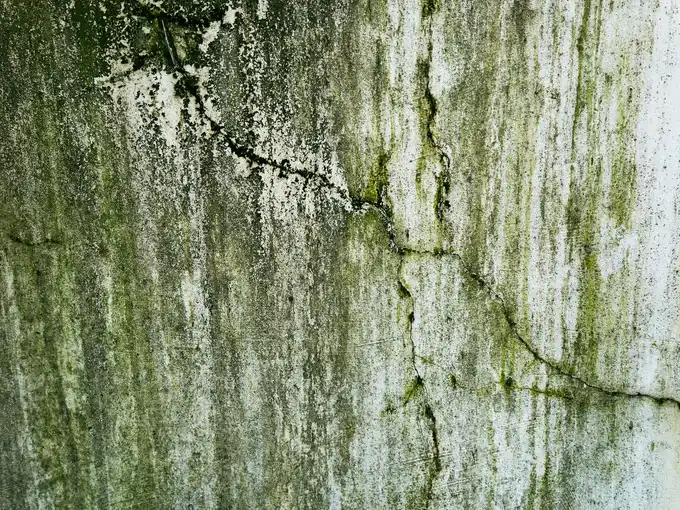
The slime film on the wall
Slime biofilm coats tank walls, formed from algae and bacteria thriving in warm, contaminated water.
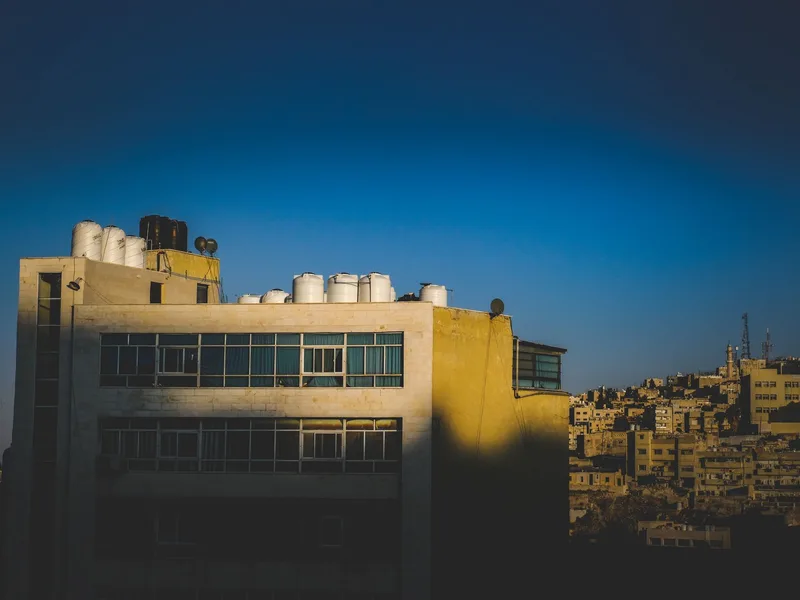
Light and heat
Old copper and iron pipes corrode internally, leaving green and brown particles in water, signalling deep tank and pipe cleaning is needed.
The lining and any cracking
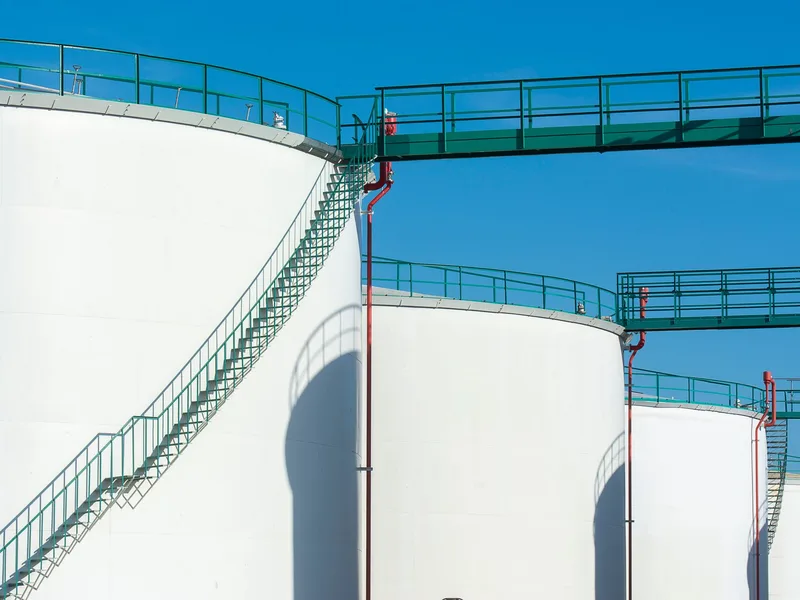
Humidity is high in Al Hindawiyah and rooftop tanks heat fast, creating ideal conditions for algae, bacteria and fungal growth.
The lid and the openings
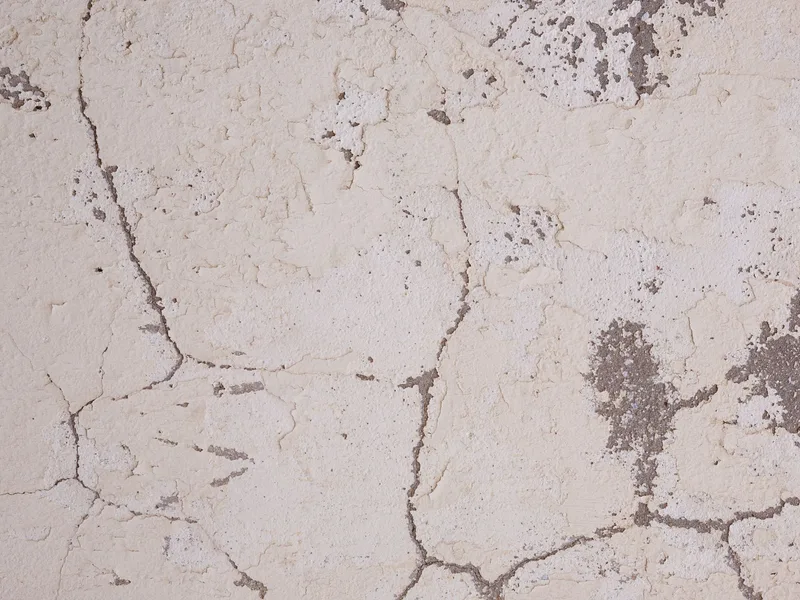
Old concrete tanks crack and leak, allowing outside dirt in and enabling internal seepage.
What shows up at the tap
Absence of regular tank washing and sterilization results in annual sediment buildup, reducing sterilization effectiveness and requiring periodic deep cleaning.
How we work
-
1
Inspect and record the condition
We open the hatch and work through what the tank is made of and how big it is, how deep the sediment lies, the state of the lining, whether the lid and the overflow seal, and whether there is a crack that has to be repaired before any sterilizing.
-
2
Drain and lift the sediment out
The water goes out, then the silt and sand are lifted off the floor by suction rather than pushed toward the outlet, because pushing them sends them into the house pipework and the heater.
-
3
High pressure wash
Walls, floor, corners and the area around the outlet, until the slime film is completely gone. This is the step that makes the sterilizing after it mean anything.
-
4
Sterilize, rinse, then return to service
The sterilizing agent goes onto the walls, the floor and the underside of the lid and is left for its contact time, then we rinse, refill and run the furthest tap until the whole line is clear.
What water tank sterilization includes
-

A recorded inspection
Material, capacity, sediment depth, the state of the lining, the lid and the overflow, all before any work begins.
-

Draining and sediment removal
The water out, and the silt and sand lifted off the floor instead of being pushed into the outlet and the house pipework.
-

High pressure washing
Walls, corners and around the outlet, until the biofilm that no disinfectant penetrates has gone.
-
Sterilizing the internal surfaces
A sterilizing agent meant for drinking water tanks, applied to the walls, the floor and the underside of the lid, and left for its contact time.
-

Line flush and aftercare
Rinse, refill and a flush from the furthest tap, when the water is usable again, and what to change in the filter afterwards.
-

The next cycle
We agree the right interval for your tank from how it is filled, how much sun it takes and the condition of the lid.
What is different about Al Misfalah Sub-Municipality
Al Misfalah sub municipality runs downhill from the south of the Grand Mosque through Al Misfalah, Kudai and Al Rawabi to Al Taqwa, Al Hindawiyah, Al Khalidiyah and Al Rusayfah at the third ring road. The northern end is old apartment blocks and pilgrim hotels with restaurants along Ibrahim Al Khalil Street and the huge coach parks at Kudai. The south and west are dense popular districts with countless small shops and unplanned hillside housing, some of it already cleared for redevelopment, giving way to orderly land grant schemes in Al Rusayfah beside the railway station.
Questions about this district
Are brown deposits at the tank base dangerous?
Yes. Sediment accumulates bacteria, heavy metals and organic matter. Sterilization alone is insufficient; sediment must be physically removed from the base before disinfection.
Why does water discolour faster in Al Hindawiyah than newer areas?
Pipes and tanks are very old and rust particles settle continuously. Rooftop tanks heat quickly and accelerate bacterial and algal growth.
Do retail shops need more frequent sterilization than homes?
Yes. Water consumption is higher and grease or food waste may enter the tank, increasing contamination risk.
How often should tanks be sterilized in Al Hindawiyah?
At least once yearly, and if the tank is very old or water discolours quickly, twice yearly may be needed.
Is washing the tank with water alone enough?
No. Water removes visible dirt only. Biofilm and bacteria remain on walls and floor; a strong sterilizing agent must be applied after pressure washing.
Should old pipes be replaced after sterilization?
Sterilization cleans the tank, but rusty pipes will contaminate the water again. Gradual pipe replacement helps improve long-term water quality.
How much does water tank sterilization in Al Hindawiyah cost?
It is set after the inspection, because the price follows the type of infestation, the size of the space, how far it has spread and the number of visits it needs. Send a photo and a description on WhatsApp and we will give you an estimate before we reach Al Hindawiyah.
Nearby districts we cover
Other services in Al Hindawiyah
Other services we provide to residents of Al Hindawiyah.
-
 Water tanks
Water tank cleaning
-
 Water tanks
Water tank sealing
-
 Water tanks
Tank leak repair
-
 Residential
Cockroach control
Need water tank sterilization in Al Hindawiyah? Tell us what you saw and we will tell you what it needs
We reach Al Hindawiyah at a time we agree, and you get the full cost before we start.