
Water tank sterilization in Al Khalidiyah Makkah
Al Khalidiyah is a mixed residential district combining traditional houses, apartment buildings and unplanned land plots. Tank ages vary widely here from old homes with leaky tanks to modern buildings with multiple sealed units. Water in older tanks collects sediment and silt because the tanks are very old and maintenance is irregular.
-
Potable-rated materials
Linings and disinfectants cleared for drinking water tanks, not general-purpose products.
-
You get the downtime first
How many hours the tank is out of service, told before we start rather than after we finish.
-
A first-draw flush
We run the first draw off after refilling, and the tank is not handed back until the water runs clear.
-
Ground and roof tanks
Villas, apartment blocks and premises that need a written record of each visit.
Why the job is different in Al Khalidiyah
Tanks in traditional houses and old apartment buildings have accumulated sediment and silt over years, and local soil and dust enter tanks through old unsealed openings. The method is set out in full on Water tank sterilization in detail.
Traditional houses with open rooftop tanks
Old Al Khalidiyah homes have open or half-sealed tanks on rooftops. Sediment and silt collect fast because the openings are loose and seals are very old.
Apartment buildings with thick concrete tanks
Modern buildings have large concrete tanks underground or on roofs. Inner walls are covered in a thick oily film and grime because water sits static and ventilation is poor.
Unplanned land plots and high dust and soil
Unplanned land surrounding the district supplies a constant source of dust and earth. Winds carry dust into tanks through old air vents and drainage openings.
The character of Al Khalidiyah
Mixed district: shops at street level with homes above them
The district is mixed between traditional houses and apartment buildings, meaning diverse tank sizes and types. Traditional homes may need manual emptying, apartments need large equipment, and treatment varies by capacity, position and age.
What we read inside the tank before anything starts
A mixed residential quarter south-west of Makkah lying between Al Hindawiyah and Al Shawqiyah, with Jurhum and Al Taqwa on its eastern side and Al Rusayfah to the west. It holds traditional houses, unplanned land and a handful of small gardens with quiet residential streets away from the central crowds.
Sediment on the floor
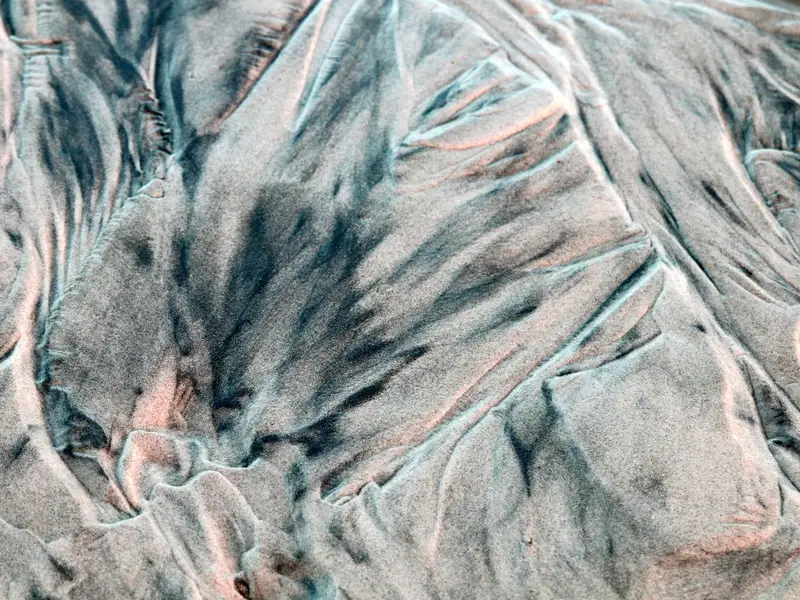
Heavy sediment and mud cover the floor of tanks in traditional houses and old apartment buildings, requiring complete emptying and hard scraping.
The slime film on the wall
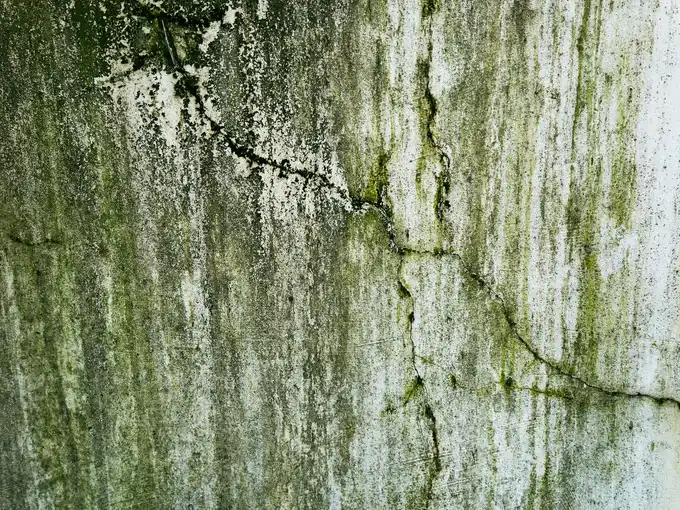
The oily film and microorganisms form on concrete tank walls and need high-pressure washing to remove completely.
Light and heat
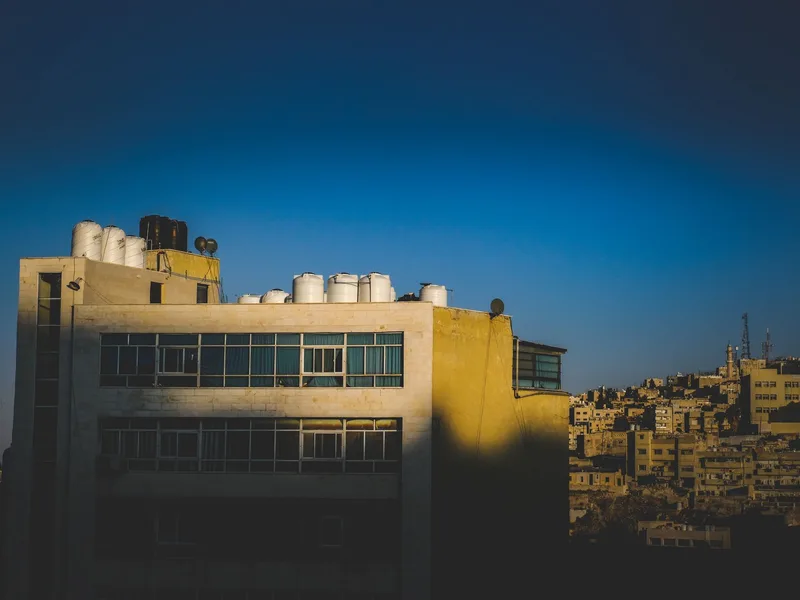
Old air vents and drainage openings on roofs and walls allow dust and insects to enter and need inspection and repair.
The lining and any cracking
Moisture inside sealed underground tanks causes algae and bacteria buildup and requires good ventilation after sterilization.
The lid and the openings
Plant roots and weeds may enter tanks through wall cracks or low openings and need careful inspection before sterilization.

What shows up at the tap
Standing old water in tanks becomes contaminated quickly and needs swift sterilization and full line flush to the furthest tap.
How we work
-
1
Inspect and record the condition
We open the hatch and work through what the tank is made of and how big it is, how deep the sediment lies, the state of the lining, whether the lid and the overflow seal, and whether there is a crack that has to be repaired before any sterilizing.
-
2
Drain and lift the sediment out
The water goes out, then the silt and sand are lifted off the floor by suction rather than pushed toward the outlet, because pushing them sends them into the house pipework and the heater.
-
3
High pressure wash
Walls, floor, corners and the area around the outlet, until the slime film is completely gone. This is the step that makes the sterilizing after it mean anything.
-
4
Sterilize, rinse, then return to service
The sterilizing agent goes onto the walls, the floor and the underside of the lid and is left for its contact time, then we rinse, refill and run the furthest tap until the whole line is clear.
What water tank sterilization includes
-

A recorded inspection
Material, capacity, sediment depth, the state of the lining, the lid and the overflow, all before any work begins.
-

Draining and sediment removal
The water out, and the silt and sand lifted off the floor instead of being pushed into the outlet and the house pipework.
-

High pressure washing
Walls, corners and around the outlet, until the biofilm that no disinfectant penetrates has gone.
-
Sterilizing the internal surfaces
A sterilizing agent meant for drinking water tanks, applied to the walls, the floor and the underside of the lid, and left for its contact time.
-

Line flush and aftercare
Rinse, refill and a flush from the furthest tap, when the water is usable again, and what to change in the filter afterwards.
-

The next cycle
We agree the right interval for your tank from how it is filled, how much sun it takes and the condition of the lid.
What is different about Al Misfalah Sub-Municipality
Al Misfalah sub municipality runs downhill from the south of the Grand Mosque through Al Misfalah, Kudai and Al Rawabi to Al Taqwa, Al Hindawiyah, Al Khalidiyah and Al Rusayfah at the third ring road. The northern end is old apartment blocks and pilgrim hotels with restaurants along Ibrahim Al Khalil Street and the huge coach parks at Kudai. The south and west are dense popular districts with countless small shops and unplanned hillside housing, some of it already cleared for redevelopment, giving way to orderly land grant schemes in Al Rusayfah beside the railway station.
Questions about this district
Why do tanks in Al Khalidiyah foul faster than elsewhere?
Because traditional houses and unplanned land supply constant dust sources, and old tanks lack enough insulation or sealed air vents.
Do open rooftop tanks collect more dirt than underground tanks?
Yes, far more. Open tanks receive dust, leaves and insects directly from the air.
Is one sterilization enough or do we need regular treatment cycles?
One sterilization purifies the current water. But old tanks and loose openings may allow recontamination if the tank itself is not repaired.
Is water in old tanks safe to drink right after sterilization?
Yes, sterilization kills bacteria and viruses. But heavy soil and silt may return if the tank is not sealed.
Does tank age affect the amount of sediment buildup?
Yes, greatly. Tanks over 10 years old accumulate very thick sediment layers.
Must we stop water use during the whole cleaning and sterilization process?
Yes, water must be cut off completely during emptying, cleaning, sterilization and flushing. The process takes several hours.
How much does water tank sterilization in Al Khalidiyah cost?
It is set after the inspection, because the price follows the type of infestation, the size of the space, how far it has spread and the number of visits it needs. Send a photo and a description on WhatsApp and we will give you an estimate before we reach Al Khalidiyah.
Nearby districts we cover
Other services in Al Khalidiyah
Other services we provide to residents of Al Khalidiyah.
-
 Water tanks
Water tank cleaning
-
 Water tanks
Water tank sealing
-
 Water tanks
Tank leak repair
-
 Residential
Cockroach control
Need water tank sterilization in Al Khalidiyah? Tell us what you saw and we will tell you what it needs
We reach Al Khalidiyah at a time we agree, and you get the full cost before we start.