
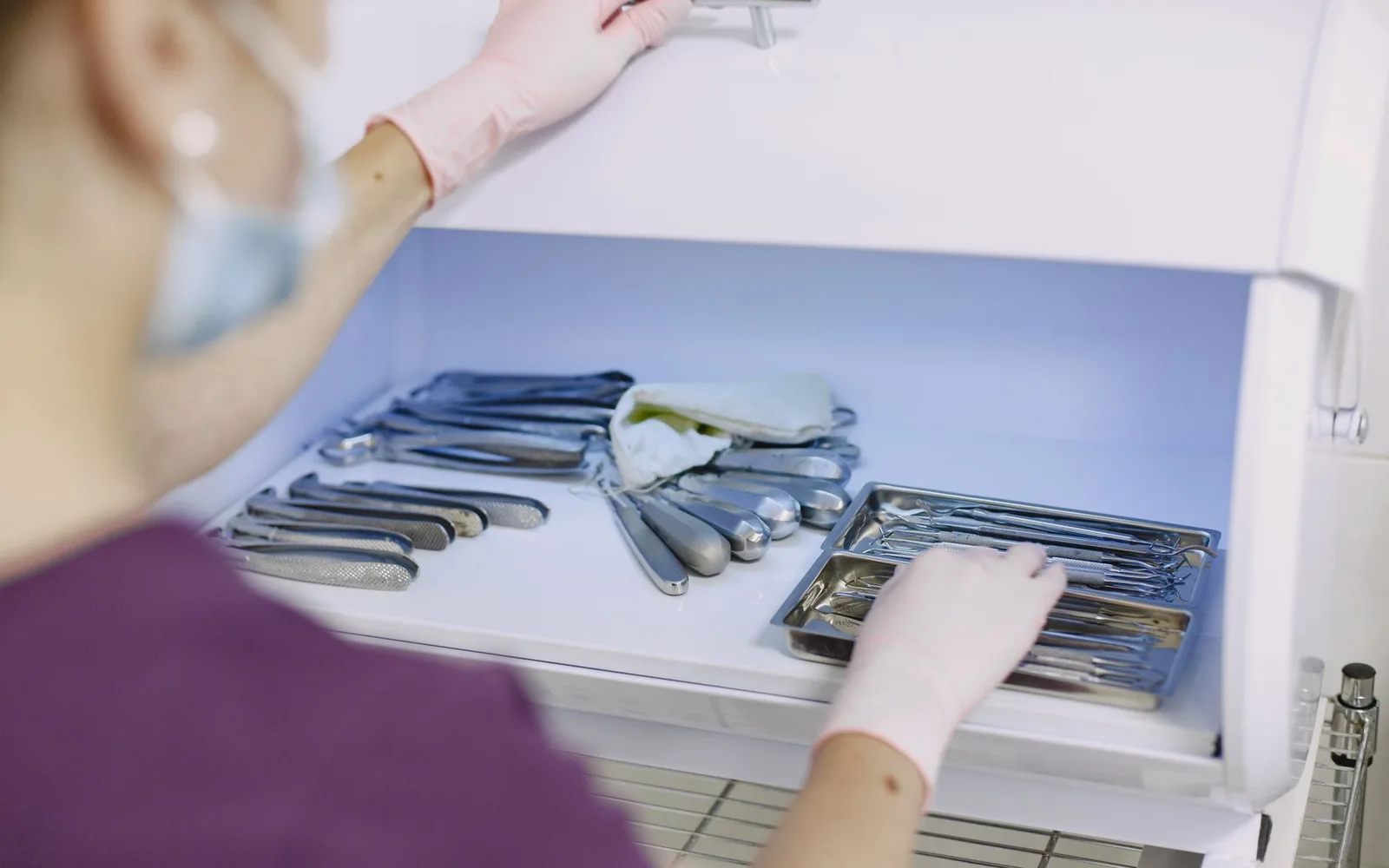
Water tank sterilization in Al Malik Fahd Makkah
Al Malik Fahd is an orderly mixed district combining quiet villas with apartment blocks, and water tanks here suffer from heavy sediment and mud due to long water lines from distant desalination plants. Water travels long distances before reaching tanks, depositing minerals and impurities on the tank floor.
-
Potable-rated materials
Linings and disinfectants cleared for drinking water tanks, not general-purpose products.
-
You get the downtime first
How many hours the tank is out of service, told before we start rather than after we finish.
-
A first-draw flush
We run the first draw off after refilling, and the tank is not handed back until the water runs clear.
-
Ground and roof tanks
Villas, apartment blocks and premises that need a written record of each visit.
Why the job is different in Al Malik Fahd
Tanks here are relatively modern but desalinated water carries heavy mineral deposits, and residents notice water discolouration and taste changes within months of the last cleaning. The method is set out in full on how we approach Water tank sterilization.
Heavy mineral deposits from desalination
Desalinated water contains residual minerals even after treatment, and when they settle in the tank they form a white or grey hard layer on the floor. This layer traps bacteria and algae beneath it.
Apartment complexes and housing blocks need regular routine cleaning
Villas and apartment buildings in the scheme use large tanks to store water for several days. High consumption means partial water stagnation at the tank bottom, accelerating algae growth and odour formation.
High heat and direct sunlight encourage algae growth
Exposed tanks on villa and building roofs face direct sun all day. High temperature speeds growth of green algae and surface oils that produce unpleasant odours.
The character of Al Malik Fahd
Mixed district: shops at street level with homes above them
Al Malik Fahd is an orderly district within a modern housing scheme, and tanks here serve arranged villas and apartment blocks. Cleaning requires heavy equipment and a trained crew to lift thick sediment from large tanks, and must be coordinated with the complex management or property owner.
What we read inside the tank before anything starts
A mixed residential district in western Makkah at the junction of the Jeddah expressway and Fourth Ring Road, neighbouring Al Hamra, Ar Rusayfah and Al Khalidiyah. It contains the orderly King Fahd housing scheme with villas, apartment blocks, parks, a mosque and schools.
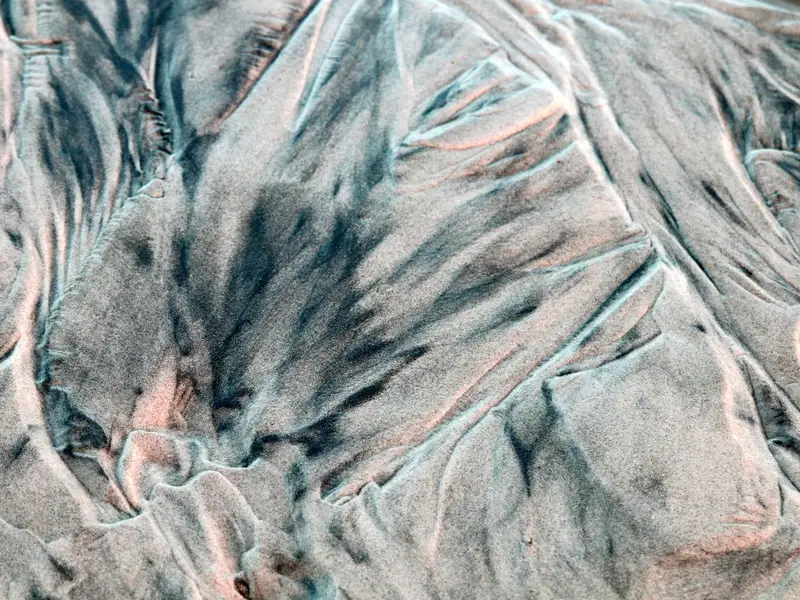
Sediment on the floor
White or grey deposits on the tank floor are minerals and salts from desalinated water, accumulating over time.
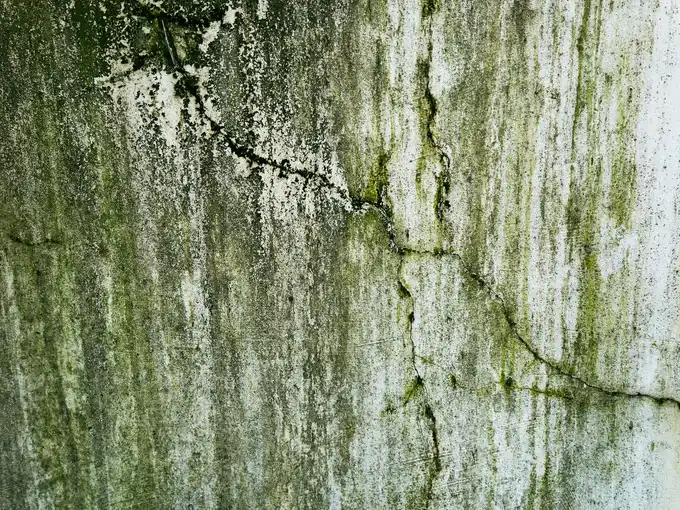
The slime film on the wall
Green algae and surface oils grow on the tank's inner surface from sun and heat.
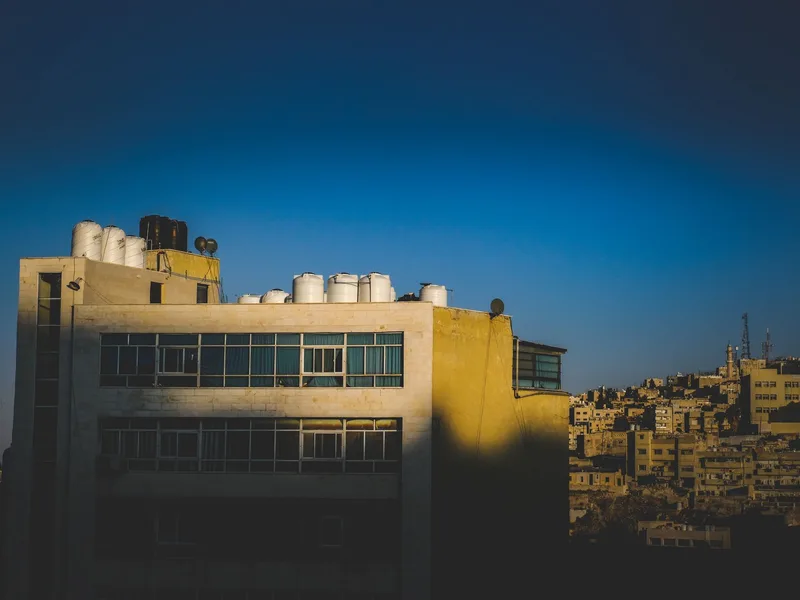
Light and heat
Bad odours come from decomposing organic matter and anaerobic bacteria at the wet tank base.
The lining and any cracking
Pipes and taps contain residual mineral deposits that reduce water flow.
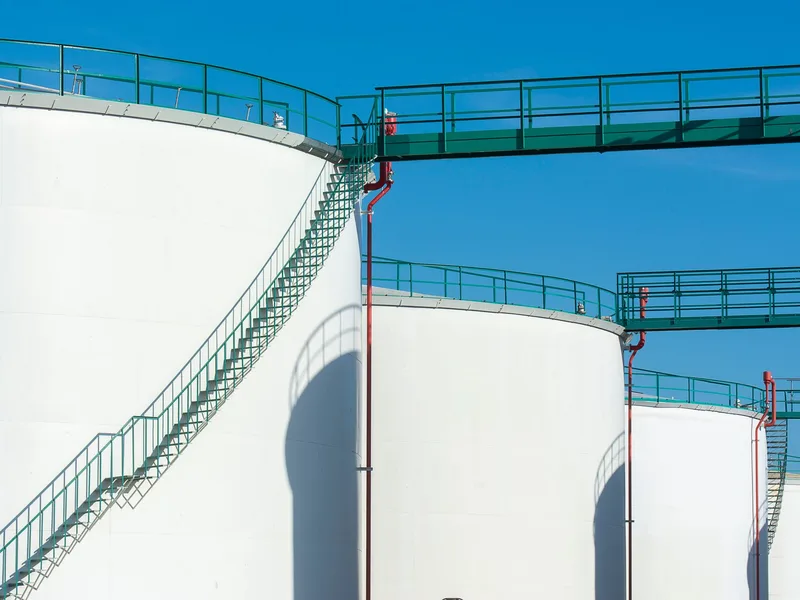
The lid and the openings
Tank corners and narrow areas at the base provide ideal sites for bacteria and algae to grow undisturbed.

What shows up at the tap
Exposed tanks facing direct sun need more frequent cleaning than covered or shaded tanks.
How we work
-
1
Inspect and record the condition
We open the hatch and work through what the tank is made of and how big it is, how deep the sediment lies, the state of the lining, whether the lid and the overflow seal, and whether there is a crack that has to be repaired before any sterilizing.
-
2
Drain and lift the sediment out
The water goes out, then the silt and sand are lifted off the floor by suction rather than pushed toward the outlet, because pushing them sends them into the house pipework and the heater.
-
3
High pressure wash
Walls, floor, corners and the area around the outlet, until the slime film is completely gone. This is the step that makes the sterilizing after it mean anything.
-
4
Sterilize, rinse, then return to service
The sterilizing agent goes onto the walls, the floor and the underside of the lid and is left for its contact time, then we rinse, refill and run the furthest tap until the whole line is clear.
What water tank sterilization includes
-

A recorded inspection
Material, capacity, sediment depth, the state of the lining, the lid and the overflow, all before any work begins.
-

Draining and sediment removal
The water out, and the silt and sand lifted off the floor instead of being pushed into the outlet and the house pipework.
-

High pressure washing
Walls, corners and around the outlet, until the biofilm that no disinfectant penetrates has gone.
-
Sterilizing the internal surfaces
A sterilizing agent meant for drinking water tanks, applied to the walls, the floor and the underside of the lid, and left for its contact time.
-

Line flush and aftercare
Rinse, refill and a flush from the furthest tap, when the water is usable again, and what to change in the filter afterwards.
-

The next cycle
We agree the right interval for your tank from how it is filled, how much sun it takes and the condition of the lid.
What is different about Al Shawqiyah Sub-Municipality
Al Shawqiyah sub municipality runs south from the Third Ring Road to the city's edge on the Al Layth road and the Jeddah expressway. Planned districts such as Al Shawqiyah, Al Malik Fahd and Bathaa Quraish have wide streets, villas and apartment blocks, while schemes in Wali Al Ahd are being built out and informal housing in Al Ukayshiyah and Al Zuhur is being cleared. The vegetable market and livestock auction at Souq Al Halaqa, open construction sites, the rocky slopes of Jabal Thawr and sewers still being laid through the southern fringe offer exposed food, shelter and moisture.
Questions about this district
Why does water become cloudy or develop odours months after cleaning?
Mineral deposits and algae regrow in the dark warm tank. Without regular cleaning, impurities accumulate and cause bad smells.
Is tank sterilization alone enough or must we also flush the pipes?
Sterilization alone is not enough if pipes are contaminated. Tank and pipes must be cleaned together to remove deposits and bacteria from everywhere.
How often per year must the tank be cleaned?
In Al Malik Fahd, at least every six months due to mineral deposits. If water is cloudy, cleaning every three months is advisable.
Is water safe to drink immediately after sterilization?
Yes, if sterilization is done properly and the tank is well flushed. But it is best to run water for a few minutes before drinking.
Does tank type affect cleaning method?
Yes. Fibreglass tanks need less care than steel ones. Old steel tanks may rust inside and need close inspection.
Why does water smell of chlorine after sterilization?
Residue from the sterilizing agent remains in water and pipes. Good flushing and waiting a few hours helps the smell fade.
How much does water tank sterilization in Al Malik Fahd cost?
It is set after the inspection, because the price follows the type of infestation, the size of the space, how far it has spread and the number of visits it needs. Send a photo and a description on WhatsApp and we will give you an estimate before we reach Al Malik Fahd.
Nearby districts we cover
Other services in Al Malik Fahd
Other services we provide to residents of Al Malik Fahd.
-
 Water tanks
Water tank cleaning
-
 Water tanks
Water tank sealing
-
 Water tanks
Tank leak repair
-
 Residential
Cockroach control
Need water tank sterilization in Al Malik Fahd? Tell us what you saw and we will tell you what it needs
We reach Al Malik Fahd at a time we agree, and you get the full cost before we start.