
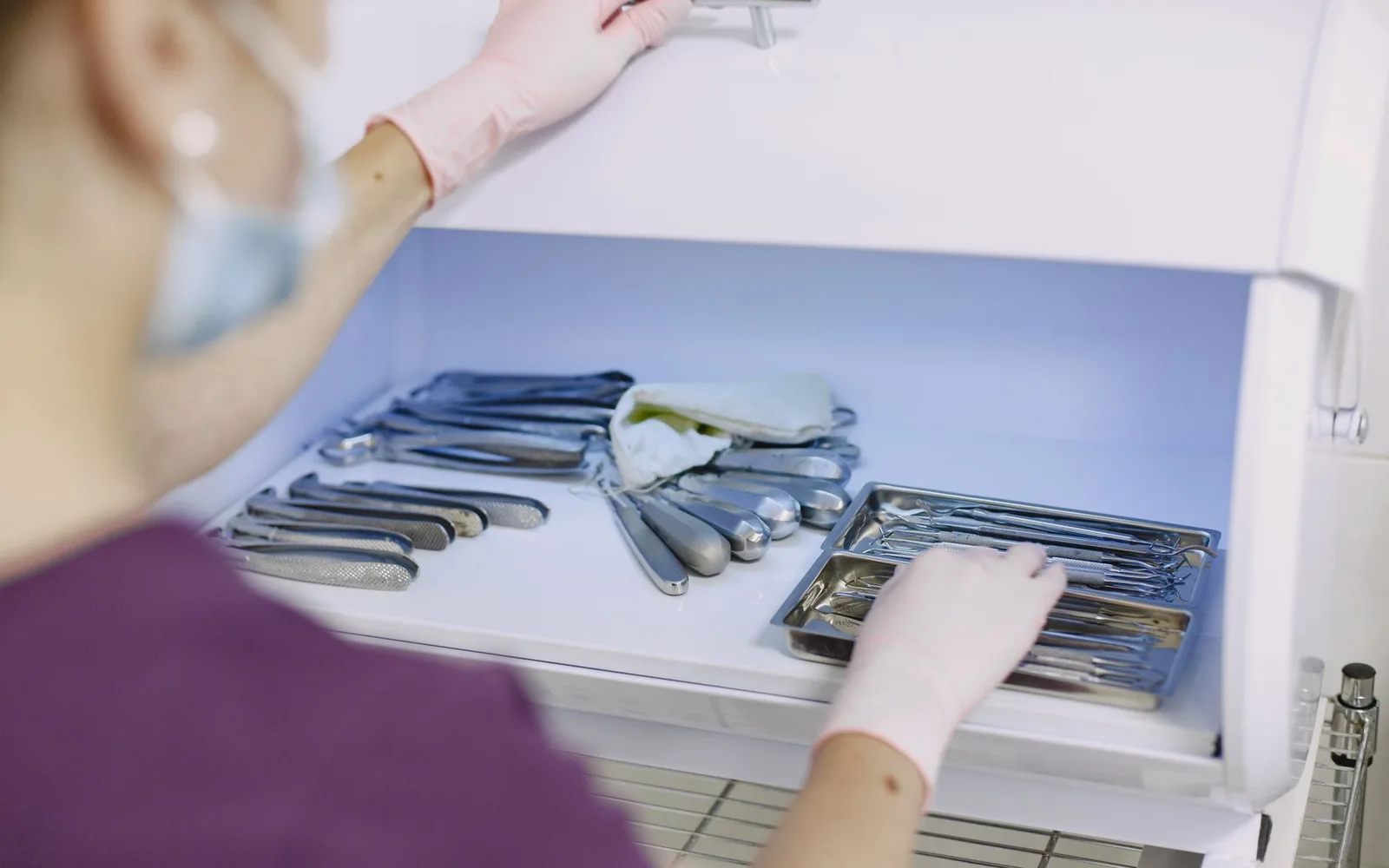
Water tank sterilization in Al Shawqiyah Makkah
Al Shawqiyah is a mixed residential district in western Makkah containing villas, apartment blocks and shopping complexes. Tanks here accumulate sediment and bacteria due to variable water quality and long pipe runs from pumping stations. Sterilization requires understanding the mix of rooftop and underground tanks in buildings of different sizes and heights.
-
Potable-rated materials
Linings and disinfectants cleared for drinking water tanks, not general-purpose products.
-
You get the downtime first
How many hours the tank is out of service, told before we start rather than after we finish.
-
A first-draw flush
We run the first draw off after refilling, and the tank is not handed back until the water runs clear.
-
Ground and roof tanks
Villas, apartment blocks and premises that need a written record of each visit.
Why the job is different in Al Shawqiyah
Tanks in Al Shawqiyah serve buildings of varying heights and populations, which affects the frequency of cleaning and sterilization cycles. The method is set out in full on the full Water tank sterilization page.
Villas with separate underground and rooftop tanks
Most villas in Al Shawqiyah have an underground tank below ground level and a rooftop tank. The underground tank is exposed to soil moisture and mould, the rooftop to heat and airborne dust and debris.
Apartment blocks with long vertical distribution pipes
Apartment buildings of 4 to 8 storeys share a communal tank with vertical pipes distributing water. These long pipes accumulate sediment and algae, especially in slow-moving sections.
Commercial complexes and schools require faster treatment cycles
Shops, schools and clinics use water intensively throughout the day. Tanks here need faster sterilization cycles because contamination builds up quickly.
Al Shawqiyah on the map
Al Shawqiyah sits about 2 km from Al Kaakiyah and about 2.5 km from Al Malik Fahd.
Open in Google MapsWhat we read inside the tank before anything starts
A densely built mixed residential quarter in western Makkah between Al Misfalah and Wali Al Ahd, with villas, apartment buildings, commercial complexes and schools. It is bounded by King Fahd Road to the west and Ibrahim Al Khalil Road to the east.
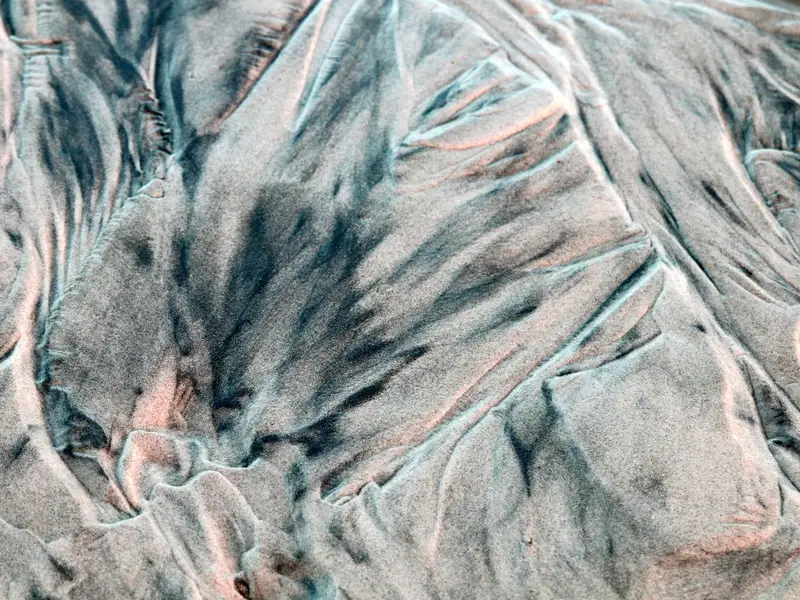
Sediment on the floor
Silt and sand settle at the tank floor, especially in underground tanks exposed to sediment-bearing water from wells or the public network.
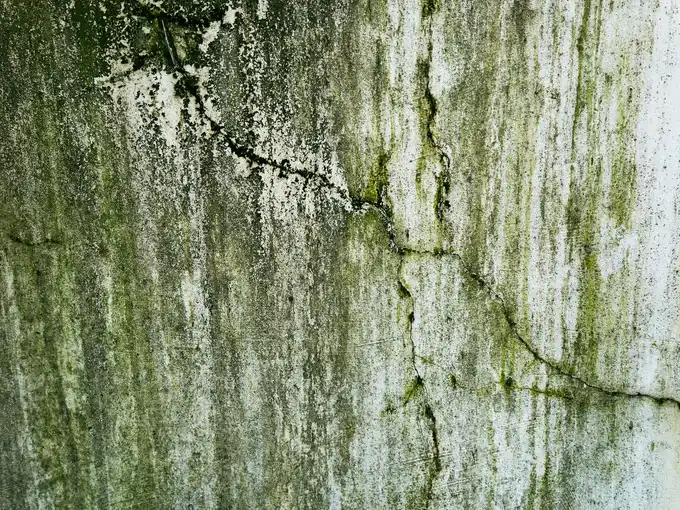
The slime film on the wall
Algae and bacteria grow on tank walls and inside vertical pipes, especially where light and heat are present.
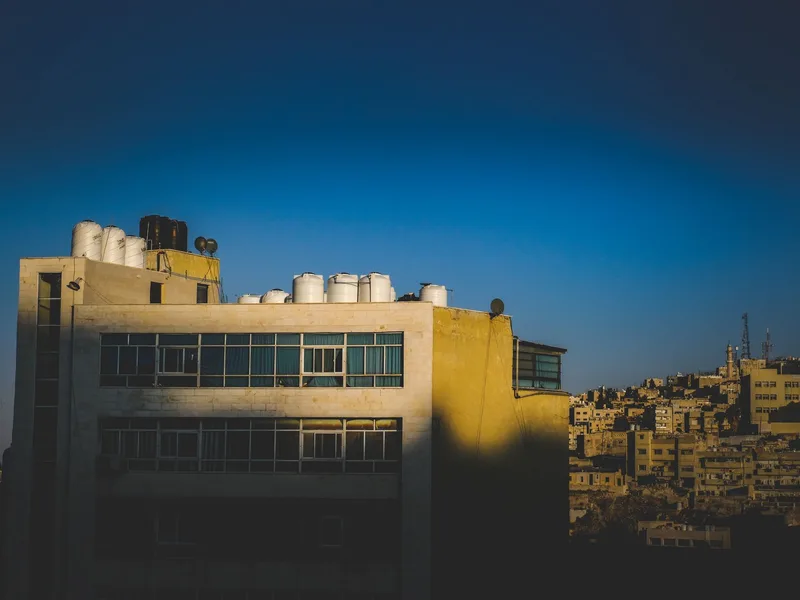
Light and heat
Scale and sediment accumulate in horizontal and vertical pipes, slowing water flow and causing foul odours.
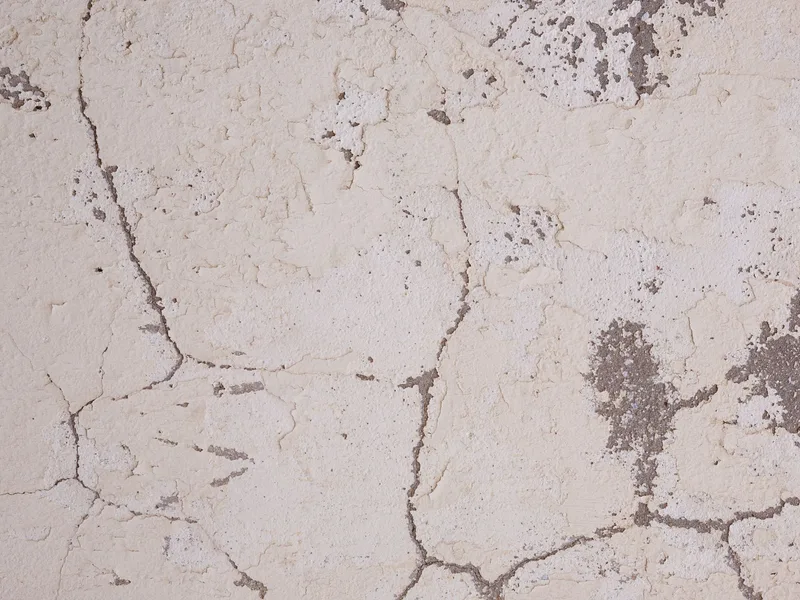
The lining and any cracking
Moisture and stagnant water in underground tanks create ideal conditions for bacteria and fungi.
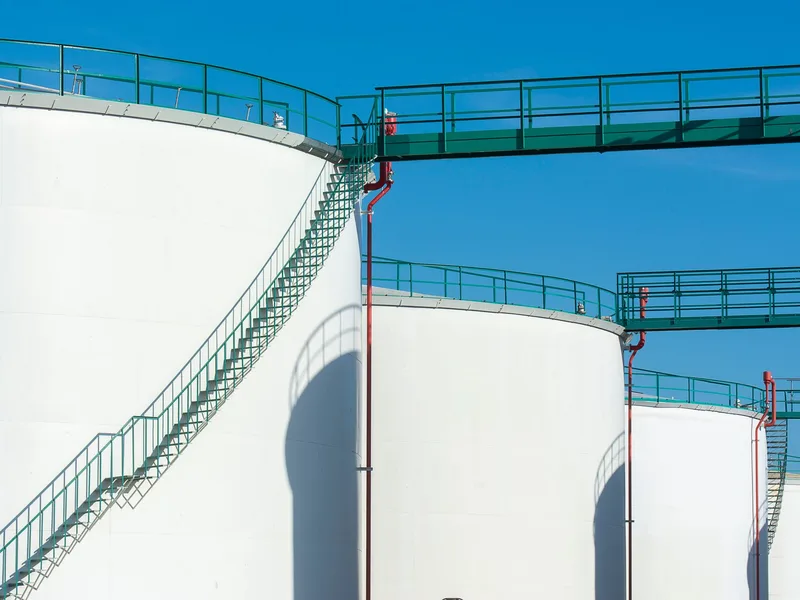
The lid and the openings
Rooftop tanks are exposed to dust, dirt, birds and insects, especially in exposed villa settings.

What shows up at the tap
Foul water odour and cloudy water indicate bacterial or fungal growth and require immediate sterilization.
How we work
-
1
Inspect and record the condition
We open the hatch and work through what the tank is made of and how big it is, how deep the sediment lies, the state of the lining, whether the lid and the overflow seal, and whether there is a crack that has to be repaired before any sterilizing.
-
2
Drain and lift the sediment out
The water goes out, then the silt and sand are lifted off the floor by suction rather than pushed toward the outlet, because pushing them sends them into the house pipework and the heater.
-
3
High pressure wash
Walls, floor, corners and the area around the outlet, until the slime film is completely gone. This is the step that makes the sterilizing after it mean anything.
-
4
Sterilize, rinse, then return to service
The sterilizing agent goes onto the walls, the floor and the underside of the lid and is left for its contact time, then we rinse, refill and run the furthest tap until the whole line is clear.
What water tank sterilization includes
-

A recorded inspection
Material, capacity, sediment depth, the state of the lining, the lid and the overflow, all before any work begins.
-

Draining and sediment removal
The water out, and the silt and sand lifted off the floor instead of being pushed into the outlet and the house pipework.
-

High pressure washing
Walls, corners and around the outlet, until the biofilm that no disinfectant penetrates has gone.
-
Sterilizing the internal surfaces
A sterilizing agent meant for drinking water tanks, applied to the walls, the floor and the underside of the lid, and left for its contact time.
-

Line flush and aftercare
Rinse, refill and a flush from the furthest tap, when the water is usable again, and what to change in the filter afterwards.
-

The next cycle
We agree the right interval for your tank from how it is filled, how much sun it takes and the condition of the lid.
The character of Al Shawqiyah
Mixed district: shops at street level with homes above them
Al Shawqiyah is a mixed quarter combining private villas, shared apartment blocks and commercial premises. This means tanks vary in size, type and use intensity, so treatment requires individual assessment of each building according to its type, pressure and capacity.
Questions about this district
Do a villa's underground and rooftop tanks need separate sterilization?
Yes, each tank needs independent treatment. The underground tank accumulates soil-borne sediment, the rooftop tank collects airborne debris.
How many times per year should a villa tank in Al Shawqiyah be sterilized?
Typically at least twice per year. But if water appears cloudy or has an odour, sterilization should happen immediately.
Do long pipes in apartment blocks need special treatment?
Yes, sediment builds up in long and slow-moving pipes. The tank must be fully drained and pipes flushed throughout.
Does school water need more frequent sterilization than a villa?
Yes, heavy daily use speeds up contamination. Schools need faster and more regular sterilization cycles.
What is the difference between tank sterilization and pipe cleaning?
Tank sterilization removes sediment and bacteria from walls and the floor. Pipe cleaning removes deposits from inside the pipes themselves.
Does the technician fully empty the tank or only partially?
Complete sterilization requires full drainage. If old water remains, the treatment will not be effective.
How much does water tank sterilization in Al Shawqiyah cost?
It is set after the inspection, because the price follows the type of infestation, the size of the space, how far it has spread and the number of visits it needs. Send a photo and a description on WhatsApp and we will give you an estimate before we reach Al Shawqiyah.
Nearby districts we cover
Other services in Al Shawqiyah
Other services we provide to residents of Al Shawqiyah.
-
 Water tanks
Water tank cleaning
-
 Water tanks
Water tank sealing
-
 Water tanks
Tank leak repair
-
 Residential
Cockroach control
Need water tank sterilization in Al Shawqiyah? Tell us what you saw and we will tell you what it needs
We reach Al Shawqiyah at a time we agree, and you get the full cost before we start.