
Water tank sterilization in Al Manar Jeddah
Al Manar is a mixed quarter holding villas and modest apartment blocks side by side, with shopping centres like Al Manar Plaza and Al Yasmin Mall serving the district and surrounding areas. Tanks here vary between individual villa tanks and shared apartment building tanks, both requiring regular sterilization because heavy and varied usage leaves sediment and biofilm.
-
Potable-rated materials
Linings and disinfectants cleared for drinking water tanks, not general-purpose products.
-
You get the downtime first
How many hours the tank is out of service, told before we start rather than after we finish.
-
A first-draw flush
We run the first draw off after refilling, and the tank is not handed back until the water runs clear.
-
Ground and roof tanks
Villas, apartment blocks and premises that need a written record of each visit.
Why the job is different in Al Manar
Villas and apartment buildings in Al Manar were built two decades or more ago, and tanks face seasonal heavy use particularly in summer and holiday periods. The method is set out in full on the full Water tank sterilization page.
Household tanks in villas vary in size and age
Villas in Al Manar have roof tanks and ground tanks in different sizes, some old with rust and seepage marks. Biofilm accumulates quickly because household use leaves organic sediment.
Shared apartment building tanks serve dozens of units
Residential buildings have large shared tanks on roofs or in basements. Heavy and varied use accelerates sediment and sludge buildup.
Summer and holiday seasons increase tank demand
In summer and official holidays water consumption rises due to heat and visitors. Tanks fill and drain rapidly, leaving sediment and activating microbial growth.
Landmarks of Al Manar
Al Manar extends between Hada Al Sham Road to the north and Al Samir district to the south alongside the expressway. Shopping centres such as Al Manar Plaza and Al Yasmin Mall are clear landmarks marking service zones within the quarter.
- Hada Al Sham Road
- Al Manar Street
- Al Manar Park
- Al Salihin Mosque
- Al Manar Plaza
- Al Yasmin Mall
What we read inside the tank before anything starts
A mixed residential quarter east of the expressway, stretching from Hada Al Sham Road in the north to Al Samir district in the south, with shopping centres including Al Manar Plaza and Al Yasmin Mall.
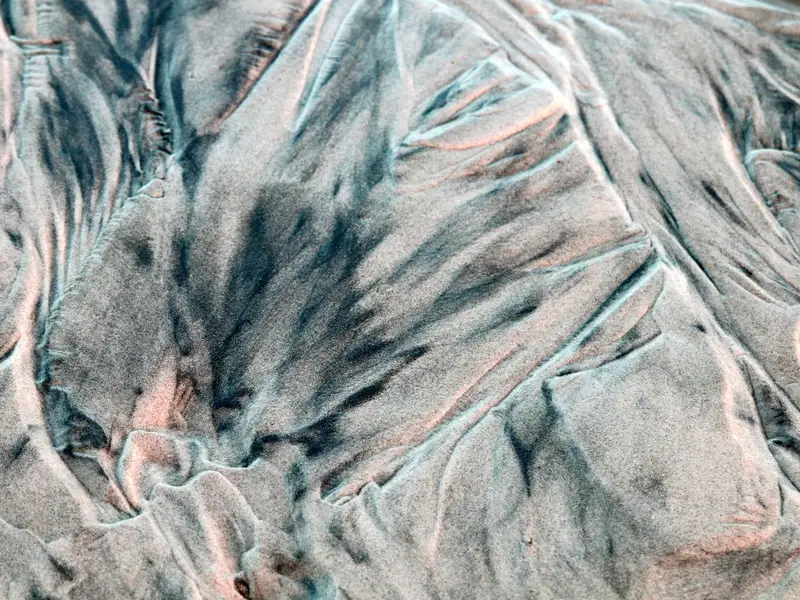
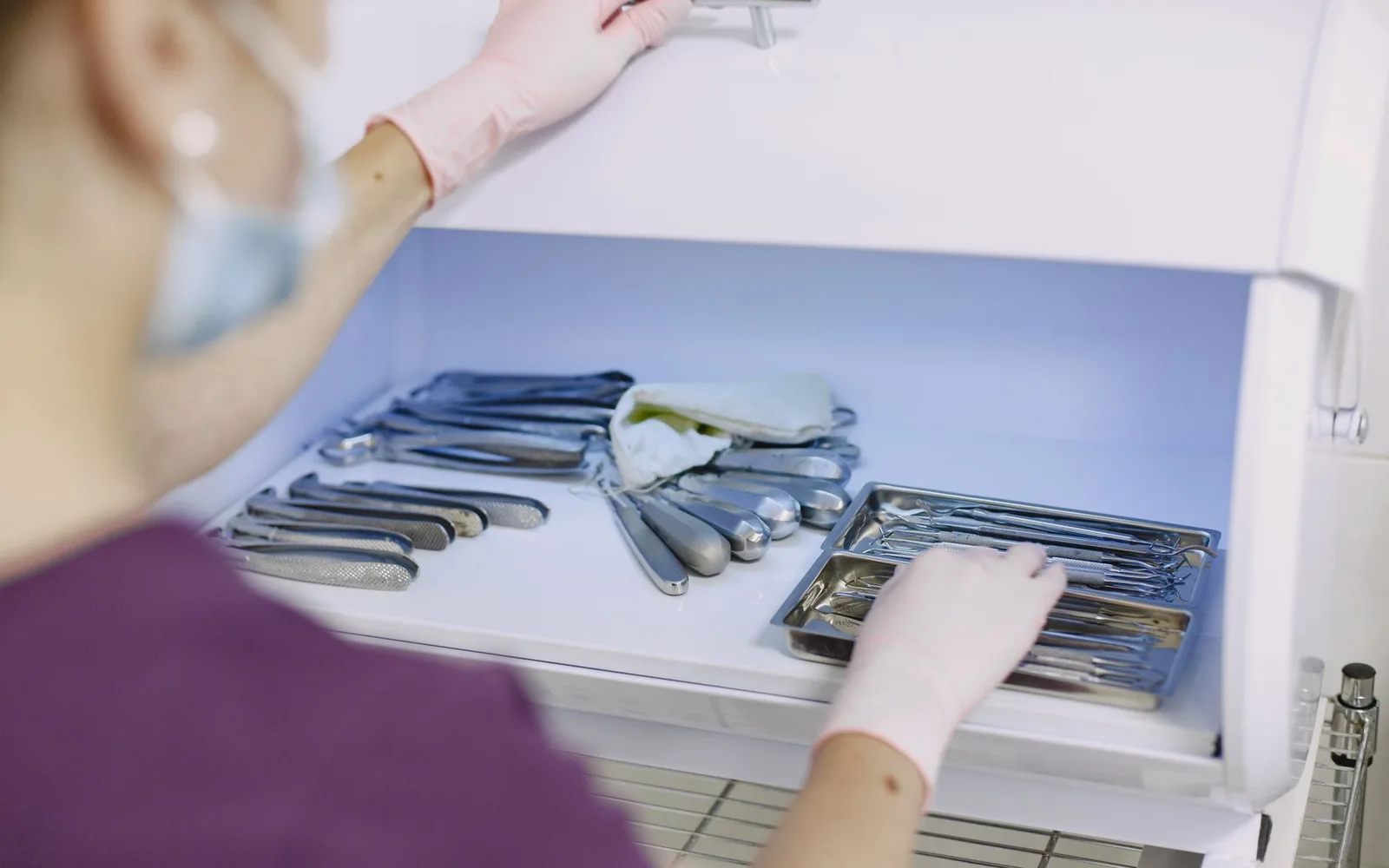
Sediment on the floor
Brown and grey sediment accumulates at the tank base due to dissolved minerals in hard water and oxidation.
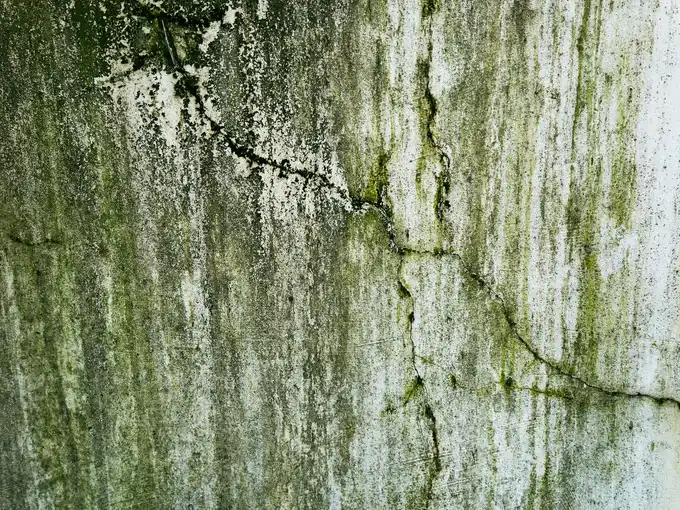
The slime film on the wall
Biofilm grows on tank walls and underwater due to light, warmth and organic matter from household use.
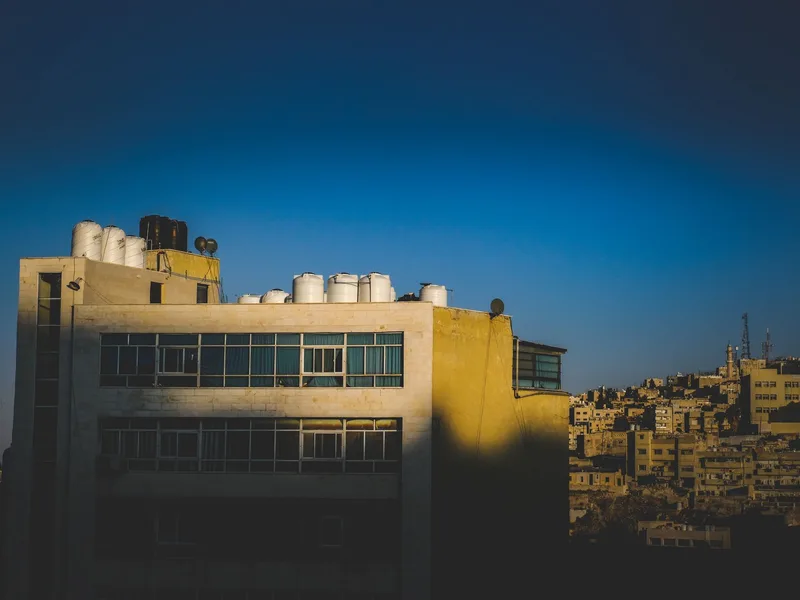
Light and heat
Horizontal pipes and taps retain sediment and stagnant water, so sterilization must reach lines from the furthest point.
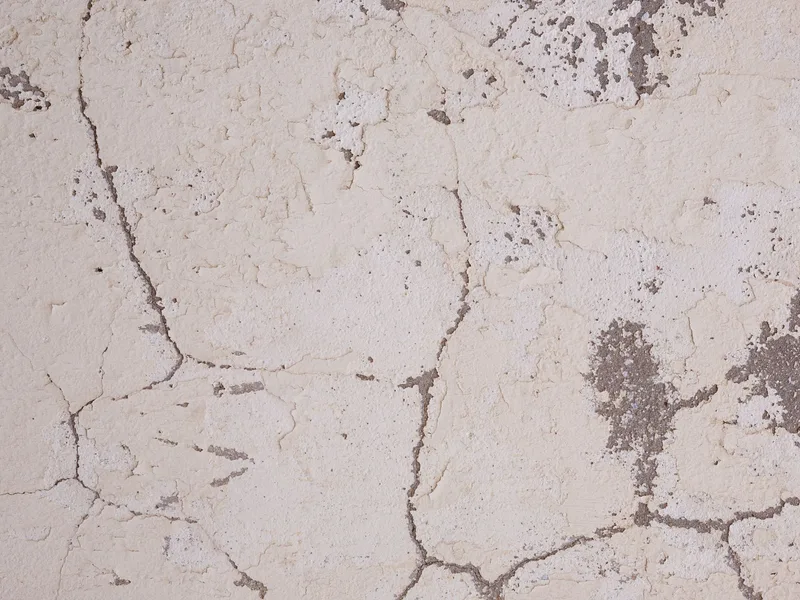
The lining and any cracking
Humidity and heat inside the tank in summer provide active conditions for bacterial and algal growth.
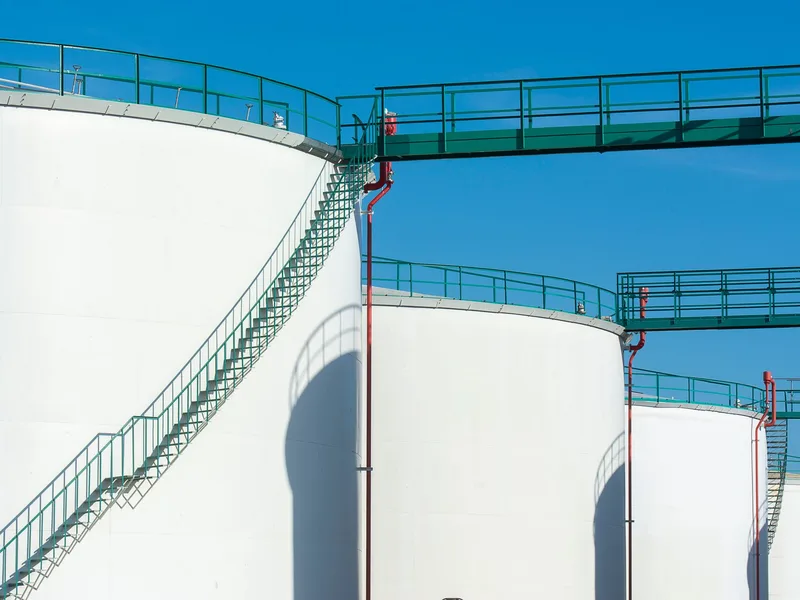
The lid and the openings
The tank base is where sludge and heavy residue concentrate most, and pressure removal is essential to clean it.

What shows up at the tap
Remaining disinfectant traces must be flushed completely from pipes and taps because heavy use alone does not clear them.
How we work
-
1
Inspect and record the condition
We open the hatch and work through what the tank is made of and how big it is, how deep the sediment lies, the state of the lining, whether the lid and the overflow seal, and whether there is a crack that has to be repaired before any sterilizing.
-
2
Drain and lift the sediment out
The water goes out, then the silt and sand are lifted off the floor by suction rather than pushed toward the outlet, because pushing them sends them into the house pipework and the heater.
-
3
High pressure wash
Walls, floor, corners and the area around the outlet, until the slime film is completely gone. This is the step that makes the sterilizing after it mean anything.
-
4
Sterilize, rinse, then return to service
The sterilizing agent goes onto the walls, the floor and the underside of the lid and is left for its contact time, then we rinse, refill and run the furthest tap until the whole line is clear.
What water tank sterilization includes
-

A recorded inspection
Material, capacity, sediment depth, the state of the lining, the lid and the overflow, all before any work begins.
-

Draining and sediment removal
The water out, and the silt and sand lifted off the floor instead of being pushed into the outlet and the house pipework.
-

High pressure washing
Walls, corners and around the outlet, until the biofilm that no disinfectant penetrates has gone.
-
Sterilizing the internal surfaces
A sterilizing agent meant for drinking water tanks, applied to the walls, the floor and the underside of the lid, and left for its contact time.
-

Line flush and aftercare
Rinse, refill and a flush from the furthest tap, when the water is usable again, and what to change in the filter afterwards.
-

The next cycle
We agree the right interval for your tank from how it is filled, how much sun it takes and the condition of the lid.
What is different about Briman Sub-Municipality
Briman sub-municipality sits east of the Haramain expressway on Jeddah's north eastern edge. Its older quarters are planned grids of villas and walk-up flats, while the outer districts are new subdivisions still being built out. Seasonal wadis such as Wadi Umm Hablain and Wadi Al Asla cross the area, groundwater runs high in places, and drainage networks in the newer districts are incomplete, so soil around foundations stays damp. Vacant plots, live building sites and constant dust give crawling insects and rodents easy routes into homes, and the food outlets along the main arteries keep them supplied.
Questions about this district
Do tanks in villas and apartments need different sterilization methods?
Yes. Villa tanks are smaller and easier to access, but apartment tanks are larger and require longer wash and sterilization cycles.
What causes brown sediment to appear at the tank base?
Sediment comes from dissolved minerals in the water, oxidation and dead microorganisms. Hard and warm water accelerate its accumulation.
Is chemical sterilization alone enough without mechanical washing?
No. Thick biofilm and sediment do not die from disinfectant alone; they must be removed by pressure washing first.
Do new tanks need sterilization?
Yes, even new tanks contain manufacturing residue, transport dirt and storage dust. First sterilization is essential before heavy use.
How often per year should a tank be sterilized?
Heavy usage in Al Manar requires sterilization every three or four months, more than in less dense quarters.
Does treatment remove strange taste from the water?
If the taste comes from sediment and biofilm, yes washing and sterilization remove it. If from dissolved minerals in the source water, sterilization does not solve it but improves overall quality.
How much does water tank sterilization in Al Manar cost?
It is set after the inspection, because the price follows the type of infestation, the size of the space, how far it has spread and the number of visits it needs. Send a photo and a description on WhatsApp and we will give you an estimate before we reach Al Manar.
Nearby districts we cover
Other services in Al Manar
Other services we provide to residents of Al Manar.
-
 Water tanks
Water tank cleaning
-
 Water tanks
Water tank sealing
-
 Water tanks
Tank leak repair
-
 Residential
Cockroach control
Need water tank sterilization in Al Manar? Tell us what you saw and we will tell you what it needs
We reach Al Manar at a time we agree, and you get the full cost before we start.