
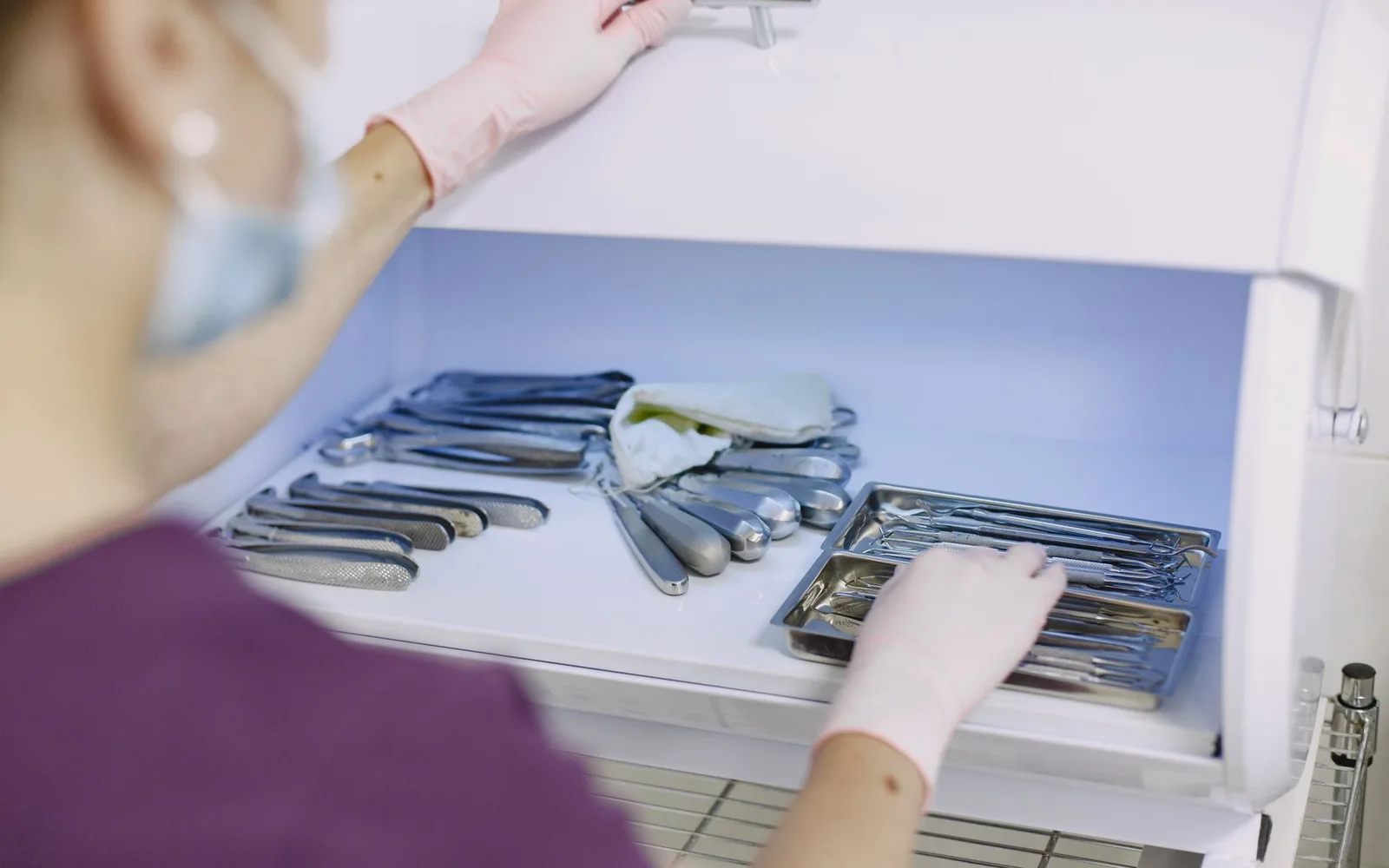
Water tank sterilization in Al Samir Jeddah
Al Samir is a planned residential district east of the Haramain expressway, laid out on a wide central avenue containing villas and apartment buildings side by side. The walkway, park, popular market and medical complexes at main junctions serve daily community needs. Our tanks here serve a balanced mix of residential, medical and commercial use.
-
Potable-rated materials
Linings and disinfectants cleared for drinking water tanks, not general-purpose products.
-
You get the downtime first
How many hours the tank is out of service, told before we start rather than after we finish.
-
A first-draw flush
We run the first draw off after refilling, and the tank is not handed back until the water runs clear.
-
Ground and roof tanks
Villas, apartment blocks and premises that need a written record of each visit.
Why the job is different in Al Samir
Tanks in Al Samir supply relatively stable water because the district is newly planned and main supply lines are comparatively recent. The method is set out in full on the full Water tank sterilization page.
Medical complexes and high-standard water purity
Medical complexes in Al Samir require very high water quality standards. Their tanks are held to strict health requirements and even light sediment may affect patients and medical equipment.
Popular market and repeated heavy use
The popular market operates daily at high intensity, with shops, restaurants and stalls consuming heavy water loads. Repeated high-pressure draw causes rapid sediment buildup and tank wear.
Balanced villas and apartment buildings with moderate use
Villas and buildings in Al Samir are designed with good architectural balance and tanks of proportionate size. Use is moderate and stable but requires regular sterilization.
The character of Al Samir
Mixed district: shops at street level with homes above them
A balanced mix of villas and apartment buildings creates varied usage patterns. Medical complexes however impose much higher standards than ordinary residential use. Our treatment must account for this diversity while meeting strict medical facility requirements especially for the complexes.
What we read inside the tank before anything starts
A planned residential district east of the Haramain expressway on Ankara Street and Al Samir main avenue, containing villas and apartment buildings with walkways, park, popular market and medical complexes at main junctions.
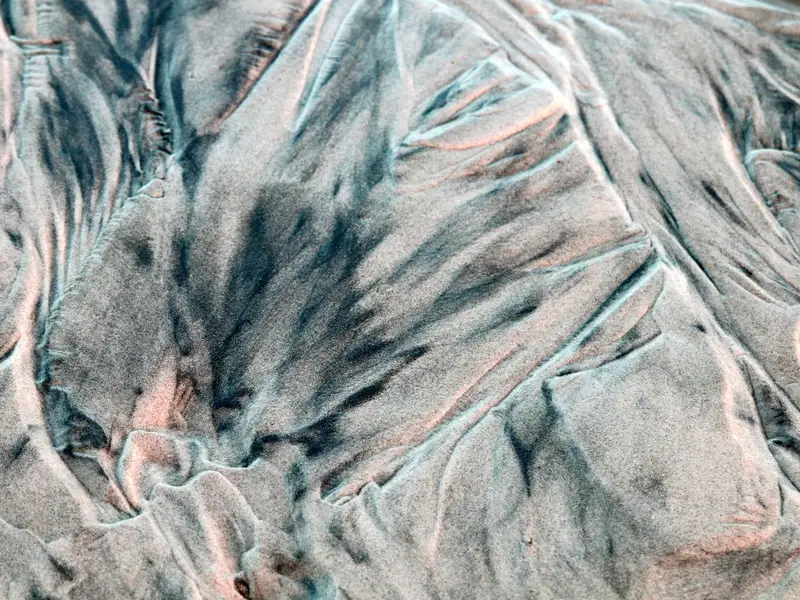
Sediment on the floor
Sediment in Al Samir is relatively light compared to older areas but accumulates in villas and buildings without regular cleaning.
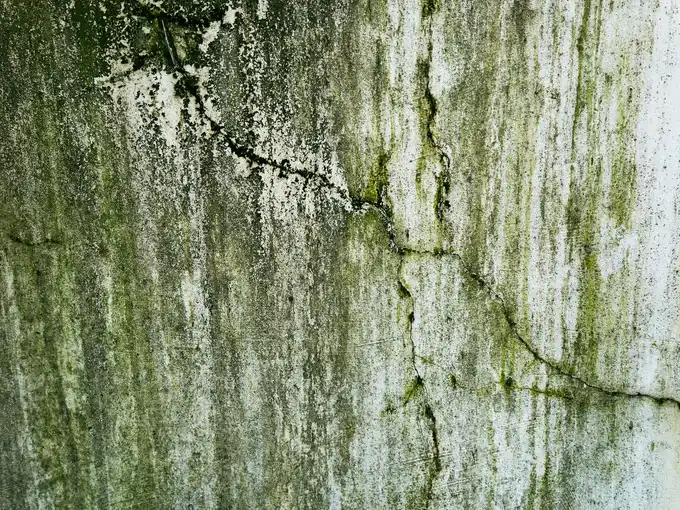
The slime film on the wall
Biofilm and algae grow on tank walls, especially in tanks exposed to light or lacking proper insulation.
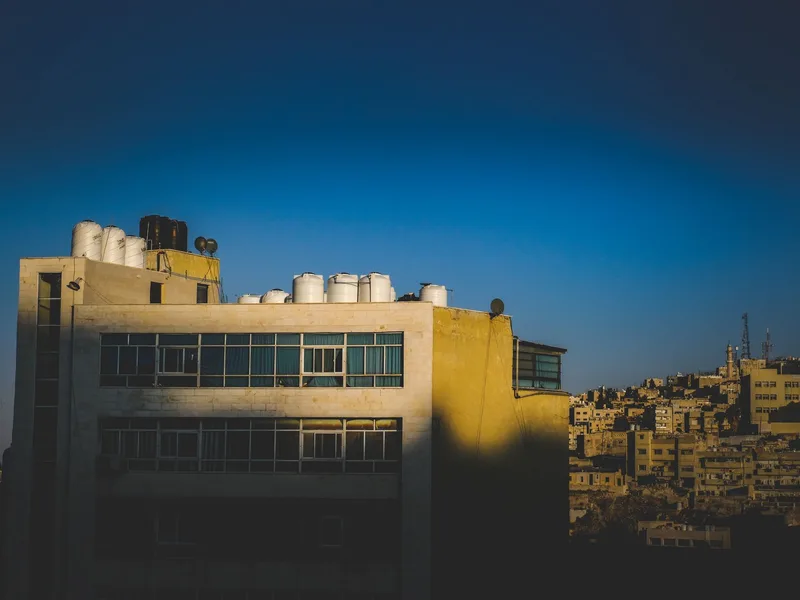
Light and heat
Distribution lines from tanks to medical complex and market outlets must be inspected for deposits.
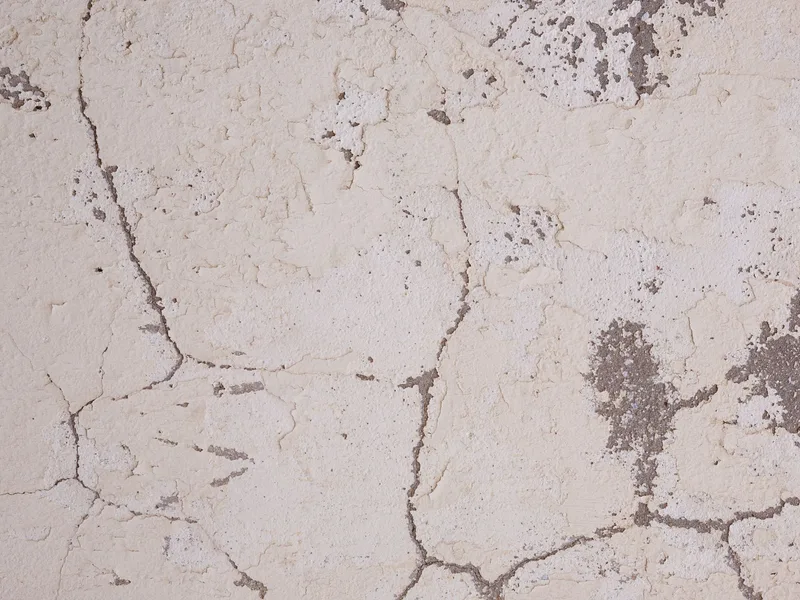
The lining and any cracking
Moisture and standing water in the tank provide ideal growing conditions for microorganisms, especially in tanks handling warm water.
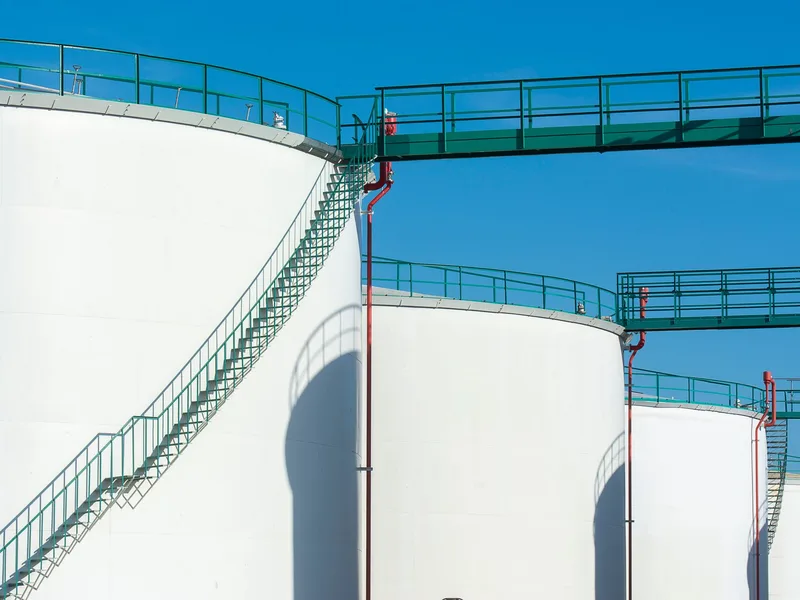
The lid and the openings
Tanks in the planned district may contain lighter amounts of heavy sediment, but bacteria may be present.

What shows up at the tap
Bacterial count in medical complex tanks must be zero or near zero after sterilization.
How we work
-
1
Inspect and record the condition
We open the hatch and work through what the tank is made of and how big it is, how deep the sediment lies, the state of the lining, whether the lid and the overflow seal, and whether there is a crack that has to be repaired before any sterilizing.
-
2
Drain and lift the sediment out
The water goes out, then the silt and sand are lifted off the floor by suction rather than pushed toward the outlet, because pushing them sends them into the house pipework and the heater.
-
3
High pressure wash
Walls, floor, corners and the area around the outlet, until the slime film is completely gone. This is the step that makes the sterilizing after it mean anything.
-
4
Sterilize, rinse, then return to service
The sterilizing agent goes onto the walls, the floor and the underside of the lid and is left for its contact time, then we rinse, refill and run the furthest tap until the whole line is clear.
What water tank sterilization includes
-

A recorded inspection
Material, capacity, sediment depth, the state of the lining, the lid and the overflow, all before any work begins.
-

Draining and sediment removal
The water out, and the silt and sand lifted off the floor instead of being pushed into the outlet and the house pipework.
-

High pressure washing
Walls, corners and around the outlet, until the biofilm that no disinfectant penetrates has gone.
-
Sterilizing the internal surfaces
A sterilizing agent meant for drinking water tanks, applied to the walls, the floor and the underside of the lid, and left for its contact time.
-

Line flush and aftercare
Rinse, refill and a flush from the furthest tap, when the water is usable again, and what to change in the filter afterwards.
-

The next cycle
We agree the right interval for your tank from how it is filled, how much sun it takes and the condition of the lid.
What is different about Briman Sub-Municipality
Briman sub-municipality sits east of the Haramain expressway on Jeddah's north eastern edge. Its older quarters are planned grids of villas and walk-up flats, while the outer districts are new subdivisions still being built out. Seasonal wadis such as Wadi Umm Hablain and Wadi Al Asla cross the area, groundwater runs high in places, and drainage networks in the newer districts are incomplete, so soil around foundations stays damp. Vacant plots, live building sites and constant dust give crawling insects and rodents easy routes into homes, and the food outlets along the main arteries keep them supplied.
Questions about this district
Do medical complexes require completely different treatment?
Yes. Water purity at medical complexes must exceed standard residential levels. We follow stricter sterilization protocols and may run additional tests.
Why do popular market tanks get dirty faster?
The market runs under high pressure and long hours, and repeated draw spikes increase sediment. Vegetable and food residue may enter through lines.
Does a newly planned district mean cleaner tanks?
Relatively yes. Supply lines and tanks are newer and less corroded. But regular sterilization remains necessary even for newer systems.
How often should the market tank be sterilized?
At least every three months due to heavy use. Medical complexes may need service every two months.
Is sediment in a new-district tank different from older areas?
Yes. Sediment is lighter and less concentrated in new districts because lines and tanks are new. But biofilm grows at the same rate.
Should villas and apartment buildings have separate treatment?
It is preferable. Each tank has slightly different use patterns and sediment profiles. Separate treatment ensures better results.
How much does water tank sterilization in Al Samir cost?
It is set after the inspection, because the price follows the type of infestation, the size of the space, how far it has spread and the number of visits it needs. Send a photo and a description on WhatsApp and we will give you an estimate before we reach Al Samir.
Nearby districts we cover
Other services in Al Samir
Other services we provide to residents of Al Samir.
-
 Water tanks
Water tank cleaning
-
 Water tanks
Water tank sealing
-
 Water tanks
Tank leak repair
-
 Residential
Cockroach control
Need water tank sterilization in Al Samir? Tell us what you saw and we will tell you what it needs
We reach Al Samir at a time we agree, and you get the full cost before we start.