
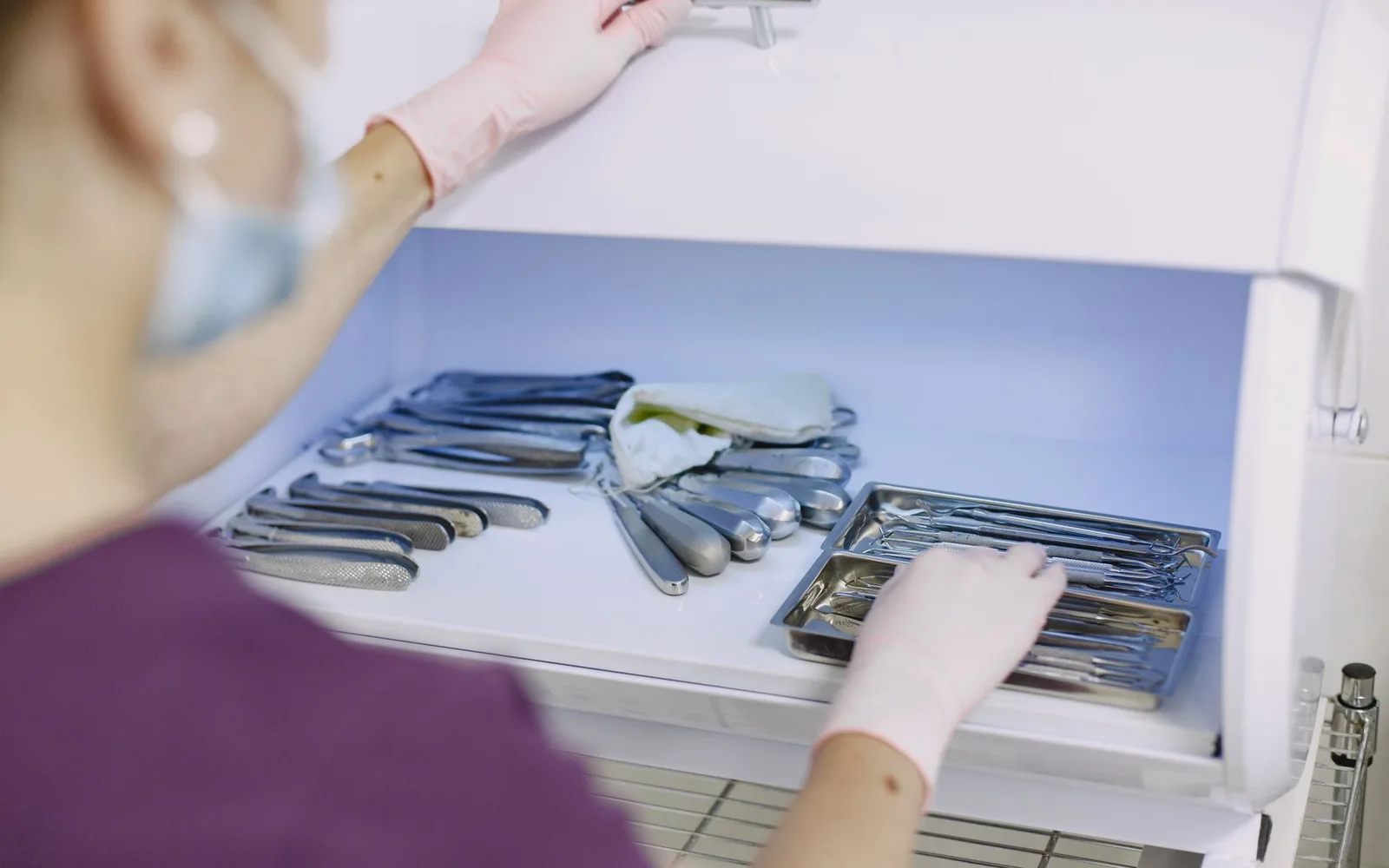
Water tank sterilization in Al Naeem Jeddah
Al Naeem is a thoroughly commercial district in northern Jeddah, packed with restaurants, hotels and shops along Hira Street and Al Naeem Street. Water tanks in these establishments carry a high daily load and face seasonal demand swings. Regular sterilization is essential to maintain water safety in a congested commercial environment.
-
Potable-rated materials
Linings and disinfectants cleared for drinking water tanks, not general-purpose products.
-
You get the downtime first
How many hours the tank is out of service, told before we start rather than after we finish.
-
A first-draw flush
We run the first draw off after refilling, and the tank is not handed back until the water runs clear.
-
Ground and roof tanks
Villas, apartment blocks and premises that need a written record of each visit.
Why the job is different in Al Naeem
Restaurants and hotels in Al Naeem consume large volumes of water daily, leaving mineral residue and thick algae films on tank walls and floors. The method is set out in full on our Water tank sterilization service.
Restaurant and hotel tanks accumulate heavy deposits
Restaurants and hotels use water intensively for cooking, washing and bathrooms. Tanks collect mineral and organic sediment and thick sludge layers requiring mechanical extraction.
Food retail outlets demand high sanitary standards
Food shops, hotels and cafes face regular health inspections. Their tanks need thorough sterilization and strong pressure washing to remove biofilm layers.
Elevated tanks exposed to heat accelerate deposit formation
Rooftop tanks in these premises face intense solar heat. High temperatures speed algae and bacterial growth and promote calcium scaling.
The character of Al Naeem
Commercial area: offices, showrooms and small stores
A commercial district means most tanks sit in restaurants, hotels and shops. These establishments consume high water volumes and demand strict sanitary standards, so treatment requires stronger deposit removal and more frequent sterilization cycles than residential tanks.
What we read inside the tank before anything starts
A commercial district between Madinah Road and Prince Sultan Road north of Al Balad, where restaurants, hotels and retail shops occupy the main frontages while inner blocks house residential apartments and villas.
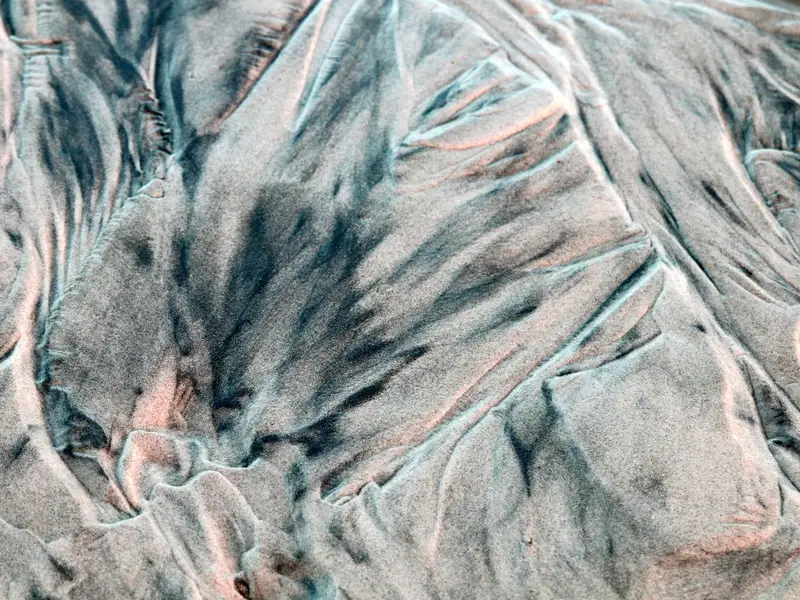
Sediment on the floor
Brown and grey sediment coats the floor and walls, especially in restaurants and hotels consuming high daily volumes.
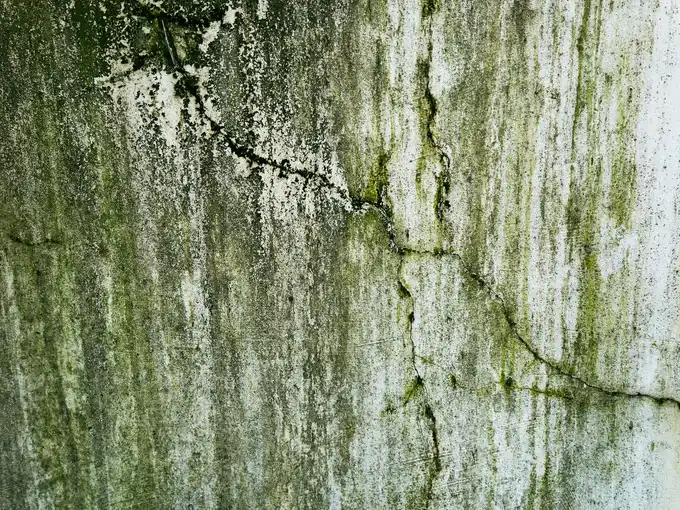
The slime film on the wall
Biofilm and green algae cover the inner surfaces and pipe ends, caused by constant moisture and high heat from commercial building rooftops.
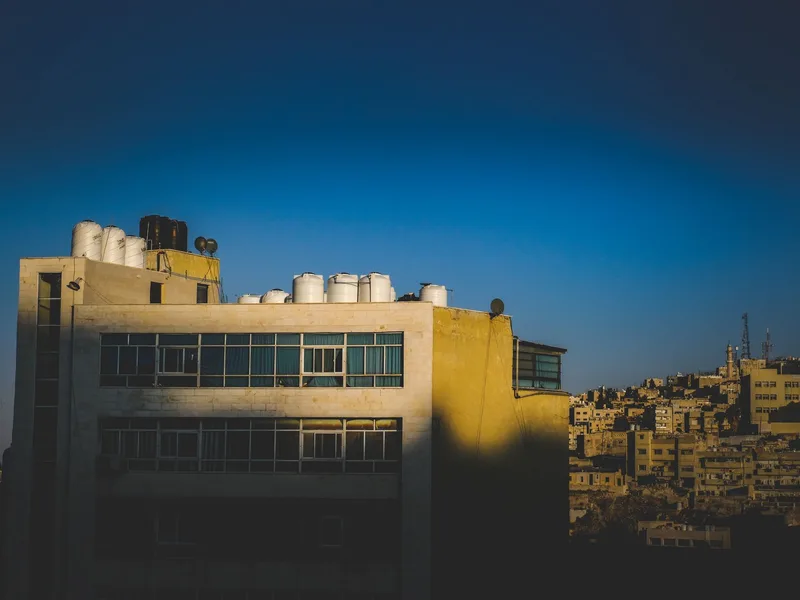
Light and heat
Distribution pipes from tank to distant taps in restaurants and hotels need strong flushing to remove accumulated deposits.
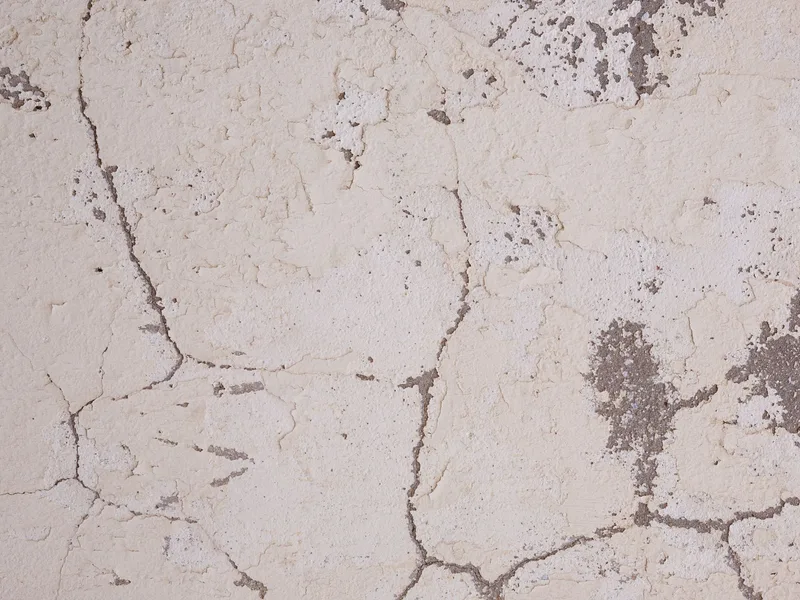
The lining and any cracking
Moisture and heat from heavy use and sun exposure create ideal conditions for bacterial and algal growth.
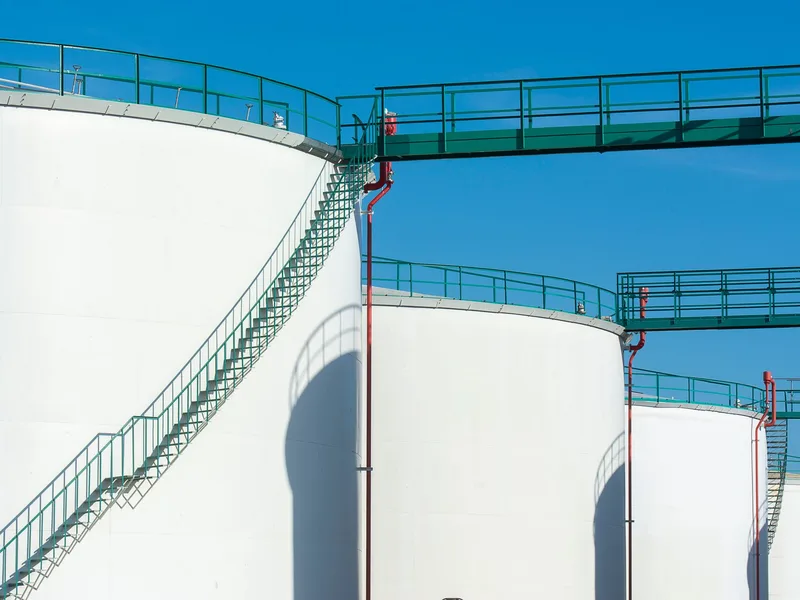
The lid and the openings
Deposits build quickly on commercial tank floors because high load leaves mineral and organic residue.
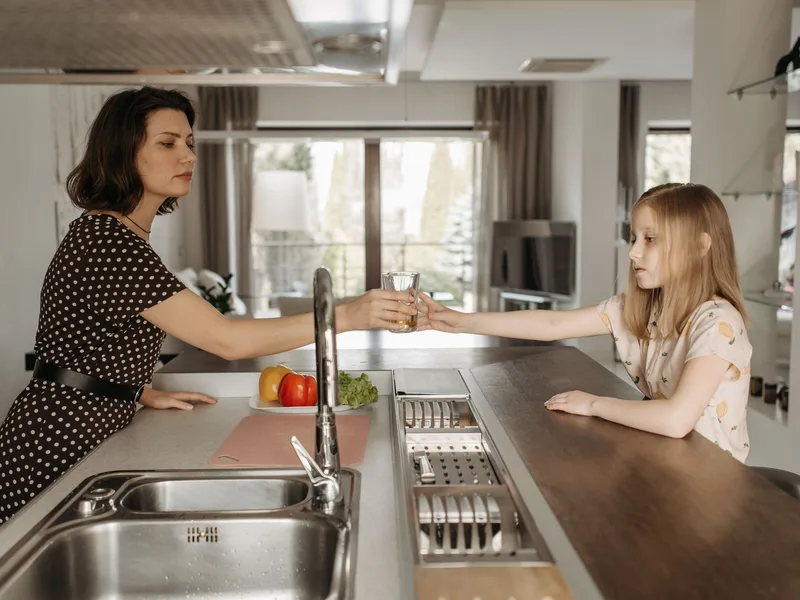
What shows up at the tap
Contamination signs show as foul odour and off-taste in water, most obvious during light-use hours like early morning.
How we work
-
1
Inspect and record the condition
We open the hatch and work through what the tank is made of and how big it is, how deep the sediment lies, the state of the lining, whether the lid and the overflow seal, and whether there is a crack that has to be repaired before any sterilizing.
-
2
Drain and lift the sediment out
The water goes out, then the silt and sand are lifted off the floor by suction rather than pushed toward the outlet, because pushing them sends them into the house pipework and the heater.
-
3
High pressure wash
Walls, floor, corners and the area around the outlet, until the slime film is completely gone. This is the step that makes the sterilizing after it mean anything.
-
4
Sterilize, rinse, then return to service
The sterilizing agent goes onto the walls, the floor and the underside of the lid and is left for its contact time, then we rinse, refill and run the furthest tap until the whole line is clear.
What water tank sterilization includes
-

A recorded inspection
Material, capacity, sediment depth, the state of the lining, the lid and the overflow, all before any work begins.
-

Draining and sediment removal
The water out, and the silt and sand lifted off the floor instead of being pushed into the outlet and the house pipework.
-

High pressure washing
Walls, corners and around the outlet, until the biofilm that no disinfectant penetrates has gone.
-
Sterilizing the internal surfaces
A sterilizing agent meant for drinking water tanks, applied to the walls, the floor and the underside of the lid, and left for its contact time.
-

Line flush and aftercare
Rinse, refill and a flush from the furthest tap, when the water is usable again, and what to change in the filter afterwards.
-

The next cycle
We agree the right interval for your tank from how it is filled, how much sun it takes and the condition of the lid.
What is different about Obhur Sub-Municipality
Obhur sub-municipality runs along Jeddah's northern shoreline from Al Shati up to Obhur Creek. It mixes large villas and gated compounds with busy commercial spines of restaurants, cafes, markets and hotels. Sea humidity is high for most of the year and salt laden breezes keep timber and render damp, while irrigated gardens and lawns surround the corniche and the villa plots. Standing irrigation water, dense planting and food waste from the hospitality strip suit cockroaches, mosquitoes and ants, and the chalets and rest houses scattered along the creek stand empty for long spells, which lets insects and rodents settle undisturbed.
Questions about this district
Why do restaurant and hotel tanks need sterilization more often than residential tanks?
Restaurants and hotels consume large volumes at high velocity, leaving more residue and growing bacteria faster. Health standards require regular sterilization cycles.
Does high rooftop heat make tank problems worse?
Yes. Heat speeds algae growth and calcium scaling. Elevated tanks in direct sun need more frequent sterilization.
What causes the thick deposits in commercial tanks?
High daily consumption leaves mineral and organic residue. Hard water and slow circulation allow these deposits to settle on the floor and walls.
Is sterilization alone enough or must deposits be lifted first?
Lifting deposits comes first. Sterilization alone will not remove biofilms and algae; pressure washing is essential before sterilization.
Do hotels and restaurants need different treatment than apartment buildings?
Yes. The load is higher and use is continuous. They require more frequent sterilization cycles and stricter health standards.
Does treating one tank improve water taste and smell immediately?
Usually yes. If the smell comes from algae and bacteria, thorough washing and sterilization remove it straight away.
How much does water tank sterilization in Al Naeem cost?
It is set after the inspection, because the price follows the type of infestation, the size of the space, how far it has spread and the number of visits it needs. Send a photo and a description on WhatsApp and we will give you an estimate before we reach Al Naeem.
Nearby districts we cover
Other services in Al Naeem
Other services we provide to residents of Al Naeem.
-
 Water tanks
Water tank cleaning
-
 Water tanks
Water tank sealing
-
 Water tanks
Tank leak repair
-
 Residential
Cockroach control
Need water tank sterilization in Al Naeem? Tell us what you saw and we will tell you what it needs
We reach Al Naeem at a time we agree, and you get the full cost before we start.