
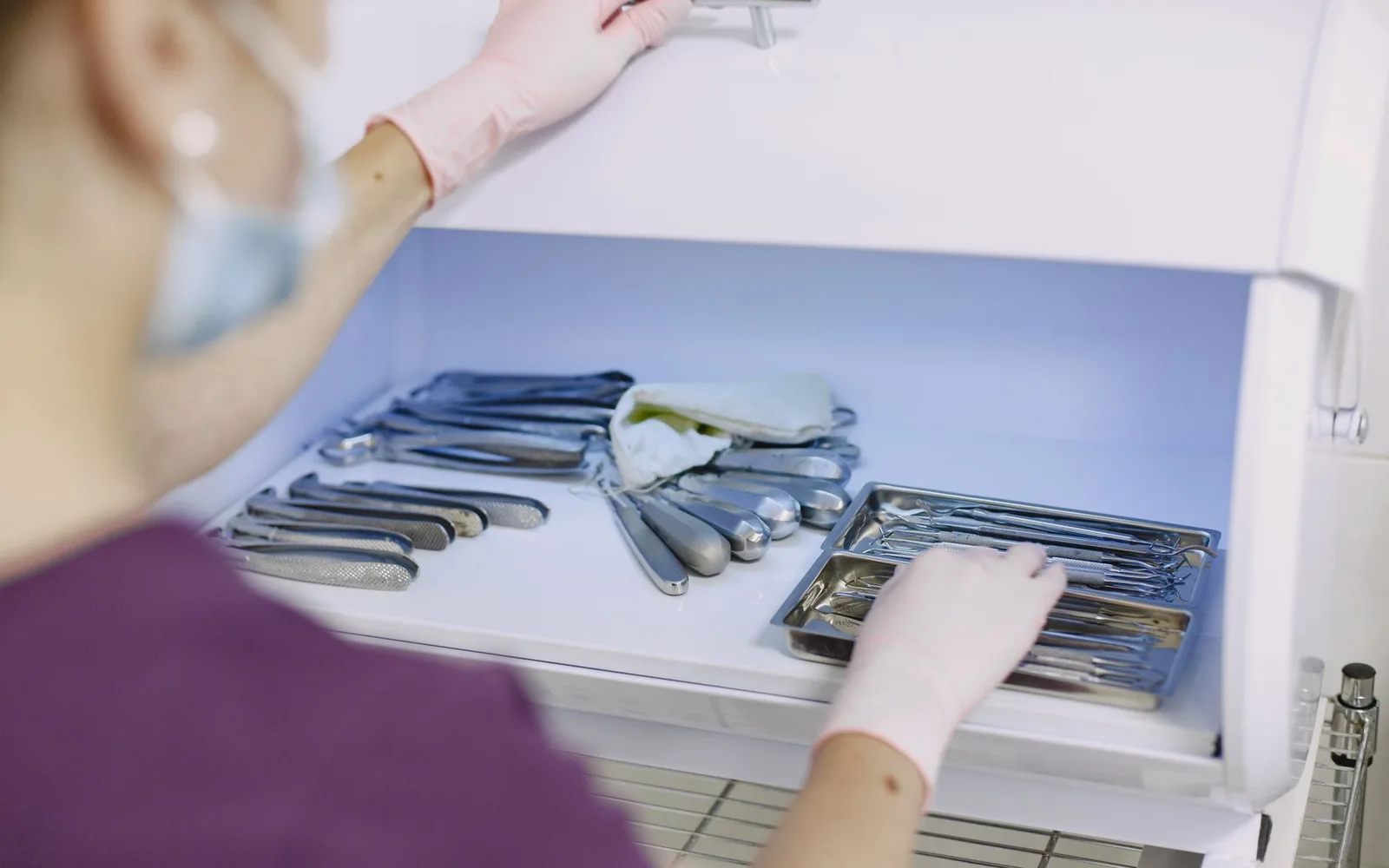
Water tank sterilization in Al Shati Jeddah
Al Shati is a coastal district directly on the Jeddah Corniche, lined with large hotels, the floating Al Rahmah Mosque and the open-air Al Shati Market. Tanks here face salt spray, sea winds and very high humidity. Hotels need higher sterilization rates because consumption is heavy.
-
Potable-rated materials
Linings and disinfectants cleared for drinking water tanks, not general-purpose products.
-
You get the downtime first
How many hours the tank is out of service, told before we start rather than after we finish.
-
A first-draw flush
We run the first draw off after refilling, and the tank is not handed back until the water runs clear.
-
Ground and roof tanks
Villas, apartment blocks and premises that need a written record of each visit.
Why the job is different in Al Shati
Large hotels and resorts consume vast quantities of water daily and tanks need frequent regular cleaning. The method is set out in full on what Water tank sterilization involves.
Salt spray and high humidity attack tanks
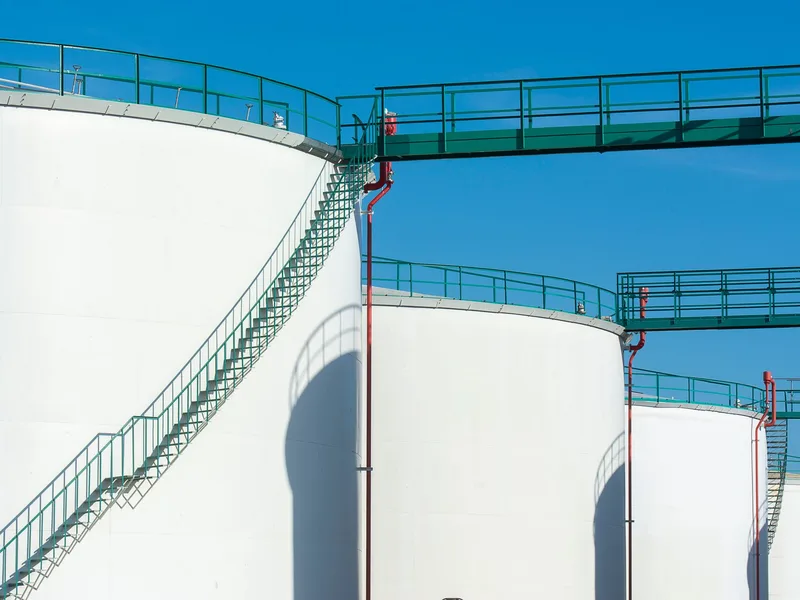
Tanks on hotel roofs face direct salt mist and spray. The harsh marine environment causes rapid metal corrosion and bacteria thrive in the humidity.
Hotels need huge tanks with high turnover rates
Seafront hotels pump hundreds of thousands of litres daily for bathrooms, restaurants and pools. High consumption means water stays less time in the tank but fouling happens fast.
High salts and heavy metals from the marine environment
Incoming water may carry elevated salt and heavy metal levels from wells near the shoreline. This increases sediment and deposits at the tank base.
Al Shati on the map
Al Shati sits about 2.5 km from Al Nahdah and about 4.5 km from Al Naeem.
Open in Google MapsWhat we read inside the tank before anything starts
A coastal district on the seafront directly, bounded by King Abdulaziz Road to the east and Al Salamah and Al Zahra to the south and Al Murjan to the north. Hotels, retail shops and waterfront villas dominate.
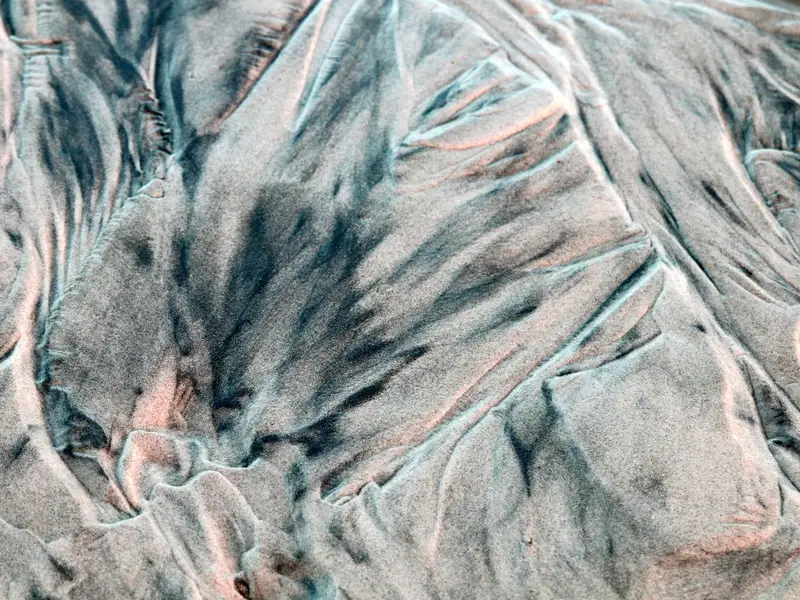
Sediment on the floor
High salt and heavy metals from near-shore wells deposit on tank walls and form a mineral crust.
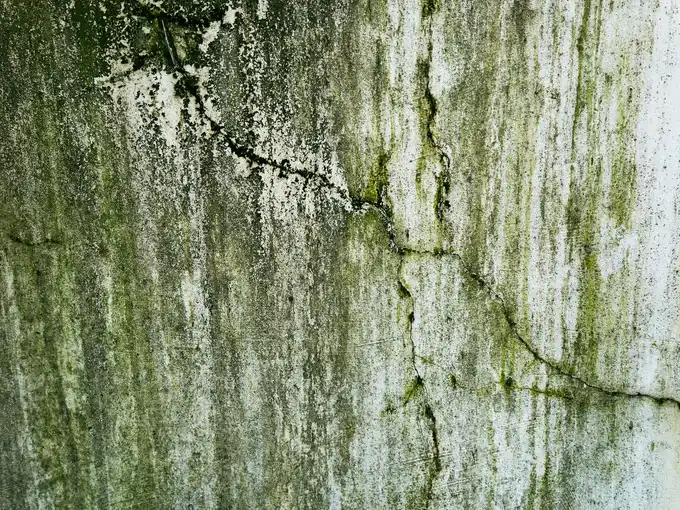
The slime film on the wall
Marine bacteria and algae grow rapidly in high humidity, heat and salt.

Light and heat
Water pipes come from distant plants but salt and humidity enter the tank directly from the air.
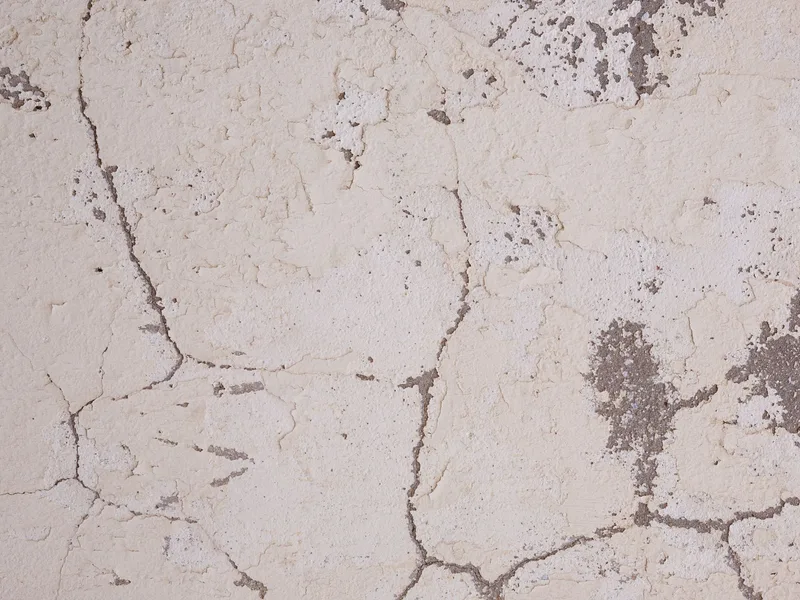
The lining and any cracking
Very high relative humidity on the coast accelerates biofilm and green algae growth.
The lid and the openings
Heavy mineral sediment collects at the tank base because incoming water carries high salt and iron content.

What shows up at the tap
Water left in the tank under intense sun on the coast can trigger rapid algae bloom.
How we work
-
1
Inspect and record the condition
We open the hatch and work through what the tank is made of and how big it is, how deep the sediment lies, the state of the lining, whether the lid and the overflow seal, and whether there is a crack that has to be repaired before any sterilizing.
-
2
Drain and lift the sediment out
The water goes out, then the silt and sand are lifted off the floor by suction rather than pushed toward the outlet, because pushing them sends them into the house pipework and the heater.
-
3
High pressure wash
Walls, floor, corners and the area around the outlet, until the slime film is completely gone. This is the step that makes the sterilizing after it mean anything.
-
4
Sterilize, rinse, then return to service
The sterilizing agent goes onto the walls, the floor and the underside of the lid and is left for its contact time, then we rinse, refill and run the furthest tap until the whole line is clear.
What water tank sterilization includes
-

A recorded inspection
Material, capacity, sediment depth, the state of the lining, the lid and the overflow, all before any work begins.
-

Draining and sediment removal
The water out, and the silt and sand lifted off the floor instead of being pushed into the outlet and the house pipework.
-

High pressure washing
Walls, corners and around the outlet, until the biofilm that no disinfectant penetrates has gone.
-
Sterilizing the internal surfaces
A sterilizing agent meant for drinking water tanks, applied to the walls, the floor and the underside of the lid, and left for its contact time.
-

Line flush and aftercare
Rinse, refill and a flush from the furthest tap, when the water is usable again, and what to change in the filter afterwards.
-

The next cycle
We agree the right interval for your tank from how it is filled, how much sun it takes and the condition of the lid.
The character of Al Shati
Coastal area: high humidity and salt air through the year
Al Shati is a coastal district dense with hotels and resorts. Massive tanks on hotel roofs face direct salt spray, humidity and intense heat. Treatment needs a frequent sterilization schedule and understanding of complex pump systems in large hotels.
Questions about this district
Is sterilizing a hotel tank different from a villa tank?
Yes. Hotels need higher sterilization frequency because consumption is heavy and contaminants enter faster. Public health standards are also stricter.
Why is coastal humidity bad for the tank?
Humidity and salt cause bacteria and algae to grow fast, and the slime film builds up quicker than in inland areas.
Do wells near the beach carry excess salt in the water?
Yes. Wells close to shore may contain elevated salt levels. This deposits in the tank and needs regular flushing.
How often should a hotel tank in Al Shati be sterilized?
We advise sterilization every one to two months because consumption is heavy and contaminants are high in the coastal environment.
Does a hotel's water filtration system reduce the need for sterilization?
Filtration helps but does not eliminate the need for regular sterilization. The tank itself needs separate cleaning and disinfection.
Does recirculated water from swimming pools affect the main tank?
If pools feed from the main tank, the tank must be very clean. Usually hotels run separate tanks for bathrooms and pools.
How much does water tank sterilization in Al Shati cost?
It is set after the inspection, because the price follows the type of infestation, the size of the space, how far it has spread and the number of visits it needs. Send a photo and a description on WhatsApp and we will give you an estimate before we reach Al Shati.
Nearby districts we cover
Other services in Al Shati
Other services we provide to residents of Al Shati.
-
 Water tanks
Water tank cleaning
-
 Water tanks
Water tank sealing
-
 Water tanks
Tank leak repair
-
 Residential
Cockroach control
Need water tank sterilization in Al Shati? Tell us what you saw and we will tell you what it needs
We reach Al Shati at a time we agree, and you get the full cost before we start.