
Water tank sterilization in Al Nuzhah Jeddah
Al Nuzhah is a mixed district in northern Jeddah between Madinah Road and Prince Majid Road, where villas and apartment blocks sit side by side. Tanks here vary widely in age and type, some mounted on the roofs of older buildings and others buried beneath modern villas. Water quality is affected by the humid climate and dust from nearby busy roads.
-
Potable-rated materials
Linings and disinfectants cleared for drinking water tanks, not general-purpose products.
-
You get the downtime first
How many hours the tank is out of service, told before we start rather than after we finish.
-
A first-draw flush
We run the first draw off after refilling, and the tank is not handed back until the water runs clear.
-
Ground and roof tanks
Villas, apartment blocks and premises that need a written record of each visit.
Why the job is different in Al Nuzhah
Tanks in Al Nuzhah range from small roof-mounted units serving villas to large underground tanks serving apartment buildings, and many have not been cleaned for years. The method is set out in full on our Water tank sterilization service.
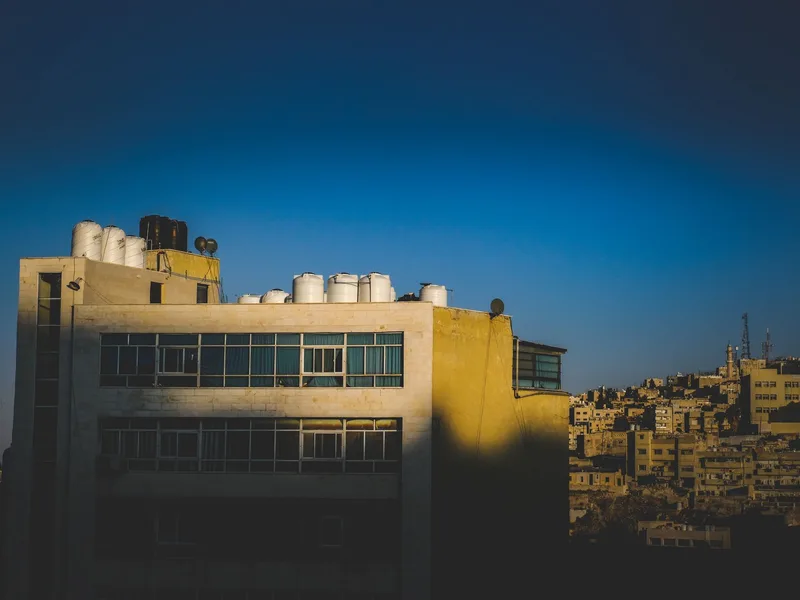
Exposed apartment building roof tanks
Tanks mounted on apartment rooftops in Al Nuzhah face direct wind and dust from the busy Prince Majid Road. The covers are often damaged or poorly sealed.
Deep underground tanks beneath villas
Modern villas in Al Nuzhah contain deep underground tanks, some difficult to access. Moisture causes sediment and algae buildup to accumulate rapidly.
Water affected by city network age and distribution storage
Water from Jeddah's network passes through old pipelines and aged distribution tanks before reaching the district. Household tanks contain residue from the main system.
The character of Al Nuzhah
Mixed district: shops at street level with homes above them
The district's mix of villas and apartment blocks means tank variety is high-age, size and location all differ widely. Older villas may have narrow underground tanks hard to access, while modern buildings have large exposed roof tanks. Assessment of tank condition and location comes before treatment begins.
What we read inside the tank before anything starts
A mixed and densely developed district in northern Jeddah between Madinah Road and Prince Majid Road, containing villas and apartment buildings. Sultan bin Salman Street is the main commercial thoroughfare, and the Mall of Arabia and the Sixtieth Street junction are its best known reference points.
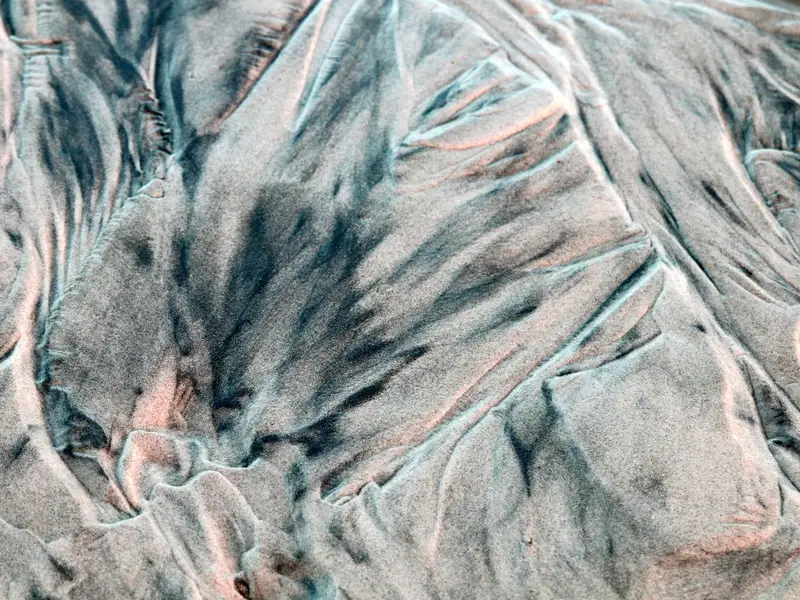
Sediment on the floor
White and brown sediment accumulates on the tank floor and walls from minerals, salts and organic matter carried in the water supply.
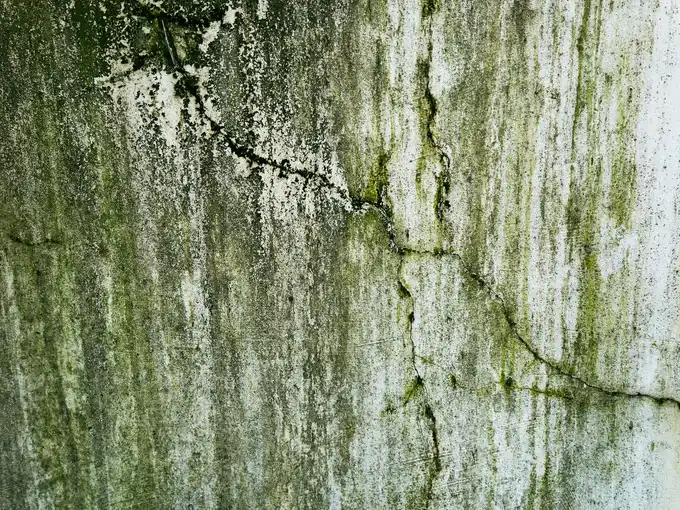
The slime film on the wall
Green slimy algae grows on internal walls, especially in exposed roof tanks and moisture-rich underground tanks.
Light and heat
Old inlet pipes allow sediment and fine contaminants to enter the tank directly from the city network.
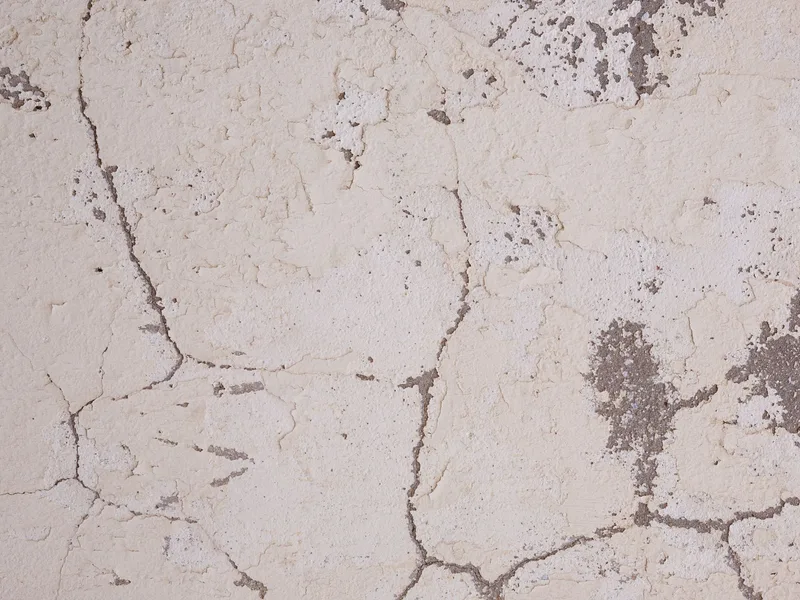
The lining and any cracking
Moisture and heat in underground and roof tanks promote rapid growth of microorganisms and algae.
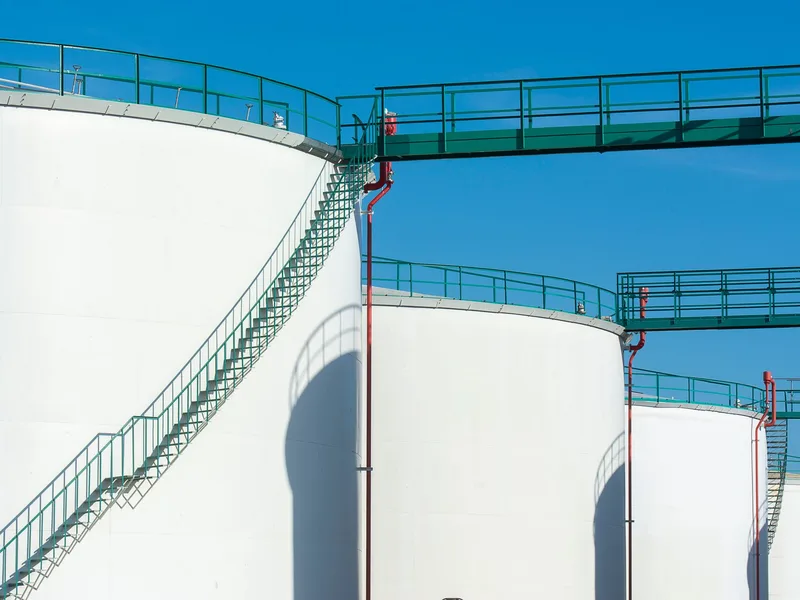
The lid and the openings
Inspection of the tank floor reveals deep sediment and heavy materials that require high-pressure washing to remove.

What shows up at the tap
Inlet and outlet pipes and devices fitted inside the tank need separate inspection and cleaning before the tank is refilled.
How we work
-
1
Inspect and record the condition
We open the hatch and work through what the tank is made of and how big it is, how deep the sediment lies, the state of the lining, whether the lid and the overflow seal, and whether there is a crack that has to be repaired before any sterilizing.
-
2
Drain and lift the sediment out
The water goes out, then the silt and sand are lifted off the floor by suction rather than pushed toward the outlet, because pushing them sends them into the house pipework and the heater.
-
3
High pressure wash
Walls, floor, corners and the area around the outlet, until the slime film is completely gone. This is the step that makes the sterilizing after it mean anything.
-
4
Sterilize, rinse, then return to service
The sterilizing agent goes onto the walls, the floor and the underside of the lid and is left for its contact time, then we rinse, refill and run the furthest tap until the whole line is clear.
What water tank sterilization includes
-

A recorded inspection
Material, capacity, sediment depth, the state of the lining, the lid and the overflow, all before any work begins.
-

Draining and sediment removal
The water out, and the silt and sand lifted off the floor instead of being pushed into the outlet and the house pipework.
-

High pressure washing
Walls, corners and around the outlet, until the biofilm that no disinfectant penetrates has gone.
-
Sterilizing the internal surfaces
A sterilizing agent meant for drinking water tanks, applied to the walls, the floor and the underside of the lid, and left for its contact time.
-

Line flush and aftercare
Rinse, refill and a flush from the furthest tap, when the water is usable again, and what to change in the filter afterwards.
-

The next cycle
We agree the right interval for your tank from how it is filled, how much sun it takes and the condition of the lid.
What is different about Airport Sub-Municipality
The Airport sub-municipality covers some of the oldest established districts of northern Jeddah, gathered around King Abdulaziz International Airport between Madinah Road, King Fahd Road and Prince Majid Road. The stock is villas, single family houses and apartment blocks built decades ago, many served by ageing water and sewer lines. Commercial streets such as Quraish, Sari and Sultan bin Salman are lined with restaurants, furnished flats and popular markets. Dense commercial kitchens, worn pipework and the gaps in older buildings give cockroaches and rodents steady food and shelter, and the high resident population keeps that pressure constant through the year.
Questions about this district
Do roof tanks in Al Nuzhah need sterilization faster than underground tanks?
Yes. Roof tanks face direct dust and sun, so sediment builds up faster. Underground tanks are protected but algae thrives in darkness and moisture.
What causes the white coating inside tank walls in Al Nuzhah?
It is mineral and sediment buildup from running water. Salts and calcium deposit on the walls, and algae grows beneath them.
Is one sterilization per year enough for a tank in this district?
No. Tanks in Al Nuzhah need periodic treatment. Contaminated water from the street and dust enter constantly, and algae returns quickly in roof tanks.
Is it safe to use the water immediately after sterilization?
No. The tank and lines must be flushed thoroughly. Water may retain sterilizing agent residue and needs time before use.
Does tank shape and size affect cleaning and sterilization speed?
Yes. Narrow, deep tanks are harder to clean. Small roof tanks clean faster than large underground tanks.
Does the condition of inlet and outlet pipes matter to sterilization results?
Very much. If pipes are old or corroded, contaminants re-enter after sterilization. We inspect and flush pipes from the furthest outlet.
How much does water tank sterilization in Al Nuzhah cost?
It is set after the inspection, because the price follows the type of infestation, the size of the space, how far it has spread and the number of visits it needs. Send a photo and a description on WhatsApp and we will give you an estimate before we reach Al Nuzhah.
Other services in Al Nuzhah
Other services we provide to residents of Al Nuzhah.
-
 Water tanks
Water tank cleaning
-
 Water tanks
Water tank sealing
-
 Water tanks
Tank leak repair
-
 Residential
Cockroach control
Need water tank sterilization in Al Nuzhah? Tell us what you saw and we will tell you what it needs
We reach Al Nuzhah at a time we agree, and you get the full cost before we start.