
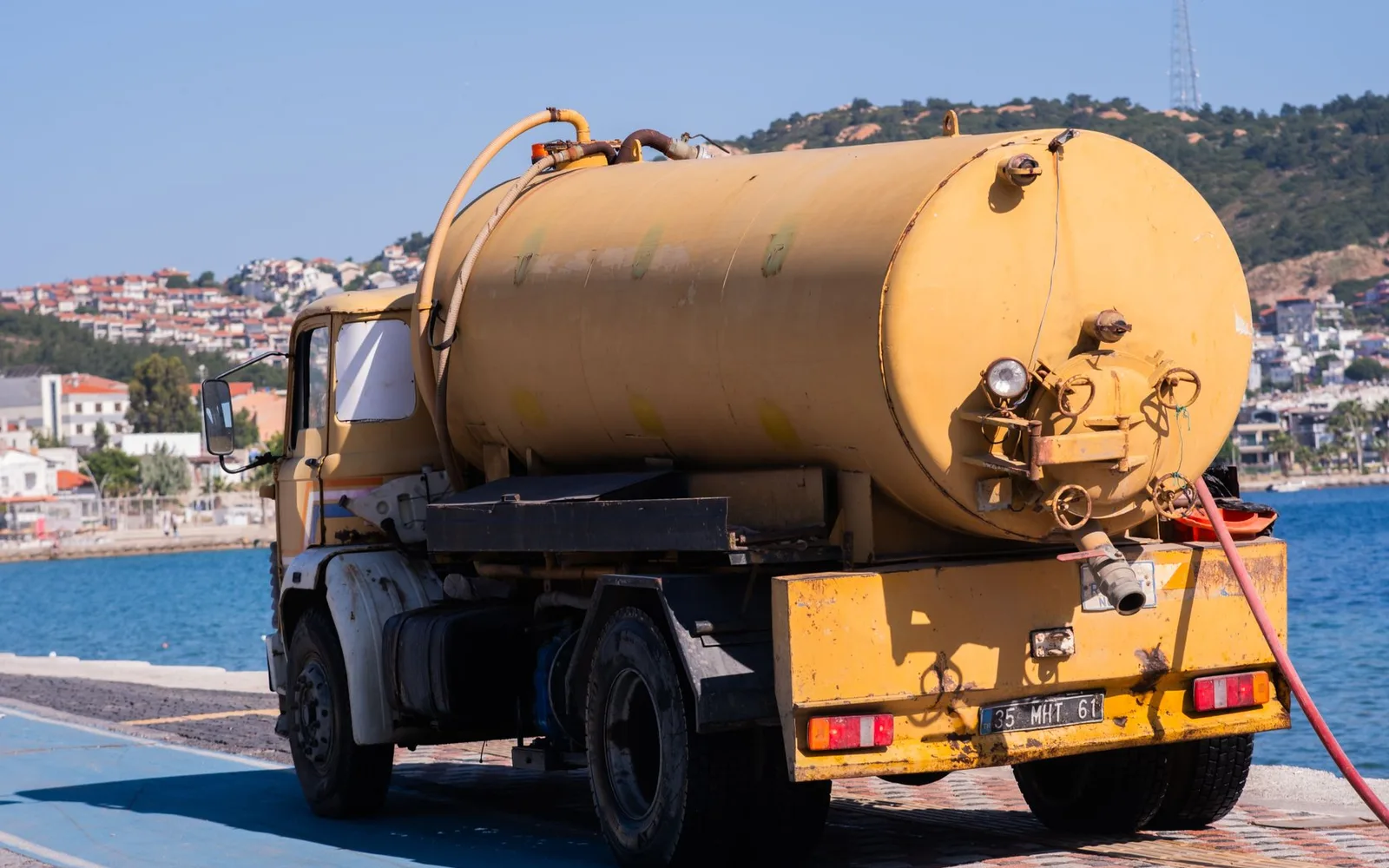
Water tank sealing in Al Nuzhah Jeddah
Al Nuzhah is a mixed quarter of apartment buildings and villas, and many residents depend on elevated and underground water tanks to store mains supply. The water here is mineral-rich and old concrete tanks degrade from within quickly, causing leaks and water loss.
-
Potable-rated materials
Linings and disinfectants cleared for drinking water tanks, not general-purpose products.
-
You get the downtime first
How many hours the tank is out of service, told before we start rather than after we finish.
-
A first-draw flush
We run the first draw off after refilling, and the tank is not handed back until the water runs clear.
-
Ground and roof tanks
Villas, apartment blocks and premises that need a written record of each visit.
Why the job is different in Al Nuzhah
Most residential buildings here date from the 1970s and 1980s, and the original concrete tanks show interior cracking and corrosion. The method is set out in full on what Water tank sealing involves.
Old villas with weakened elevated tanks
Villas in Al Nuzhah were built thirty years ago or more, and the elevated tanks on roofs face direct sun and intense heat. The interior lining has cracked and water seeps from joints and cracks.
Apartment blocks and deep underground tanks
Newer apartment buildings use deep underground tanks beneath ground floors. These tanks face constant pressure and ground moisture, causing slow seepage through the tank walls.
High mineral content and scale buildup
Water in Al Nuzhah is rich in minerals and lime, and salt deposits have accumulated on tank linings for years. This accelerates decay and damages joints and pipe entries.
The character of Al Nuzhah
Mixed district: shops at street level with homes above them
Al Nuzhah is mixed with old villas and modern apartment blocks, meaning tank types and problems vary. Villas require elevated tank treatment and heat mitigation, while apartment blocks focus on underground tank pressure and seepage. Each type needs a different inspection and repair approach.
What we read before any material is opened
A mixed residential quarter in northern Jeddah between Madinah Road and Prince Majid Road, containing older villas, apartment blocks and retail shops. King Fahd Road runs through it and Sixtieth Street serves as the main commercial spine.
Cracking in the wall
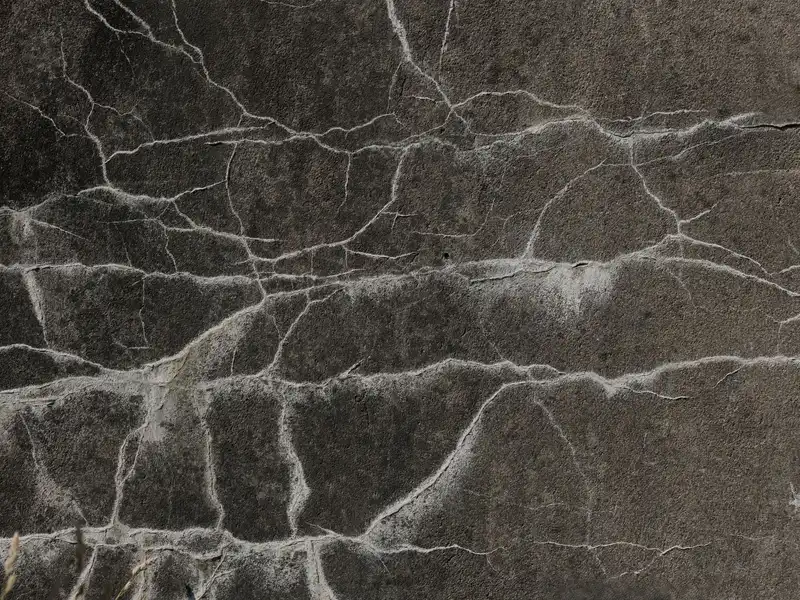
Concrete crack inspection focuses on walls and floor, especially corners and areas exposed to direct sun on villas.
The floor to wall joint
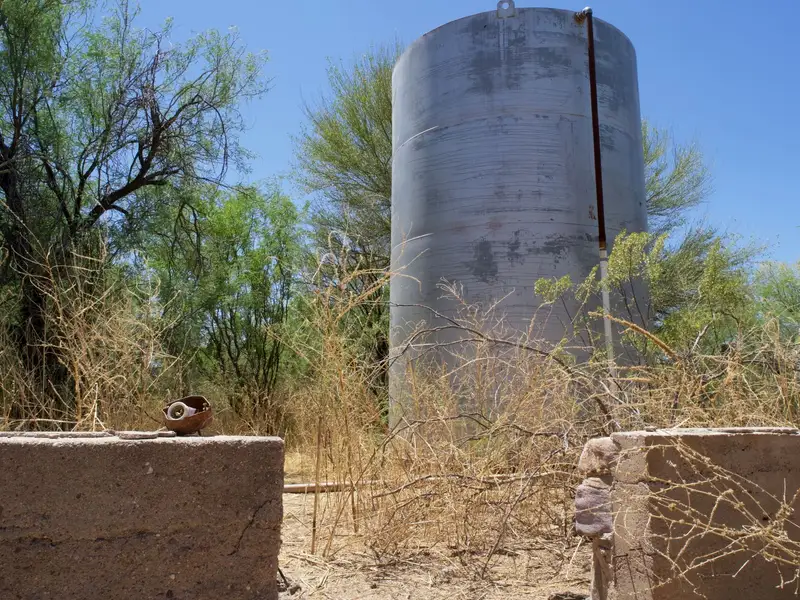
The joint between tank wall and floor is the primary leak point, especially in underground tanks under pressure.
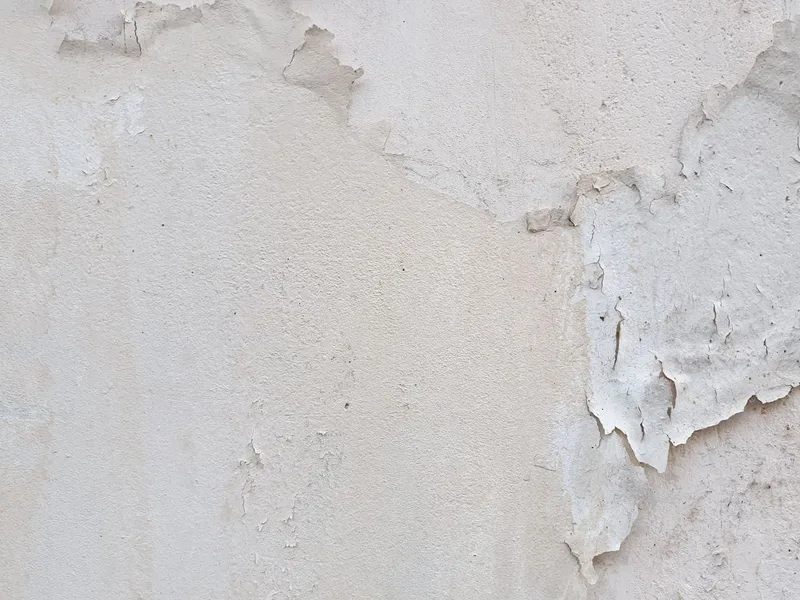
The condition of the old lining
Pipe entries and openings need close inspection because pipes were often poorly installed decades ago.
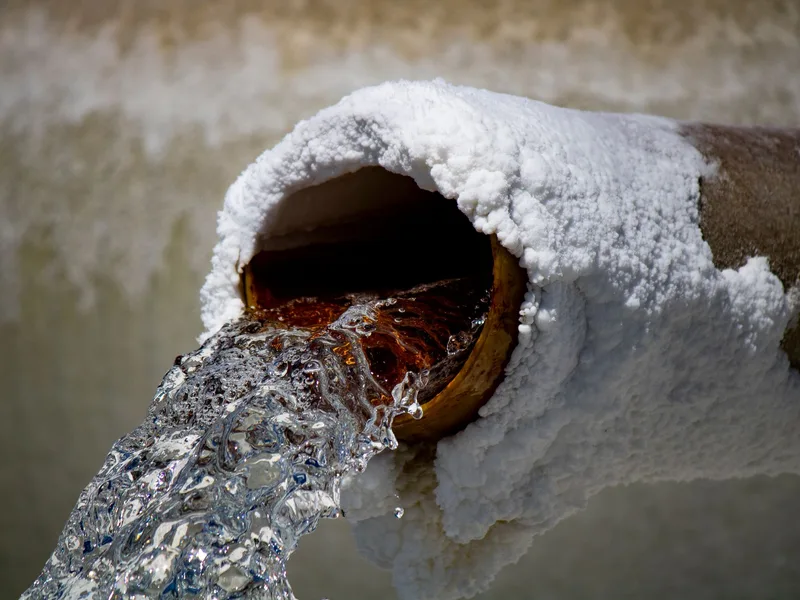
Sediment and scale
Salt and lime deposits on old linings indicate high mineral water content and accelerated decay.
The pipe entries
The interior lining shows hairline cracks and flaking, especially in tanks not cleaned internally for years.
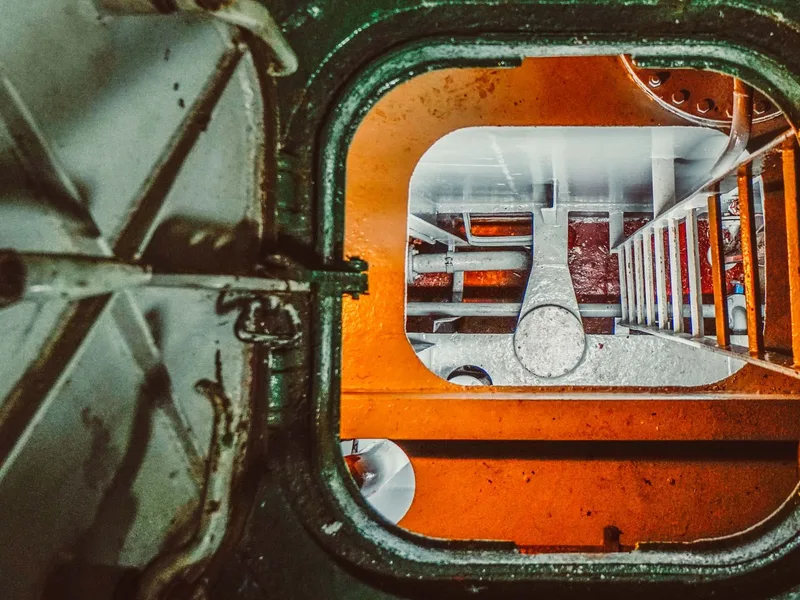
The hatch and the vent
Seeping water may appear on external walls or beneath the tank, signalling structural leakage rather than surface damage.
How we work
-
1
Inspect with the tank empty
We drain it and read the surface dry: whether the water leaves through a crack, a joint or a pipe collar, and what the outer face of the wall and the ceiling below are telling us. A level test with the valves closed separates a leaking tank from leaking pipework.
-
2
Clean and prepare the substrate
Sediment out, a high pressure wash, the loose old lining and the weak surface layer of the concrete taken back, then dried. The material grips sound substrate and nothing else.
-
3
Make the cracks and joints good
Cracks are chased out and filled with a repair mortar, a cove is formed where the floor meets the wall, and every pipe collar is treated on its own.
-
4
Lining, fill test, sterilisation
Successive coats, each run across the one beneath it, on the face the water touches. Then a full cure, a fill with the level watched, and sterilisation with the first fill run to waste before the tank returns to use.
What water tank sealing includes
-

Finding where the water leaves
Carried out drained and dry: cracks, joints, pipe collars and the outer face of the wall.
-

Draining and sediment removal
The last of the water and the settled layer on the floor come out, because a lining does not stick over sediment.
-

Cracks and joints made good
The crack opened and filled, a cove formed at the floor to wall junction, and each pipe entry worked separately.
-

Lining coats on the water face
More than one coat, each crossing the one below, in material made for drinking water tanks rather than roof waterproofing.
-

Curing, fill test and sterilisation
The material is left to cure, the tank is filled and the level watched, then sterilised and the first fill run to waste. How long the cure takes follows the material and the weather, and we tell you before the date so you can plan around the supply.
-

A follow-up level check
We come back once it is in service to read the level and check the outer face, because any remaining loss shows up then rather than on the day of the work.
What is different about Airport Sub-Municipality
The Airport sub-municipality covers some of the oldest established districts of northern Jeddah, gathered around King Abdulaziz International Airport between Madinah Road, King Fahd Road and Prince Majid Road. The stock is villas, single family houses and apartment blocks built decades ago, many served by ageing water and sewer lines. Commercial streets such as Quraish, Sari and Sultan bin Salman are lined with restaurants, furnished flats and popular markets. Dense commercial kitchens, worn pipework and the gaps in older buildings give cockroaches and rodents steady food and shelter, and the high resident population keeps that pressure constant through the year.
Questions about this district
Why do elevated villa tanks need more sealing work than apartment building tanks?
Elevated tanks face direct sun and intense heat, speeding cracks and decay. Apartment buildings may use protected underground tanks, but even these need sealing.
Is leakage from the wall-floor joint common here?
Yes, very common. This joint is the weakest point in old tanks and water presses on it constantly, especially in underground tanks.
What causes leaks at pipe entry points?
Pipes enter the tank poorly sealed and the seal around them degrades over time. Water seeps around the pipe and old silicone fails.
Does repairing the lining alone fix it, or do we need to replace the whole tank?
Lining repair is enough if the concrete itself is sound. If cracks run deep or decay reaches the structure, full replacement may be needed.
How often does the tank need sealing again after repair?
A properly sealed tank lasts ten years or more with regular maintenance. But annual inspection is wise to confirm integrity.
Does Al Nuzhah's water quality affect how long the new lining lasts?
Yes, hard water and high minerals shorten lining life. Maintenance may be needed more often than in areas with softer water.
How much does water tank sealing in Al Nuzhah cost?
It is set after the inspection, because the price follows the type of infestation, the size of the space, how far it has spread and the number of visits it needs. Send a photo and a description on WhatsApp and we will give you an estimate before we reach Al Nuzhah.
Other services in Al Nuzhah
Other services we provide to residents of Al Nuzhah.
-
 Water tanks
Water tank cleaning
-
 Water tanks
Water tank sterilization
-
 Water tanks
Tank leak repair
-
 Residential
Cockroach control
Need water tank sealing in Al Nuzhah? Tell us what you saw and we will tell you what it needs
We reach Al Nuzhah at a time we agree, and you get the full cost before we start.