
Water tank sterilization in Al Rawabi Makkah
Al Rawabi is a modern hillside district south of the Grand Mosque built with high-rise residential blocks for Umrah visitors on rocky slopes. Each tall residential building has one or more elevated storage tanks exposed directly to intense sunlight and heat. Water travels through long pipeline routes from distant pumping stations, allowing sediment, silt and bacterial biofilm to accumulate rapidly in the tanks.
-
Potable-rated materials
Linings and disinfectants cleared for drinking water tanks, not general-purpose products.
-
You get the downtime first
How many hours the tank is out of service, told before we start rather than after we finish.
-
A first-draw flush
We run the first draw off after refilling, and the tank is not handed back until the water runs clear.
-
Ground and roof tanks
Villas, apartment blocks and premises that need a written record of each visit.
Why the job is different in Al Rawabi
Elevated tanks here are exposed to direct and intense heat throughout the year, accelerating bacterial and algal growth and sediment deposit. The method is set out in full on the full Water tank sterilization page.
High-level rooftop tanks fully exposed to sun
The tall buildings in Al Rawabi have exposed storage tanks on open rooftops facing unobstructed sunlight and heat. Tank surface temperatures can reach 50°C or higher, accelerating bacterial growth and green algal films.
Long distances and complex pipelines from distant pump stations
Water arrives from distant pump stations through long pipelines tunnelling through hills. The extended journey and slow flow allow particles and silt to settle in the tank and create ideal conditions for slime biofilm.
High population density and seasonal consumption surges
Umrah visitor blocks experience large seasonal occupancy swings, and peak consumption leaves rapid sediment deposits in the tank. Winter and summer usage patterns differ markedly.
The character of Al Rawabi
Apartment district: residential blocks, repeated floors and shared entrances
High-rise modern residential blocks mean tanks are positioned very high and exposed directly to the sun. Treatment requires specialist equipment for working at height and powerful scraping machinery to break and wash deposits that harden quickly from heat.
What we read inside the tank before anything starts
A modern residential quarter on the southern slopes below the Grand Mosque, with high-rise blocks for Umrah accommodations. It is bounded by the Ajyad to Kudai road to the east, Al Rawabi Garden to the north and Jabal Khandamah viewpoint rising above.
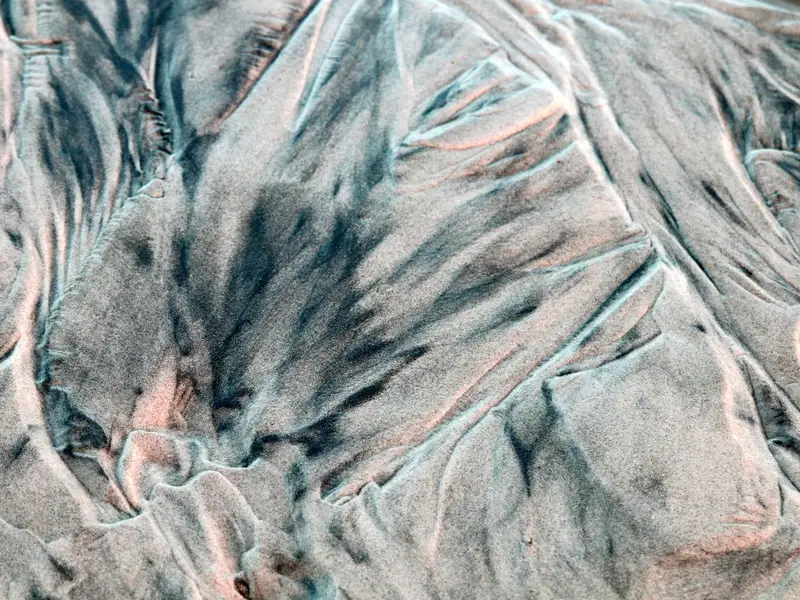
Sediment on the floor
Green and grey algae appear rapidly on tank walls because the tank sits fully exposed to direct sunlight all day.
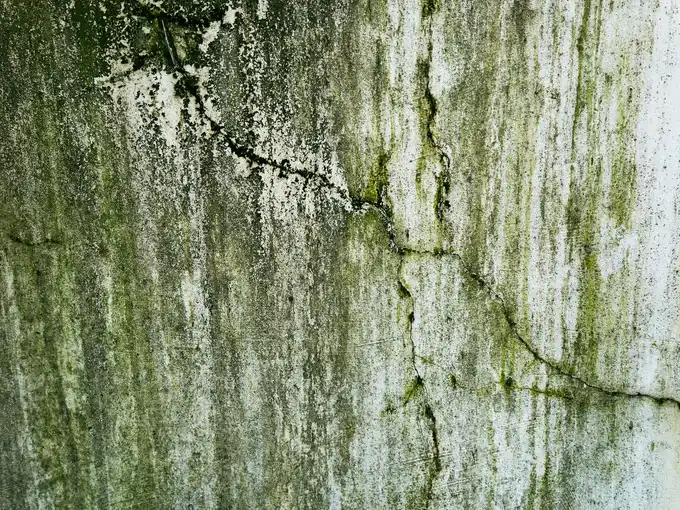
The slime film on the wall
Brown sediment and silt accumulate at tank base because water travels through long underground pipes beneath hill tunnels.
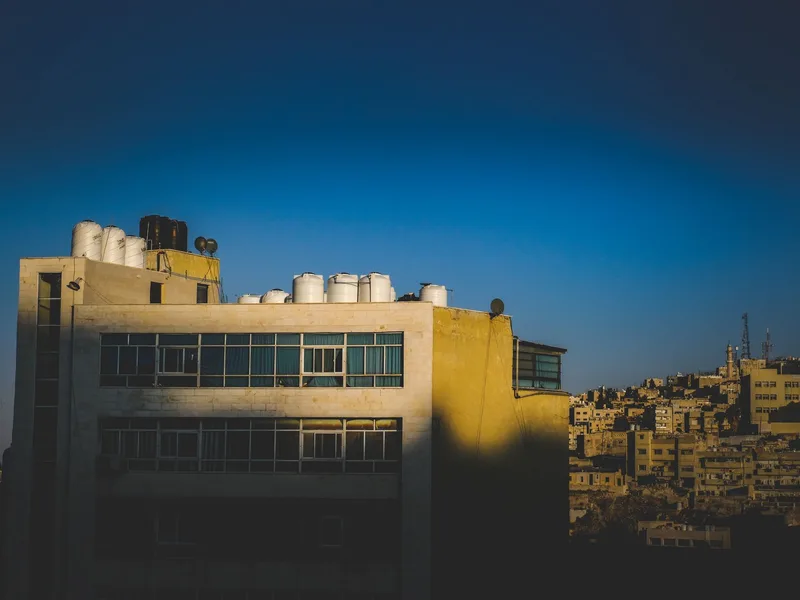
Light and heat
Slime biofilm coats tank walls and floor because heat and standing water accelerate bacterial and viscous growth.
The lining and any cracking
Intense heat causes rapid evaporation, concentrating salts and minerals on tank walls and the upper surface.
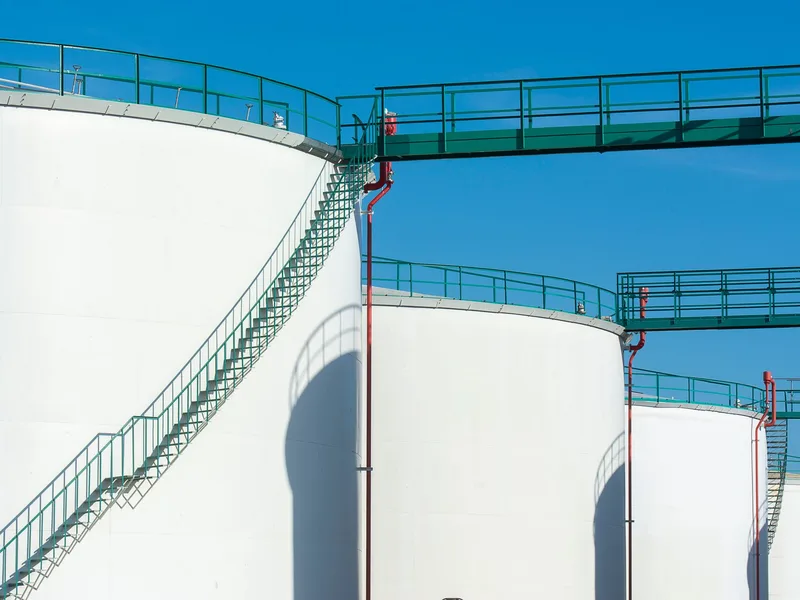
The lid and the openings
The base requires heavy scraping because deposits harden due to continuous evaporation and direct heat exposure.

What shows up at the tap
Pipeline lines running from tank to flats need constant flushing because sediment flows with water during heavy seasonal usage.
How we work
-
1
Inspect and record the condition
We open the hatch and work through what the tank is made of and how big it is, how deep the sediment lies, the state of the lining, whether the lid and the overflow seal, and whether there is a crack that has to be repaired before any sterilizing.
-
2
Drain and lift the sediment out
The water goes out, then the silt and sand are lifted off the floor by suction rather than pushed toward the outlet, because pushing them sends them into the house pipework and the heater.
-
3
High pressure wash
Walls, floor, corners and the area around the outlet, until the slime film is completely gone. This is the step that makes the sterilizing after it mean anything.
-
4
Sterilize, rinse, then return to service
The sterilizing agent goes onto the walls, the floor and the underside of the lid and is left for its contact time, then we rinse, refill and run the furthest tap until the whole line is clear.
What water tank sterilization includes
-

A recorded inspection
Material, capacity, sediment depth, the state of the lining, the lid and the overflow, all before any work begins.
-

Draining and sediment removal
The water out, and the silt and sand lifted off the floor instead of being pushed into the outlet and the house pipework.
-

High pressure washing
Walls, corners and around the outlet, until the biofilm that no disinfectant penetrates has gone.
-
Sterilizing the internal surfaces
A sterilizing agent meant for drinking water tanks, applied to the walls, the floor and the underside of the lid, and left for its contact time.
-

Line flush and aftercare
Rinse, refill and a flush from the furthest tap, when the water is usable again, and what to change in the filter afterwards.
-

The next cycle
We agree the right interval for your tank from how it is filled, how much sun it takes and the condition of the lid.
What is different about Al Misfalah Sub-Municipality
Al Misfalah sub municipality runs downhill from the south of the Grand Mosque through Al Misfalah, Kudai and Al Rawabi to Al Taqwa, Al Hindawiyah, Al Khalidiyah and Al Rusayfah at the third ring road. The northern end is old apartment blocks and pilgrim hotels with restaurants along Ibrahim Al Khalil Street and the huge coach parks at Kudai. The south and west are dense popular districts with countless small shops and unplanned hillside housing, some of it already cleared for redevelopment, giving way to orderly land grant schemes in Al Rusayfah beside the railway station.
Questions about this district
Why does water in Al Rawabi develop odour and taste issues faster than other districts?
Exposed rooftop tanks facing direct sun create ideal conditions for bacterial and algal growth. Water sits for long periods in long pipelines from distant pump stations before reaching the tank.
Is sterilizing the tank once per year sufficient for Al Rawabi?
No. Al Rawabi tanks need more frequent sterilization than other areas due to heat and heavy seasonal usage swings. Sterilization every three months is better.
Does the high heat affect sterilizing agent effectiveness?
Yes. High temperature speeds decomposition of disinfectant and reduces potency. We use stronger concentrations and special application methods for very hot tanks.
Do sediment deposits come from street intake or from the pump station?
Most come from distant pump stations and long pipelines. Sand, silt and particles settle during transport through hill tunnels and underground lines.
How do we clean a tank positioned very high on a rooftop?
We use specialist equipment, ladders and safety harnesses for high-level roof access. The crew empties by strong pump suction then pressure-washes all walls.
Does cleaning include the pipes running down from tank to individual flats?
Yes. We flush all lines from the furthest tap in the building to ensure clean water reaches every unit.
How much does water tank sterilization in Al Rawabi cost?
It is set after the inspection, because the price follows the type of infestation, the size of the space, how far it has spread and the number of visits it needs. Send a photo and a description on WhatsApp and we will give you an estimate before we reach Al Rawabi.
Nearby districts we cover
Other services in Al Rawabi
Other services we provide to residents of Al Rawabi.
-
 Water tanks
Water tank cleaning
-
 Water tanks
Water tank sealing
-
 Water tanks
Tank leak repair
-
 Residential
Cockroach control
Need water tank sterilization in Al Rawabi? Tell us what you saw and we will tell you what it needs
We reach Al Rawabi at a time we agree, and you get the full cost before we start.