
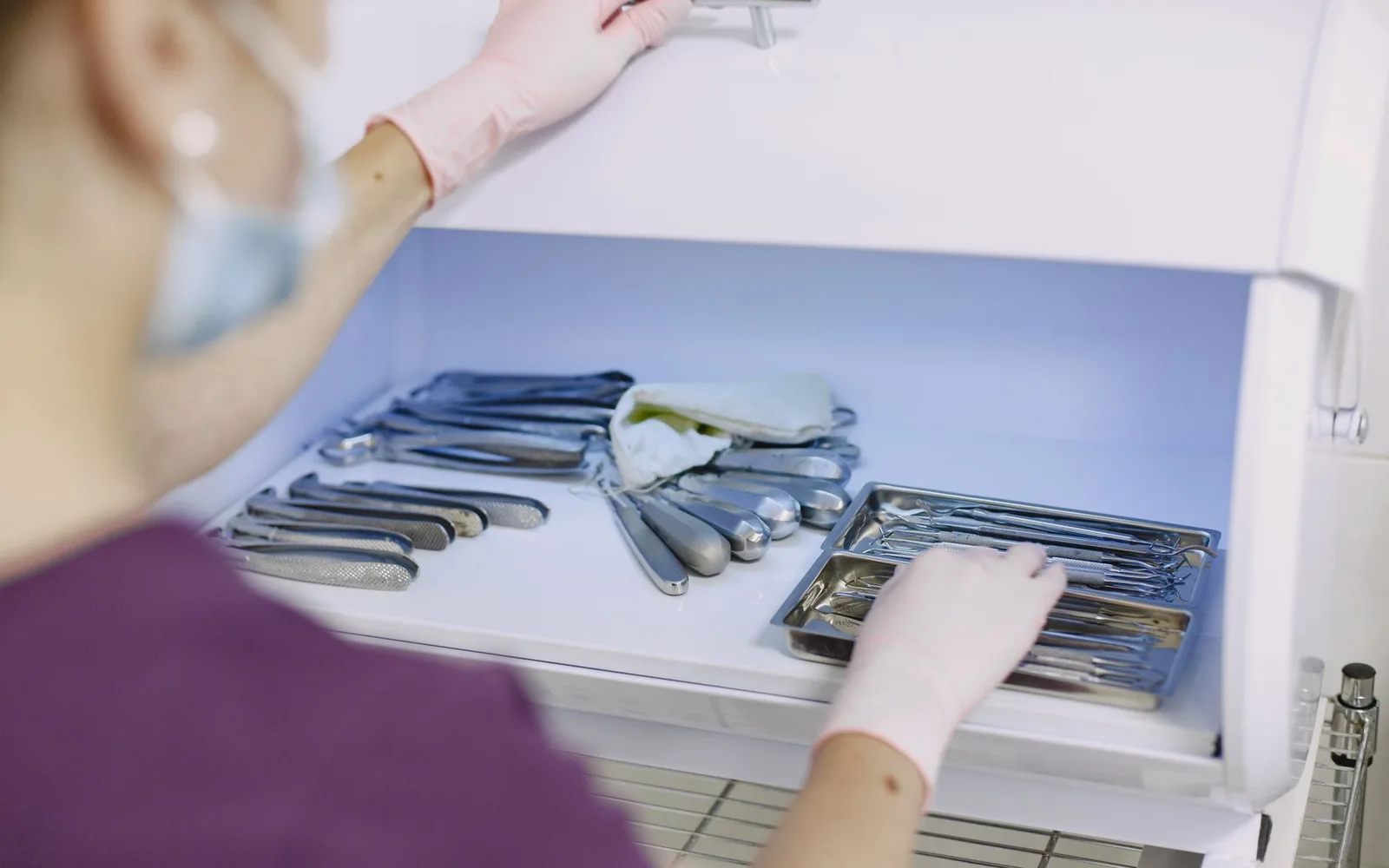
Water tank sterilization in Harat Al Baharah Jeddah
Harat Al Baharah is an old quarter in Thuwal situated close to the old harbour and seashore. Homes here are low-rise and sit very near saline water, and tanks are exposed to salt spray and coastal humidity that cause rapid corrosion.
-
Potable-rated materials
Linings and disinfectants cleared for drinking water tanks, not general-purpose products.
-
You get the downtime first
How many hours the tank is out of service, told before we start rather than after we finish.
-
A first-draw flush
We run the first draw off after refilling, and the tank is not handed back until the water runs clear.
-
Ground and roof tanks
Villas, apartment blocks and premises that need a written record of each visit.
Why the job is different in Harat Al Baharah
Homes here are very old and sit close to saline water; the marine air causes metal and concrete tanks to corrode at accelerated rates. The method is set out in full on how we approach Water tank sterilization.
Proximity to the old harbour and direct saline exposure
The quarter lies only a short distance from Thuwal's old harbour and saline water is very near. Humidity and salt penetrate tanks and corrode walls and floors rapidly.
Very old homes with primitive tanks
Homes here were built decades ago and tanks are ancient. Some are rusted metal, others are cracked concrete from salt damage.
Marine air and extremely high humidity
The marine air is salt-laden and humidity is near 100% year-round. Exposed tanks corrode very fast and algae thrive abundantly.
The character of Harat Al Baharah
Mixed district: shops at street level with homes above them
The quarter is very old and tanks here are aged and weakened by relentless salt corrosion. Treatment must account for the fact that the tank itself may be in poor condition and will not hold clean water long.
What we read inside the tank before anything starts
An old quarter in Thuwal on the Red Sea coast near the old harbour and the corniche maintained by Saudi Aramco. Houses are low-rise and lie close to tidal water.
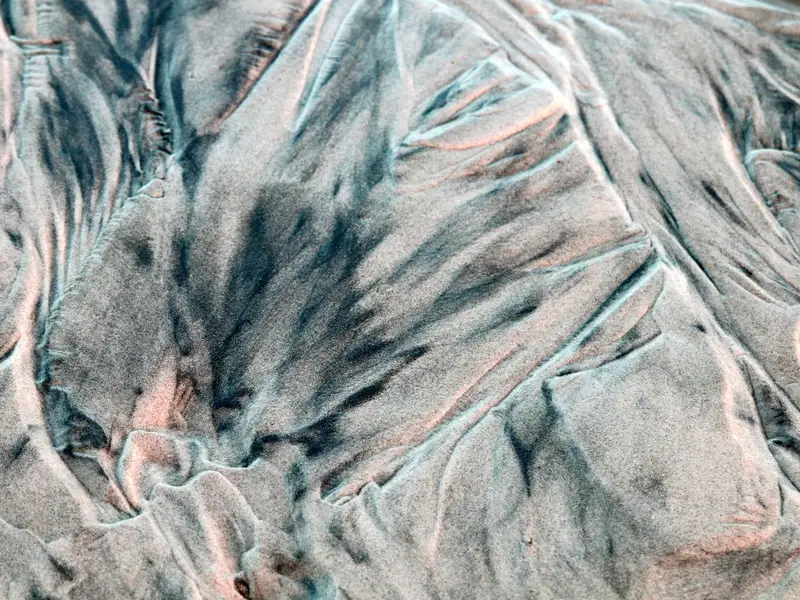
Sediment on the floor
Mineral and salt deposits build up fast on tank floor and walls due to marine air and saline water.
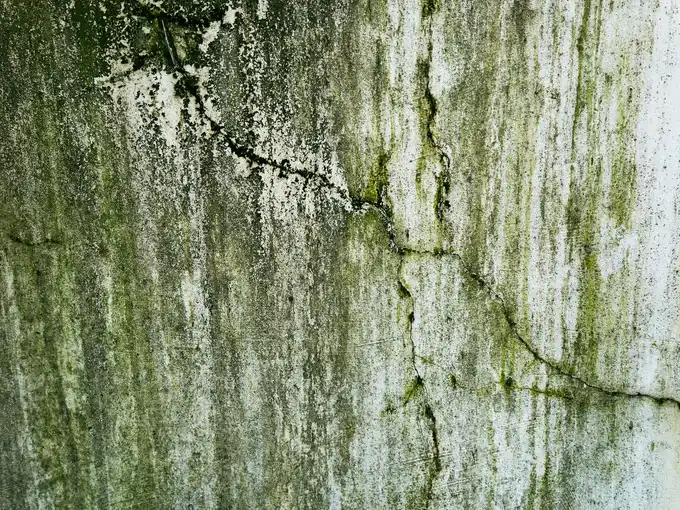
The slime film on the wall
Bacteria and algae flourish on walls due to salt, high humidity and light penetration.
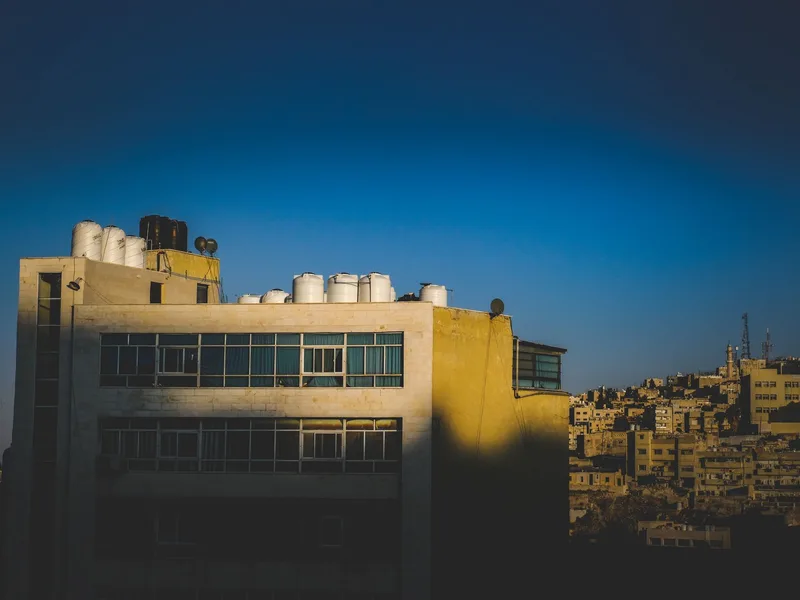
Light and heat
Cracks and small openings in old tanks allow direct entry of salt and seawater.
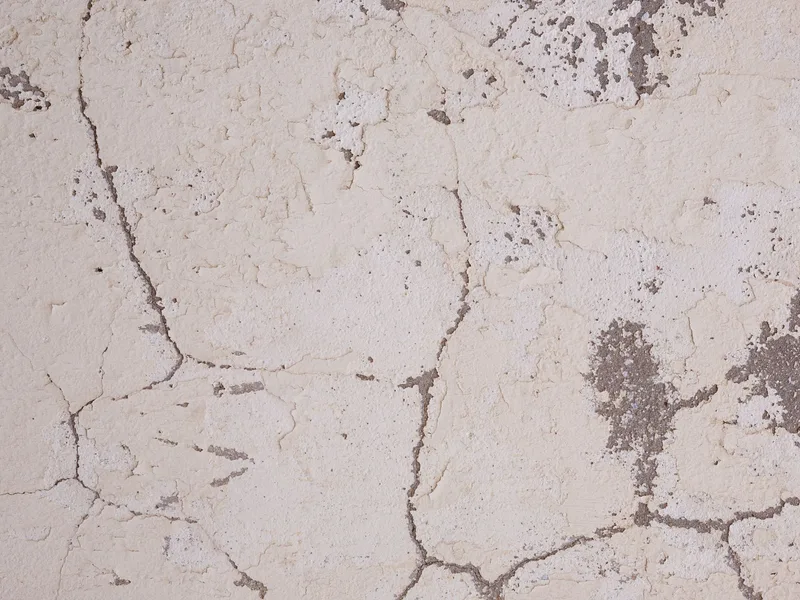
The lining and any cracking
Salt and marine humidity cause rapid corrosion of metal and concrete, creating holes and leaks.
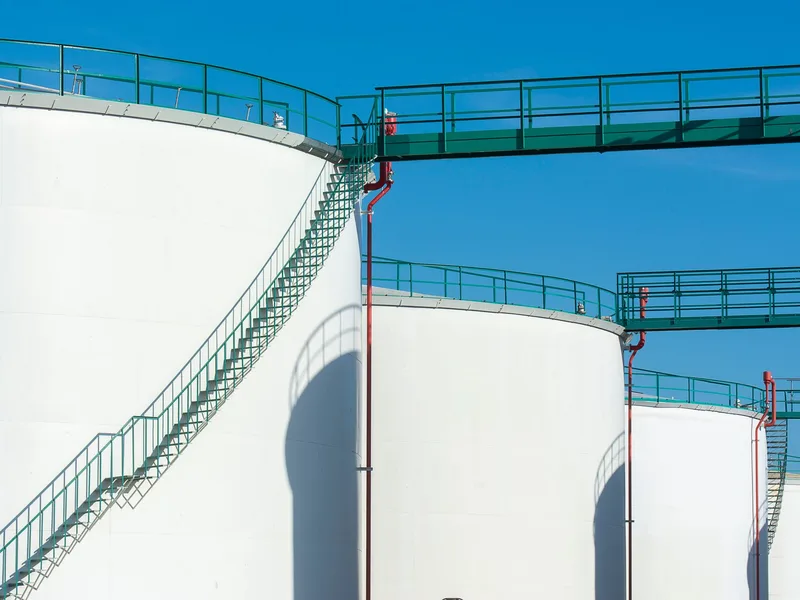
The lid and the openings
Sediment collects very fast on the floor and may contain salt and nitrogen from marine air.
What shows up at the tap
Lines and taps may corrode from salt and clog with salt deposits that restrict flow.
How we work
-
1
Inspect and record the condition
We open the hatch and work through what the tank is made of and how big it is, how deep the sediment lies, the state of the lining, whether the lid and the overflow seal, and whether there is a crack that has to be repaired before any sterilizing.
-
2
Drain and lift the sediment out
The water goes out, then the silt and sand are lifted off the floor by suction rather than pushed toward the outlet, because pushing them sends them into the house pipework and the heater.
-
3
High pressure wash
Walls, floor, corners and the area around the outlet, until the slime film is completely gone. This is the step that makes the sterilizing after it mean anything.
-
4
Sterilize, rinse, then return to service
The sterilizing agent goes onto the walls, the floor and the underside of the lid and is left for its contact time, then we rinse, refill and run the furthest tap until the whole line is clear.
What water tank sterilization includes
-

A recorded inspection
Material, capacity, sediment depth, the state of the lining, the lid and the overflow, all before any work begins.
-

Draining and sediment removal
The water out, and the silt and sand lifted off the floor instead of being pushed into the outlet and the house pipework.
-

High pressure washing
Walls, corners and around the outlet, until the biofilm that no disinfectant penetrates has gone.
-
Sterilizing the internal surfaces
A sterilizing agent meant for drinking water tanks, applied to the walls, the floor and the underside of the lid, and left for its contact time.
-

Line flush and aftercare
Rinse, refill and a flush from the furthest tap, when the water is usable again, and what to change in the filter afterwards.
-

The next cycle
We agree the right interval for your tank from how it is filled, how much sun it takes and the condition of the lid.
What is different about Thuwal Sub-Municipality
Thuwal sub municipality is a small fishing town on the Red Sea coast at the far northern edge of Jeddah governorate. Its old quarters are closely packed popular and mud built houses on narrow streets, with newer low rise concrete homes from the town's development programme beside them. Sea humidity stays high all year, the fishing harbour and the corniche form its seafront, water arrives by tanker so household tanks are everywhere, and the town sits on Wadi Thuwal, ringed by open ground and by the irrigated green campus of King Abdullah University of Science and Technology.
Questions about this district
Why do Baharah tanks rust faster than in other quarters?
Salt from the sea penetrates the air and water. Metal tanks rust and concrete tanks erode from extremely high salinity.
Is concrete better than metal for harbour-area tanks?
No. Both corrode fast. Metal tanks rust and concrete tanks crack from salinity and salt erosion.
What causes the strong salt smell in tank water?
Salt penetrates walls and openings from the marine air. Trucked water absorbs salt from the air during transport and storage.
How often must tanks be cleaned and sterilized in Al Baharah?
At least three times yearly. Salinity, humidity and corrosion cause fouling very rapidly.
Are covered tanks better than open ones here?
Yes, much better. Covers reduce salt and marine air entry but do not stop it. Even covered tanks need frequent cleaning.
Is replacing an old tank better than repeated sterilization?
It may be long-term. Corroded old tanks do not hold clean water even if sterilized weekly.
How much does water tank sterilization in Harat Al Baharah cost?
It is set after the inspection, because the price follows the type of infestation, the size of the space, how far it has spread and the number of visits it needs. Send a photo and a description on WhatsApp and we will give you an estimate before we reach Harat Al Baharah.
Nearby districts we cover
Other services in Harat Al Baharah
Other services we provide to residents of Harat Al Baharah.
-
 Water tanks
Water tank cleaning
-
 Water tanks
Water tank sealing
-
 Water tanks
Tank leak repair
-
 Residential
Cockroach control
Need water tank sterilization in Harat Al Baharah? Tell us what you saw and we will tell you what it needs
We reach Harat Al Baharah at a time we agree, and you get the full cost before we start.