
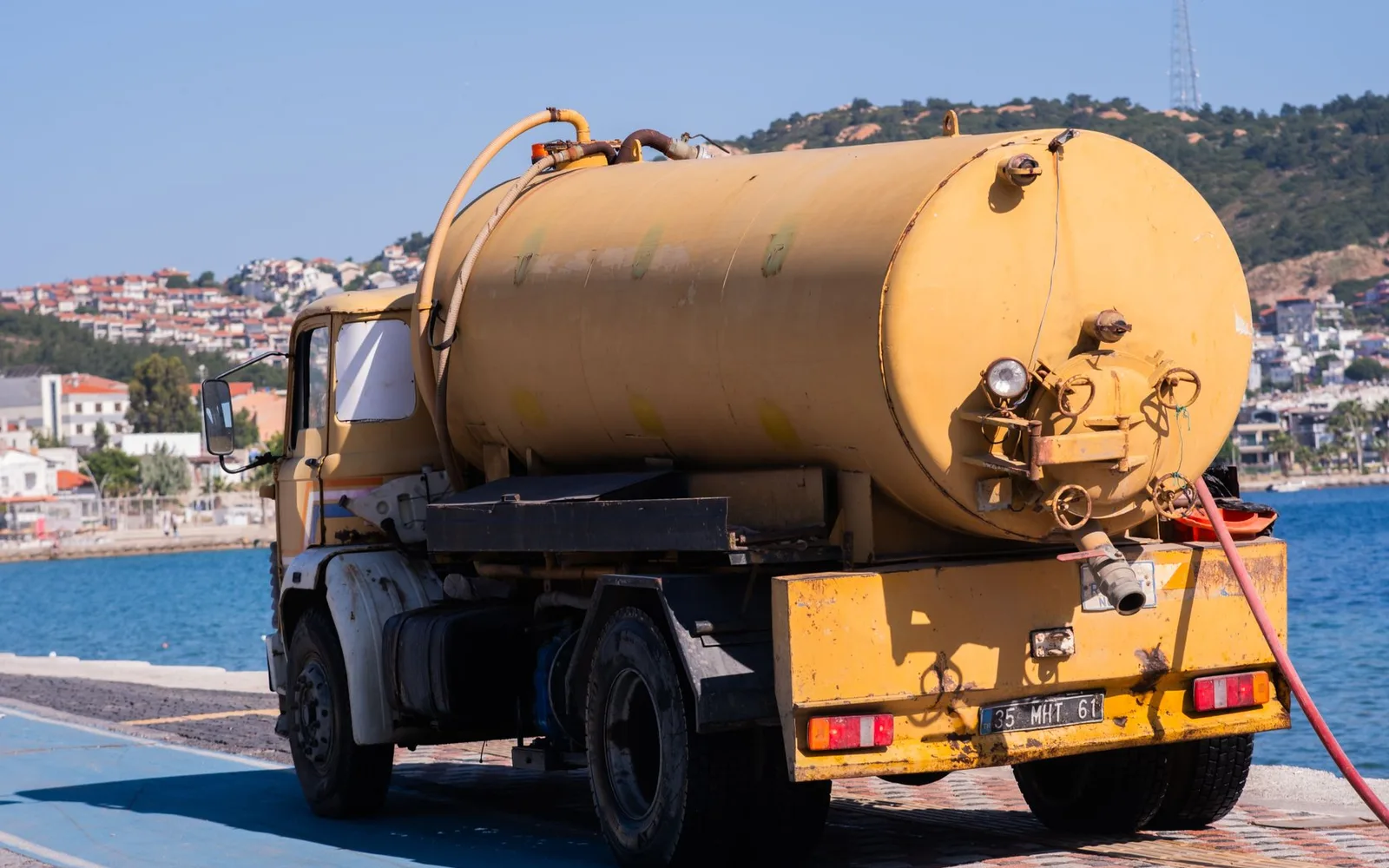
Water tank sealing in Harat Al Baharah Jeddah
Harat Al Baharah is one of the oldest quarters of Thuwal, lying close to the old harbour and the Thuwal corniche maintained by Saudi Aramco. Tanks here stand very near the sea, and moisture and salt penetrate the buildings and tanks continuously. Cracks and joints in old tanks have widened from constant exposure to salt and humidity.
-
Potable-rated materials
Linings and disinfectants cleared for drinking water tanks, not general-purpose products.
-
You get the downtime first
How many hours the tank is out of service, told before we start rather than after we finish.
-
A first-draw flush
We run the first draw off after refilling, and the tank is not handed back until the water runs clear.
-
Ground and roof tanks
Villas, apartment blocks and premises that need a written record of each visit.
Why the job is different in Harat Al Baharah
Residents here are fishermen and merchants by trade, and the buildings are very old, built when fishing was the main economy. Tanks suffer from leakage and contamination due to proximity to the sea. The method is set out in full on our Water tank sealing service.
Tanks standing beside the harbour
Houses in the quarter stand only metres from the old Thuwal harbour and salt water. Very high sea humidity reaches the tanks and causes rapid corrosion.
Old buildings with no basic waterproofing
Buildings were erected before modern sealing materials existed. Tanks have no protection from salt and moisture, and cracks widen quickly.
Constant moisture from waves and sea spray
The nearby sea corniche means continuous sea spray and salt-laden mist. Tanks face direct salt exposure, not just seepage from soil.
The character of Harat Al Baharah
Mixed district: shops at street level with homes above them
The quarter is very old and sits directly beside the water, with all buildings and tanks old and without basic waterproofing. Treatment here needs strong, thick sealing against direct salt, and may need regular maintenance resealing.
What we read before any material is opened
An old quarter in Thuwal on the coast itself, with low-rise houses standing close to the old Thuwal harbour and the sea corniche. The quarter is compact and sits directly beside the water, meaning constant exposure to salt and moisture.
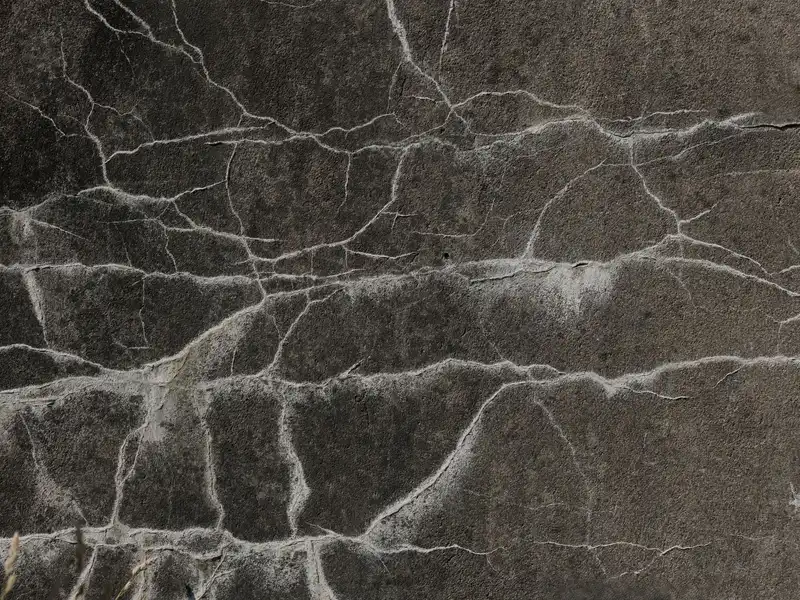
Cracking in the wall
Deep cracks in tank walls have widened from constant salt and moisture exposure from the sea itself.
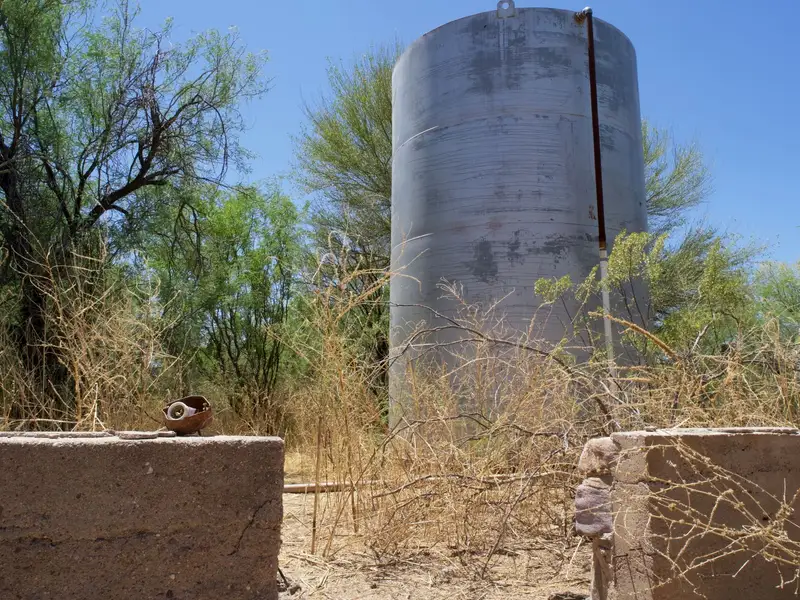
The floor to wall joint
Floor-to-wall joints are cracked from daily swelling and shrinking caused by moisture fluctuations.
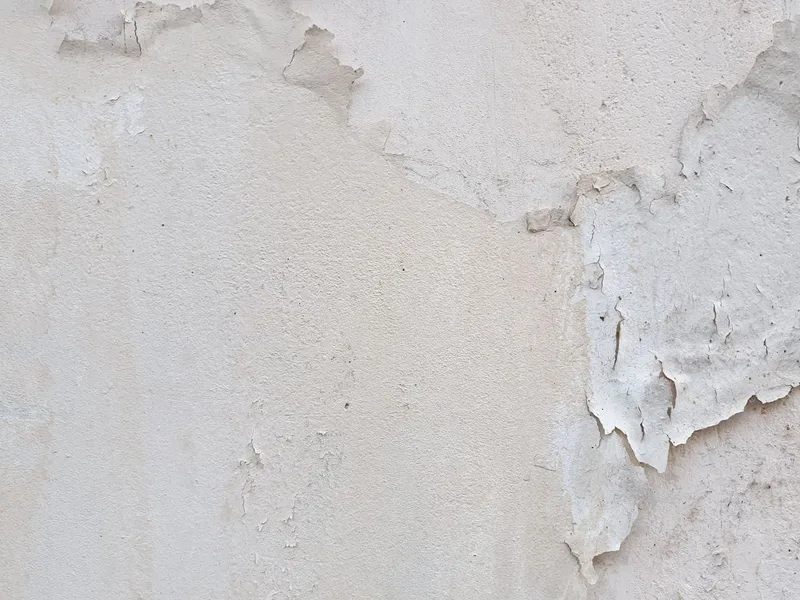
The condition of the old lining
Pipe entry points around the tank were never sealed properly, and salt water enters around the pipes.
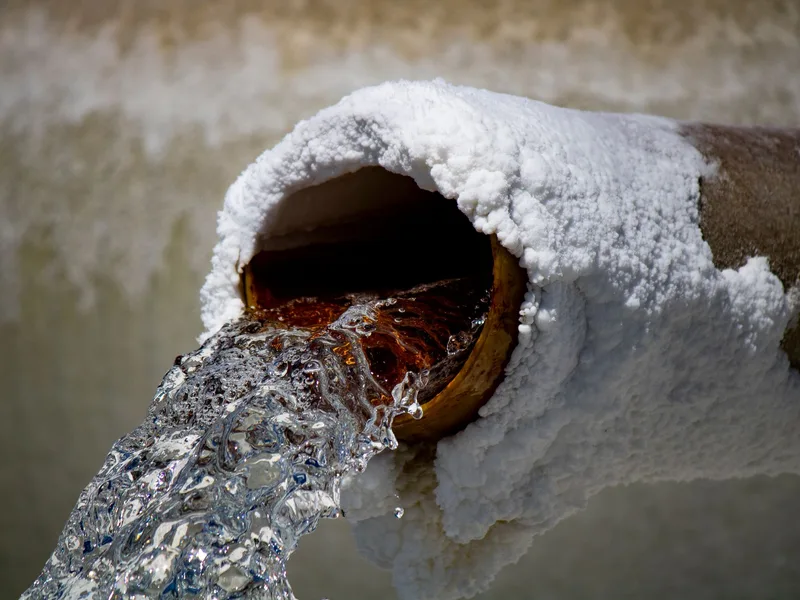
Sediment and scale
Moisture here is constant, not seasonal. Direct sea spray means 80 to 90 percent humidity most of the day.
The pipe entries
Tank floor accumulates salt and sea debris, and water becomes brackish even after storage.
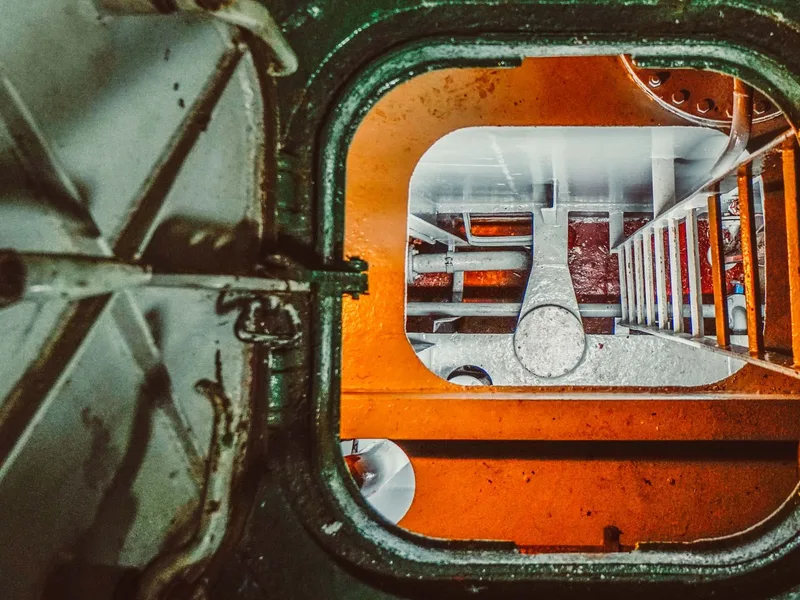
The hatch and the vent
Tank sterilisation is critical here because bacteria and algae enter through cracks and high humidity causes rapid growth.
How we work
-
1
Inspect with the tank empty
We drain it and read the surface dry: whether the water leaves through a crack, a joint or a pipe collar, and what the outer face of the wall and the ceiling below are telling us. A level test with the valves closed separates a leaking tank from leaking pipework.
-
2
Clean and prepare the substrate
Sediment out, a high pressure wash, the loose old lining and the weak surface layer of the concrete taken back, then dried. The material grips sound substrate and nothing else.
-
3
Make the cracks and joints good
Cracks are chased out and filled with a repair mortar, a cove is formed where the floor meets the wall, and every pipe collar is treated on its own.
-
4
Lining, fill test, sterilisation
Successive coats, each run across the one beneath it, on the face the water touches. Then a full cure, a fill with the level watched, and sterilisation with the first fill run to waste before the tank returns to use.
What water tank sealing includes
-

Finding where the water leaves
Carried out drained and dry: cracks, joints, pipe collars and the outer face of the wall.
-

Draining and sediment removal
The last of the water and the settled layer on the floor come out, because a lining does not stick over sediment.
-
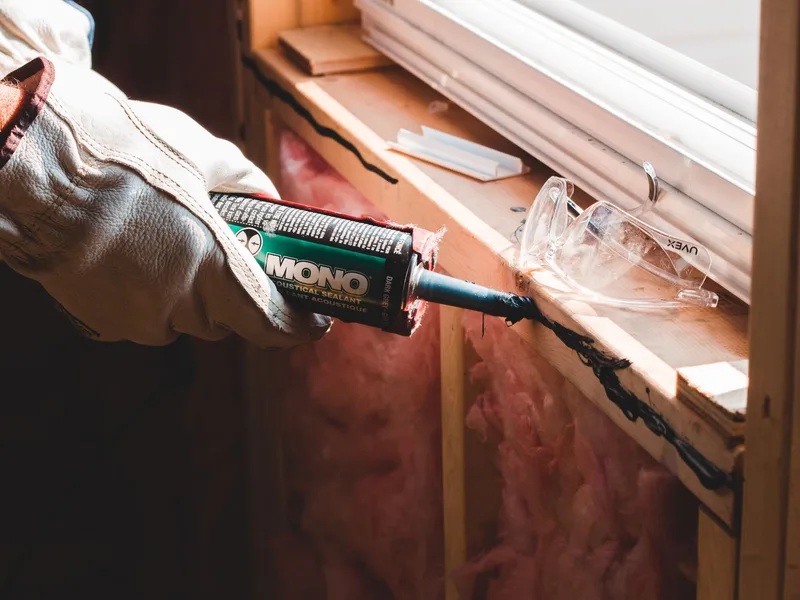
Cracks and joints made good
The crack opened and filled, a cove formed at the floor to wall junction, and each pipe entry worked separately.
-

Lining coats on the water face
More than one coat, each crossing the one below, in material made for drinking water tanks rather than roof waterproofing.
-

Curing, fill test and sterilisation
The material is left to cure, the tank is filled and the level watched, then sterilised and the first fill run to waste. How long the cure takes follows the material and the weather, and we tell you before the date so you can plan around the supply.
-

A follow-up level check
We come back once it is in service to read the level and check the outer face, because any remaining loss shows up then rather than on the day of the work.
What is different about Thuwal Sub-Municipality
Thuwal sub municipality is a small fishing town on the Red Sea coast at the far northern edge of Jeddah governorate. Its old quarters are closely packed popular and mud built houses on narrow streets, with newer low rise concrete homes from the town's development programme beside them. Sea humidity stays high all year, the fishing harbour and the corniche form its seafront, water arrives by tanker so household tanks are everywhere, and the town sits on Wadi Thuwal, ringed by open ground and by the irrigated green campus of King Abdullah University of Science and Technology.
Questions about this district
Do tanks here need stronger sealing than areas away from the sea?
Yes, much stronger. Direct salt exposure and high humidity require thicker and stronger sealing layers.
Why does stored water turn brown or green?
Cracks and seepage allow algae and bacteria from the damp sea environment to enter.
Does continuous sea humidity mean resealing often?
Yes. Constant salt exposure shortens seal life. You may need maintenance every 3 to 5 years.
How do we protect against direct sea spray on the tank?
Good external sealing reduces exposure. We may add an extra protective layer against direct salt.
Does cleaning algae from the tank solve the problem?
Cleaning is temporary only. Full sealing prevents algae entry from the start.
Is tank water safe to drink after sealing and sterilisation?
Yes, but stored water should be changed regularly and not left for long periods.
How much does water tank sealing in Harat Al Baharah cost?
It is set after the inspection, because the price follows the type of infestation, the size of the space, how far it has spread and the number of visits it needs. Send a photo and a description on WhatsApp and we will give you an estimate before we reach Harat Al Baharah.
Nearby districts we cover
Other services in Harat Al Baharah
Other services we provide to residents of Harat Al Baharah.
-
 Water tanks
Water tank cleaning
-
 Water tanks
Water tank sterilization
-
 Water tanks
Tank leak repair
-
 Residential
Cockroach control
Need water tank sealing in Harat Al Baharah? Tell us what you saw and we will tell you what it needs
We reach Harat Al Baharah at a time we agree, and you get the full cost before we start.