
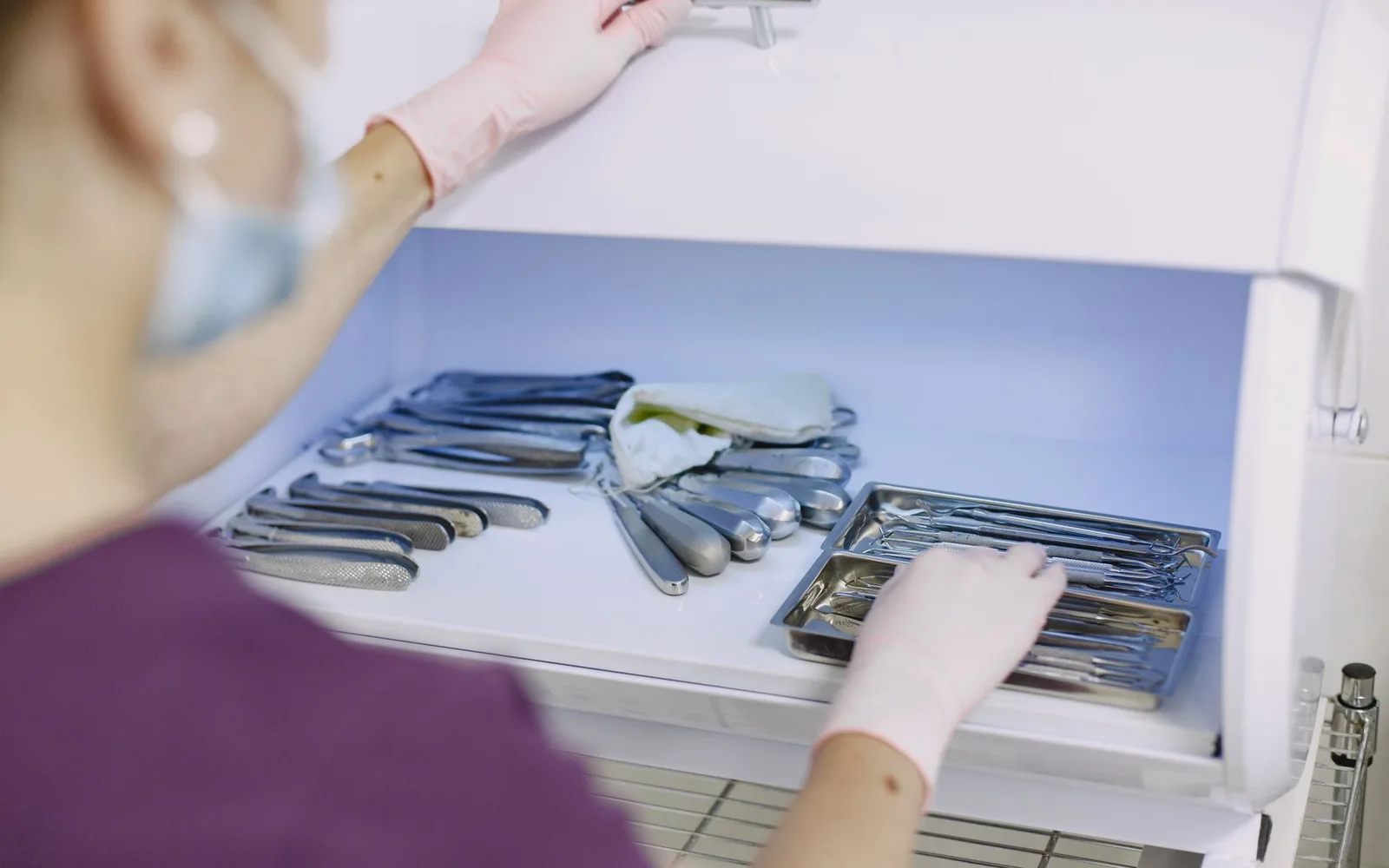
Water tank sterilization in North Prince Fawaz Jeddah
North Prince Fawaz is a mixed quarter combining mid-sized villas, apartment blocks and retail shops on busy commercial axes. Water tanks here serve multiple families and diverse commercial operations, and exposure to sun and humidity causes sediment and biofilm to accumulate rapidly. Full sterilization requires emptying each tank, scraping deposits from floor and walls under high pressure, then final disinfection and line flushing.
-
Potable-rated materials
Linings and disinfectants cleared for drinking water tanks, not general-purpose products.
-
You get the downtime first
How many hours the tank is out of service, told before we start rather than after we finish.
-
A first-draw flush
We run the first draw off after refilling, and the tank is not handed back until the water runs clear.
-
Ground and roof tanks
Villas, apartment blocks and premises that need a written record of each visit.
Why the job is different in North Prince Fawaz
Tanks here sit exposed to direct sun on rooftops and serve both residential and commercial units together, increasing load on the water system and buildup rates. The method is set out in full on how we approach Water tank sterilization.
Rooftop tanks under direct sunlight
Most villas and apartment buildings in the quarter have rooftop tanks exposed to intense heat throughout the day. Heat and UV radiation accelerate biofilm and algae growth on the inner walls of the tank.
Heavy sediment from hard water and suspended solids
Water in North Prince Fawaz carries high mineral content and suspended matter. Deposits accumulate rapidly on the tank floor, forming thick layers that resist removal without high-pressure washing.
Intensive water use by residents and commercial outlets
The quarter mixes residential and commercial premises including small restaurants and shops. High consumption means tanks empty quickly and expose interior surfaces to air, enabling contaminant entry.
Landmarks of North Prince Fawaz
Access to North Prince Fawaz runs via Prince Fawaz Street as the main spine and Muhammad ibn Sahmi Street from the north, with Prince Fawaz Mosque, Prince Fawaz Park and Al Othaim Markets as key orientation landmarks.
- Muhammad ibn Sahmi Street
- Prince Fawaz Mosque
- Prince Fawaz Park
- Prince Fawaz District Walkway
- Al Othaim Markets
What we read inside the tank before anything starts
A district in south Jeddah between Muhammad ibn Sahmi Street to the north and Al Adl district beyond, with Al Fadl to the east. Apartment buildings and mid-sized villas fill the blocks, with markets and shops lining the main commercial axes.
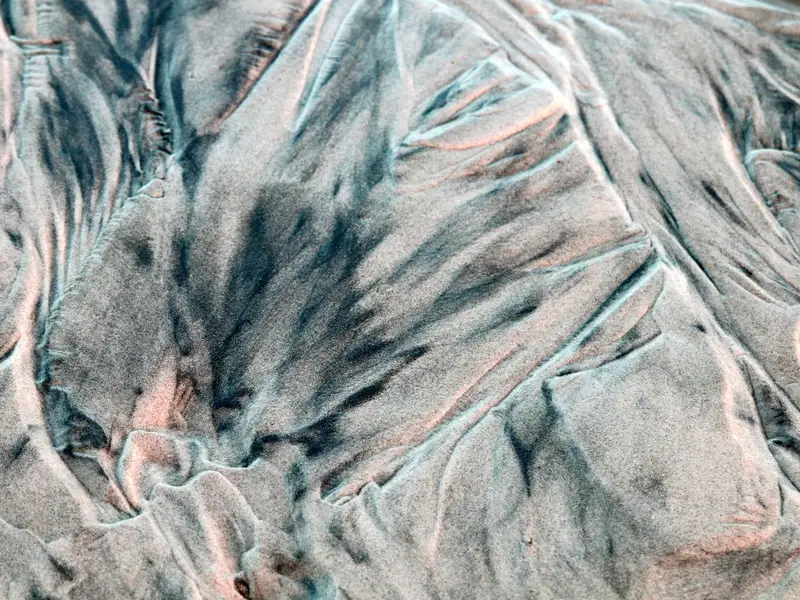
Sediment on the floor
Heavy sediment collects on the tank floor because hard water carries calcium, iron and other minerals that settle in static tanks.
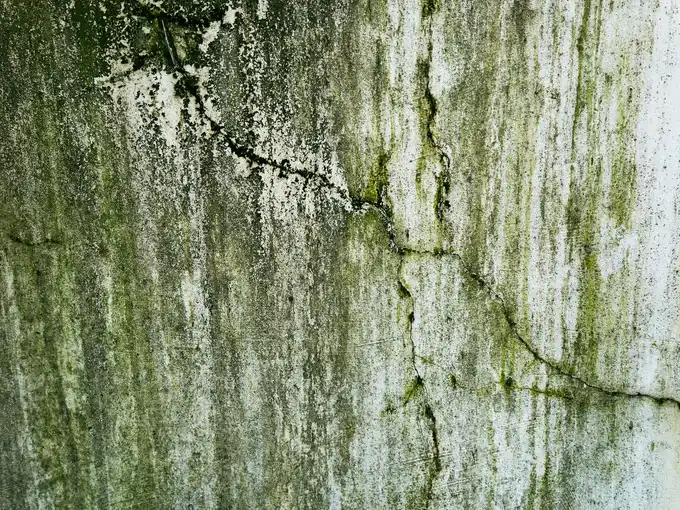
The slime film on the wall
Biofilm and algae grow on tank walls because rooftop tanks face direct sunlight and heat throughout the day.
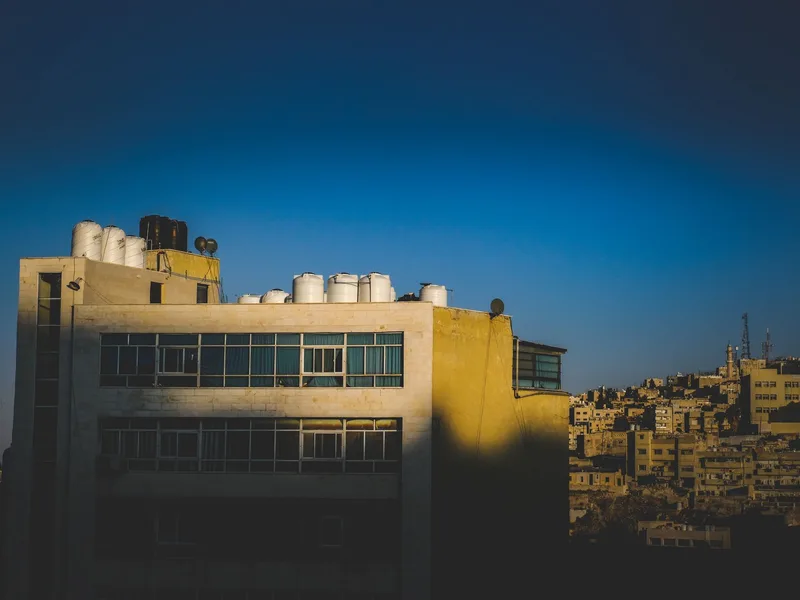
Light and heat
Leaks from tank base occur in older tanks and those exposed to extreme temperature swings from heat expansion and contraction.
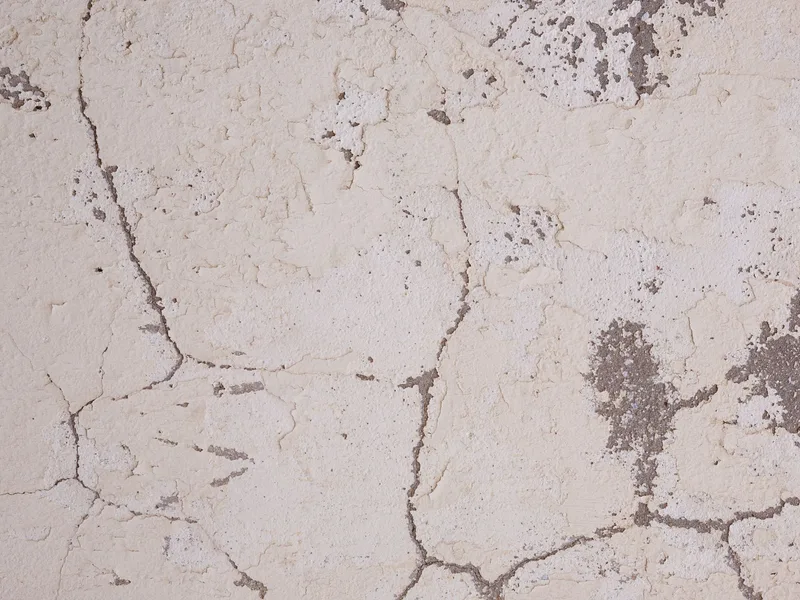
The lining and any cracking
Humidity inside the tank is high and hot air enters when openings are disturbed, enabling bacterial and fungal growth.
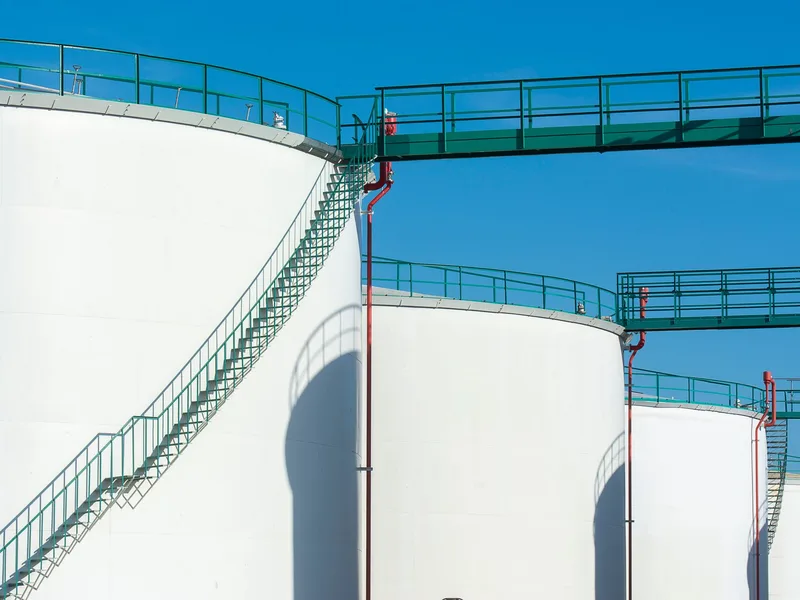
The lid and the openings
Connected pipework holds suspended sediment and biofilm, especially in horizontal runs and bends where flow is slowest.

What shows up at the tap
Water sitting idle in the tank during municipal supply interruptions gives contaminants time to grow and multiply.
How we work
-
1
Inspect and record the condition
We open the hatch and work through what the tank is made of and how big it is, how deep the sediment lies, the state of the lining, whether the lid and the overflow seal, and whether there is a crack that has to be repaired before any sterilizing.
-
2
Drain and lift the sediment out
The water goes out, then the silt and sand are lifted off the floor by suction rather than pushed toward the outlet, because pushing them sends them into the house pipework and the heater.
-
3
High pressure wash
Walls, floor, corners and the area around the outlet, until the slime film is completely gone. This is the step that makes the sterilizing after it mean anything.
-
4
Sterilize, rinse, then return to service
The sterilizing agent goes onto the walls, the floor and the underside of the lid and is left for its contact time, then we rinse, refill and run the furthest tap until the whole line is clear.
What water tank sterilization includes
-

A recorded inspection
Material, capacity, sediment depth, the state of the lining, the lid and the overflow, all before any work begins.
-

Draining and sediment removal
The water out, and the silt and sand lifted off the floor instead of being pushed into the outlet and the house pipework.
-

High pressure washing
Walls, corners and around the outlet, until the biofilm that no disinfectant penetrates has gone.
-
Sterilizing the internal surfaces
A sterilizing agent meant for drinking water tanks, applied to the walls, the floor and the underside of the lid, and left for its contact time.
-

Line flush and aftercare
Rinse, refill and a flush from the furthest tap, when the water is usable again, and what to change in the filter afterwards.
-

The next cycle
We agree the right interval for your tank from how it is filled, how much sun it takes and the condition of the lid.
What is different about South Sub-Municipality
The South sub municipality runs from the edge of Old Makkah Road down to Al Khumrah and the southern corniche. Dense residential districts sit beside new subdivisions such as Al Sanabil and Al Taawun, warehouse fringes such as Al Saruriyah and Al Sarawat, and an old seaside settlement at Al Quzayn. Open stormwater channels cross the housing, and the warehouses, the vegetable and livestock markets and the nearby Islamic Port and Industrial City give pests shelter, food and year round humidity. Pressure is greatest in the older quarters, where drainage networks are ageing.
Questions about this district
Why do biofilms grow so quickly in North Prince Fawaz tanks?
Rooftop tanks face direct sun and heat, and hard water supplies minerals for algae and bacteria. Heat and moisture together accelerate biological growth.
Is simple water washing enough to remove the sediment?
No. Sediment requires high-pressure washing and manual scraping. Basic rinsing cannot remove the thick floor and wall layers.
How often should tanks be sterilized per year in this area?
No single figure applies, but tanks exposed to sun and surrounded by commercial activity need sterilization every six to nine months.
Does the main water source from the municipality affect sediment buildup?
Yes. Municipal supply water carries contaminants that vary by season. Large shared tanks in the quarter suffer heavier accumulation.
Do tanks shared between apartment buildings need different treatment than villa tanks?
Yes. Large shared tanks serving multiple units need longer emptying and deeper scraping, because sediment accumulates faster at higher consumption rates.
Why is flushing the lines from the furthest tap important?
Pipes themselves may hold sediment and biofilm inside. Flushing from the furthest point drives deposits outward under pressure.
How much does water tank sterilization in North Prince Fawaz cost?
It is set after the inspection, because the price follows the type of infestation, the size of the space, how far it has spread and the number of visits it needs. Send a photo and a description on WhatsApp and we will give you an estimate before we reach North Prince Fawaz.
Nearby districts we cover
Other services in North Prince Fawaz
Other services we provide to residents of North Prince Fawaz.
-
 Water tanks
Water tank cleaning
-
 Water tanks
Water tank sealing
-
 Water tanks
Tank leak repair
-
 Residential
Cockroach control
Need water tank sterilization in North Prince Fawaz? Tell us what you saw and we will tell you what it needs
We reach North Prince Fawaz at a time we agree, and you get the full cost before we start.