

Annual contracts in Al Aziziyah Makkah
Al Aziziyah lies about six kilometres from the Haram on the pilgrims' route to Mina, a former farm district now filled with hotel towers, visitor lodgings and markets. King Abdulaziz Road and Al Masjid Al Haram Road cross through it, the old Umm Al Qura University campus and the Mahbas Al Jinn bus station lie within it, and congestion peaks in Ramadan and Hajj season.
-
Targeted, not broadcast
Product goes into cracks and runways, never sprayed across open surfaces.
-
Told before we start
What we will use, where it goes, and what to cover or move before we arrive.
-
A follow-up visit
We return after the first treatment, because what survives it does not show on the day.
-
Homes and businesses
Apartments and villas, and kitchens and stores that need a record of each visit.
Why they keep coming back in Al Aziziyah
Congestion in Al Aziziyah reaches its peak during Ramadan and Hajj, with roads full of vehicles, buses and pedestrians, and shops and restaurants running at very high capacity. The method is set out in full on what Annual contracts involves.
Historic site of old farms and livestock ground
Al Aziziyah was once known as Hawd Al Baqar, farmland and grazing ground. Rapid conversion to commercial use left unstable soil and old drains beneath modern foundations, keeping basements persistently damp.
Very high hotel and tourism density
Many hotel towers receive pilgrims and visitors year-round but with peaks in Ramadan and Hajj. Restaurants, shops and temporary lodgings create an ideal environment for cockroaches and mosquitoes.
Huge bus station draws insects from many sources
Mahbas Al Jinn is a vast bus station stopping hundreds of buses daily. Passengers, waste and standing water provide fertile breeding ground for insects that move into adjacent hotels and markets.
Al Aziziyah on the map
What sets the shape of the contract
A commercial district on King Abdulaziz Road and Al Masjid Al Haram Road holding hotel towers and markets serving residents and pilgrims, with a major bus station and the university campus site.
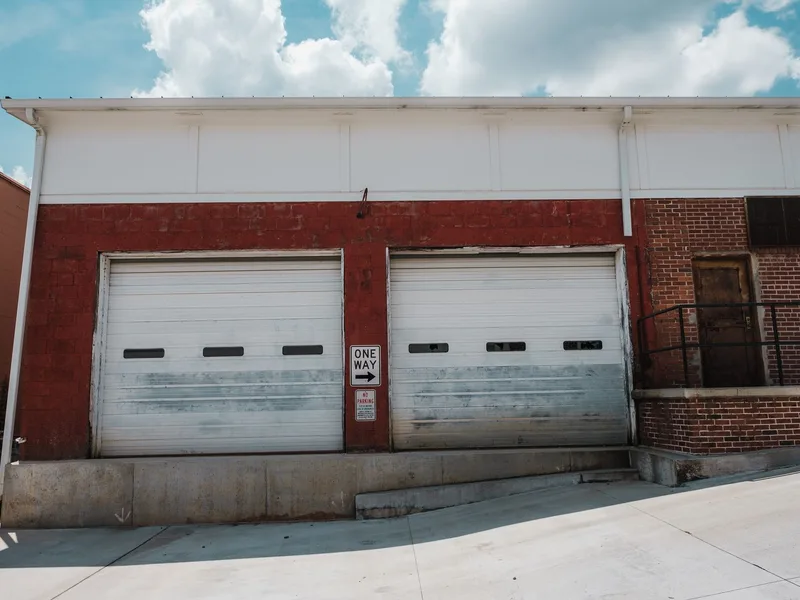
The goods-in door
Hotel reception doors on King Abdulaziz Road stand open continuously, tourists and pilgrims enter and exit freely, and the monitoring point at the entrance records constant movement.
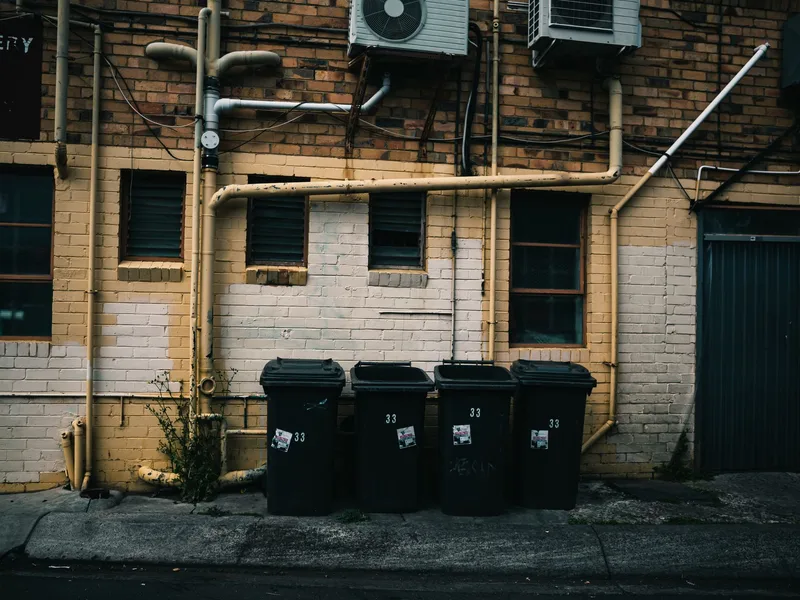
The waste area
Waste areas in hotels and markets are centralised and packed, mostly large bins in rear corners, buses and vehicles pass them daily.
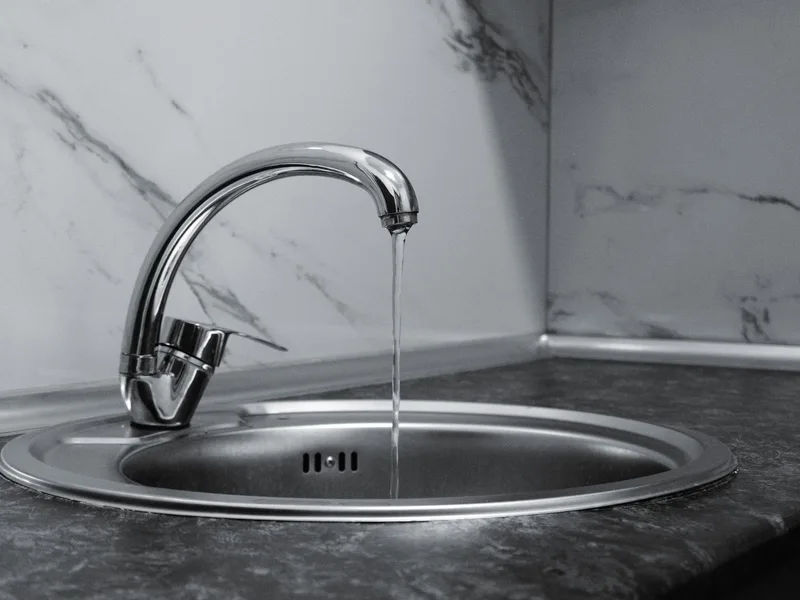
Drains and grease traps
Drains under the main roads are old and congested, especially the bus station which drains heavy water loads daily. Drain blockages are common in peak seasons.
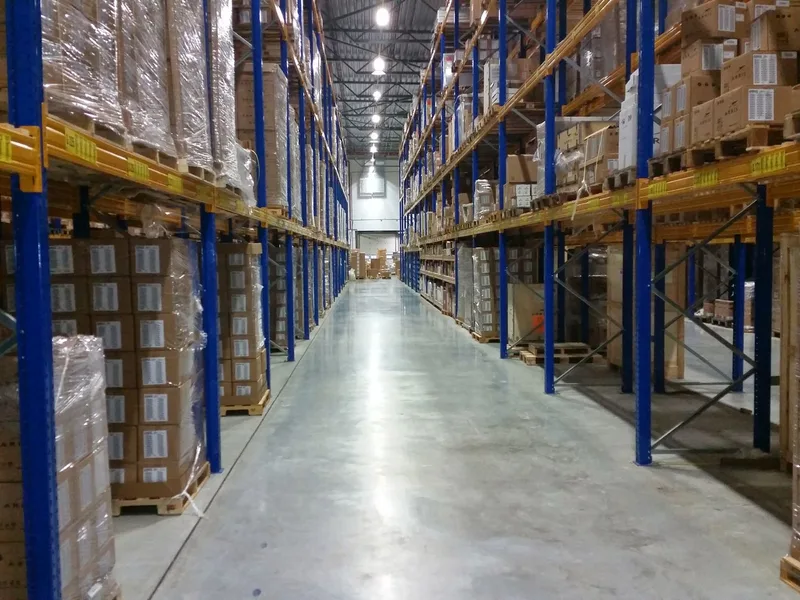
Dry store and pallets
Dry storage is limited, most hotels and shops store goods in containers beside restaurants or shops.
Fixed, numbered points
Numbered points are placed in major hotels, markets and large restaurants. A point sits at each main entrance and in kitchens and stores.

The file itself
The file documents seasons and peaks, recording any activity increase during Ramadan and Hajj separately.
How we work
-
1
Survey and risk assessment
We walk the building from the goods-in door through preparation, stores and washrooms, and record the species pressure, the entry routes, the moisture and which areas carry which level of risk.
-
2
The plan, the map and the frequency
We number the monitoring positions on a plan of the site, agree the visit frequency from what each area handles and how open the building is, and agree who receives and signs the report.
-
3
The scheduled visits
Every visit reads the same route, point by point, records the reading even when it is nil, and treats the area the reading calls for rather than the whole building.
-
4
Review and reading the trend
We read the visits together rather than one at a time: where the readings climbed, which corrective actions are still open, and whether an area needs more points or closer visits.
What the annual contract includes
-

Opening survey and site plan
A walk that fixes the risk areas and the entry routes, and a plan with the monitoring positions numbered before anything is installed.
-

Numbered monitoring points
Fixed positions on a set route, opened, read and logged every visit, and replaced when damaged.
-

Targeted treatment when called for
On the cracks, junctions and service areas the reading points to, and outside operating hours where that is needed.
-

Drains and waste areas
Floor gullies, grease traps and the ground around the containers on every visit, because that is the source that renews itself.
-

Report and corrective actions
After every visit: what was found, what was applied and where, and what the site needs to fix, such as a door gap or a missing drain cover.
-

Scheduled visits and visits in between
A schedule agreed in the contract, plus a visit when activity appears between two dates, logged like any other.
The character of Al Aziziyah
Commercial area: offices, showrooms and small stores
Commercial areas in Al Aziziyah contain hotel towers, markets and a massive bus station, and the contract tracks these crowded diverse zones where insects and rodents establish easily because movement, waste and standing water continue constantly.
Questions about this district
Does the numbered monitoring include Mahbas Al Jinn bus station or is it outside the contract?
The bus station is within the monitoring boundary as a border zone. We monitor the gaps and corners around the station where insects migrate from the station into the hotels.
The old site of Hawd Al Baqar may have underground pests. Is that a risk?
Old soil may contain historical insect populations. We focus on foundations and drains where insects may migrate from old ground into modern buildings.
Ramadan and Hajj increase crowding. Does the contract handle the peaks differently?
Yes, we increase visit frequency during Ramadan and Hajj. Peak seasons need closer attention and the contract accounts for this.
The old Umm Al Qura University site sits beside us. Is there a risk from there?
The old campus may harbour insects in abandoned spaces. We monitor the walls and boundaries between our areas and theirs.
The number of hotels and shops is huge. How do you organize the monitoring points?
Points are placed in key areas: major restaurants, markets and main hotels. The report organises readings by district and by hotel.
Can we have a separate contract for the bus station alone?
Yes, but insects move easily from the bus station into adjacent hotels, so a unified contract covering the whole zone is better.
How much does annual contracts in Al Aziziyah cost?
It is set after the inspection, because the price follows the type of infestation, the size of the space, how far it has spread and the number of visits it needs. Send a photo and a description on WhatsApp and we will give you an estimate before we reach Al Aziziyah.
Other services in Al Aziziyah
Other services we provide to residents of Al Aziziyah.
-
 Residential
Cockroach control
Residential
Cockroach control
-
 Residential
Bed bug control
Residential
Bed bug control
-
 Residential
Termite control
Residential
Termite control
-
 Residential
Rodents and mice
Residential
Rodents and mice
-
 Residential
Mosquito control
Residential
Mosquito control
-
 Residential
Fly control
Residential
Fly control
-
 Residential
Ant control
Residential
Ant control
-
 Residential
Gecko control
Residential
Gecko control
-
 Residential
Scorpion control
Residential
Scorpion control
-
 Residential
Snake control
Residential
Snake control
-
 Residential
Flea control
Residential
Flea control
-
 Residential
Bird and pigeon control
Residential
Bird and pigeon control
-
 Residential
Preventive treatment
Residential
Preventive treatment
-
 Residential
Disinfection
Residential
Disinfection
-
 Commercial
Restaurants and cafes
Commercial
Restaurants and cafes
-
 Commercial
Hotels and apartments
Commercial
Hotels and apartments
-
 Commercial
Warehouses and factories
Commercial
Warehouses and factories
-
 Commercial
Schools and nurseries
Commercial
Schools and nurseries
-
 Commercial
Retail and malls
Commercial
Retail and malls
-
 Commercial
Rest houses and farms
Commercial
Rest houses and farms
-
 Commercial
Fumigation
Commercial
Fumigation
-
 Water tanks
Water tank cleaning
Water tanks
Water tank cleaning
-
 Water tanks
Water tank sterilization
Water tanks
Water tank sterilization
-
 Water tanks
Water tank sealing
Water tanks
Water tank sealing
-
 Water tanks
Tank leak repair
Water tanks
Tank leak repair
Need annual contracts in Al Aziziyah? Tell us what you saw and we will tell you what it needs
We reach Al Aziziyah at a time we agree, and you get the full cost before we start.