
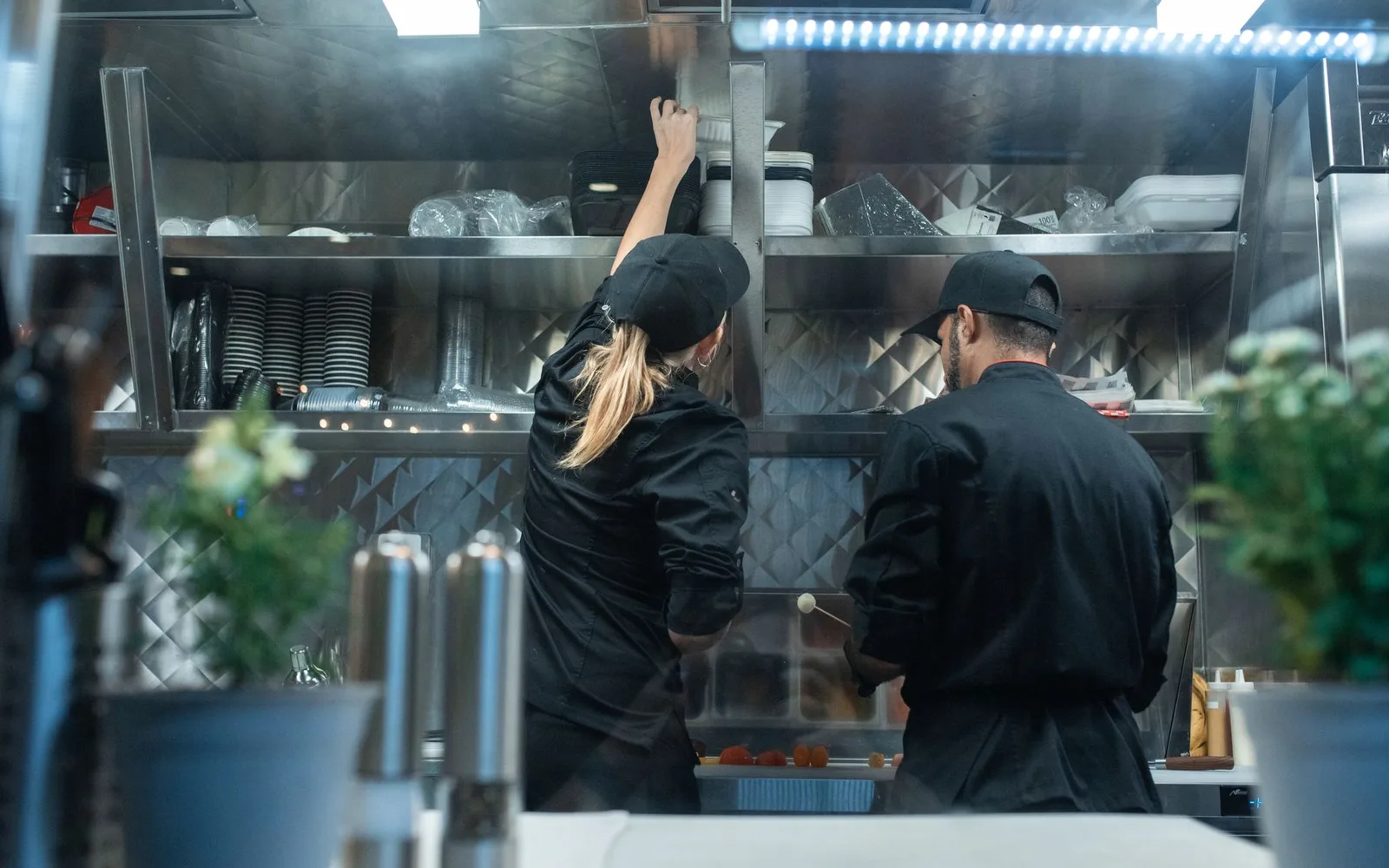
Restaurants and cafes in Al Aziziyah Makkah
Al Aziziyah is a busy commercial zone on the pilgrims' route to Mina, where restaurants serve hotel guests, university staff and workers. Pressure spikes in Ramadan and Hajj seasons, and the constant flow of goods from neighbourhood markets makes precise monitoring essential rather than optional. The multiple delivery routes and shared building spaces mean pests can arrive daily.
-
Targeted, not broadcast
Product goes into cracks and runways, never sprayed across open surfaces.
-
Told before we start
What we will use, where it goes, and what to cover or move before we arrive.
-
A follow-up visit
We return after the first treatment, because what survives it does not show on the day.
-
Homes and businesses
Apartments and villas, and kitchens and stores that need a record of each visit.
Why they keep coming back in Al Aziziyah
Restaurants here receive deliveries from multiple suppliers every day. The chaos of goods-in hours leaves food traces that attract insects for weeks, especially during staff rushes and peak meal times. The method is set out in full on the full Restaurants and cafes page.
Seasonal delivery surges and Hajj pressure
During Ramadan and Hajj, delivery trucks queue outside restaurants. Each goods arrival is a doorway for new insects. Quick loading leaves food debris invisible on first glance but visible to pests for weeks. The programme must account for doubled visitor numbers and the waste they create, not just kitchen waste alone.
Shared storage and common passages
Showrooms, small offices and storage areas share hallways and access doors with the restaurant. Cockroaches do not recognise lease boundaries. The programme must cover every entrance and service window of the entire building, not the kitchen alone. A sealed office door stops nothing if the passage behind it is unmonitored.
Proximity to the bus station and pilgrim gatherings
Mahbas Al Jinn bus station and pilgrim assembly points nearby mean food waste and discarded packaging scatter across surrounding streets. Rodents and insects move between street and restaurant and back. Street-level drains carry debris that attracts pests upwards into premises.
Al Aziziyah on the map
The places that decide the programme
The district is cut by main traffic routes where goods vehicles deliver constantly. Nearby markets supply diverse food sources that attract insects of every kind, and congestion peaks twice yearly during religious seasons.
Gullies and the grease trap
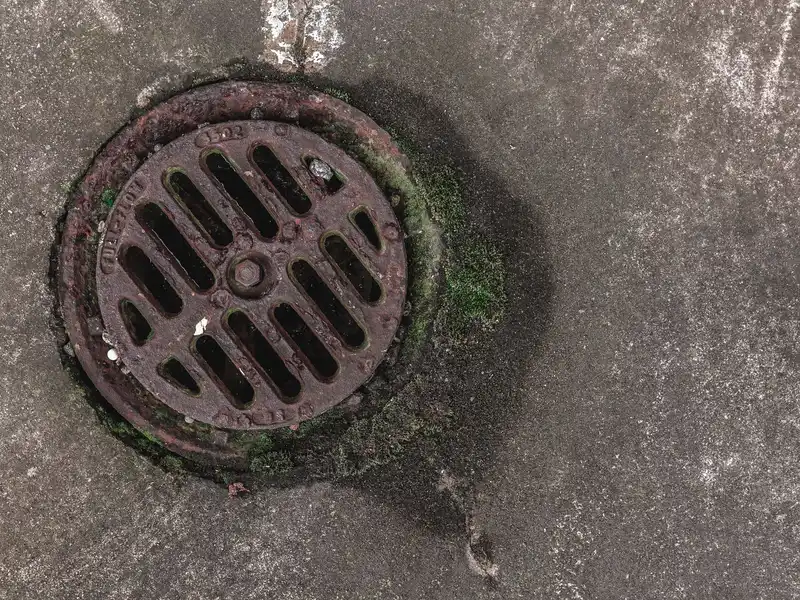
Gullies may be shared between the restaurant and other units in the building, and grease trap cleaning is performed only if hygiene standards demand it. We inspect grease traps ourselves on every visit to check for live pest activity inside the drain system.
The cooking line and plinths
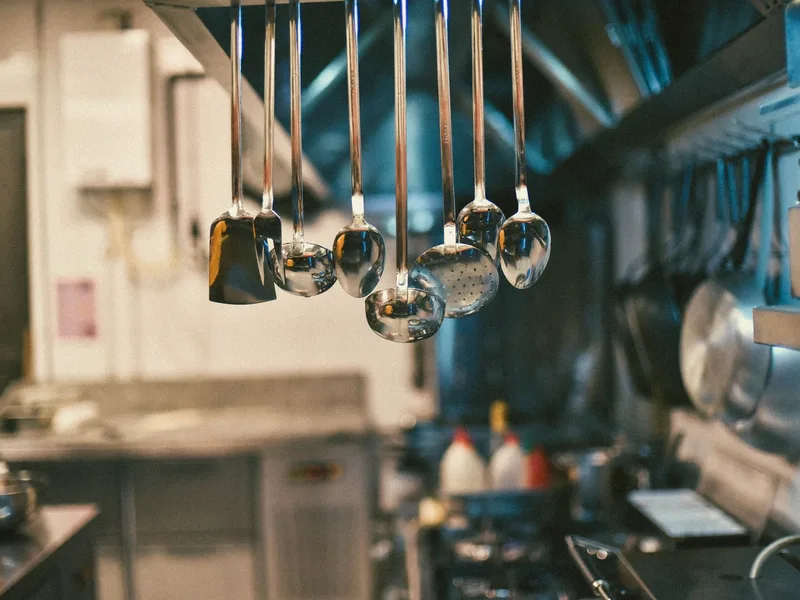
Cooking equipment arrives and is installed quickly, with gaps underneath nearly universal. We focus on equipment bases and clean beneath each piece before any treatment begins. These gaps often contain established colonies that must be physically cleared first.
Cardboard at goods inwards
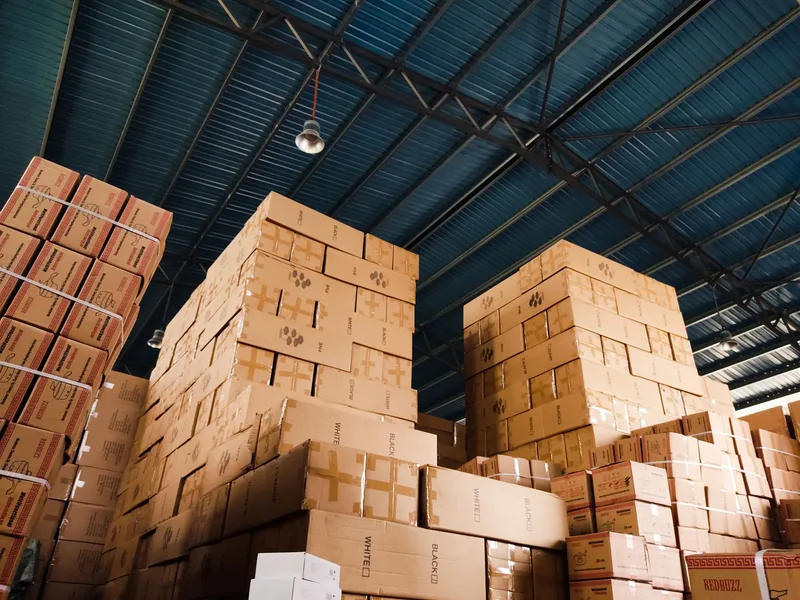
Cardboard arrives from multiple suppliers, and small storage areas cannot always contain all deliveries, leaving boxes stacked in hallways. We inspect every open carton and dispose of empties immediately so they do not shelter pests or slow our monitoring routes.
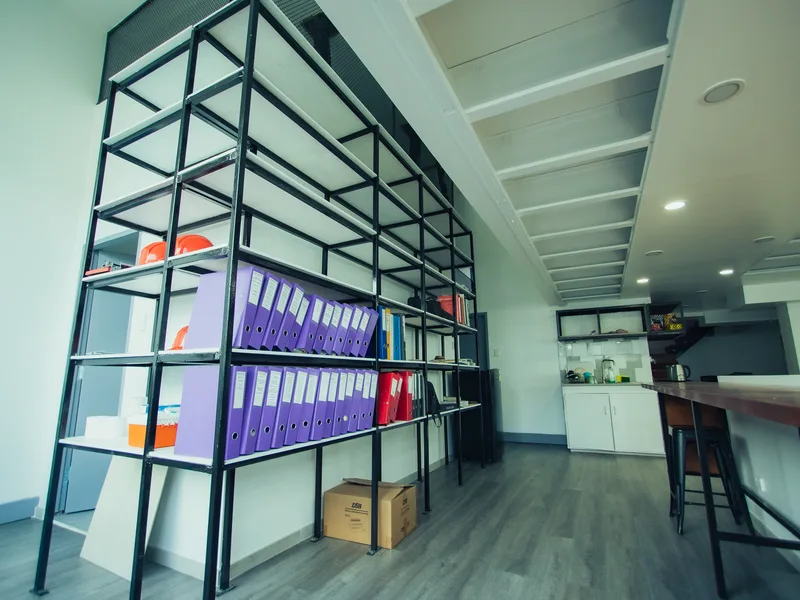
Dry store shelving
Dry store shelving in smaller restaurants is often tall and crowded. Gaps between stacked boxes and corners between shelves offer preferred shelter. We inspect these spaces carefully and note them for ongoing staff cleaning targets between our visits.
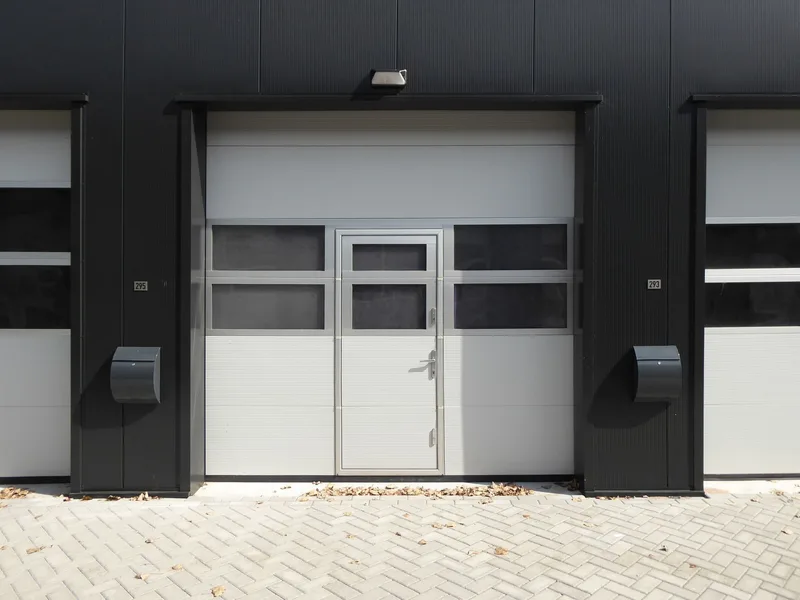
The back service door
The back service door opens constantly during goods receipt and waste removal. This is the critical pressure point. We focus on the goods-in threshold and door seal, placing traps nearby and training staff to close the door immediately after each use or delivery.
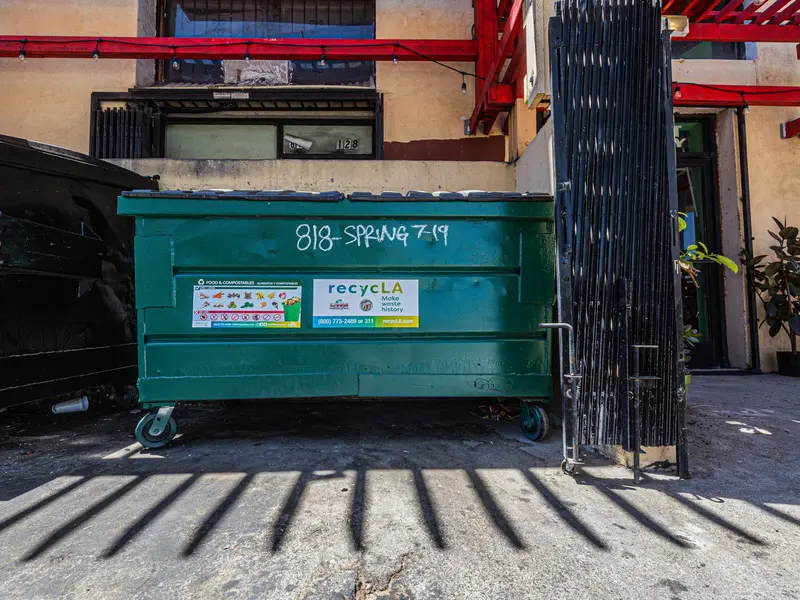
The bin area
Waste bins may stand in the passage or street outside, and insects travel from bin to restaurant via lower doorway gaps and drains. We map the route from the back door to the bin area and identify where pests enter during our first visit.
How we work
-
1
Survey and site plan
We follow the food route from delivery to waste, establish which species are present and where the moisture is, and mark the station positions on a plan of the kitchen and the store.
-
2
Install numbered monitoring points
Sealed, numbered stations in fixed positions, read in the same order every visit so the file shows a trend rather than an impression.
-
3
Treatment outside service hours
Gel bait into joints and voids, foam into the gullies and the grease trap, and nothing applied to preparation surfaces, with equipment covered and surfaces wiped down before service resumes.
-
4
Scheduled visits and the site file
Every visit reads the stations and records what was found, the corrective action needed, who owns it and by when, and the file stays on site to be shown at an inspection.
What a restaurant programme includes
-

Opening survey and site plan
Species, entry points and moisture sources, with a plan showing where every station sits.
-

Sealed, numbered stations
Bait held inside closed stations in food areas, never open product near preparation or storage.
-

Gully and grease trap treatment
Foam that contacts the pipe wall where small flies breed, which is the step most contracts skip.
-

Targeted application after closing
Into joints, voids and the store perimeter, at a time with no exposed food and no team in the kitchen.
-

Reopening instructions for the team
What to cover before, what to wipe after, and what not to wash so the treatment is not undone.
-

A visit report and a running log
Every station read, corrective actions with an owner and a date, and a continuous file to show at an inspection.
The character of Al Aziziyah
Commercial area: offices, showrooms and small stores
A commercial zone means restaurants share entrances and passages with offices and showrooms. The programme accounts for foot traffic from different tenancies and recognises that pests move easily between separate units within the same building complex or precinct.
Questions about this district
Does seasonal pressure mean we need different treatment during Ramadan and Hajj?
Yes. Pest pressure can double during these periods. Monthly visits alone may not suffice. Additional visits between regular appointments become necessary, especially in the first week of Ramadan and throughout Hajj weeks. The programme adjusts frequency based on what monitoring reveals.
Our restaurant is downstairs with offices above it. Do we treat the offices too?
Offices do not need spraying if clean and free of food. We do monitor shared passages and common doors. If we find pests in office spaces, they require specialist treatment and coordination with office occupiers to prevent insects re entering the restaurant below.
Does a street-level restaurant entrance on a main road create special problems?
Yes. Fast traffic, dust and air movement push insects toward doorway gaps. We monitor door seals and gaps under ground thresholds with care. We may install air curtains or place additional traps at street level to intercept pests before they enter.
Does serving pilgrims and workers mean the restaurant needs different pest control?
Higher footfall and faster waste accumulation mean greater pressure. The programme emphasises daily staff monitoring and deep cleaning protocols. Regular visits become inspection points rather than treatment alone. We train staff to spot early warning signs during busy seasons.
Do the waste bins and market debris nearby directly affect our restaurant?
Markets are a constant pest source. But pest impact on the restaurant depends more on internal cleanliness than external surroundings. A well sealed restaurant with robust cleaning protocols keeps external pressure contained, though monitoring must remain constant.
How many monitoring points do we place in an Al Aziziyah restaurant?
Numbers depend on restaurant size and layout. Small to medium restaurants typically receive eight to twelve monitoring points. Each one sits where insects might hide or pass through. Reports detail findings at every point and indicate where pressure is building or where hygiene improvements have worked.
How much does restaurants and cafes in Al Aziziyah cost?
It is set after the inspection, because the price follows the type of infestation, the size of the space, how far it has spread and the number of visits it needs. Send a photo and a description on WhatsApp and we will give you an estimate before we reach Al Aziziyah.
Other services in Al Aziziyah
Other services we provide to residents of Al Aziziyah.
-
 Residential
Cockroach control
Residential
Cockroach control
-
 Residential
Bed bug control
Residential
Bed bug control
-
 Residential
Termite control
Residential
Termite control
-
 Residential
Rodents and mice
Residential
Rodents and mice
-
 Residential
Mosquito control
Residential
Mosquito control
-
 Residential
Fly control
Residential
Fly control
-
 Residential
Ant control
Residential
Ant control
-
 Residential
Gecko control
Residential
Gecko control
-
 Residential
Scorpion control
Residential
Scorpion control
-
 Residential
Snake control
Residential
Snake control
-
 Residential
Flea control
Residential
Flea control
-
 Residential
Bird and pigeon control
Residential
Bird and pigeon control
-
 Residential
Preventive treatment
Residential
Preventive treatment
-
 Residential
Disinfection
Residential
Disinfection
-
 Commercial
Annual contracts
Commercial
Annual contracts
-
 Commercial
Hotels and apartments
Commercial
Hotels and apartments
-
 Commercial
Warehouses and factories
Commercial
Warehouses and factories
-
 Commercial
Schools and nurseries
Commercial
Schools and nurseries
-
 Commercial
Retail and malls
Commercial
Retail and malls
-
 Commercial
Rest houses and farms
Commercial
Rest houses and farms
-
 Commercial
Fumigation
Commercial
Fumigation
-
 Water tanks
Water tank cleaning
Water tanks
Water tank cleaning
-
 Water tanks
Water tank sterilization
Water tanks
Water tank sterilization
-
 Water tanks
Water tank sealing
Water tanks
Water tank sealing
-
 Water tanks
Tank leak repair
Water tanks
Tank leak repair
Need restaurants and cafes in Al Aziziyah? Tell us what you saw and we will tell you what it needs
We reach Al Aziziyah at a time we agree, and you get the full cost before we start.