

Annual contracts in Al Kaakiyah Makkah
Al Kaakiyah lies in southern Makkah on the Al Layth road, where Souq Al Halaqa, one of the city's largest markets for fruit, vegetables, livestock and birds, fills the district entirely. An annual contract here monitors markets for dates and firewood alongside apartment buildings standing directly above the market floors, and insects and rodents find ideal conditions in the dirtiest markets in the city.
-
Targeted, not broadcast
Product goes into cracks and runways, never sprayed across open surfaces.
-
Told before we start
What we will use, where it goes, and what to cover or move before we arrive.
-
A follow-up visit
We return after the first treatment, because what survives it does not show on the day.
-
Homes and businesses
Apartments and villas, and kitchens and stores that need a record of each visit.
Why they keep coming back in Al Kaakiyah
Al Kaakiyah is the filthiest market in Makkah, with animal waste and vegetable scraps accumulating rapidly and constant moisture from wet produce creating a permanently damp environment beneath the shops. The method is set out in full on how we approach Annual contracts.
Open livestock auction with all its waste
The sheep, camel and bird auction in Al Kaakiyah is an open air live market, blood and animal waste collect on the ground and soak into the foundations, moisture and odour attract every kind of insect and rodent.
Central vegetable market handling thousands of tonnes daily
Souq Al Halaqa and the central vegetable market receive thousands of tonnes of produce daily, waste and scraps collect in the market corners, water seeps from wet produce constantly.
Residential apartments directly above the filthiest market, shared drains
Families live in apartment blocks standing directly above the market, drains are shared between housing and market, odours and insects from the market rise to upper floors continuously.
Al Kaakiyah on the map
What sets the shape of the contract
A commercial market district centred on Souq Al Halaqa for vegetables and fruit and livestock auction, with dates and firewood markets, and residential apartment buildings standing directly above.
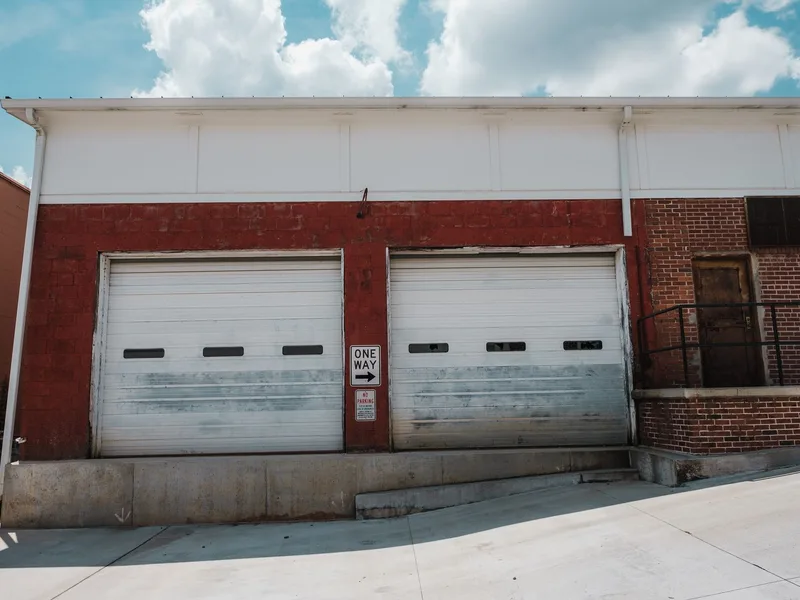
The goods-in door
Market doors are open air, workers and buyers enter and exit freely from dawn to dusk, and the monitoring point at the entrance records constant movement.
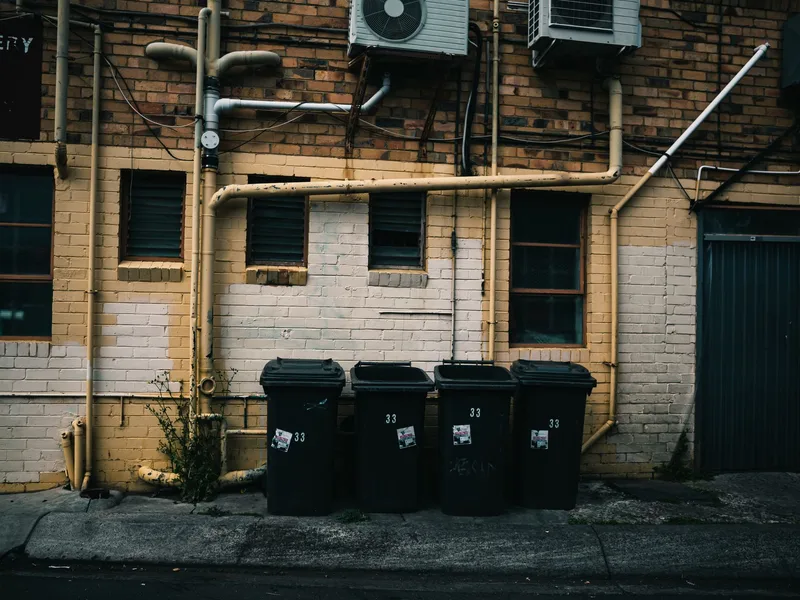
The waste area
Waste areas in Al Kaakiyah are massive and packed, animal waste and vegetable scraps collect in market corners and are removed only a few times a week.
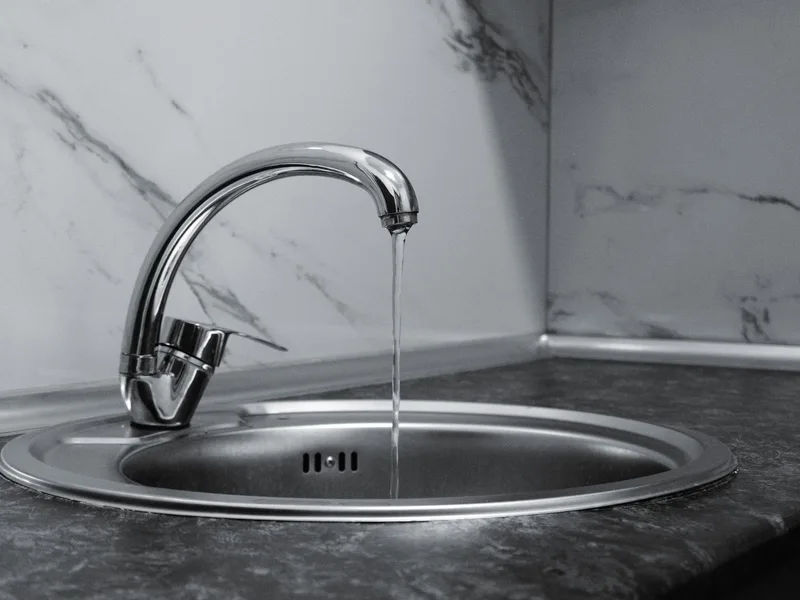
Drains and grease traps
Market drains empty directly onto the street sometimes, standing water creates permanent damp pockets where insects establish.
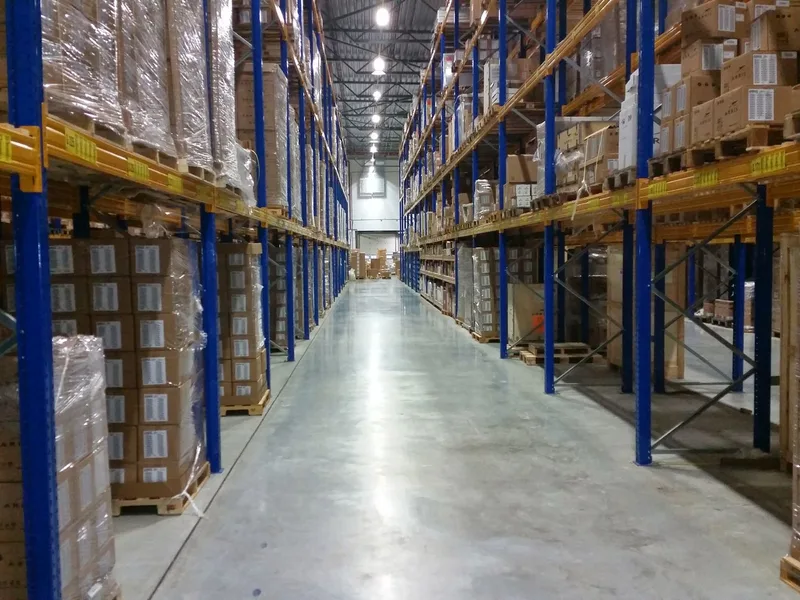
Dry store and pallets
Dry storage is extremely rare in Al Kaakiyah, most goods are stored underground or in damp corners, flour and dates are stacked in bags on the ground.
Fixed, numbered points
Numbered points are placed in the auctions, vegetable market and dates and firewood markets, and at the entrances of residential flats above.

The file itself
The file documents insect and rodent activity in detail, recording any increase from particular auction yards or particular markets.
How we work
-
1
Survey and risk assessment
We walk the building from the goods-in door through preparation, stores and washrooms, and record the species pressure, the entry routes, the moisture and which areas carry which level of risk.
-
2
The plan, the map and the frequency
We number the monitoring positions on a plan of the site, agree the visit frequency from what each area handles and how open the building is, and agree who receives and signs the report.
-
3
The scheduled visits
Every visit reads the same route, point by point, records the reading even when it is nil, and treats the area the reading calls for rather than the whole building.
-
4
Review and reading the trend
We read the visits together rather than one at a time: where the readings climbed, which corrective actions are still open, and whether an area needs more points or closer visits.
What the annual contract includes
-

Opening survey and site plan
A walk that fixes the risk areas and the entry routes, and a plan with the monitoring positions numbered before anything is installed.
-

Numbered monitoring points
Fixed positions on a set route, opened, read and logged every visit, and replaced when damaged.
-

Targeted treatment when called for
On the cracks, junctions and service areas the reading points to, and outside operating hours where that is needed.
-

Drains and waste areas
Floor gullies, grease traps and the ground around the containers on every visit, because that is the source that renews itself.
-

Report and corrective actions
After every visit: what was found, what was applied and where, and what the site needs to fix, such as a door gap or a missing drain cover.
-

Scheduled visits and visits in between
A schedule agreed in the contract, plus a visit when activity appears between two dates, logged like any other.
The character of Al Kaakiyah
Commercial area: offices, showrooms and small stores
Commercial markets in Al Kaakiyah are open air livestock and produce auctions, and the contract tracks busy markets with continuous waste and poor drainage where insects and rodents establish easily, sending pests into the apartments standing directly above.
Questions about this district
Are the livestock and bird auctions covered in the annual monitoring contract?
Yes, the auctions are fully covered. We monitor blood, waste and damp corners where insects and rodents establish.
The market is open all the time. Do we need more frequent visits than elsewhere?
Yes, much more frequently. Al Kaakiyah needs intensive visits. Open markets and continuous waste require monitoring at least weekly.
Residents in the flats above complain of insects and smell. Is there a solution?
The apartments have separate and comprehensive points. We monitor drains and openings between market and housing, and sealing the gaps is part of the solution.
Animal waste attracts rodents. How do we prevent them entering the flats?
We monitor apartment entrances and windows and openings carefully. Barriers and screens are necessary but continuous monitoring is fundamental.
The drain is shared between market and housing. Can it be separated?
The drain is old and shared and cannot be fully separated. We monitor inspection points carefully and record any new blockage or seepage.
Do the dates and firewood markets have the same problems?
Dates and firewood markets are less damp than the vegetable market but still attract rodents and insects. We monitor them the same but with less focus.
How much does annual contracts in Al Kaakiyah cost?
It is set after the inspection, because the price follows the type of infestation, the size of the space, how far it has spread and the number of visits it needs. Send a photo and a description on WhatsApp and we will give you an estimate before we reach Al Kaakiyah.
Other services in Al Kaakiyah
Other services we provide to residents of Al Kaakiyah.
-
 Residential
Cockroach control
Residential
Cockroach control
-
 Residential
Bed bug control
Residential
Bed bug control
-
 Residential
Termite control
Residential
Termite control
-
 Residential
Rodents and mice
Residential
Rodents and mice
-
 Residential
Mosquito control
Residential
Mosquito control
-
 Residential
Fly control
Residential
Fly control
-
 Residential
Ant control
Residential
Ant control
-
 Residential
Gecko control
Residential
Gecko control
-
 Residential
Scorpion control
Residential
Scorpion control
-
 Residential
Snake control
Residential
Snake control
-
 Residential
Flea control
Residential
Flea control
-
 Residential
Bird and pigeon control
Residential
Bird and pigeon control
-
 Residential
Preventive treatment
Residential
Preventive treatment
-
 Residential
Disinfection
Residential
Disinfection
-
 Commercial
Restaurants and cafes
Commercial
Restaurants and cafes
-
 Commercial
Hotels and apartments
Commercial
Hotels and apartments
-
 Commercial
Warehouses and factories
Commercial
Warehouses and factories
-
 Commercial
Schools and nurseries
Commercial
Schools and nurseries
-
 Commercial
Retail and malls
Commercial
Retail and malls
-
 Commercial
Rest houses and farms
Commercial
Rest houses and farms
-
 Commercial
Fumigation
Commercial
Fumigation
-
 Water tanks
Water tank cleaning
Water tanks
Water tank cleaning
-
 Water tanks
Water tank sterilization
Water tanks
Water tank sterilization
-
 Water tanks
Water tank sealing
Water tanks
Water tank sealing
-
 Water tanks
Tank leak repair
Water tanks
Tank leak repair
Need annual contracts in Al Kaakiyah? Tell us what you saw and we will tell you what it needs
We reach Al Kaakiyah at a time we agree, and you get the full cost before we start.